
During a session titled ‘A Fair and Equitable Future for All: Critical Minerals, Decent Work, and Artificial Intelligence,’ Indian Prime Minister Narendra Modi underscored the importance of making advanced technologies, particularly artificial intelligence (AI), globally accessible rather than confined to national boundaries. He advocated for open-source models over proprietary systems, emphasizing inclusivity and collaboration. Modi highlighted how India has embedded this vision into its technological ecosystem, yielding substantial advancements in space applications, AI, and digital payments, areas where India is a global leader. He stressed the need for equitable access, population training, and responsible deployment of these technologies. The Prime Minister also referenced the India-AI Mission, which aims to develop accessible high-performance computing capacity. Modi asserted that while AI should enhance human capabilities, ultimate decision-making must remain in human hands. He called for a shift in focus from ‘Jobs of Today’ to ‘Capabilities of Tomorrow’ and proposed the creation of a Global Framework for Talent Mobility in the coming years. Additionally, he extended an invitation to all G20 nations to attend the AI Impact Summit, themed ‘Sarvajanam Hitaya, Sarvajanam Sukhaya’ (Well-being for all, Happiness for all), scheduled for February 2026 in India. Concluding his address, Modi reaffirmed India’s commitment to global well-being, sustainable development, reliable trade, fair finance, and inclusive progress.
作者: admin
-
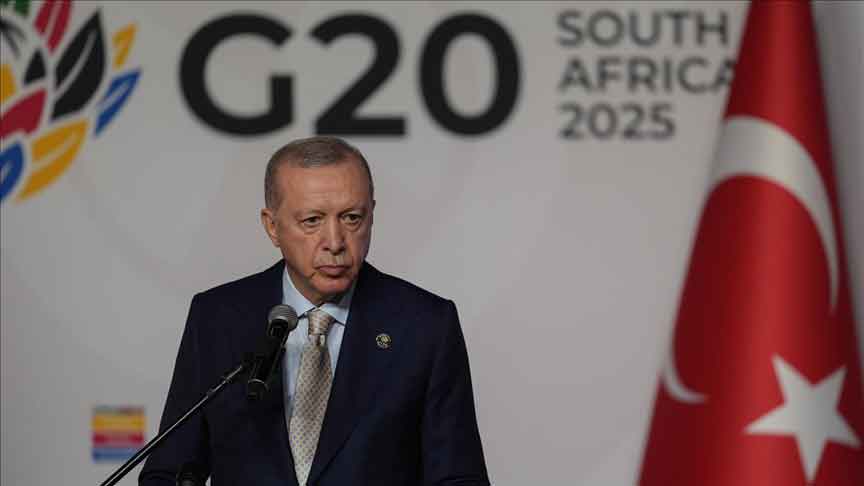
Erdogan: There will be no world peace without a Palestinian state
During a press conference concluding the G20 Summit in Johannesburg, South Africa, Turkish President Recep Tayyip Erdogan articulated a resolute stance on the Palestinian issue, as reported by the Anadolu agency. Erdogan declared that Turkey remains steadfast in its support for the Palestinian cause, asserting that this commitment is unwavering and fearless. He emphasized that Turkey will continue to advocate for the rights of the Palestinian people across all international platforms. Erdogan also condemned what he described as a ‘genocide’ in Gaza and other Palestinian territories, attributing responsibility to the Israeli government and Prime Minister Benjamin Netanyahu for the dire situation in the region. He reiterated his belief that the conflict in Gaza constitutes a genocide, a statement made amidst widespread international alarm over the high number of civilian casualties. Additionally, Erdogan commended South Africa for its ‘courageous and exemplary’ position on the Israeli-Palestinian conflict, particularly regarding its actions at the International Court of Justice, where South Africa has accused Israel of genocide. Turkey has expressed its support for South Africa’s legal initiative in various diplomatic arenas.
-
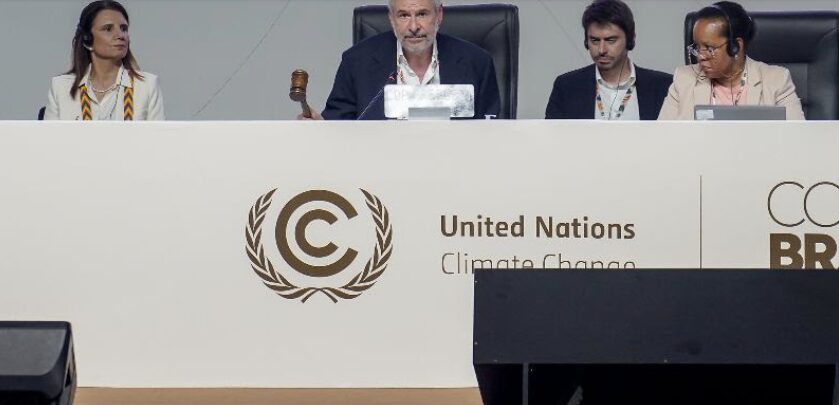
COP30 ends with incremental gains, but health risks loom without stronger action
The 30th Conference of the Parties (COP30) in Belém, Brazil, concluded with significant shortcomings, according to the Global Climate and Health Alliance. Despite high expectations, the summit failed to deliver the transformative climate action necessary to safeguard global health. Key issues included the lack of a formal agreement on phasing out fossil fuels and delays in implementing adaptation measures. Dr. Jeni Miller, Executive Director of the Alliance, expressed disappointment, stating that while some progress was made, COP30 did not mark the turning point it had promised. The Alliance, representing over 200 health and civil society organizations worldwide, emphasized that the delay in adaptation finance until 2035, instead of the requested 2030 deadline, could result in increased suffering and mortality, particularly in developing nations. These countries, already grappling with poverty, fragile health systems, and debt, are at heightened risk from escalating climate impacts. Even high-income countries are seeing their healthcare systems stretched to the limit. Brazil’s COP30 President, André Corrêa do Lago, announced plans for two roadmaps: one to halt deforestation and another to guide a just transition away from fossil fuels. However, the absence of a formal fossil fuel phaseout agreement remains a critical gap. Dr. Miller warned that without decisive action, the world risks reaching dangerous and irreversible tipping points in critical earth systems. The final text of the just transition work programme recognized the human right to health and a clean environment and established a mechanism for international cooperation and capacity-building. While these provisions were welcomed, Dr. Miller stressed the need for adequate resourcing to ensure their implementation. She called on wealthy nations to lead by example, noting that 80 countries supported a fossil fuel phaseout plan. She emphasized that leadership does not require consensus and that phasing out fossil fuels would benefit public health and reduce the financial burden on healthcare systems. Dr. Miller also reminded developed countries of their Paris Agreement commitments, calling climate finance for vulnerable nations an investment in global stability, goodwill, and cooperation. The Alliance applauded the launch of the Belém Health Action Plan but warned that without concrete implementation and sufficient climate finance, it risks remaining symbolic. Nurses and health advocates pledged to continue pressing global leaders to deliver the protections communities and future generations urgently need.
-
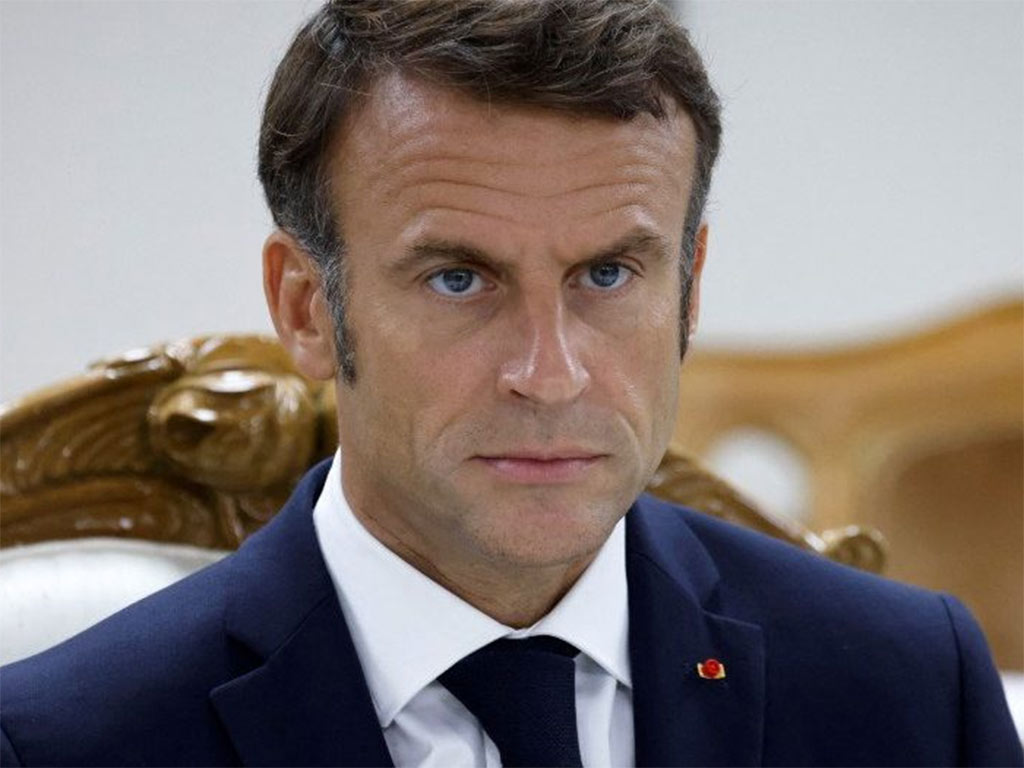
Macron’s popularity slumps for 2nd consecutive month
A recent monthly barometer released by the French Institute of Public Opinion (IFOP) and published in Le Journal du Dimanche reveals that President Emmanuel Macron’s approval rating is nearing the record low of 13 percent, previously set by his predecessor, Francois Hollande. Hollande, a member of the Socialist Party (PS), holds the unenviable title of the most unpopular president in the history of IFOP polls. Macron’s disapproval rating has now surged to 56 percent, reflecting growing discontent among the French populace. Frederic Dabi, IFOP’s Director General, suggests that Macron’s declining popularity is beginning to affect other key political figures within his administration, notably Prime Minister Sebastien Lecornu. Lecornu’s approval rating has dropped to 34 percent among 2,000 respondents surveyed in the past week, marking a four-point decline since October. France remains embroiled in a series of acute political crises and polarization, which have led to the rapid turnover of four prime ministers in less than a year. These include conservative Michel Barnier, who was ousted in December, centrist Francois Bayrou, removed in September, and Lecornu, who resigned in October only to be reappointed by Macron shortly thereafter.
-
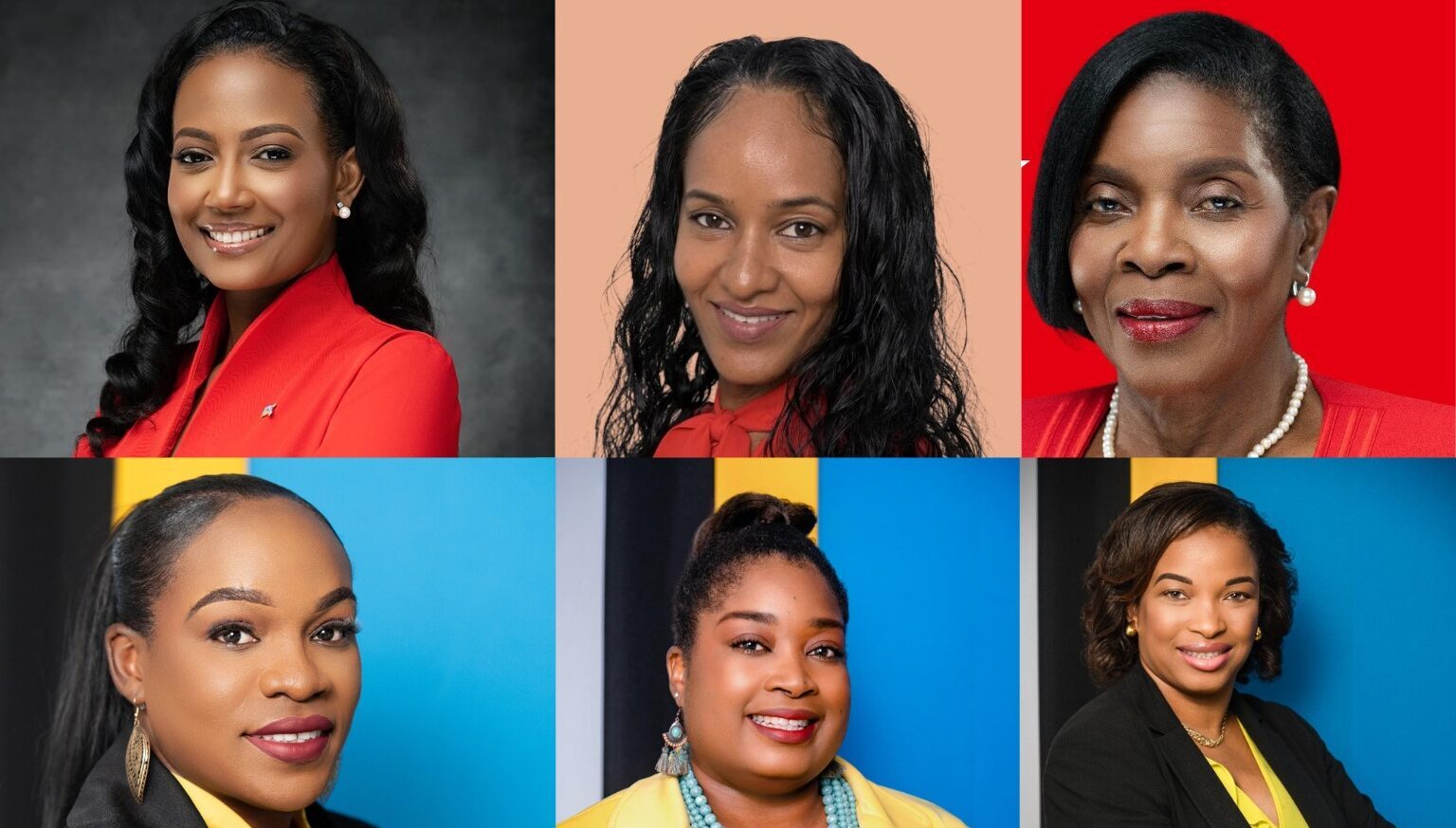
OPINION: The unfinished fight for women’s political inclusion in Saint Lucia (Part 2)
In the Caribbean, particularly in Saint Lucia, the political landscape is shaped by deeply ingrained societal norms and gender stereotypes. Data reveals that the archetype of a successful politician aligns with a conservative image: a middle-aged, married, Afro-Caribbean man with a family. Women, however, face significant scrutiny and delegitimization if they do not conform to this somatic norm. Single, childless, or divorced women are often subjected to harsh criticism, with their likability and leadership capabilities questioned based on their marital status or appearance. Society’s objectification of women extends to their political roles, where their attire and physical appearance are often prioritized over their policy expertise and experience. Interestingly, women who embody traditional maternal traits—such as being caring and nurturing—sometimes leverage these qualities as political talking points. Yet, those who deviate from these norms are judged more critically, highlighting the double standards in political evaluation. Despite these challenges, women in Saint Lucia are surpassing men in educational achievements and professional experience. According to the Washington Post, Saint Lucia is one of three countries where women are more likely to hold leadership positions than men, with 52.3% of bosses being female. However, institutional barriers persist, hindering women’s political participation. UN Women highlights the disproportionate burden of family care responsibilities on women, making it difficult for them to balance domestic duties with political careers. Additionally, systemic issues such as limited access to campaign funding, political networks, and unwinnable seat placements further disadvantage women. While there are no explicit laws barring women from political office, entrenched practices within political parties perpetuate inequality. To address these issues, comprehensive measures are needed, including public education on gender equality, increased support for women candidates, and the implementation of quotas to ensure fair representation. Rahym R. Augustin-Joseph, a Rhodes Scholar and advocate for political reform, emphasizes the importance of dismantling patriarchal structures and fostering a more inclusive political environment in Saint Lucia and the broader Caribbean.
-
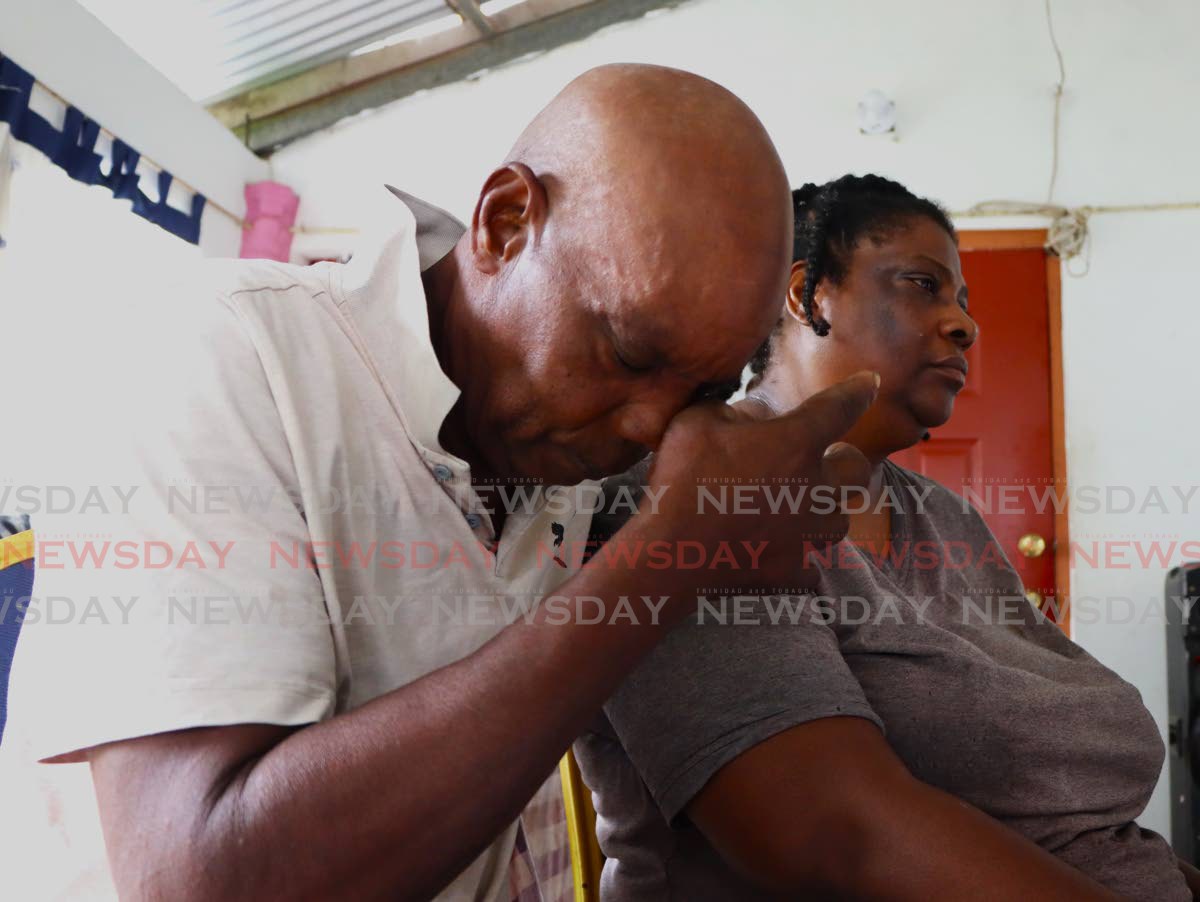
Councillor’s dad: I feared for Romona’s life
In a heart-wrenching incident that has left the community of Siparia in shock, UNC councillor Romona Victor and her common-law husband Rodney Ramsumair were found dead in their home on Sunday. The police have classified the case as a murder-suicide, with Ramsumair allegedly killing Victor before taking his own life. The discovery was made by Victor’s father, Francis Victor, who described the scene as harrowing and deeply traumatic. Francis revealed that he had long feared for his daughter’s safety due to the volatile nature of her relationship with Ramsumair, which had been marked by frequent conflicts and reconciliations. Romona, known for her dedication to her constituents, had a private life fraught with challenges. Autopsies confirmed that she died from blunt force trauma to the neck, while Ramsumair succumbed to poisoning. The tragedy has prompted condolences from political leaders, including Prime Minister Kamla Persad-Bissessar and Opposition Leader Pennelope Beckles. Ramsumair’s father has proposed a joint funeral, though the Victor family has yet to decide on the matter. The incident underscores the devastating consequences of domestic violence and the urgent need for intervention in troubled relationships.
-
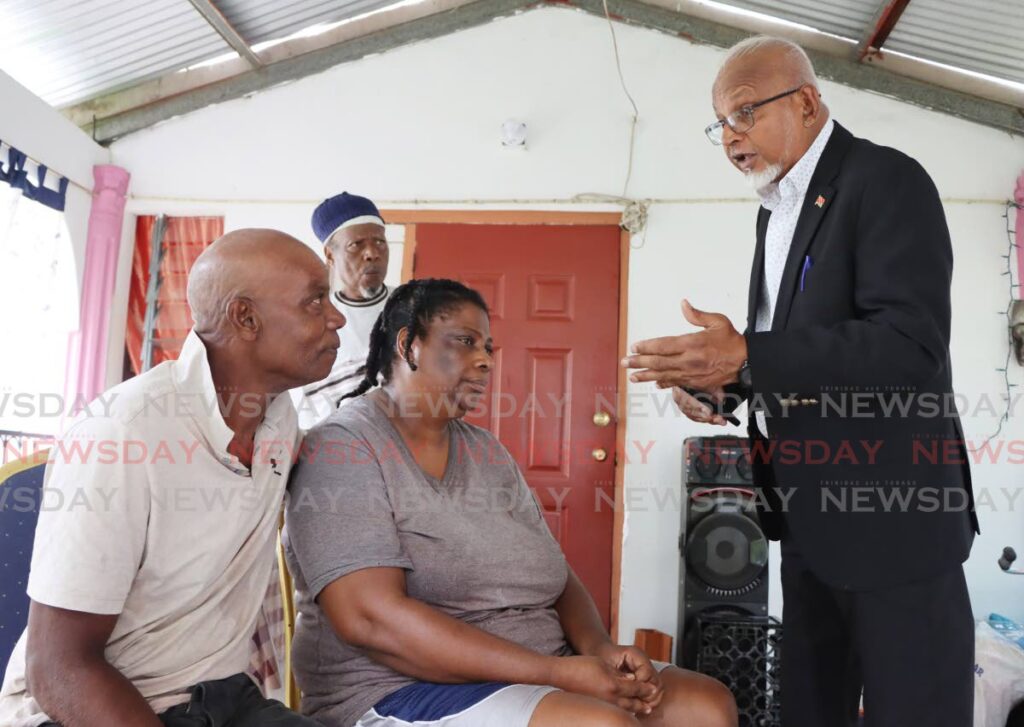
PM, Opposition Leader weigh-in on murder-suicide
The tragic murder-suicide involving UNC councillor Romona Victor and her common-law husband Rodney Ramsumair has sent shockwaves through the community of Siparia, Trinidad and Tobago. The couple, who had a tumultuous 16-year relationship, were found dead in their home on Sunday afternoon. Victor’s father, Francis, discovered the bodies during a visit to deliver vegetables. Victor was found under blankets on the bed, having succumbed to blunt force trauma to the neck, while Ramsumair was found on the floor, having ingested a poisonous substance. The incident has drawn reactions from both Prime Minister Kamla Persad-Bissessar and Opposition Leader Pennelope Beckles, who emphasized the urgent need to address domestic violence and protect women and girls. Persad-Bissessar, also the MP for Siparia, expressed her condolences on Facebook, urging victims of domestic violence to seek help. She praised Victor as a dedicated public servant who served her community with compassion and humility. Beckles, the Arima MP, highlighted the broader societal issue, citing alarming statistics that one in three women faces domestic or gender-based violence. She called for stronger legal measures, better resources for gender-based violence units, and improved police response to such cases. The tragedy coincided with the International Day for the Elimination of Violence Against Women and Girls on November 25, adding to its poignancy. Siparia mayor Doodnath Mayhroo visited the Victor family, offering support and facilities for the funeral. He described Victor as a hard-working councillor and urged women in abusive relationships to seek help and protection. The municipality will appoint an interim caretaker for Victor’s district until a by-election is held.
-
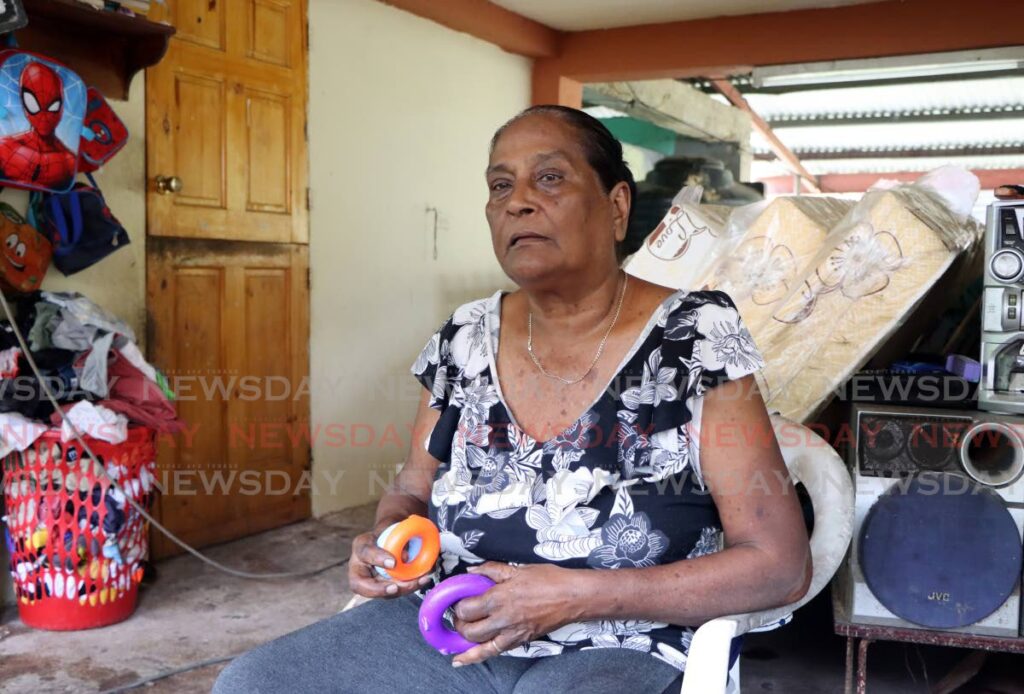
Debe pensioner saves grandson, 5, from fire
A 69-year-old pensioner, Jairam ‘Baba’ Balliramsingh, remains hospitalized with first-degree burns after bravely rescuing his five-year-old grandson from a devastating house fire in Debe. The incident occurred on November 22 at their two-storey concrete home on Ramai Trace, Congo Village. Balliramsingh, who is now in the intensive care unit at San Fernando General Hospital, rushed into the burning living room to save his grandson, Travis Jagroo, who was later discharged after being treated for smoke inhalation. The fire, which broke out around 9 am, destroyed significant household items, including an air-conditioning unit, furniture, and clothing. Balliramsingh’s wife, Rosina, recounted the harrowing experience, praising her husband’s selflessness and the swift response of neighbors who helped extinguish the flames before fire officers arrived. The cause of the fire remains under investigation by PC Seecharan, while the Penal/Debe Regional Corporation’s Disaster Management Unit has provided emergency relief to the family.
-

UNC councillor’s father-in-law: Stop all this speculating
In a heart-wrenching incident that has left a community in shock, UNC councillor Romona Victor and her common-law husband, Rodney Ramsumair, were found dead in their Siparia home on Sunday afternoon. Police are investigating the case as a suspected murder-suicide. The couple, who had been together for 16 years, were discovered in their bedroom, with Victor found in bed and Ramsumair nearby. The tragic event has left both families devastated and searching for answers. Rodney’s father, Boysie Ramsumair, has urged the public to refrain from speculating about the circumstances until the forensic report is released. He emphasized that while the couple had occasional disagreements, there were no signs of the relationship deteriorating to such a tragic end. Boysie described their relationship as strong and supportive, highlighting their shared ambitions and the family’s close bond. He also revealed that Rodney had taken on a fatherly role for Romona’s teenage son from a previous relationship. The elder Ramsumair expressed frustration over the rampant speculation on social media, urging people to consider the trauma the families are enduring. As the investigation continues, the community awaits the autopsy results to shed light on the events leading to this devastating outcome.
-
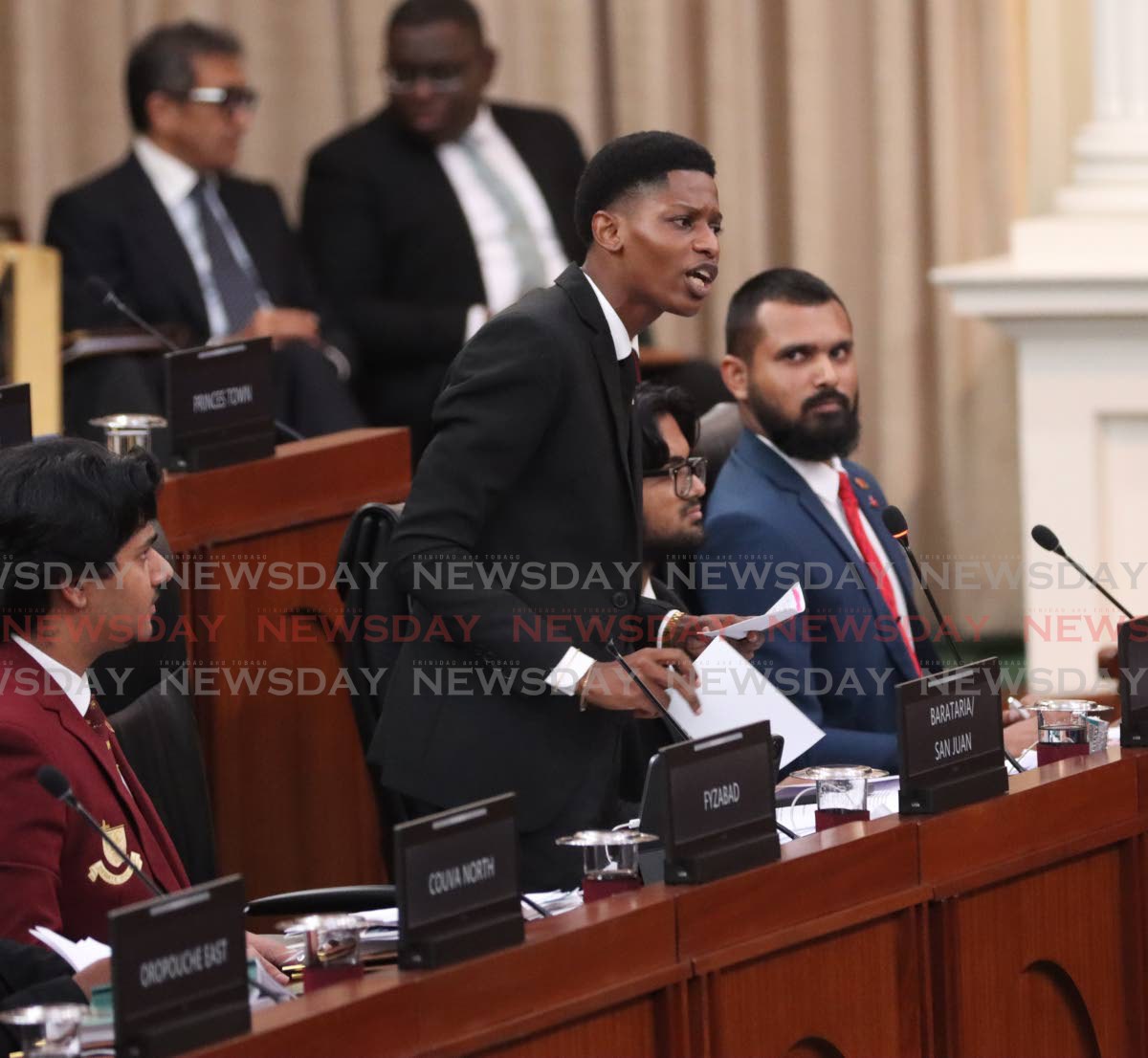
Youth parliamentarians tackle cyberbullying
In a dynamic display of youthful insight and advocacy, 36 participants from secondary schools, youth organizations, and tertiary institutions across Trinidad and Tobago gathered at the Red House on November 24 for the 22nd annual Youth Parliament debate. The focal point of the event was a proposed Cyberbullying bill, which aims to address the escalating issue of online harassment through a structured two-tiered offence system. The bill includes provisions for threats of violence, sexual harm, targeting children, non-consensual sharing of intimate images, and impersonation. Penalties proposed range from mandatory counseling and community service to fines of up to $100,000 and imprisonment for up to five years. Additionally, the bill introduces a takedown provision, empowering law enforcement to seek court orders for the removal of harmful content or its preservation as evidence in legal proceedings. Kachay Marcano, a Polytechnic Institute student and ‘opposition leader’ in the debate, emphasized the urgency of enacting legislation to combat the pervasive impact of cyberbullying, citing the rapid dissemination of harmful content on social media. She highlighted the dehumanizing effects of such actions, urging the government to balance freedom of expression with the right to safety and dignity. Johann George of Milat, representing the opposition, underscored the severe mental health consequences of cyberbullying, referencing alarming statistics from the Journal of the American Medical Association that link cyberbullying victims to a 50% higher likelihood of suicidal thoughts. On the government side, Zyane Bissoon of the Trinidad Youth Council acknowledged the existing framework to combat cybercrime, including the 2011 Data Protection Act and the efforts of the cybercrime unit since 2019. Delano Joefield of the Tobago Youth Council highlighted recent amendments to the Sexual Offences Act and the Offences Against the Person Act, which now criminalize voyeurism and the non-consensual sharing of intimate images. Despite differing perspectives, the debate underscored the need for updated legislation to address the evolving digital landscape. Speaker of the House Jagdeo Singh praised the participants for their leadership and commitment, expressing confidence in the future of Trinidad and Tobago’s democracy.