作者: admin

  • ‘Jamaicans inform for free’, says Chang

    ‘Jamaicans inform for free’, says Chang

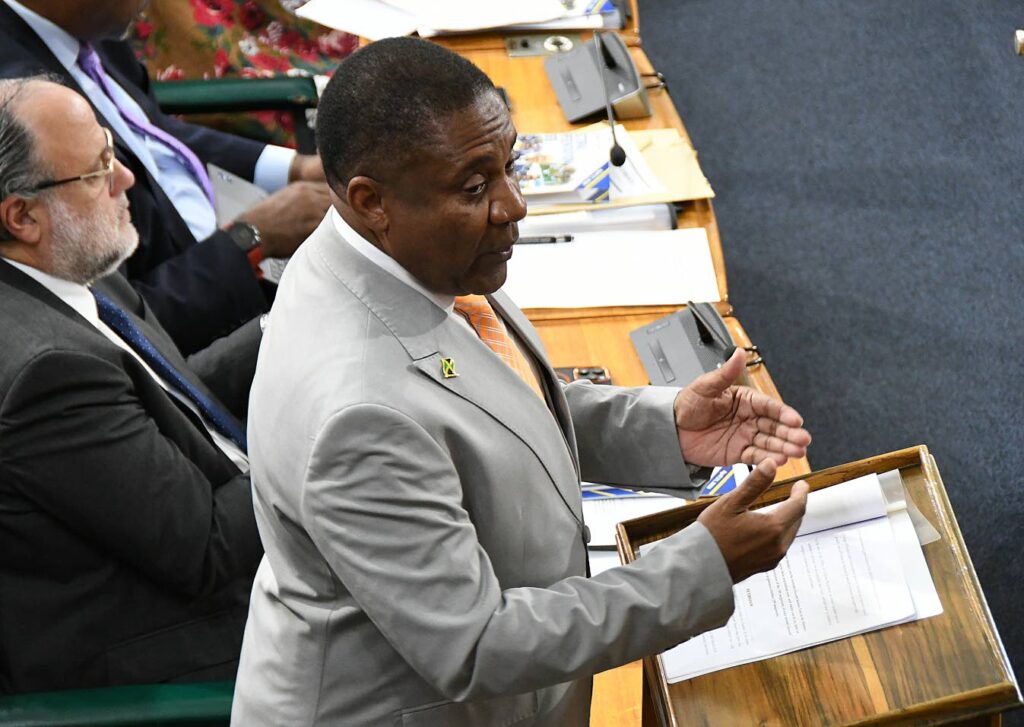
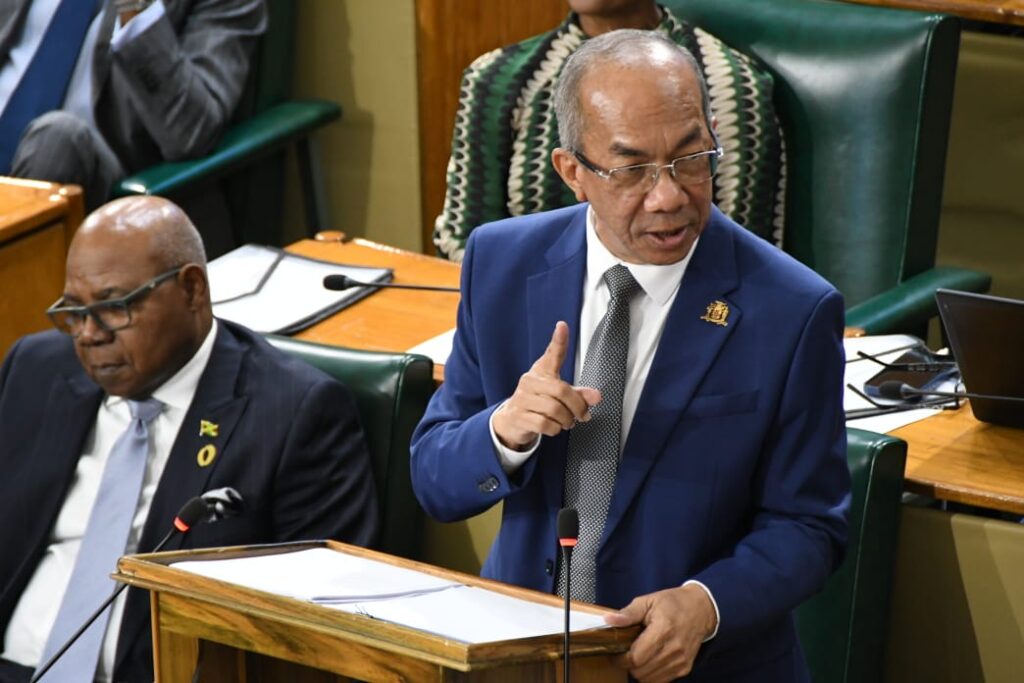
    KINGSTON, Jamaica — Fresh data released by Jamaica’s top security official has upended common assumptions about citizen participation in crime fighting, revealing that a staggering 94% of Jamaicans who share actionable information leading to the arrest and charging of criminal suspects decline any offered financial compensation. The revelation was made public Tuesday by Minister of National Security and Peace Dr. Horace Chang during his opening address for the 2026/27 Sectoral Debate held at Gordon House, Jamaica’s seat of parliamentary governance.

    Chang told assembled legislators that while total payouts to tipsters have surged nearly tenfold over the past 10 years, a trend many might misinterpret as growing dependence on financial incentives to encourage public cooperation, the actual share of tip-seekers who accept payment tells a far more encouraging story. “The data tells a powerful story about the role of our citizens in making Jamaica safer,” Chang emphasized during his address.

    Against widespread expectations that financial rewards would be a primary driver for public engagement, only 6% of Jamaicans who come forward with critical crime-related information actually request and accept payment for their contribution. That leaves 94% of cooperating citizens choosing to act without any financial compensation, a statistic Chang framed as a defining marker of grassroots commitment to public safety across the island.

    “This is not about money,” Chang stressed. “It is about patriotism. It is about trust. It is about citizens taking a stand for their communities.” The minister went on to frame the high rate of uncompensated cooperation as a milestone worth celebrating, noting that the growing partnership between ordinary Jamaicans and law enforcement marks one of the clearest indicators that the country is not only becoming safer, but that safety improvements are being driven by the communities most affected by crime. “This is something we must celebrate. This partnership between citizens and law enforcement is one of the strongest signals that Jamaica is not only becoming safer, but that Jamaicans themselves are leading that change,” he added.
  • YACJ calls for greater parental responsibility amid rising school violence

    YACJ calls for greater parental responsibility amid rising school violence

    KINGSTON, Jamaica — Amid a wave of violent incidents spreading through Jamaica’s national education system and rising public anxiety over shifting student conduct and campus culture, the Youth Advisory Council of Jamaica (YACJ) has publicly highlighted the urgent need for systemic intervention to address the growing crisis.

    In an official press statement, YACJ Chair Rodain Richardson emphasized that problematic student behavior does not emerge spontaneously. Instead, negative conduct patterns develop gradually, shaped by the lessons taught to young people, the norms that communities choose to reinforce, and the behaviors that institutions and families allow to go unaddressed. “If we are truly committed to rooting out school violence, we must dedicate equal effort to rebuilding the foundational value systems that guide young Jamaicans, both in domestic settings and within school walls,” Richardson noted.

    The youth-led advisory body has already developed a set of targeted policy proposals designed to improve student performance and foster healthy long-term behavioral growth. One of its flagship proposals is the Boys’ in Education Policy, which was crafted to tackle the unique structural and social barriers that disproportionately impact male students across the country. At the same time, the YACJ stressed that its approach remains intentionally inclusive and balanced, with built-in support for female students who navigate their own specific societal pressures and unbalanced behavioral expectations.

    Council leaders argue that any long-term, sustainable solution to school violence must center on deeper, more structured parental involvement in student development. The values and social norms children absorb at home directly shape the attitudes they bring to classroom settings, they explained, and ultimately contribute to the challenging conduct that education systems are currently grappling with.

    To address this gap, the YACJ will submit a national Parenting Engagement and Support Framework for government and stakeholder consideration. The framework is designed to strengthen parental accountability, promote evidence-based positive discipline practices, and support the early formation of pro-social values in children from a young age.

    Additionally, the organization backs comprehensive reforms to school-level support systems, calling for expanded investment in structured initiatives that intentionally build character, boost emotional intelligence, and encourage personal accountability for behavior through targeted guidance, long-term mentorship programs, and early intervention frameworks. Richardson clarified that the push for systemic change is not about assigning blame to parents, educators, or students themselves, but rather about ensuring consistent, supportive norms across all the environments that shape young people’s development.

    Moving forward, the YACJ reaffirmed its commitment to collaborating with Jamaica’s Ministry of Education, frontline educators, family groups, and all relevant stakeholders to advance a more proactive, coordinated national approach. The organization’s ultimate goal is to embed stronger values, healthier attitudes, and more positive behavioral norms across the entire education system.

  • Three Jamaican U15 girls secure bronze at DR Youth Championships

    Three Jamaican U15 girls secure bronze at DR Youth Championships

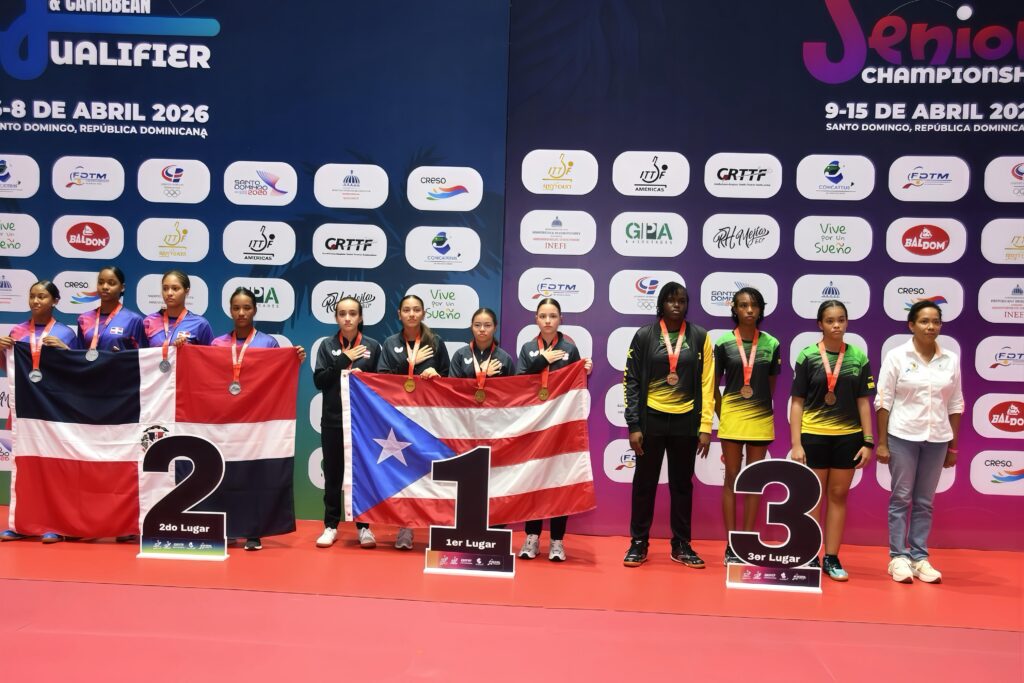
    KINGSTON, Jamaica — In a promising display of growing competitive strength, three young Jamaican table tennis prospects secured bronze medals at the Dominican Republic Youth Table Tennis Championship on April 20, marking a notable milestone in the island nation’s ongoing youth development program for the sport.

    Christina Royes, Kira Scott and Taherra Allison landed on the podium in third place, finishing behind top squads from Puerto Rico and the host Dominican Republic. Throughout the multi-match tournament, the teen athletes showcased measurable improvements in their core competitive skills: they maintained sharper ball control during high-stakes rallies, made smarter tactical decisions under intense pressure, and sustained a far more consistent rhythm across every game they played.

    Leadership figures from the Jamaica Table Tennis Association (JTTA) have lauded the young athletes’ performance, framing the result as a clear indicator of long-term, steady progress within the association’s development pipeline. Aubyn Henry, JTTA’s chief development and strategy officer, emphasized that the medals reflect far more than a single competition win—they signal key growth in the players’ overall understanding of the sport.

    “Allison, Royes, and Scott have shown real, tangible progress over recent months,” Henry noted. “This result comes from them beginning to understand matches better, and applying their training in a more complete, cohesive way when they step onto the court. It’s a strong step forward for all three young competitors.”

    JTTA President Ingrid Graham underlined the transformative impact of international competition for emerging young athletes, pointing out that cross-regional tournaments provide invaluable experience that cannot be replicated in domestic training or local matches. “This result reflects the steady development we’re building within our national youth programme,” Graham explained. “The experience gained competing at this international level is critical for their continued growth as elite competitors.”

    General Secretary Sean Wallace connected the team’s bronze medal achievement to the upcoming global celebration of the sport, noting that the win arrives just three days ahead of World Table Tennis Day on April 23. “As we approach World Table Tennis Day, this bronze medal earned in the Dominican Republic reflects the steady progress taking place across every level of the JTTA,” Wallace said.

    Now, all attention within Jamaica’s table tennis community is shifting to the April 23 World Table Tennis Day celebrations. The young athletes’ regional podium finish stands as a powerful reminder of how targeted development and consistent dedication can elevate Jamaica’s emerging young talent on the regional competitive stage, laying the groundwork for future success at higher levels of international play.

  • Paulwell demands answers on Petrojam price cap

    Paulwell demands answers on Petrojam price cap

    KINGSTON, Jamaica — In a pointed address during the 2026/27 Sectoral Debate in Jamaica’s House of Representatives on Tuesday, opposition energy spokesperson Phillip Paulwell has publicly challenged the ruling government to deliver clear, time-bound details about the fuel price cap imposed on state-owned oil refinery Petrojam, a policy Paulwell argues has accelerated the facility’s financial decline and fostered unaccountable government interference.

    Paulwell, drawing attention to the refinery’s once-solid track record of consistent annual profits, noted that Petrojam is now staring down its third straight year of steep financial contraction, a downturn that has coincided with the implementation of the controversial price cap. Energy Minister Daryl Vaz first confirmed the policy’s existence in an April 14 post-Cabinet media briefing, where he disclosed that a $4.50 per unit cap has been placed on fuel sold by Petrojam. The measure was introduced to shield Jamaican consumers from the full brunt of global oil price spikes triggered by heightened Middle East conflict that broke out on February 28, preventing the entire cost increase from being passed on to everyday motorists and households.

    However, Vaz has already acknowledged that the cap is financially unsustainable. He warned that if the policy remains in place through the end of June, Petrojam will accumulate a staggering $11.8 billion in losses. For Paulwell, the sudden disclosure of the cap after years of declining profits raises urgent unanswered questions: When exactly was the price cap formally implemented? How does the policy align with the previously transparent weekly petroleum pricing framework that once governed the sector?

    The opposition spokesperson argued that arbitrary tampering with Petrojam’s pricing mechanism has deepened public distrust over disproportionate government meddling in the state-owned refinery’s core operations. Rather than forcing the facility to absorb unplanned cost hikes to protect consumers, Paulwell said the government should instead adjust its tax rates on fuel — a policy change that would relieve consumer pressure without putting Petrojam’s long-term solvency at risk.

    Paulwell also pushed for full parliamentary disclosure of Petrojam’s current operational standing, demanding Minister Vaz present a detailed, credible, costed strategy to return the 40-year-old refinery to sustained profitability. The facility, which has already lost billions of dollars over the past three financial years, relies on outdated technology that drags down operational efficiency and pushes up running costs. Paulwell emphasized that the previous administration had already mapped out a clear path forward, including a targeted expansion and modernization program that has since been sidelined. He rejected calls for new consultant-led assessments of alternative operating models, arguing that solutions have already been identified.

    Without full transparency and a clear recovery plan, Paulwell warned, Jamaican taxpayers will continue to be on the hook for mounting losses at a failing enterprise with no clear path to recovery. He compared the current approach of forcing Petrojam to operate under the unsustainable price cap to “carrying water in a basket” — a futile exercise that will only deliver years of continued red ink and public financial burden.

  • CARICOM marks 10th Girls in ICT Day with focus on empowering young women in tech

    CARICOM marks 10th Girls in ICT Day with focus on empowering young women in tech

    As the 10th annual International Girls in ICT Day approaches on April 23, 2026, the CARICOM Girls in ICT Partnership is finalizing preparations for a full slate of cross-regional activities designed to expand opportunity for young women in the digital space.

    Founded to address persistent gender imbalances in the tech sector, International Girls in ICT Day is observed globally every year, with a core mission of encouraging more girls and young women to pursue academic pathways and professional careers in information and communication technology – an industry that has become the backbone of modern work, global communication, and international commerce.

    This year’s regional celebration, coordinated by the CARICOM Secretariat, centers on the unifying theme: “Empower, Educate, Elevate: Building a Future-Ready CARICOM with Girls in ICT.” The official opening ceremony is scheduled to kick off at 10 a.m. Atlantic Standard Time, with featured addresses from key stakeholders including CARICOM Secretary-General Carla Barnett, youth representative Shakiah Lewis, and International Telecommunication Union representative Cosmas Luckyson Zavazava.

    Event organizers project robust participation from across the 15-nation bloc, bringing together a diverse cross-section of attendees: secondary and post-secondary students, K-12 and college educators, leading tech industry professionals, regional and international development partners, and community organizers. The gathering is intentionally structured to create open forums for authentic dialogue, exchange of lived experiences, and co-creation of actionable strategies to narrow and ultimately close the gender gap in technology and digital-focused careers.

    All day on April 23, a full schedule of virtual programming will be streamed live to global audiences via CARICOM’s official digital channels and the Restore A Sense of I Can (RSC) platform, making the event accessible to participants who cannot attend in person. The lineup of sessions includes a “Youth Spotlight: Next Gen Leaders Speak” panel featuring young women already working in Caribbean tech, a moderated discussion on “Achieving Gender Parity in the Age of AI,” hands-on interactive coding workshops for beginners, and open roundtables that unpack the ongoing systemic and cultural barriers girls and women face when entering and advancing in the ICT sector.

    As the Caribbean Community advances its ambitious regional digital transformation agenda, event organizers emphasized that inclusive initiatives like Girls in ICT Day are critical to ensuring that marginalized groups are not excluded from the benefits of the digital transition. By equipping young women with the confidence and technical skills to thrive in tech roles, the region as a whole strengthens its competitive position in an increasingly digital global economy.

    The CARICOM Girls in ICT Partnership is a multi-stakeholder coalition that brings together representatives from national government ministries, CARICOM’s core institutional bodies and their affiliated partners, international development agencies, youth-led organizations, women’s advocacy groups, and established ICT-focused nonprofits and programs.

    Any individual interested in joining this year’s celebration can register for the event by scanning the QR code included on the official event promotional flyer.

  • Voter ID Replacements Surge Past 30,000 as Election Nears

    Voter ID Replacements Surge Past 30,000 as Election Nears

    As the clock counts down to Antigua and Barbuda’s upcoming April 30 general election, official data from the Antigua and Barbuda Electoral Commission (ABEC) confirms that replacement requests for voter identification cards have surged past the 30,000 threshold, bringing most electoral districts close to full compliance with pre-election voter registration requirements.

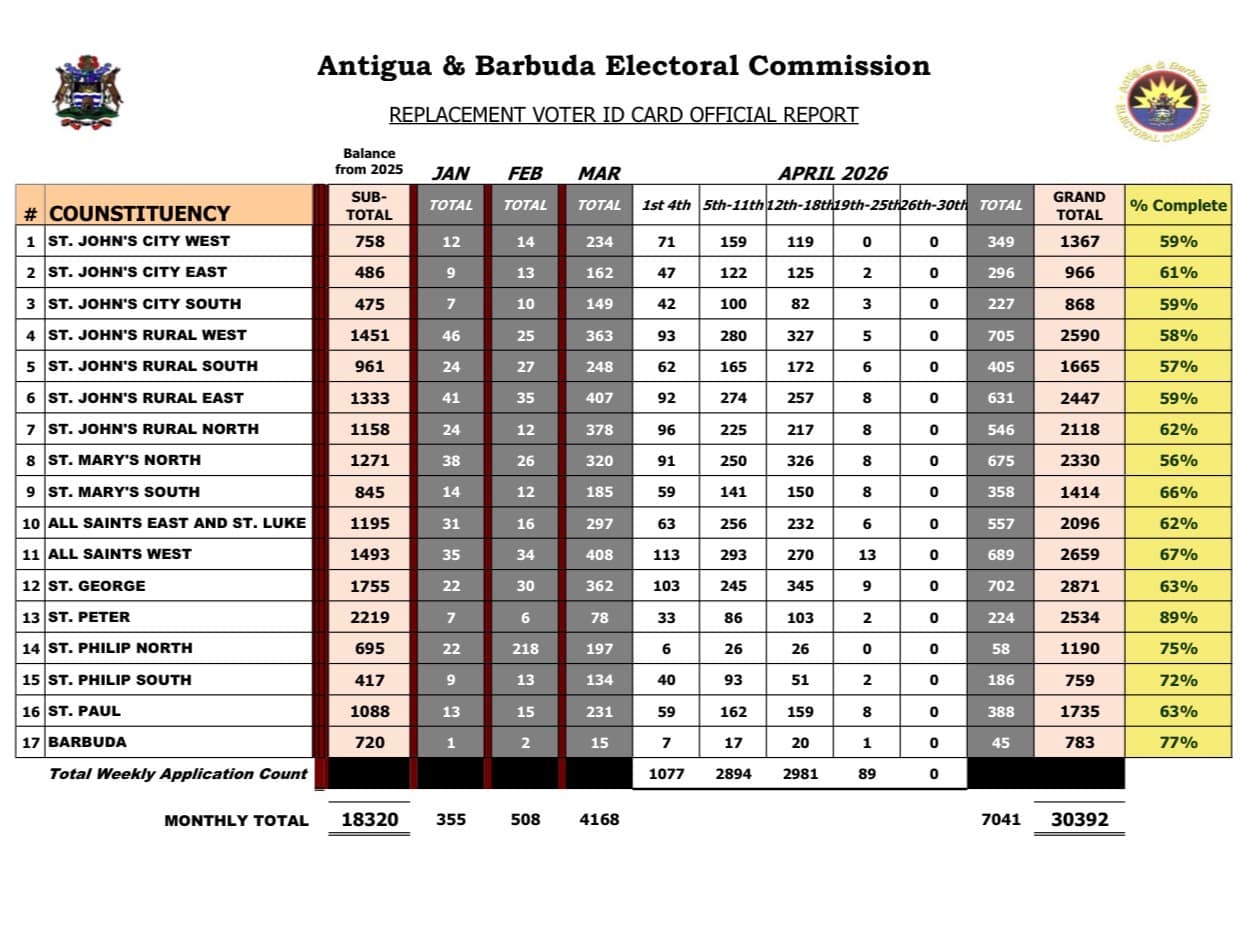
    The commission’s official *Replacement Voter ID Card Report* documents that a total of 30,392 replacement applications had been processed by the end of April 2026, a figure that highlights a dramatic acceleration in voter activity over the past month. Activity began at a measured pace at the start of the year, with just 355 applications submitted in January and 508 in February. The first major uptick came in March, when applications jumped to 4,168, and momentum has only grown as polling day approaches.

    April has emerged as the busiest month for the replacement drive by far, with 7,041 applications processed in the month to date. The highest demand was recorded in the middle of April: between April 5 and 11, the commission handled 2,894 requests, and the following week (April 12 to 18) saw an even higher 2,981 applications, making these two weeks the most active period of the entire pre-election replacement campaign.

    When broken down by constituency, progress varies across the country but every district has already crossed the 50% completion mark. The rural constituency of St. Peter leads all districts with an 89% completion rate, followed by the island of Barbuda at 77% and St. Philip North at 75%. Other constituencies including All Saints West (67%), St. Mary’s South (66%), and St. George (63%) have also posted solid participation rates. The slowest progress has been recorded in more densely populated urban constituencies around the capital St. John’s: St. John’s Rural South stands at 57% completion, while St. John’s Rural West is at 58%.

    For weeks, ABEC has run a public outreach campaign urging all eligible voters to replace or update their existing voter ID cards ahead of polling day, a step the commission says is critical to preventing delays and ensuring voting runs smoothly on election day. With the April 30 vote just days away, the latest data shows a sustained nationwide push by voters to complete the ID process ahead of the general election.

  • Saint Lucia qualify for Pan Am Table Tennis

    Saint Lucia qualify for Pan Am Table Tennis

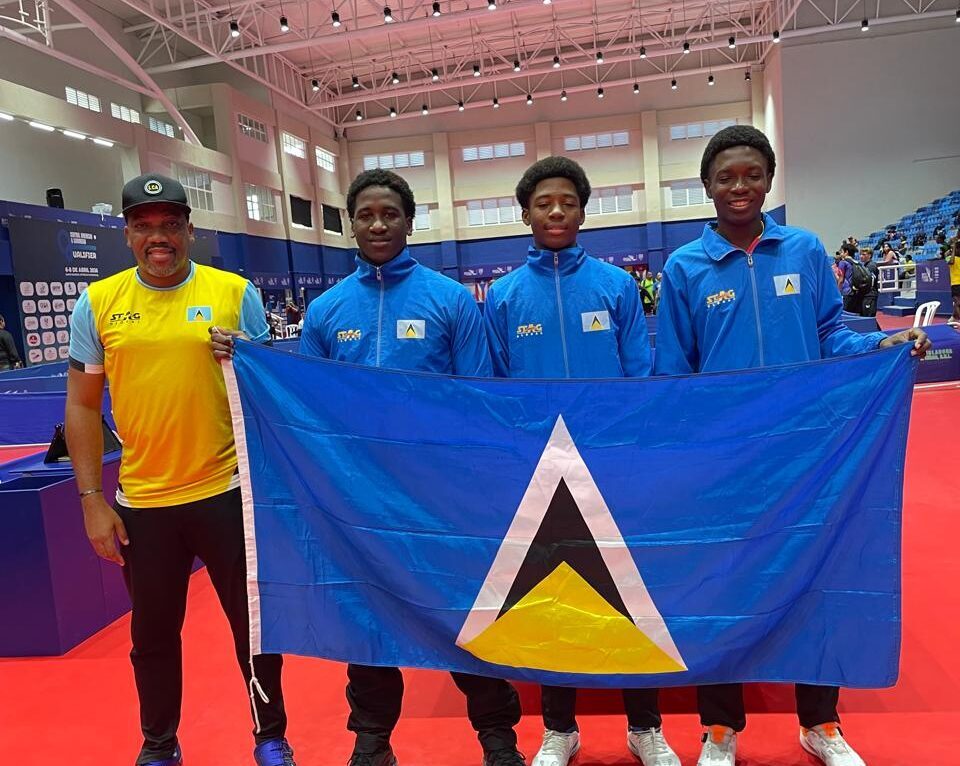
    Over the weekend, the Caribbean leg of the ITTF Americas Youth Championships wrapped up its under-19 boys’ team competition in Santo Domingo, with three young table tennis players from Saint Lucia producing a remarkable underdog performance to claim third place overall and punch their ticket to the continental finals slated for Guatemala this August.

    Held at the capital’s Parque del Este Table Tennis Hall, the regional qualifier drew six competing nations, split into two preliminary groups of three. For Saint Lucia’s trio of Manie Eleuthere, Leshon Francis, and Kamari Harris — all top finishers from the country’s national Secondary School Championships, hailing from Castries Comprehensive Secondary School, Ciceron Secondary, and St Mary’s College respectively — a top-two finish in Group 1 was required to advance to the semifinal round and lock in qualification for the August 23-30 continental tournament.

    Saint Lucia’s campaign got off to a tough start, suffering a tight 3-0 opening defeat to higher-ranked Puerto Rico. Both Francis and Eleuthere pushed their Puerto Rican opponents Cuadro and Ayala to the brink in close contests, with Cuadro edging Francis in a decisive fifth set 14-12, while Harris also dropped his match against Ayala, leaving Saint Lucia winless heading into their do-or-die preliminary matchup with Jamaica.

    The young Saint Lucian side rallied spectacularly against Jamaica, pulling off a tense 3-2 victory to secure their knockout stage berth. Francis opened the tie with a dominant 3-0 sweep of Jayden Ebanks, claiming each set by comfortable margins, before Eleuthere defeated the Jamaica-based overseas competitor Joel Lamm in four sets to put Saint Lucia up 2-0. Jamaica fought back: Gmarco Smith downed Harris in four sets, then Lamm blanked Francis 3-0 to level the overall tie at 2-2, setting up a decisive winner-takes-all match between Eleuthere and Ebanks.

    With a vocal pro-Jamaica crowd looking on, Ebanks took the opening set 11-8. Eleuthere, however, stayed calm and reeled off three consecutive set wins to seal the victory, securing second place in Group 1 for Saint Lucia and booking his country’s place at the continental championships later this year.

    In the semifinal round, the unseeded Saint Lucian side fell to host nation the Dominican Republic in a 3-0 defeat, leaving them tied for third place overall with Group 2 runners-up Trinidad & Tobago. Eleuthere dropped his contest against Rafael Cabrera 3-0, while Francis fell 3-1 to Ramon Vila, and Harris suffered a 3-1 loss to Alexander Tejada. Even with the semifinal defeat, the team’s third-place finish marks a successful regional run, and qualifying for the continental finals represents a major milestone for youth table tennis in Saint Lucia.

    This week, the ITTF Americas Caribbean Youth Championships continue in Santo Domingo, with men’s singles and women’s team competition kicking off for young athletes across the region.

  • BVI and ECLAC leaders urge faster action on Sustainable Development Goals at regional forum

    BVI and ECLAC leaders urge faster action on Sustainable Development Goals at regional forum

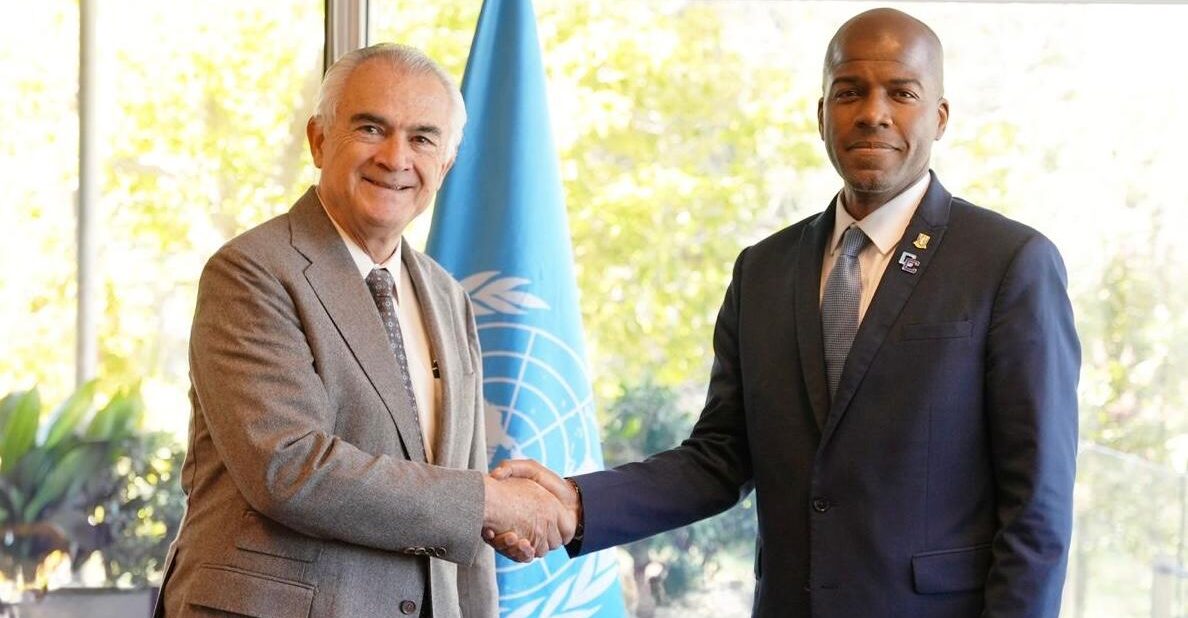
    Against the backdrop of the recently concluded 9th Meeting of the Forum of the Countries of Latin America and the Caribbean on Sustainable Development in Santiago, Chile, senior representatives from the United Nations Economic Commission for Latin America and the Caribbean (ECLAC) and the British Virgin Islands (BVI) held a critical bilateral discussion focused on accelerating sustainable development across the region. The meeting brought together Benito Wheatley, BVI Special Envoy and Vice Chair of ECLAC’s 40th Session, and ECLAC Executive Secretary José Manuel Salazar-Xirinachs, as part of ECLAC’s ongoing cross-regional engagement work.

    According to an official press statement released by the BVI government, both leaders converged on a shared urgent message: global progress toward the UN Sustainable Development Goals (SDGs) in the region is severely off track, with just 19% of targets currently implemented. With only four years remaining until the 2030 deadline for full SDG adoption, the pair emphasized that immediate, coordinated action is required to close the existing gap.

    Wheatley opened the discussion by commending ECLAC and Salazar-Xirinachs for the body’s consistent, targeted focus on addressing persistent regional development gaps and rolling out inclusive productive development strategies. He noted that when these frameworks are adopted and adapted by national governments across Latin America and the Caribbean, they can unlock transformative, tangible economic and social progress that benefits marginalized and vulnerable communities across the region.

    The BVI envoy also went on to stress the growing importance of expanding technical cooperation across the Latin America and Caribbean region, particularly in three high-priority areas: climate and disaster resilience, cross-border investment, and accessible technology transfer. He highlighted that most regional economies are operating with extremely constrained fiscal space, driven primarily by heavy national debt loads and repeated emergency spending required to respond to unforeseen external shocks. In this context, targeted investment has become one of the most critical tools for sustaining long-term, inclusive growth across the subregion, he added.

    Responding to Wheatley’s remarks, Salazar-Xirinachs reaffirmed ECLAC’s longstanding commitment to supporting sustainable development efforts in the BVI and all Caribbean Small Island Developing States (SIDS). He pushed back against the narrative that middle-income classification – a category that includes most Caribbean nations – eliminates the need for continued international support. For SIDS, which face outsized vulnerability to climate disasters and global economic volatility, sustained international assistance remains non-negotiable for advancing the SDGs, he noted.

    Salazar-Xirinachs also recognized the BVI’s active leadership role during the recent Forum meeting. In his capacity as Vice Chair of the Caribbean Development and Cooperation Committee, Wheatley led a dedicated Caribbean-focused panel exploring the implementation of the Antigua and Barbuda Agenda for SIDS through expanded South-South cooperation.

    Closing the discussion, Wheatley reaffirmed the BVI’s unwavering commitment to both regional collaboration and the global sustainable development agenda. “Through our various leadership roles within UN ECLAC, the British Virgin Islands will continue to advocate for the Caribbean to ensure the subregion’s priorities, including climate resilience, are taken into account in the inter-governmental deliberations of the wider region on the 2030 Agenda, and that there is closer collaboration between the Caribbean and Latin America on the implementation of the SDGs in the remaining period,” he stated.

    The 9th Forum of the Countries of Latin America and the Caribbean on Sustainable Development was hosted in the Chilean capital from April 13 to 16, 2026, bringing together hundreds of government officials, UN representatives, and civil society stakeholders to align on sustainable development action.

  • Gros Islet Police Divisional Headquarters opens

    Gros Islet Police Divisional Headquarters opens

    A milestone in public safety infrastructure for Saint Lucia was reached on Monday, April 20, when the $35 million Gros Islet Police Divisional Headquarters officially opened its doors to the public. Commissioned earlier this year by Prime Minister Philip J. Pierre on February 19, the modern facility sits on a sprawling 2.6-acre plot of land purpose-built for law enforcement operations.

    Following the inauguration of the new headquarters, the Royal Saint Lucia Police Force announced a coordinated restructuring of policing operations across the northern district, with services now distributed across two key sites: the existing Rodney Bay Police Station and the newly completed Gros Islet facility. All policing units that previously operated out of the temporary Gros Islet Human Resource Centre location have completed their relocation to the purpose-built headquarters.

    As part of the organizational shakeup, the Rodney Bay Police Station has been reassigned to the island’s Rangers Unit, a specialized law enforcement team tasked with safeguarding Saint Lucia’s popular coastal beaches, protected national parks, and historic heritage monuments. The restructuring does not remove regular police presence from the site, however: Gros Islet District officers will continue to maintain a joint operational footprint at Rodney Bay alongside the Rangers Unit.

    The new headquarters was developed to address a pressing need for expanded and upgraded security capacity in the northern region of Saint Lucia, an area that has seen explosive growth in residential development, commercial activity, and tourism over the past 10 years. Beyond basic office space, the multi-purpose facility comes equipped with a full suite of law enforcement amenities, including on-site police barracks for officers, a secure detention holding area, a regulated armoury, an on-site gym, and dedicated office spaces for specialized units ranging from criminal investigations to traffic enforcement and special support services.

  • CRICKET WEST INDIES: Kevin Wickham- Honouring his father through his performances on the field

    CRICKET WEST INDIES: Kevin Wickham- Honouring his father through his performances on the field

    For 23-year-old Barbados Pride batsman Kevin Wickham, every stride across the cricket pitch is more than just a routine movement—it is a living tribute to the man who shaped his love for the game, his late father Herbert. Two years after Herbert’s passing, every perfectly timed stroke through the offside and every desperate dive at the boundary is stitched with quiet memory, as Wickham has channeled his grief into purpose, stepping onto the field not just as an athlete, but as a son carrying forward his father’s legacy.

    Just over a week ago, Wickham cemented his place in West Indies regional cricket history by becoming only the third Barbadian to score centuries in both innings of a first-class regional match since 2000, joining elite company with current West Indies captain Kraigg Brathwaite (who achieved the feat against Guyana in 2015) and former all-rounder Ryan Hinds (who did so against the Leeward Islands in 2006). Facing Jamaica Scorpions’ bowling attack, the stylish right-hander delivered a dominant first-innings knock of 153, decorated with six fours and 12 towering sixes, before following up with an unbroken sparkling 108 in the second innings—marking a career-defining performance that followed a prolonged period of personal and professional struggle.

    In a post-match reflection, Wickham opened up about the hardest stretch of his young career, which came immediately after his father’s death. He was in Jamaica when he received news of Herbert’s declining health, and rushed home to be with his family. After returning to the pitch following the funeral, he struggled enormously with his form, as the loss hit him far harder mentally than it ever could physically. “The guys showed me a lot of support because it was more mental than physical, and having their support kept me above ground and helped me maintain high standards and be where I am supposed to be,” he explained.

    Herbert, Wickham recalled, was his earliest and most loyal supporter, following a quiet, old-school routine: he never attended matches in person, but never missed one, tuning in to radio broadcasts to track every run his son scored. “Every time I came home, he could tell me how much I scored, what I should and shouldn’t have done,” Wickham said. “To this day I miss him because I miss having those conversations, and when I’m not doing too well, I try to think back to his advice.” That steady guidance is what carried him through his recent record-breaking knock.

    Both centuries came when his team was in a precarious position, and Wickham stuck to the same mindset his father taught him: protect the wicket, build the innings, and put the team in a strong position. “The first innings century was very special to me because that is now my highest first class score, so that is a very good achievement because I came at the stage where the team was in a bit of trouble, so my aim was to stay at the crease for as long as possible and get a good total for the team,” he said. “The second one I found myself in a similar position where the team was in a bit of trouble, but the mindset was the same: get the team in a good position.”

    Wickham first emerged as one of the Caribbean’s most promising young talents after a standout century against Zimbabwe at the 2022 Under-19 World Cup, but the transition from youth cricket to senior first-class cricket has not been without its challenges. “This phase has been different, a lot tougher in terms of expectations after coming out of Under-19 cricket because I had a few low scores, but coach always told me just to stick to my plans and when the runs are coming stay in decent touch as long as possible because in cricket a player will have more failures than success,” he noted.

    Looking ahead, Wickham has set a clear personal target of scoring three centuries in the ongoing bilateral series, with two already under his belt. To date, he has notched five first-class centuries in just 22 matches, holding a batting average above 40—impressive numbers that mark him as one of the region’s most exciting emerging prospects. For Wickham, though, every run is more than just a statistic: it is a chance to honor the man who started it all, who he knows is still walking alongside him, cheering every knock from beyond the boundary.