作者: admin

  • Young Leaders Must Help Shape Future, Says St. John’s Rural West Candidate Michael Joseph

    Young Leaders Must Help Shape Future, Says St. John’s Rural West Candidate Michael Joseph

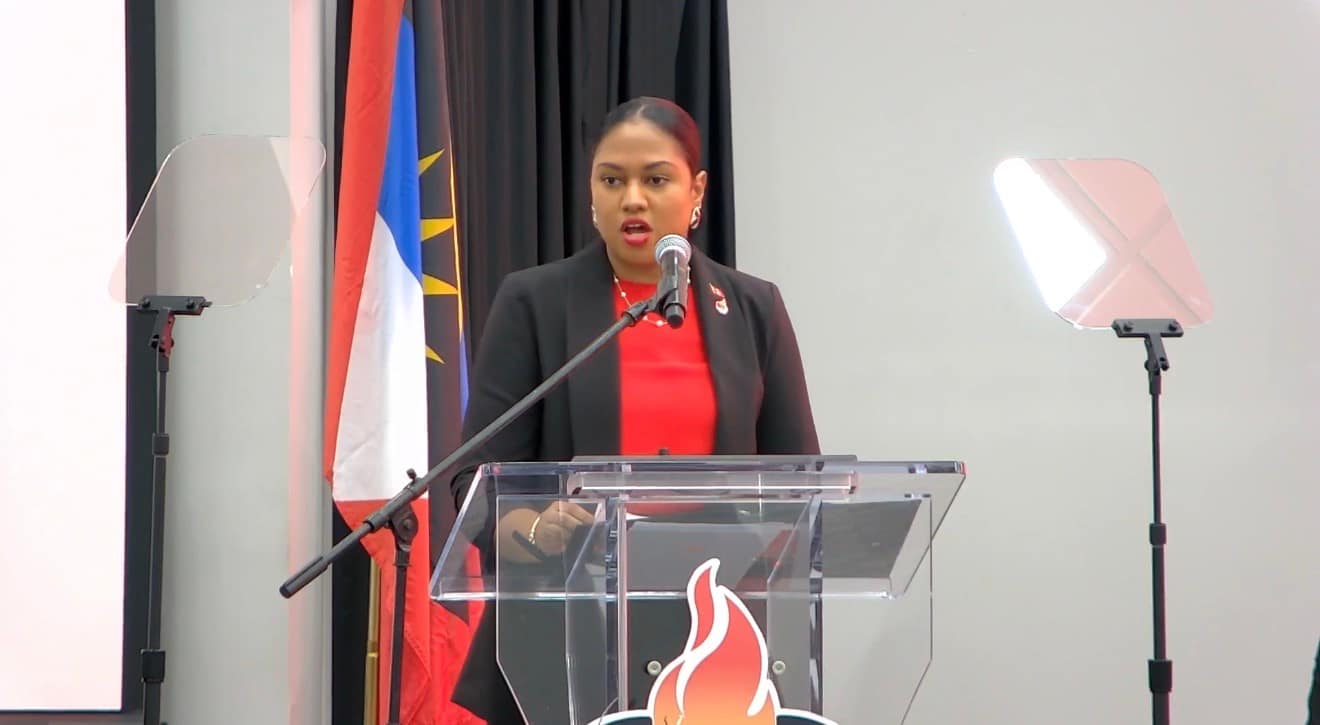
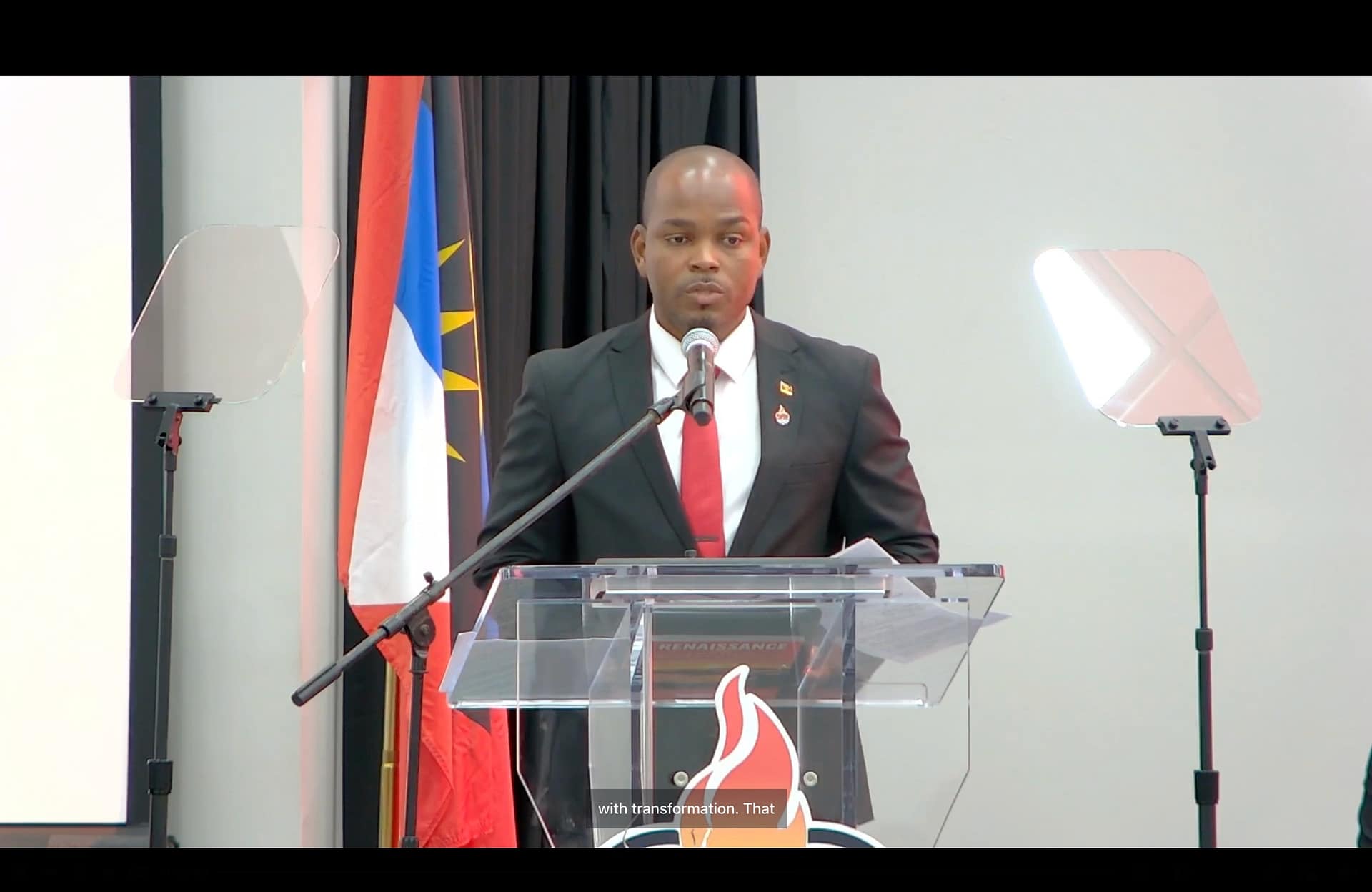
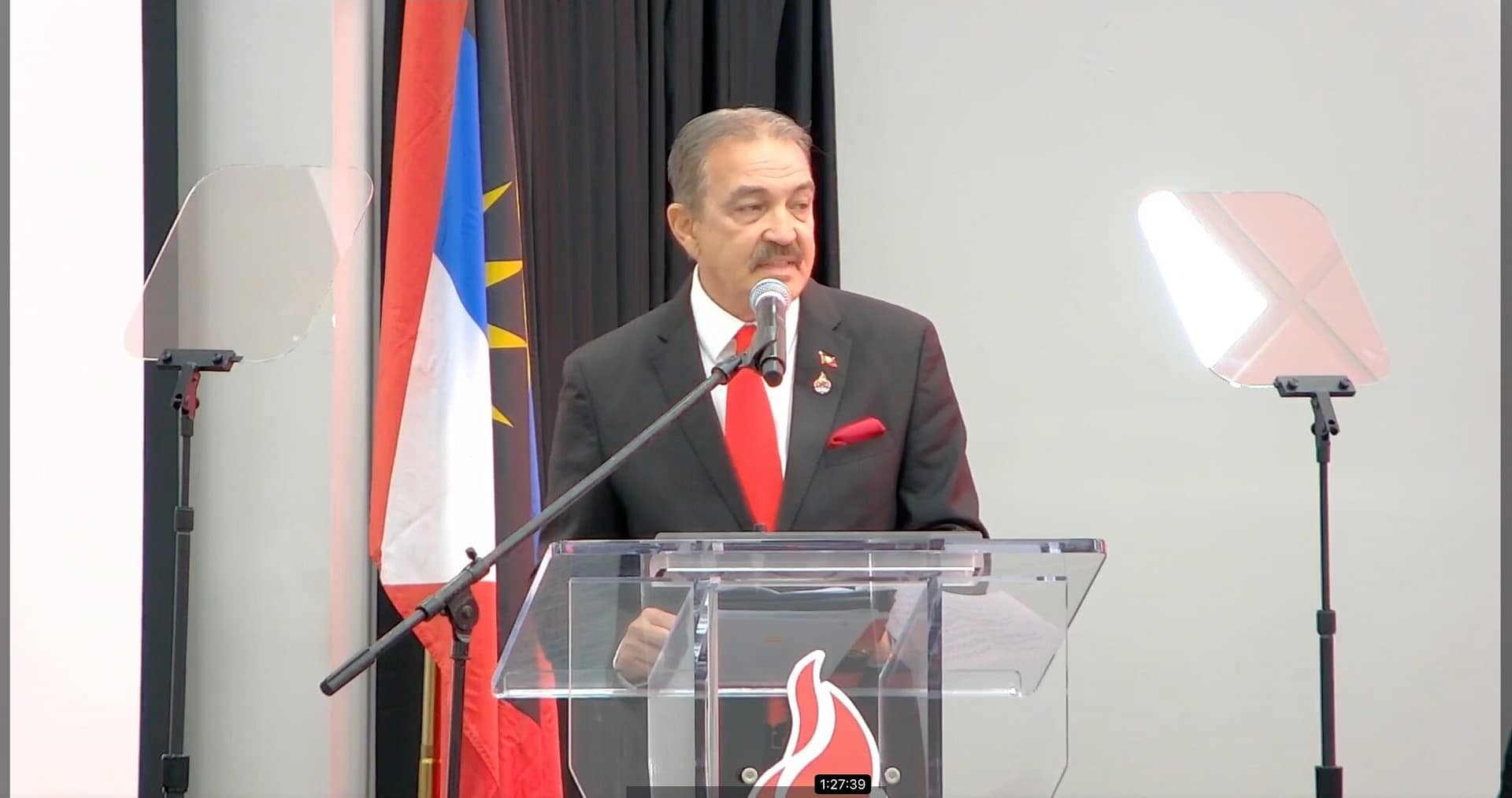
    At the official launch of the Antigua and Barbuda Labour Party (ABLP)’s flagship “Renaissance” policy manifesto, held at the American University of Antigua Conference Centre, St. John’s Rural West candidate and sitting Minister of State in the Ministry of Health, Wellness and the Environment Michael Joseph delivered a keynote address centered on three core pillars of the administration’s agenda: intergenerational governance renewal, transformative healthcare reform, and urgent climate action.

    Opening his remarks to a crowd of party supporters, Joseph pushed back against implicit questions over his appointment to public office as a young leader, framing his inclusion in the cabinet as a deliberate, values-driven choice by the ABLP administration. “Why Michael Joseph? Why a young minister? The answer is simple — because our government understands something fundamental: the future cannot be built without the youth of this nation at the table,” he stated. Positioning his tenure as an example of the party’s commitment to balanced leadership, Joseph noted that the ABLP’s approach intentionally blends decades of institutional experience with fresh perspectives and innovative thinking from emerging generations. “We believe in leadership that reflects the people… leadership that combines experience with innovation and tradition with transformation,” he explained. “I stand here as part of a generation that is not waiting for change — we are participating in it.”

    Turning to his portfolio priorities, Joseph outlined a fundamental shift in the island nation’s healthcare strategy, moving beyond a system focused solely on treating existing illness to one that prioritizes preventive care, universal access, and systemic resilience. The administration, he said, is actively strengthening primary care infrastructure to eliminate gaps in access that leave rural and low-income residents behind. “In health, we are not simply managing illness — we are transforming it,” Joseph said. “We are strengthening primary healthcare so that no citizen is left behind because of geography or circumstance.”

    He added that ongoing upgrades to hospital and clinic services are designed to equip the system to handle both routine patient needs and unexpected public health crises, while expanding focus on long-unaddressed priorities including non-communicable disease management and mental health support. Rejecting the framing of healthcare as a limited privilege, Joseph emphasized that the ABLP enshrines universal access to care as a non-negotiable fundamental right for all Antigua and Barbuda citizens. “A healthy nation is not built on hospitals alone. It is built in our homes, in our schools and in our communities,” he said. “This government believes that healthcare is not a privilege for a few, but a right for every citizen.”

    Addressing environmental policy, Joseph framed climate change as an immediate, lived reality for the small island nation, rather than an abstract debate. Antigua and Barbuda already faces growing threats from rising sea levels, shifting rainfall patterns, and increased frequency of extreme weather events that disproportionately endanger low-lying coastal communities. Unlike many global powers that delay action, Joseph said, the ABLP administration has moved forward with a practical, action-oriented climate agenda focused on boosting national climate resilience, protecting the island’s critical marine ecosystems — a core pillar of its tourism and fishing economies — and upgrading national waste management infrastructure. “We do not debate whether climate change is real. We live its reality,” he said. “We are building not just infrastructure, but resilient infrastructure… not just policies, but sustainable progress.” Even as a small island developing state, Joseph emphasized, Antigua and Barbuda is not waiting for global powers to act: the nation is taking proactive steps to cut its own emissions and build resilience, and is leading by example in regional climate advocacy. “We are not waiting on the world — we are doing our part and we are leading where we can,” he said.

    Wrapping up his address, Joseph tied these three policy priorities — youth empowerment, healthcare transformation, and climate action — together into the ABLP’s overarching “Renaissance” vision for sustained national progress. He argued that the three pillars are interconnected: investing in public health reflects a commitment to valuing every citizen’s life, protecting the environment demonstrates responsibility to coming generations, and elevating young leaders ensures long-term continuity, stability, and adaptive renewal for the nation. Joseph urged party supporters to take pride in the progress the country has made under the ABLP, while remaining focused on the work ahead to deliver shared prosperity. Positioning the newly launched manifesto as a clear roadmap for the next term of government, Joseph called on all citizens to move beyond passive observation and play an active role in building the nation’s future. “Do not underestimate what a united people, guided by purpose and driven by vision, can achieve,” he said. “Dreams are not fulfilled by spectators — they are fulfilled by believers, by builders, by those willing to serve. The path forward leads to a new era of progress and prosperity for all Antigua and Barbuda.”

  • U.S. Military Seizes Iranian Ship

    U.S. Military Seizes Iranian Ship

    On a Sunday morning in the Gulf of Oman, a tense six-hour standoff between U.S. naval forces and the crew of an Iranian cargo ship ended with the vessel being seized by U.S. Marines after Navy gunfire disabled its propulsion system, according to statements from U.S. military and political leaders. The incident, which unfolded on April 20, 2026, has already drawn fierce condemnation from Iran, which has pledged immediate retaliation and accused the United States of violating an existing ceasefire and committing open piracy in one of the world’s busiest commercial waterways.

    The operation was carried out by the guided-missile destroyer USS Spruance, operating under the command of U.S. Central Command (CENTCOM). Per CENTCOM’s official account of the incident, the Touska – the 500-foot cargo vessel targeted in the raid – repeatedly ignored multiple radio and visual warnings over six hours to turn back from a U.S.-imposed naval blockade on commercial traffic bound for Iranian ports. After the vessel continued its course toward Iranian territorial waters, military commanders ordered the Touska’s crew to evacuate the engine room before Navy personnel fired several warning rounds into the ship’s engine compartment, disabling all propulsion and steering capabilities. Once the vessel was dead in the water, a team of U.S. Marines boarded the ship and took full control of the vessel and its crew without further resistance.

    Shortly after the seizure was completed, former U.S. President Donald Trump confirmed the operation in a post on his Truth Social platform, framing the action as a decisive enforcement of U.S. sanctions policy. “The Navy stopped them right in their tracks by blowing a hole in the engine room,” Trump wrote in the post, adding that U.S. boarding parties were currently conducting a search of the vessel’s cargo holds to document what the ship was carrying. He further noted that the Touska and its operators were already subject to U.S. Treasury Department sanctions over a documented history of violating international trade restrictions on Iranian goods, justifying the use of force to intercept the vessel.

    Iran’s leadership has rejected the U.S. justification for the raid and issued a harsh formal warning of impending retaliation. In an official statement carried by state-run Islamic Republic of Iran Broadcasting (IRIB), Iran’s military command denounced the operation as “maritime highway robbery” that violates the terms of a recent ceasefire agreement between the two nations. The Iranian statement confirmed the seizure, adding that U.S. forces also damaged critical navigational equipment on the Touska during the forced boarding, endangering the crew and the vessel.

    “We warn that the Armed Forces of the Islamic Republic of Iran will soon respond to and retaliate against this U.S. armed piracy,” the statement concluded, leaving open the scope and timing of any Iranian counteraction.

    The interception of the Touska is not an isolated incident, CENTCOM confirmed in its briefing on the operation. Since the U.S. naval blockade on traffic bound for Iranian ports was implemented, U.S. forces have successfully turned away 25 other commercial vessels that attempted to break through the restriction to reach Iranian ports, marking the first time that U.S. forces have actually seized a vessel rather than forcing it to turn around. The escalation comes at a moment of already heightened tension between Washington and Tehran, raising fears of further escalation in the Persian Gulf region, a critical chokepoint for 20% of the world’s daily oil supplies.

  • Fernandez Says $1.5 Billion in New Tourism Projects Planned for Antigua and Barbuda Over Next Three Years

    Fernandez Says $1.5 Billion in New Tourism Projects Planned for Antigua and Barbuda Over Next Three Years

    Antigua and Barbuda is set to receive over $1.5 billion in targeted tourism-focused investments over the next two to three years, a landmark injection that will drive job creation and broad-based economic expansion, according to Tourism Minister Charles “Max” Fernandez. The minister, who is also running as a candidate for the St. John’s Rural North constituency, made the announcement during the official launch of the Antigua and Barbuda Labour Party (ABLP) election manifesto, held at the American University of Antigua Conference Centre. He described the upcoming wave of development as unprecedented in the nation’s modern history, directly tying the pipeline of projects to long-term inclusive economic growth.

    Fernandez detailed that the $1.5 billion portfolio spans luxury hospitality, residential real estate, critical public infrastructure, and commercial development across both islands. Flagship projects leading the pipeline include the $465 million Half Moon Bay development, the $400 million Nikki Beach Residences, and the $40 million Buccaneer Beach resort project. Global hospitality brand Nobu has already committed more than $70 million to local projects, while a new Marriott hotel is planned for Yepton Beach, and the iconic Jolly Beach Resort is undergoing extensive ongoing renovations. Beyond tourism-focused developments, the investment round includes key upgrades to core national infrastructure: a $55 million modernization project for VC Bird International Airport, a $40 million waterfront revitalization initiative, and a new $23 million domestic brewery project.

    New construction activity is already underway across multiple sites, with ground set to break next month on the highly anticipated Eddie Caren Long Bay development, and structural work progressing on several units at the La Mer Estate luxury residential project in Willoughby Bay. Fernandez emphasized that this flood of private and institutional investment did not emerge accidentally, but rather is the outcome of intentional policy leadership, strategic government planning, and a consistent forward-looking vision for the sector. He added that the large volume of committed investment signals strong global confidence in Antigua and Barbuda’s tourism offering and its overall economic trajectory.

    As the primary economic pillar of Antigua and Barbuda, tourism has delivered robust post-pandemic results in recent years, with visitor arrivals climbing steadily to pre-pandemic levels and exceeding growth projections. The current government’s strategy, Fernandez noted, is not focused on managing stagnation or decline, but on proactively building sustained expansion. Rather than merely reacting to global shifts in travel demand, the administration is actively shaping the future of the nation’s tourism sector to meet evolving consumer expectations. A core priority of this strategy is ensuring that the economic gains from the investment boom are not concentrated among a small group of stakeholders, but distributed equitably across all communities across Antigua and Barbuda.

  • Gros Islet triumph in Northern Zone football

    Gros Islet triumph in Northern Zone football

    On Sunday, April 19, at Marchand Grounds, Gros Islet etched its name into local football history by securing the championship title of the Saint Lucia Football Association’s Northern Zone Under-20 Men’s District Tournament, delivering a commanding 2-0 defeat to final opponent La Clery.

    The winning side found its breakthrough early in the first half, when forward Rickelme Lionel slotted home his 11th goal of the entire tournament in the 15th minute, a finish that capped off a tenacious attacking build-up from winger Shevon Byron. The score stayed 1-0 through halftime, and La Clery thought they had pulled level late in the second half, only for the assistant referee to rule the effort out for an offside infringement, robbing them of the equalizer. Gros Islet put the result beyond all doubt in the dying moments of regulation, when Dervaj Edward hammered home a spectacular long-range strike in the 89th minute to seal the clean sheet victory.

    Following the final whistle, Gros Islet’s assistant coach Darren Gaspard praised his squad’s relentless effort and commitment throughout the competition. “I must give kudos to the guys,” he said. “They came in there with the heart and the desire to fight for this victory. They have been putting in the work in training week in week out.”

    Gros Islet’s dominant run to the title was reflected in their overall tournament statistics: the side netted an impressive 31 goals across all matches while conceding only four times total. Their only defeat of the campaign came in the preliminary round, a narrow 2-1 loss to the same La Clery side they beat in the final. For La Clery, the final defeat marked their first loss of this year’s tournament, after winning four consecutive group stage matches and advancing through the semi-finals undefeated.

    Reflecting on the earlier loss to La Clery, Gaspard noted the gap in lineup and preparation between that preliminary match and the final showdown. “The first encounter with La Clery, it was just a lack of concentration, where we conceded two goals within three minutes,” he recalled. “So we knew that coming to the finals would have been a different kettle of fish. We had a few of our key players out with the national team [for the preliminary match]. So we know with all those four players coming in, it will not be easy coming up against us on this ground.”

    Gaspard also highlighted how the match venue at Marchand Grounds played into his side’s strategic strengths. “Also, this ground suits our style of play. It’s a bit wider compared to Grande Riviere… So we know that we had more width, and this suited our playing style. We attack from the wide areas. Our game plan was to dominate the midfield and keep them under constant pressure, a high-intensity game, quick pressing.”

    In the tournament’s third-place playoff, Babonneau pulled off a impressive comeback after a lopsided 10-0 semi-final defeat, edging out host side Marchand in a penalty shootout to claim the third position in the tournament standings.

  • First Drawdown of $100M Road Loan Expected Within Weeks, Browne Says at Manifesto Launch

    First Drawdown of $100M Road Loan Expected Within Weeks, Browne Says at Manifesto Launch

    Antigua and Barbuda is set to access the first installment of a $100 million infrastructure loan dedicated to national road rehabilitation projects within the next several weeks, Works and Housing Minister Maria Browne confirmed in a recent public announcement. The funding will accelerate the government’s long-running push to modernize the country’s aging transportation network, she confirmed.

    Browne made the announcement during the official launch of the Antigua and Barbuda Labour Party (ABLP)’s election manifesto, held at the American University of Antigua Conference Centre. She outlined that the secured financing will not only continue the long-delayed redevelopment of All Saints Road, one of the country’s high-priority infrastructure projects, but also support a broad range of drainage and road improvement works across both main islands of the nation.

    “ A $100 million loan is already finalized to keep moving forward with All Saints Road’s redevelopment and rehabilitate roads and drainage systems across the country, and we will access the first drawdown within a matter of weeks,” Browne told assembled party supporters. She positioned the multi-million dollar infrastructure investment as a core component of the ABLP’s sweeping national “Renaissance” agenda, emphasizing that upgraded transportation infrastructure is an indispensable foundation for broad-based economic growth and long-term national development.

    Browne went on to highlight the progress the current administration has already made in upgrading the country’s roads, noting that visible construction work is already ongoing across multiple districts. She listed a host of major thoroughfares that have already received upgrades through prior government investment, including Sir George Walter Highway, Friars Hill Road, Anchorage Road, Valley Road, and Factory Road. To date, she said, the ongoing infrastructure program has reached communities across the country, delivering tangible improvements to both road safety and overall mobility for residents and commercial operators.

    “Our extensive road works program has already reached communities across this nation, bringing relief to drivers who have navigated poorly maintained roads for years, improving safety for all travelers, and restoring pride in our public infrastructure,” Browne said.

    While acknowledging the gains the government has already delivered, the minister stressed that considerable work remains to bring the entire road network up to modern standards. The newly secured $100 million financing, she explained, will allow the government to expand both the pace and the geographic scope of repair and upgrade works across the country.

    “We know much has been achieved, but we are mindful that much is to be done,” she said.

    Browne also linked strategic infrastructure investment to the everyday economic experiences of Antigua and Barbuda’s residents, explaining that reliable, well-maintained roads are critical to reducing transportation costs for households and businesses, while opening new economic opportunities for communities across the country. She added that the current government’s approach prioritizes proven, results-driven infrastructure investment rather than untested policy experimentation, noting that the ongoing road program has already demonstrated clear success.

    “We’re not experimenting, we are expanding a system that is already working. The proof is in the pudding,” she said.

    The national road rehabilitation program stands as one of the central pillars of the ABLP’s re-election platform, alongside other key policy pledges focused on expanding affordable housing access and advancing community development initiatives across the country.

  • Envelope with bullet casing resealed, witness contends, in cops’ murder trial

    Envelope with bullet casing resealed, witness contends, in cops’ murder trial

    A high-stakes murder trial involving six current and former members of Jamaica’s national police force has hit critical evidentiary hurdles, after a retired investigating detective offered conflicting and uncertain testimony during his remote court appearance on Monday.

    The former detective constable, who resigned from the Jamaica Constabulary Force (JCF) and now resides and works overseas, testified via pre-approved video link after the court granted his special measures request, which cited work commitments that prevent an in-person appearance.

    The six officers on trial at Kingston’s Home Circuit Court stand accused of involvement in the January 2013 fatal shooting of three men — Matthew Lee, Mark Allen, and Ucliffe Dyer — on Acadia Drive in St Andrew. One of the accused, Corporal Donovan Fullerton, faces an additional charge of submitting a false statement to the Independent Commission of Investigations, Jamaica’s independent police oversight body. The other five accused are Sergeant Simroy Mott, and constables Andrew Smith, Sheldon Richards, Orandy Rose, and Richard Lynch.

    During Monday’s proceedings, the seven-member jury watched as prosecutors unsealed a series of evidence envelopes the former detective submitted to forensics following the 2013 shooting. The witness confirmed that the handwriting on the first envelope matched his own, and confirmed he labelled the packet as part of the official investigation. However, he told the court he observed clear signs the envelope had been opened and resealed after it reached the government forensic laboratory. When the prosecution pulled a spent bullet casing from the envelope and displayed it to the witness, he could not confirm it was the same casing he recovered from the crime scene, packaged, and sent for testing.

    A second envelope labelled by the witness was then unsealed; after examining its contents, the witness stated the fragment inside resembled a piece of lead. Prosecutors next moved to present a series of DVDs the former detective testified he created with his own crime scene photos and evidence documentation. When prosecutor Kathy-Ann Pyke requested the DVD be loaded into the court’s computer to display its contents to the witness, the defense team immediately raised a series of objections.

    Hugh Wildman, the lead defense attorney representing four of the six accused officers, argued that the witness is no longer a serving JCF member, is not a recognized forensic or digital evidence expert, and therefore is not qualified to provide formal identification or testimony related to the DVD’s contents. The full defense team, which also includes attorneys John Jacobs and Althea Grant-Coppin, further raised disputes over what type of software should be used to access and display the image files stored on the disk.

    Later in the proceedings, the defense raised another objection when the witness referenced his 2013 written investigative statement to answer questions about his actions on the day of the shooting. Defense attorneys argued the witness should testify from his own memory, not from his contemporaneous notes. In response, the former detective pushed back, noting that the shooting occurred more than a decade prior, and that written statements are specifically created to preserve investigative memory. He told the court, “I cannot remember what I did 13 years ago. I can only reference my statement which I wrote. I made notes at the scene. We preserve memory by writing statements and that is why I refer to my statement and not memory. This statement refreshes my memory on what I wrote but not what I did on that particular day.”

    The former detective also confirmed that he collected multiple pieces of evidence from the shooting scene, including spent bullet casings, blood reference samples, a peak cap, a lighter, and a fragment that appeared to be part of a belt. All collected evidence was transported first to his local office before being sent to the government forensic lab for analysis, he said.

    Following Monday’s contentious proceedings, the trial is scheduled to resume on Tuesday.

  • War in the Middle East: Latest developments

    War in the Middle East: Latest developments

    Fresh developments across multiple fronts of the ongoing Middle East conflict have sent shockwaves through global energy markets and spurred a flurry of diplomatic activity this week, with key players jockeying to de-escalate tensions or press their strategic advantages.

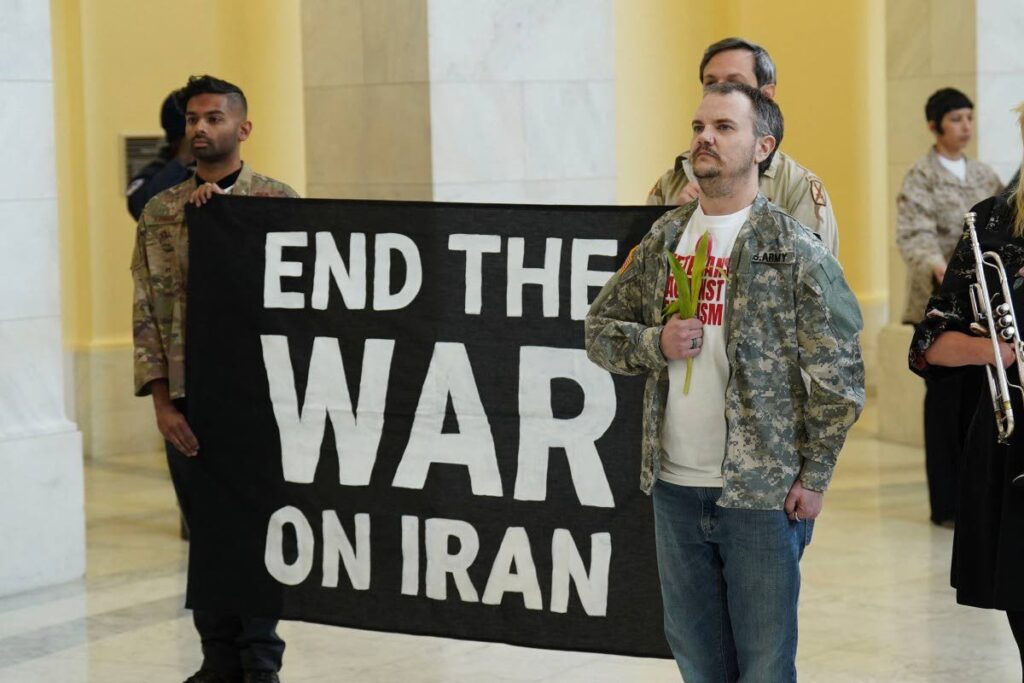
    The most high-profile announcement came from former U.S. President Donald Trump, who took to social media to harden Washington’s position on its naval blockade of Iranian ports. Trump stated that the trade restrictions would remain in place indefinitely until Tehran signs a comprehensive peace agreement to end regional hostilities. He emphasized that the blockade is already inflicting severe economic harm on Iran, claiming the country loses roughly $500 million in daily revenue — a figure Trump described as unsustainable even over a short time frame.

    On the diplomatic front, the U.S. is moving forward with two separate rounds of negotiations aimed at defusing parallel conflicts in the region. A senior anonymous State Department official confirmed to AFP that Washington will host new direct talks between Israeli and Lebanese negotiators on Thursday. This upcoming meeting follows an earlier round of discussions that laid the groundwork for a currently fragile ceasefire along the Israel-Lebanon border. The official reaffirmed Washington’s commitment to supporting good-faith negotiations between the two sovereign governments.

    Separately, a source familiar with U.S. planning told AFP that an American delegation will travel to Pakistan in the near future for a new round of peace talks with Iranian representatives. However, Iranian officials have not yet confirmed whether they will participate in the negotiations, leaving the next step in the diplomatic process uncertain.

    French President Emmanuel Macron has weighed in on one of the conflict’s most contentious flashpoints: the blockades of the Strait of Hormuz, a critical chokepoint for 20% of the world’s daily oil trade. Macron called the simultaneous blockades imposed by both Iran and the United States a mistake on both sides, signaling Paris’ concern over the threat the standoff poses to global energy security.

    Those concerns became a reality on Monday, when global oil prices spiked nearly 6% in response to two consecutive days of escalating tensions near the strait. Over the weekend, Iran reclosed the strategic waterway to commercial traffic, and shortly after, the U.S. Navy fired on and seized an Iranian-flagged cargo ship just outside the strait’s boundaries. By Monday’s market close, Brent crude had climbed to $94 per barrel, while West Texas Intermediate hit $86 per barrel, marking one of the sharpest single-day increases in global energy prices in recent months.

    As a major global energy consumer and the top purchaser of Iranian crude oil, China has officially voiced concern over the recent escalation. In a phone call with Saudi Arabia’s Crown Prince Mohammed bin Salman, Chinese President Xi Jinping called for maintaining unobstructed normal commercial traffic through the Strait of Hormuz and urged all involved parties to return to the negotiating table to resolve their differences through dialogue.

  • ‘Reprehensible and unacceptable’

    ‘Reprehensible and unacceptable’

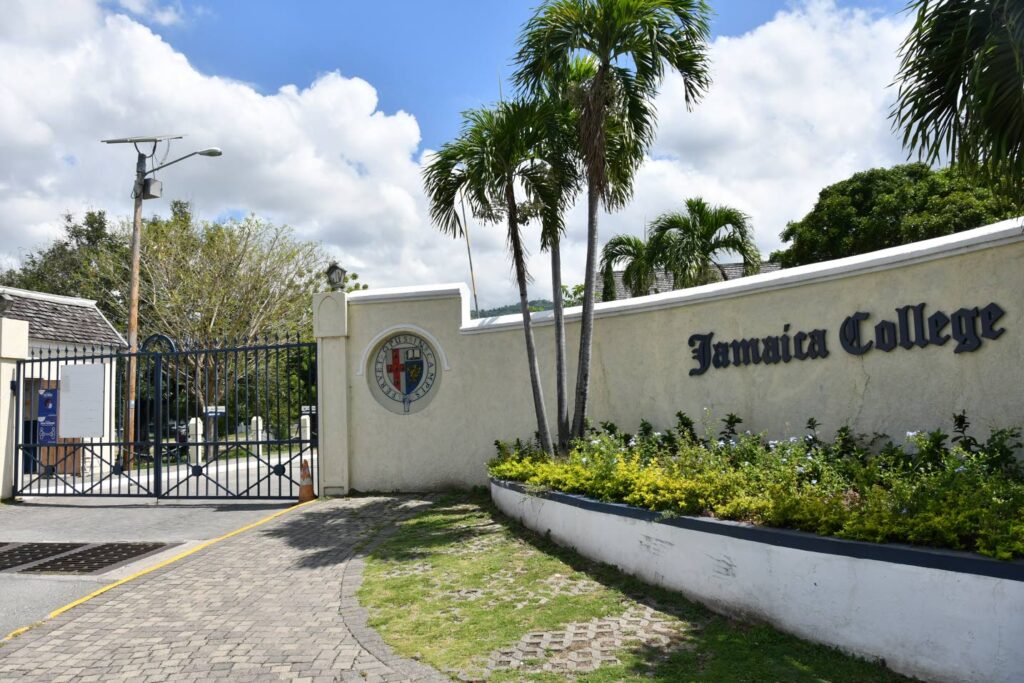
    One of Jamaica’s most well-known secondary institutions, Jamaica College (JC), is once again at the center of public controversy after a graphic video showing multiple uniformed JC students violently assaulting a fellow student spread widely across social media platforms. In an official statement released late Monday afternoon, signed by JC Board Chairman Lance Hylton, school administrators confirmed that every student identified in the viral footage will be summoned before the school’s disciplinary committee to face action aligned with the institution’s established internal procedures.

    Hylton outlined that school leadership first learned of the disturbing incident around 8:00 pm on Saturday, April 18. “The behaviour depicted in the video is reprehensible and completely unacceptable, and we condemn it in the strongest possible terms,” the statement read. Immediately after becoming aware of the footage, administrators launched an internal investigation following official school protocols. By midday Sunday, April 19, investigators had identified all students appearing in the video and built an initial working understanding of the events that led to the altercation.

    On Monday, all primary parties involved in the incident were interviewed alongside their legal guardians, and formal signed statements were collected from each participant. Based on these statements, the assault was triggered by an unresolved dispute over stolen personal property. The student targeted in the attack admitted in writing that approximately two weeks prior to the altercation, he took a jacket, a pair of glasses, and an undisclosed sum of money from a group of fellow students he was socializing with. After initially denying any involvement when the items went missing, he later acknowledged taking the belongings and agreed to return all items and the missing money. However, he only returned a portion of what he took and missed multiple agreed deadlines to complete restitution.

    On the day of the attack, the students who lost their property confronted the victim on school grounds to demand the outstanding restitution, and the violent altercation captured in the video broke out during that confrontation. The viral footage shows one assailant grabbing the victim by the shirt, landing repeated open-handed slaps to the face and a blow to the chest, while a second attacker struck the victim with a belt.

    Early reports shared with the Jamaica Observer claimed that one of the students involved in the assault had been taken into police custody during a Monday morning police visit to the school campus. But law enforcement officials later clarified that as of Monday evening, when the press was preparing its final coverage, no students had been arrested in connection with the incident.

    This latest incident comes as Jamaica College has been in the public eye for mixed reasons in recent weeks. Just weeks ago, the school celebrated two major, historic victories: it claimed the Mortimer Geddes Trophy as the top boys’ school at the 2026 ISSA/GraceKennedy Boys’ and Girls’ Athletics Championships, and just days later, broke a 39-year championship drought by winning the 2026 TVJ Schools’ Challenge Quiz title.

    But even amid those celebrations, the school was already facing public scrutiny over a separate violent assault that took place on March 24. In that earlier incident, one student was injured and another was arrested on assault charges. The injured student’s mother publicly spoke out on social media, expressing her anger and revealing that her child’s medical costs had already climbed to a quarter million Jamaican dollars, with treatment still ongoing. JC responded to that incident by refuting claims that the injured student had been attacked by a school gang, explaining that the violence stemmed from a dispute over a $2,000 Jamaican dollar note that both students claimed belonged to them.

    The school’s Parent-Teacher Association (PTA) has also pushed back against widespread speculation that Jamaica College has an underlying culture of gang violence and bullying, calling those claims entirely false. “The PTA takes its responsibility to safeguard the welfare of its children very seriously, and would be among the first to raise concern and demand accountability if such conditions existed,” the PTA said in a previous statement. “Where isolated incidents may arise, as they can in any school environment, the PTA is satisfied that the institution has in place a structured, responsive, and effective system in place to address them.”

    Following the release of the new viral assault video, Jamaica’s Ministry of Education and Youth announced Monday that it had launched its own independent investigation into the incident. The ministry described the footage as “disturbing”, issued a strong condemnation of the violence shown, and reaffirmed its official zero-tolerance policy for all forms of bullying and school violence. As part of the ongoing probe, the ministry will deploy specialized support and investigation teams to the campus to meet with school leadership and students. Officials added that they are working closely with JC administration to identify all parties involved and ensure that appropriate disciplinary and corrective measures are implemented.

  • Designing the Perfect Wedding Floor Plan

    Designing the Perfect Wedding Floor Plan

    For most engaged couples, wedding planning revolves around dreaming up picture-perfect details: lush floral arrangements, the perfect wedding gown, and that memorable first dance. But according to wedding industry expert Shikima Hinds, managing director of Shikima Hinds Events Concierge, there is one unsung element that makes or break a reception’s atmosphere: a carefully crafted floor plan.

    Far from just a simple arrangement of tables in a venue space, a wedding floor plan acts as the foundational blueprint for the entire celebration’s flow. It shapes how guests move, socialize, dance, dine, and interact with their surroundings throughout the event. When executed successfully, guests won’t even consciously notice the intentional layout — they will simply feel at ease, engaged, and connected to the celebration from start to finish.

    ### Start with the reception’s core: the dance floor
    Hinds recommends beginning the layout design process by locking in the dance floor first. As the typical focal point of any wedding reception, the dance floor dictates where all other key elements should be positioned around it. Centering the layout on this hub of energy allows couples to arrange seating, lounge areas, and bars to give guests easy access to views of speeches, access to music, and the ability to jump onto the dance floor the second they feel inspired to dance.

    ### Map the full guest journey from start to finish
    A strong floor plan accounts for every critical element of the event, not just guest seating. Couples need to map the full guest experience, marking clear locations for entrances, the DJ or live band space, bars, buffet stations, dessert displays, and the natural movement patterns guests will follow through the night. When the layout makes navigation intuitive for guests, the entire event automatically feels more relaxed and enjoyable for everyone in attendance.

    ### Mix table shapes for dynamic, functional design
    Uniform tables do nothing to elevate a reception space, Hinds notes. Mixing different table shapes and sizes creates a far more dynamic and functional layout. Rectangular tables work well to anchor distinct sections of the venue, while round tables foster a softer, more conversational atmosphere for guest groups. The key is striking the right balance: too many identical tables create a stiff, rigid feel, but a thoughtful mix adds visual interest while comfortably accommodating different party sizes.

    ### Prioritize breathing room for comfort and service
    Just because a table is manufactured to seat 10 guests does not mean couples need to squeeze 10 people around it. Hinds suggests seating eight guests at a 10-person table to create extra elbow room, keeping guests comfortable throughout the wedding dinner. Extra space also streamlines service: servers need clear pathways between tables to navigate with food trays, and guests should be able to stand from their seats without bumping into neighboring chairs or large centerpieces.

    ### Tailor seating to your guests’ personalities and needs
    Where guests are seated matters just as much as how the space is arranged. Close family members or friends who love dancing will appreciate being seated close to the dance floor, while older guests or guests who prefer quiet conversation will enjoy seating further from loud speakers and high-traffic areas. A great layout accounts for individual comfort, existing relationships, and the unique personalities of everyone on the guest list.

    ### Build clear, natural pathways to avoid congestion
    Well-designed floor plans let guests move freely around the venue. Wide walkways between table groupings, clear routes to the bar, and extra open space around the dance floor all prevent frustrating crowding. Constantly bumping into chairs or squeezing past packed tables disrupts the evening’s flow, but a intentional layout makes movement feel completely seamless.

    At the end of the day, the best wedding floor plans feel natural. Guests should move smoothly from cocktail hour to dinner to open dancing without confusion or delay. When the bar is easy to locate, the dance floor feels welcoming, and seating arrangements encourage meaningful conversation, the entire celebration unfolds effortlessly. A great floor plan is about far more than placing tables — it is about curating a full experience where every guest feels included in the celebration, from the opening toast all the way to the final dance.

    This expert insight comes from Shikima Hinds, Managing Director of Shikima Hinds Events Concierge. Hinds can be reached at 876-925-4285, 876-361-0910, via email at shikima@shikimahinds.com, or through her website www.shikimahinds.com.

  • Lost records derail JACRA’s first audit

    Lost records derail JACRA’s first audit

    Jamaica’s flagship agricultural sector reform initiative, the Jamaica Agricultural Commodities Regulatory Authority (JACRA), has hit a major early hurdle after independent auditors were unable to sign off on the agency’s first full year of financial statements, citing irreconcilable gaps in inherited financial documentation.

    Established on January 1, 2018, JACRA was designed as the centerpiece of a government-led overhaul to unify oversight of the island’s most valuable agricultural commodities under a single, streamlined regulator. The agency merged the regulatory functions of four legacy entities: the Coffee Industry Board, the Cocoa Industry Board, the Coconut Industry Board, and the Export Division of the then Ministry of Industry, Commerce, Agriculture and Fisheries. The reform, nearly a decade in development and public consultation, aimed to separate commercial activities from regulatory oversight, modernize sector governance, and standardize processes for licensing, certification, industry development and quality assurance.

    But the newly launched regulator inherited deep-seated financial management flaws from the merged entities, according to official findings published in a Ministry Paper tabled in Jamaica’s Parliament last Tuesday, and detailed further in JACRA’s 2018/2019 inaugural annual report. Global audit firm KPMG, which conducted the independent audit, confirmed it could not secure sufficient appropriate evidence to support an audit opinion on JACRA’s opening year financials.

    The core of the problem lies in missing records from the legacy commodity boards. No audited financial statements exist for the former Coffee Industry Board across the four-year period from 2013/2014 to 2016/2017, while the Cocoa Industry Board also lacks complete audited records for the 2015/2016 and 2016/2017 financial cycles. Compounding these pre-existing gaps, a September 2016 flood destroyed a large volume of remaining critical financial documentation, erasing key paper trails needed to verify opening balances and inherited assets and liabilities carried over to JACRA.

    Without these verifiable records, the agency launched operations without a complete, auditable financial baseline for the assets and obligations it absorbed from the predecessor organizations. The destroyed records also undermined the integrity of the audit trail required to substantiate all opening transactional balances rolled into JACRA’s new accounts.

    To address accountability requirements, JACRA is structured with a multi-stakeholder board of directors featuring representatives from both the government and participating commodity sectors. The board holds responsibility for overseeing operational performance, setting strategic direction, and ensuring proper stewardship of public funds. It is supported by specialized subcommittees covering finance, audit, insurance, governance, production, research and marketing, all designed to embed checks and balances into the agency’s decision-making and financial management processes.