作者: admin

  • Blackman wants vendors to sell healthier snacks

    Blackman wants vendors to sell healthier snacks

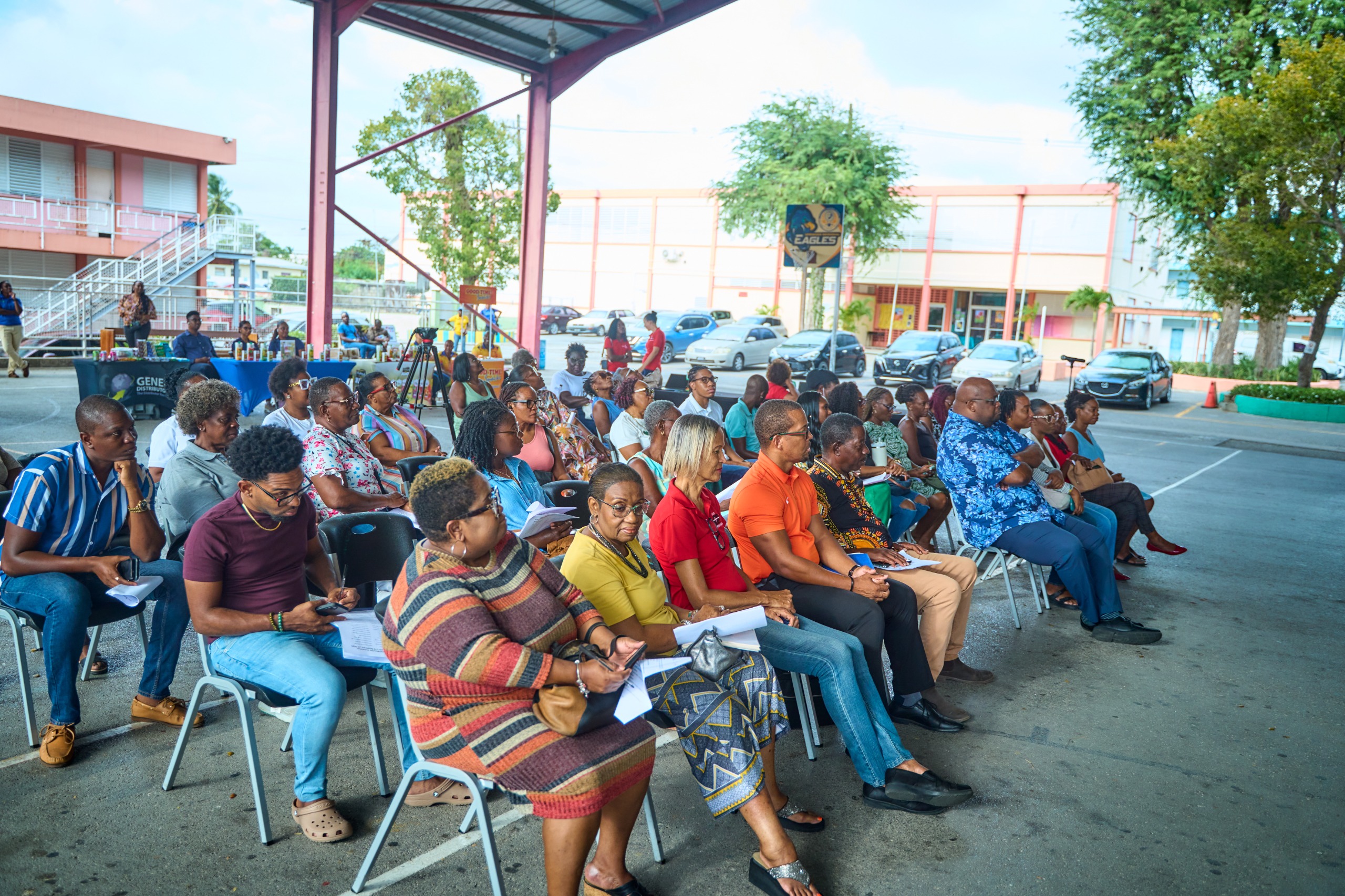
    Barbados’ government is ramping up efforts to broaden adoption of its national School Nutrition Policy, and is turning to on-campus food vendors to act as core partners in cultivating healthier daily habits for the nation’s children. Minister of Education Transformation Chad Blackman laid out this call to action Saturday during an orientation session for vendors held at Springer Memorial School, framing the initiative as a critical response to a long-unaddressed public health emergency.

    Opening his remarks, Blackman recognized the deep cultural tie that binds Barbadians to their local cuisine, a relationship that prioritizes flavor above all else when food choices are made – especially among younger age groups. “There’s no question that Barbados and most regional Caribbean nations share a profound connection to our food,” he explained. “Our people, and children in particular, gravitate to foods that taste good, but all too often the options that win on flavor do not align with good long-term health.”

    The minister was careful to acknowledge the irreplaceable economic and social role that food vendors play across Barbados, affirming the government’s commitment to supporting vendors in sustaining their livelihoods. He noted that small vending businesses support households, anchor local communities, and contribute meaningfully to the country’s overall economy, reassuring attendees that the policy shift does not aim to push them out of school campuses. “Vendors are a foundational part of Barbadian society, so you all aren’t going anywhere,” Blackman stressed. “The conversation is not about removal – it’s about working together to shift toward offering more nutritious options to students.”

    Blackman made clear that the push for more nutrient-dense food in school settings stems from a growing public health crisis that can no longer be sidelined: Barbados faces a persistently high rate of non-communicable diseases (NCDs), and children are one of the most at-risk groups for developing preventable diet-related conditions later in life. The crisis has been worsened by shifting lifestyle patterns across the country, the minister added, with declining rates of physical activity among young people becoming the norm as digital technology becomes more ubiquitous.

    “Technology means most children now stay inside glued to their devices instead of heading outdoors,” he said. “You have to beg them to go run around and play. As our society has advanced, we have seen a widespread shift toward a far more sedentary routine.”

    Against this backdrop, Blackman called on vendors to strike a careful balance between offering the flavorful snacks students crave and expanding access to healthier alternatives that support children’s long-term physical well-being. The core question, he noted, is how to continue meeting consumer demand for treats while still providing products that support healthy growth and development.

    Looking ahead, the minister says Barbados aims to position its vendor-led school nutrition shift as a regional model, with participating vendors acting as champions of public health change that can inspire similar movements across the Caribbean. “We must use this effort as a model, with our vendors leading the charge for change,” Blackman said. “That’s how we can drive this critical public health movement across the entire region.”

  • This Is What GOB Is Doing to Keep Nurses in Belize

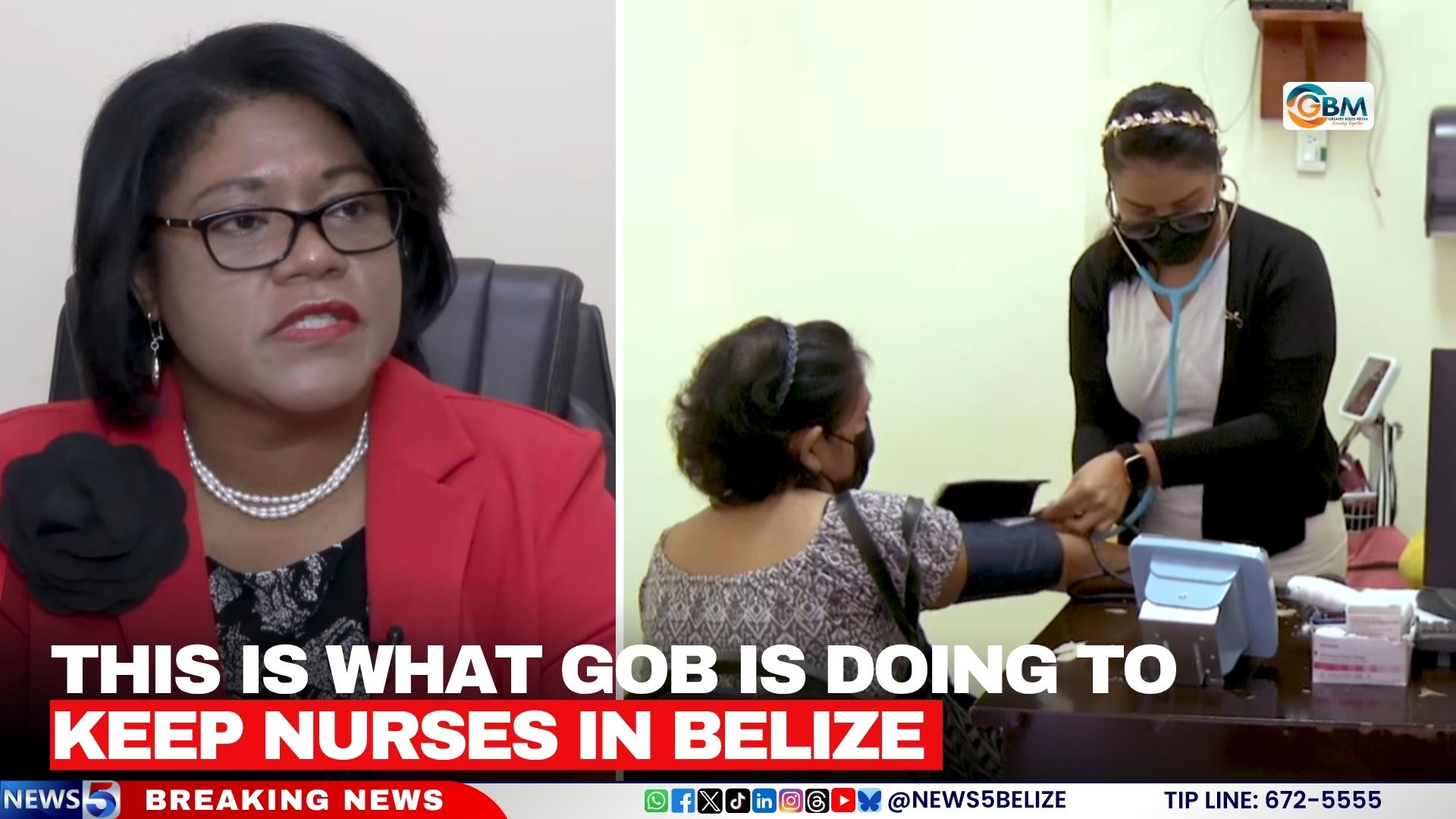
    This Is What GOB Is Doing to Keep Nurses in Belize

    Against the backdrop of a worsening global nursing shortage that has pushed thousands of healthcare workers to migrate abroad in search of higher compensation, the Government of Belize (GOB) has rolled out a targeted retention package designed to keep local nursing talent in the country. This policy initiative marks a proactive step to protect the nation’s domestic healthcare system from the broader staffing crisis impacting healthcare sectors worldwide. The first phase of the retention program was rolled out during the 2025/2026 national budget cycle, and it is structured first and foremost to recognize the longstanding commitment of nurses who have continued to serve communities across Belize. Chief Nursing Officer Lizett Bell explained that the package introduces a suite of new and expanded financial benefits that adjust compensation to match the demanding work nursing professionals carry out. Under the new terms, every practicing nurse in Belize will receive a specialist allowance equal to 10% of their annual base salary. The existing annual uniform allowance has also been lifted from $300 to $500 to help cover the cost of required work attire. Additionally, the government has added three new targeted allowances: a $200 monthly hazard payment for work involving elevated health risks, a dedicated night shift allowance for nurses working after-hours rotations, and a $300 monthly responsibility allowance for nurses required to participate in on-call rotations. Bell emphasized that the on-call allowance fills a longstanding gap in nurse compensation, noting that for years, nursing professionals have been required to be available for emergency shifts outside standard working hours with no extra pay, and the new benefit offers meaningful recognition for this constant availability. Initially, the Karl Heusner Memorial Hospital (KHMH) — the country’s leading public medical facility — was not included in the first phase of the retention package. However, after hospital leadership raised concerns and held discussions with the Ministry of Health, officials agreed to add KHMH to the program. KHMH CEO Sharine Reyes told local outlet News Five that the hospital is currently compiling staffing data and total cost projections for the allowances to support the ministry in finalizing the rollout of benefits for its nursing workforce. Belize’s policy intervention comes as many small and middle-income nations grapple with the outflow of skilled healthcare workers to higher-income countries that offer far higher wages and better working conditions. By addressing the core financial push factors that drive nurse migration, GOB aims to stabilize staffing levels across local healthcare facilities and ensure continued access to care for Belizean residents.

  • IICA pledges support for agricultural transformation in Honduras following high-level talks

    IICA pledges support for agricultural transformation in Honduras following high-level talks

    On an official visit to Honduras’ capital Tegucigalpa, Inter-American Institute for Cooperation on Agriculture (IICA) Director General Muhammad Ibrahim has reconfirmed the intergovernmental organization’s unwavering commitment to advancing the Central American nation’s agricultural development, following high-level discussions with top Honduran government leaders.

    Invited to the country by Honduran President Nasry “Tito” Asfura, Ibrahim’s visit comes at a pivotal moment for Honduras, which has identified its agricultural sector as a core engine for broad-based economic growth and improved social prosperity, especially for rural populations. The talks centered on two core priorities: strengthening the country’s farming industry and building more robust, inclusive national food systems.

    During their meeting at the Presidential Palace, Ibrahim laid out IICA’s full readiness to deliver targeted technical assistance to drive the modernization of Honduras’ agricultural sector. The two sides explored multiple pathways for IICA support, including technical knowledge sharing, skills training programs for local producers, policy advisory services, and cross-border resource mobilization to reshape the country’s food systems for greater sustainability and equity.

    IICA Director General also updated President Asfura on the institute’s ongoing global and regional work to integrate cutting-edge science, innovative practices, and digital technology into agricultural production, with the goal of building more climate-resilient food systems. He emphasized that these initiatives align directly with the Honduran government’s national strategic goals: eradicating food insecurity, improving public nutrition outcomes, and strengthening the country’s overall food sovereignty.

    Cross-border agricultural threats emerged as another key topic on the meeting’s agenda. The leaders highlighted the urgent need for coordinated action to combat transboundary pests and diseases that threaten key Honduran export and staple crops, including New World Screwworm in cattle herds, Fusarium Tropical Race 4 (TR4) that impacts banana plantations, avian influenza, and African Swine Fever. Both sides agreed that deepened collaboration in biosecurity monitoring and response is critical to protecting Honduras’ agricultural output and rural livelihoods.

    Climate-related environmental challenges, particularly the prolonged dry conditions driven by the El Niño weather pattern and their severe impact on domestic food production, also took up significant space in the discussions. Ibrahim noted that IICA already maintains an active partnership with the Honduran government to address these impacts, including the rollout of targeted incentive programs known locally as “bonos”, which support smallholder and commercial producers to adopt climate-smart technologies, expand sustainable coffee production, and improve livestock farming practices. According to the IICA statement, President Asfura expressed strong enthusiasm for the institute to continue expanding this successful program.

    The talks also covered concrete, actionable steps to mitigate drought impacts, such as upgrading national irrigation infrastructure, expanding smallholder access to high-quality adapted seeds and affordable fertilizers, and improving seasonal planting cycle planning to align with shifting rainfall patterns. President Asfura also shared his strong support for a proposal to construct a national seed processing facility, which would guarantee a stable, reliable supply of high-quality seeds for Honduran producers, and backed Ibrahim’s ongoing work to strengthen the country’s entire agrifood value chain. President Asfura’s Chief of Staff, Juan Carlos García, was in attendance for the high-level discussions.

    Following his meeting with President Asfura, Ibrahim held separate working talks with Moisés Abraham Molina, Honduras’ Secretary of Agriculture and Livestock (SAG). Their discussion focused on expanding existing technical cooperation frameworks and scaling up resource mobilization efforts to directly benefit local smallholder and family farmers. The two leaders also reviewed potential new agricultural development initiatives that integrate sustainable management of Honduras’ abundant forest resources, and finalized coordinated preparedness plans for the drought expected to impact the country in the coming months.

  • Japan Hit by 7.7 Quake, Stronger Aftershock Threat Looms

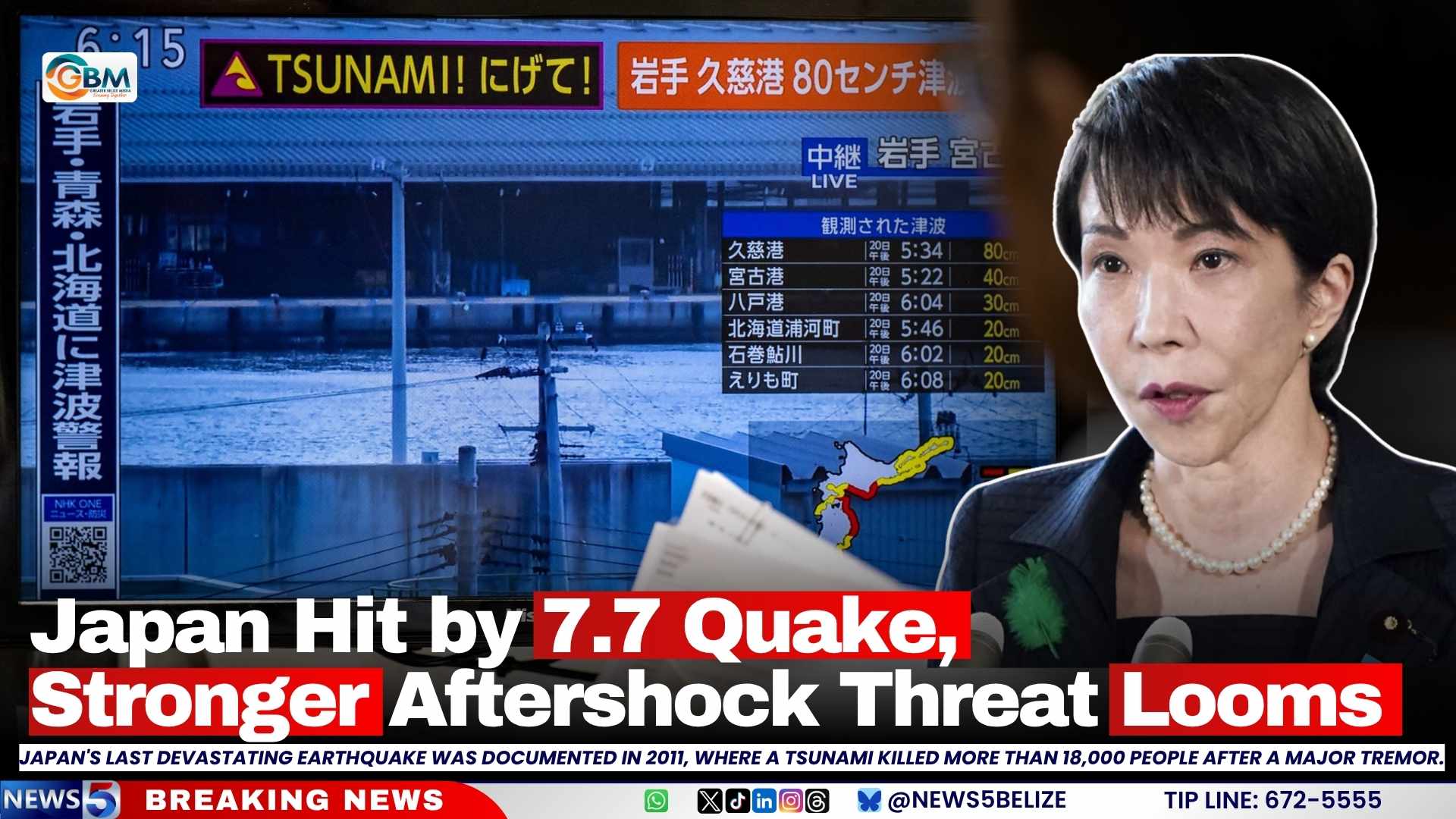
    Japan Hit by 7.7 Quake, Stronger Aftershock Threat Looms

    On a Monday afternoon local time, at 4:53 p.m. on April 20, 2026, a powerful 7.7-magnitude earthquake jolted the offshore region of Japan’s northeastern coast, sending shockwaves that rippled across hundreds of kilometers and rattled structures all the way to the capital, Tokyo, according to local Japanese media reports.

    Immediately after the tectonic event, Japanese authorities issued a full tsunami warning, forecasting that surges could reach as high as 3 meters and prompting urgent mass evacuation orders for communities along the country’s Pacific coastline. Roughly two hours after the initial quake, monitoring stations recorded maximum tsunami waves of just 80 centimeters, a far smaller impact than initial projections, leading officials to downgrade and ultimately lift the formal tsunami warning.

    Despite the easing of tsunami-related fears, Japan’s Meteorological Agency has stressed that significant danger remains, issuing a stark alert that the region faces a high probability of a major aftershock measuring magnitude 8.0 or higher within the seven-day period following the initial quake. Such a powerful aftershock could trigger renewed structural damage, landslides, and even renewed tsunami activity in vulnerable coastal areas.

    Japanese Prime Minister Sanae Takaichi confirmed that the national government’s crisis management team was activated within minutes of the first tremor, with survey teams currently deployed across affected regions to tally the full scale of damage and confirm any casualties. In an official press briefing shortly after the quake, Takaichi urged ongoing caution for residents in at-risk zones, saying, “For those of you who live in areas for which the warnings have been issued, please evacuate to higher, safer places.”

    Disruptions from the quake have already been documented: high-speed bullet train services across northeastern routes were suspended following the seismic event, and roughly 100 residential properties lost power in affected areas. While low-level tsunami advisories remain in effect for parts of the Japanese archipelago, the most immediate concern for authorities now is preparing for potential large aftershocks.

    This seismic event comes against the backdrop of Japan’s long history of devastating earthquakes. The country’s deadliest recent quake struck in 2011, when a massive offshore tremor triggered a catastrophic tsunami that claimed the lives of more than 18,000 people and caused the meltdown of the Fukushima Daiichi nuclear power plant. Japanese authorities have built one of the world’s most advanced early warning and disaster preparedness systems in the years since that disaster, though the threat of large seismic events remains an ever-present risk for the island nation.

  • Active Fire at the Cook’s Sanitary Landfill

    Active Fire at the Cook’s Sanitary Landfill

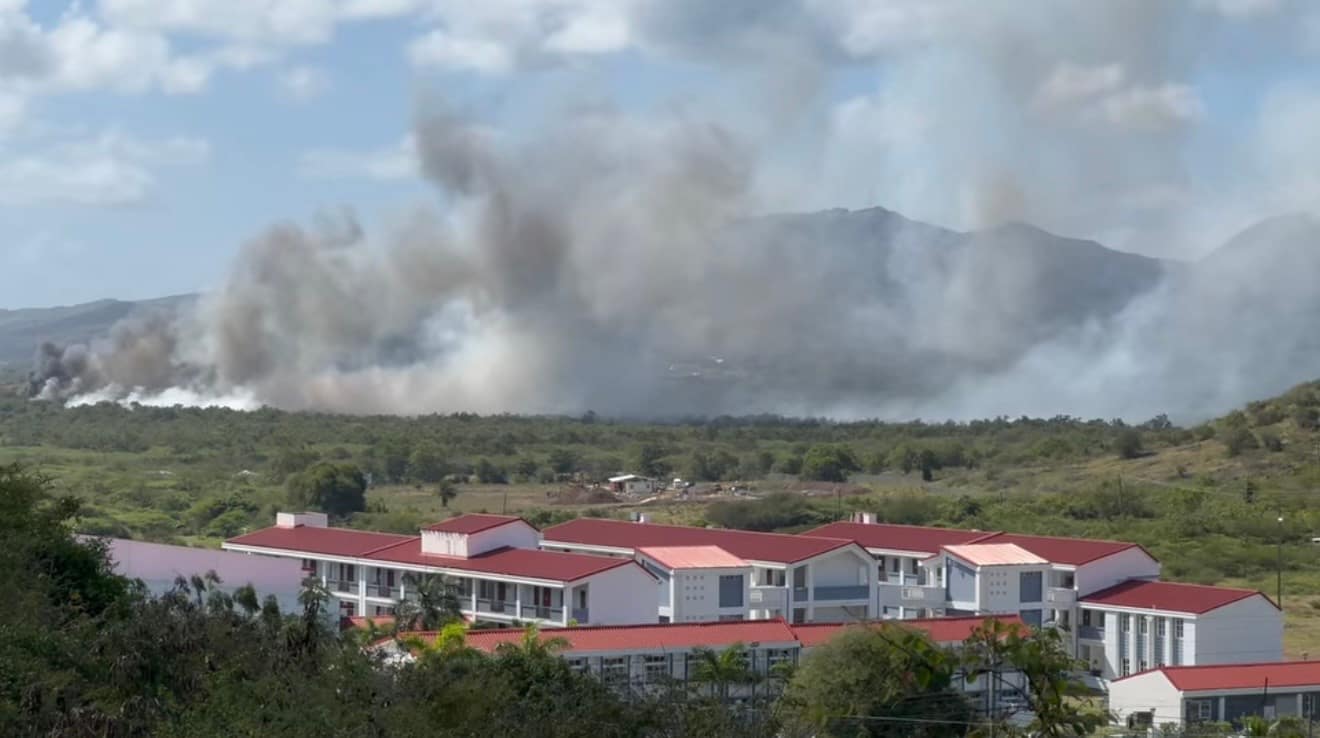
    A large fire broke out at Cook’s Sanitary Landfill on the evening of the reported incident, starting around 10:00 p.m. local time, according to updates from Jamaica’s National Solid Waste Management Authority (NSWMA). In the hours since the fire was first detected, NSWMA crews have been working around the clock to fully extinguish the blaze and bring the site back under control.

    The authority has issued a formal apology to nearby residential communities, acknowledging that the ongoing fire has disrupted daily life for local residents and created hazardous air quality conditions across the area. Health officials are advising individuals with pre-existing respiratory conditions to remain indoors whenever possible and to follow all recommended safety precautions to avoid exposure to toxic smoke.

    While the landfill site will remain operational for the time being, NSWMA is urging all visitors and waste haulers to exercise extreme caution when entering the property. The agency says it will issue a follow-up public statement immediately if fire conditions worsen, and will implement site closures if necessary to protect public and worker safety.

    Looking ahead, the NSWMA has reaffirmed its commitment to upgrading safety protocols across all of its managed facilities, pledging to take all possible steps to reduce the frequency of hazardous events like landfill fires in the future.

  • OP-ED: International Day of Women in Industry – Celebrating how Caribbean women are shaping the future of industry

    OP-ED: International Day of Women in Industry – Celebrating how Caribbean women are shaping the future of industry

    On April 21, 2026, the global community will mark a historic milestone: the first-ever official observance of the International Day of Women in Industry (IDWI). This new international commemoration was established to honor the profound, often overlooked contributions women make to industrial progress around the world, while spotlighting how their unique leadership, creative innovation, and unwavering resilience are reshaping modern economies, advancing technological breakthroughs, and accelerating the urgent global transition to green and digital systems.

    The path to IDWI began at the 2025 Global Industry Summit in Riyadh, Saudi Arabia, where the 21st Session of the General Conference of the United Nations Industrial Development Organization (UNIDO) adopted a landmark resolution proclaiming the new international day. For the Caribbean region in particular, the inaugural observance carries outsized significance. Across every Caribbean nation, women are already leading transformative change across a wide spectrum of industrial sectors: from traditional manufacturing and agro-processing to fast-growing renewable energy, digital services, creative industries, and cutting-edge emerging technologies. Despite these far-reaching impacts, women’s contributions to regional industrial growth have long remained underrepresented and undercelebrated. This first IDWI serves as both a tribute to their existing achievements and a platform to amplify the diverse, solution-driven work that women already lead across the region.

    To kick off the first global observance, UNIDO’s Vienna headquarters will center women’s role at the heart of modern industrial transformation, with a focus on three defining global shifts: artificial intelligence integration, the green and digital transition, and the evolving future of work. High-profile gathering will bring together senior policymakers, private sector CEOs, and global development partners to showcase actionable policies, cross-sector partnerships, and innovative approaches that speed up progress toward gender-inclusive industrial development. The event will also shine a light on a critical, underaddressed barrier: gaps in gender-disaggregated data that hide the full scope of women’s industrial contributions. Attendees will explore how targeted data collection and AI-powered analytical insights can create more effective, equitable industrial policy.

    These conversations hold particular weight for Small Island Developing States (SIDS) such as those that make up the Caribbean community. Caribbean economies face a unique set of structural vulnerabilities, from the growing impacts of climate change to limited domestic economies of scale, all of which demand new innovation, enhanced competitiveness, and greater resilience to survive and thrive. Already, women across the region are pioneering context-specific solutions to these challenges, confirming a broader global truth: when women are empowered to lead, industries become more inclusive, more dynamic, and better prepared for future disruptions. That said, persistent systemic barriers continue to hold women back. Women in the region still face unequal access to business financing, lower participation rates in STEM education and careers, stark underrepresentation in senior industrial leadership roles, and deep-rooted social norms that devalue women’s participation in industrial work.

    IDWI was designed to bring these interconnected challenges to the forefront of global, regional, and national agendas. It encourages governments and civil society organizations across the world to host public events, policy dialogues, industry exhibitions, and public awareness campaigns that highlight these gaps and advance actionable solutions. The UNIDO-Barbados Global SIDS Hub for Sustainable Development is at the forefront of supporting these efforts across the Caribbean Community (CARICOM). Through years of work with national governments, local institutions, and private sector stakeholders, UNIDO has proven that when women and girls gain equal access to skills training, critical resources, and economic opportunity, they do not only succeed as individuals – they lift entire industries to new heights. This is why boosting visibility for women’s industrial work is such a critical priority.

    Through global advocacy campaigns, UNIDO will amplify the stories of women transforming industries in every corner of the world. For the Caribbean region, the organization will specifically highlight women working in manufacturing, digital innovation, climate resilience engineering, and industrial entrepreneurship whose work is building a more robust, sustainable regional industrial future.

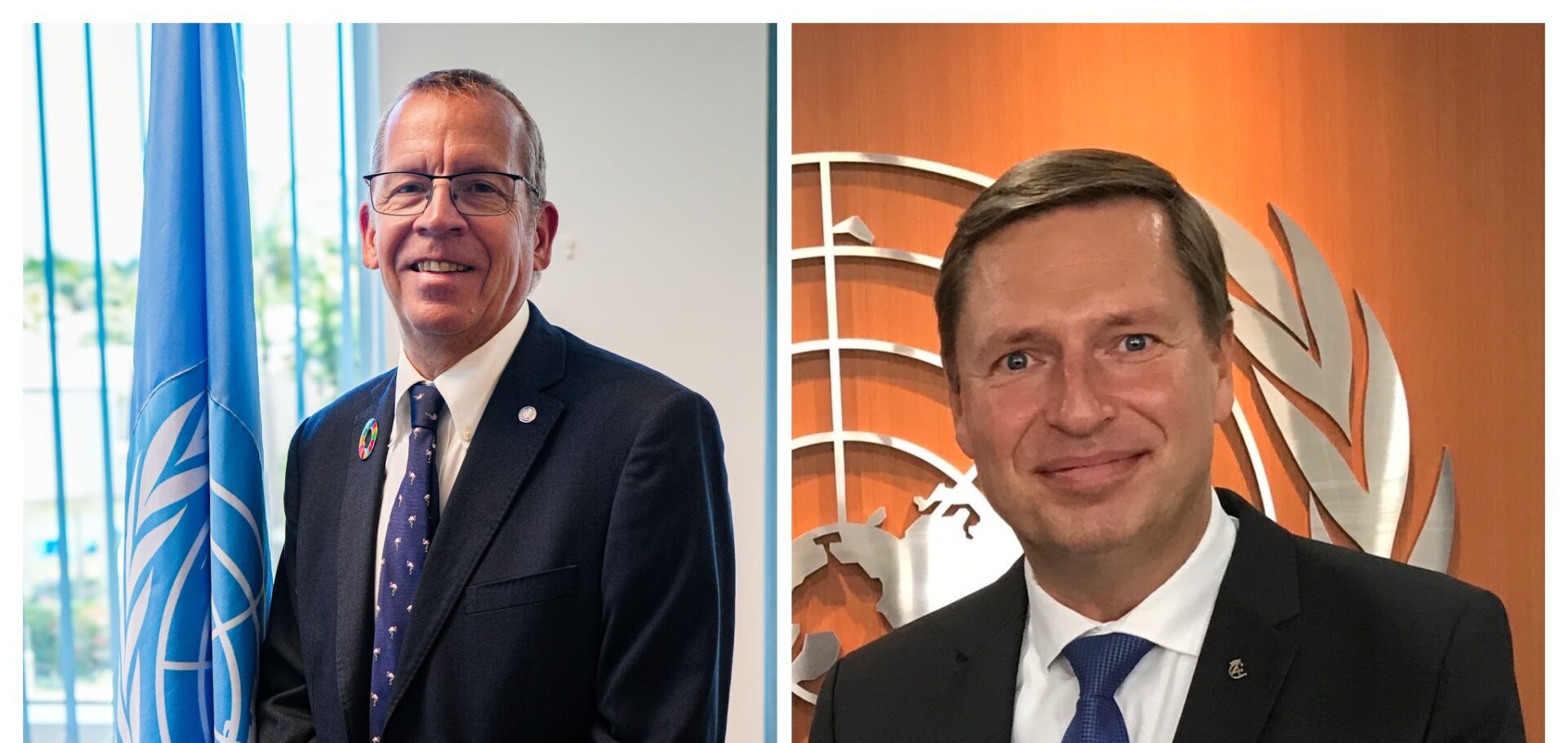
    Celebration of women’s existing contributions is a critical first step, but the co-authors of this commentary – Stein R. Hansen, Director of the UNIDO-Barbados Global SIDS Hub for Sustainable Development and UNIDO Representative to Barbados and CARICOM, and Simon Springett, United Nations Resident Coordinator for Barbados and the Eastern Caribbean – emphasize that celebration alone is not enough. The inaugural IDWI must serve as a catalyst for concrete, binding commitments from global and national stakeholders: increased targeted investment in women-owned industrial enterprises; expanded, accessible career pathways for girls and women in STEM fields; improved gender-disaggregated data to guide more equitable industrial policy; and supportive workplace and financing ecosystems that enable women to advance to senior leadership roles across every segment of industrial value chains.

    These steps are not just gender equity issues – they are critical to building competitive, sustainable, and inclusive economies across the Caribbean. April 21, 2026, is both a time to honor the women already shaping modern industry and a reminder that the future of industry, both regionally and globally, depends on delivering full and equal participation for women. The Caribbean already has the talent, vision, and drive to build a more equitable industrial future. What is needed now is targeted, sustained commitment from global and national leaders to turn vision into action. IDWI is a clear call to action for all stakeholders – and the time to answer that call is now.

  • CARIFTA Games Grenada 2026 souvenir magazine

    CARIFTA Games Grenada 2026 souvenir magazine

    The Grenada Athletic Association (GAA) has launched a new digital flipbook magazine, hosted publicly on the Heyzine platform at the link https://heyzine.com/flip-book/5c42962ef1.html, making its official content accessible to athletics fans and industry stakeholders across the globe. The publication centers heavily on GAA’s core operations and upcoming key events, with a prominent focus on the CARIFTA Games, a premier regional youth athletics competition that draws competitors from across the Caribbean.

    Tagged topics tied to the magazine include local athletics leadership, represented by Haron Forteau, and the Kirani James Athletics Stadium, Grenada’s flagship athletics venue named after the country’s Olympic and world championship gold medalist. The magazine also references affiliations with the North American, Central American and Caribbean Athletic Association (NACAC), the regional governing body for the sport. A key note from the hosting platform’s local affiliate NOW Grenada clarifies that the organization does not take responsibility for opinions, statements or third-party contributed media published within the magazine, and provides a channel for users to report content that violates platform guidelines in cases of abuse. The design of the digital magazine is highlighted through its aqua design branding, aligning with GAA’s visual identity for public-facing materials.

  • PM Browne Uses Manifesto Launch to Urge Stability, Warns Voters Against ‘Risk’ Ahead of April 30 Election

    PM Browne Uses Manifesto Launch to Urge Stability, Warns Voters Against ‘Risk’ Ahead of April 30 Election

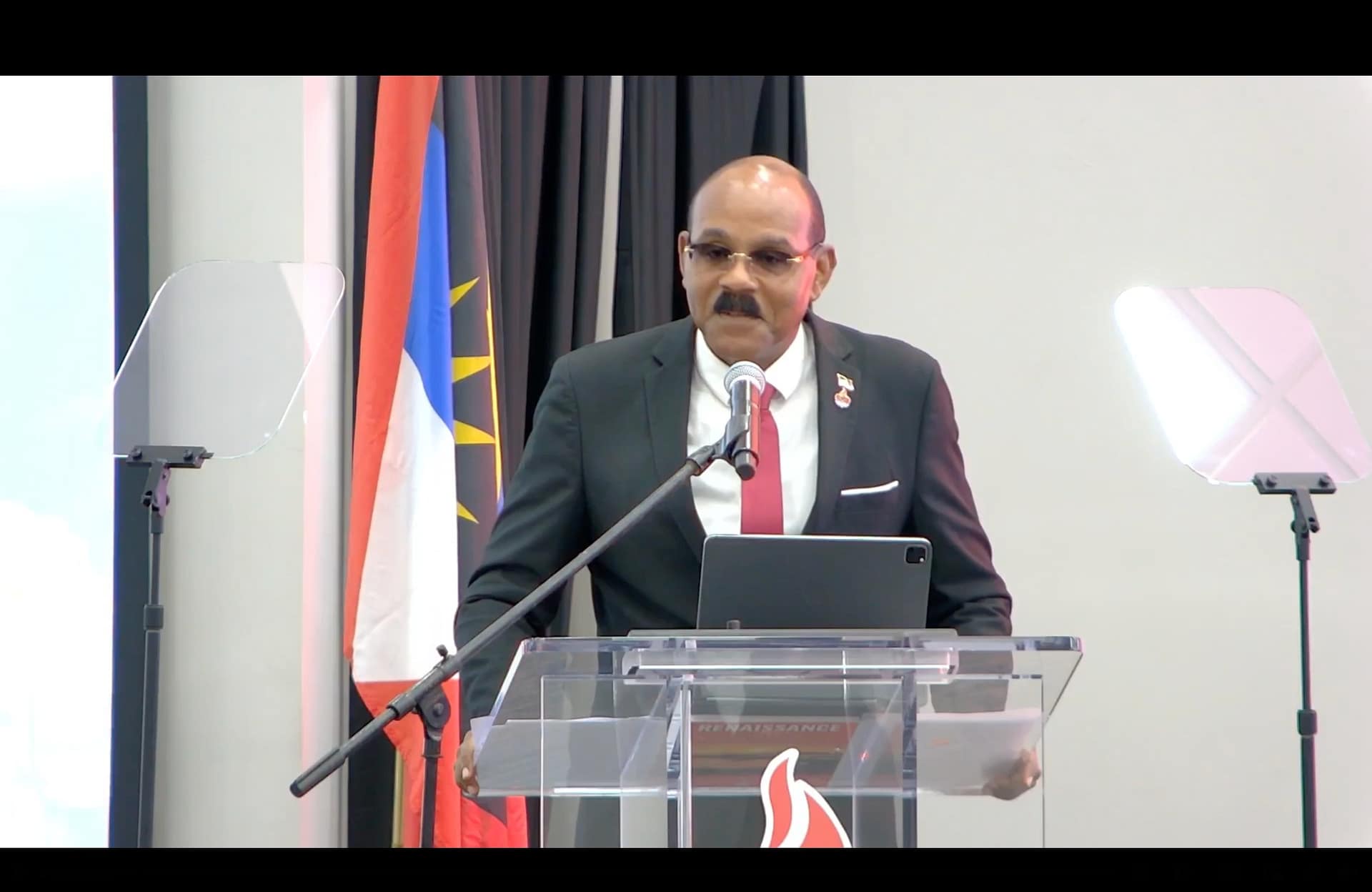
    As the governing Antigua and Barbuda Labour Party (ABLP) enters the final phase of campaigning ahead of the April 30 general election, Prime Minister Gaston Browne used the official unveiling of the party’s 2026 election manifesto to issue a clear, urgent appeal to voters, casting the upcoming ballot as a defining choice between continued steady governance and untested uncertainty amid global turbulence.

    Speaking to a gathering of party supporters, Browne rooted his campaign message in the harsh realities of today’s unstable global landscape, emphasizing that cross-border chaos is already trickling down to impact daily life for Antigua and Barbuda residents. “My friends, we all feel it when we go to the grocery store,” he told the audience, linking ongoing international conflicts and geopolitical unrest directly to rising consumer prices and growing economic anxiety across the twin-island nation.

    Browne positioned the 2026 election as a critical turning point for the country, challenging voters to evaluate which leadership bloc has the proven capacity to navigate a rapidly shifting global order. “When you step into the voting booth on election day, you have to ask yourselves one question: Which leader and which team is strong enough, steady enough to steer our country through these turbulent times?” he said.

    The core of Browne’s pitch centers on the ABLP’s overarching campaign theme of a national “renaissance” — a framing that casts the administration’s time in office as a period of intentional forward progress, rather than merely post-crisis recovery. “The world is stepping into a completely new era, and Antigua and Barbuda is stepping into that new era right alongside it,” Browne said, noting that his government offers voters a clear path to national renewal amid global change.

    To back up his claims of progress, Browne walked through a lengthy list of the ABLP administration’s economic and social policy achievements, all designed to put more disposable income into household budgets and ease widespread financial strain. Among the accomplishments he highlighted were the full repeal of personal income tax, multiple rounds of increases to the national minimum wage, salary hikes for public sector workers, and upward adjustments to both social security and occupational pensions. “Every one of these measures was designed to put more money directly into your pockets,” he explained.

    He also pointed to expanded social safety net programs that have rolled out under his watch, including an expanded food voucher initiative, the removal of consumption tax on staple food items, and the rollout of subsidized broadband internet access to make connectivity more affordable for ordinary families.

    Beyond social and economic policy, Browne outlined the government’s ongoing infrastructure and development projects, which span multiple key sectors of the national economy. On the tourism front, he noted that several new hotel developments are currently under construction, while critical public infrastructure upgrades are moving forward across every electoral district. “We have expanded our reverse osmosis desalination plants to boost the nation’s water supply and address longstanding access issues,” he said, adding that “extensive roadworks are currently underway in every single constituency across the country.”

    Throughout his speech, Browne repeatedly circled back to the central campaign message of policy continuity, warning voters that switching leadership at a moment of heightened global instability would be a dangerous gamble. He portrayed the incumbment ABLP administration as the only safe, experienced option for voters looking to weather ongoing global headwinds. “On election day, do not take an unnecessary risk on a leader and a team that is simply not prepared to govern,” he cautioned.

    Closing his address at the manifesto launch, Browne issued a direct closing appeal for voter support, urging the electorate to retain the steady leadership he says the country needs to navigate uncertain times. “Let’s keep Antigua and Barbuda in strong, safe hands,” he said.

    The launch of the 2026 manifesto marks a key milestone in the ABLP’s broader re-election push. Party officials have confirmed that their campaign will be built around three core pillars: proven economic performance, expanded public infrastructure, and expanded social support programs for working- and middle-class households.

  • Three Dead, Two Injured in Separate Collisions

    Three Dead, Two Injured in Separate Collisions

    Two devastating road traffic accidents that occurred within hours of each other in northern Belize on Sunday night have left three people dead and two others hospitalized with serious injuries, local authorities confirmed.

    The first incident unfolded just after 10 p.m. along the Thomas Vincent Ramos Highway in the Punta Gorda area, when a northbound motorcycle carrying two people lost control near the roadside and crashed into a standing tree. Emergency responders were dispatched to the scene immediately, and transported passengers Brenton Cofius and Carl Manger to a nearby medical facility for urgent care. Following the crash, law enforcement officers impounded the damaged motorcycle as part of their ongoing investigation into what caused the collision.

    A far deadlier crash unfolded hours later in the Orange Walk District, along the road connecting Trinidad and August Pine Ridge. The violent impact of the head-on collision left three people dead at the scene, leaving local communities in shock. Visual footage captured from the crash site shows a red Ford F-150 pickup truck pushed off the pavement, alongside a fully loaded sugar cane trailer attached to a Freightliner semi-truck that was also involved in the incident.

    Authorities have publicly identified the three victims of the second crash: Selvin Cortez, Bryon Magaña, and Magaña’s partner Sherlyn Henriquez. News of the deaths has already prompted mourning from loved ones across social media. One of Henriquez’s relatives shared a tribute online writing, “Rest in peace, my beautiful niece. Thank you for the beautiful moments we spent together; you will always live in my heart.”

    The Belize Police Department announced that it is continuing to process evidence from both crash sites and is expected to release a full update on the circumstances of each incident, including potential contributing factors such as speeding, weather conditions, or driver impairment, to the public this coming afternoon.

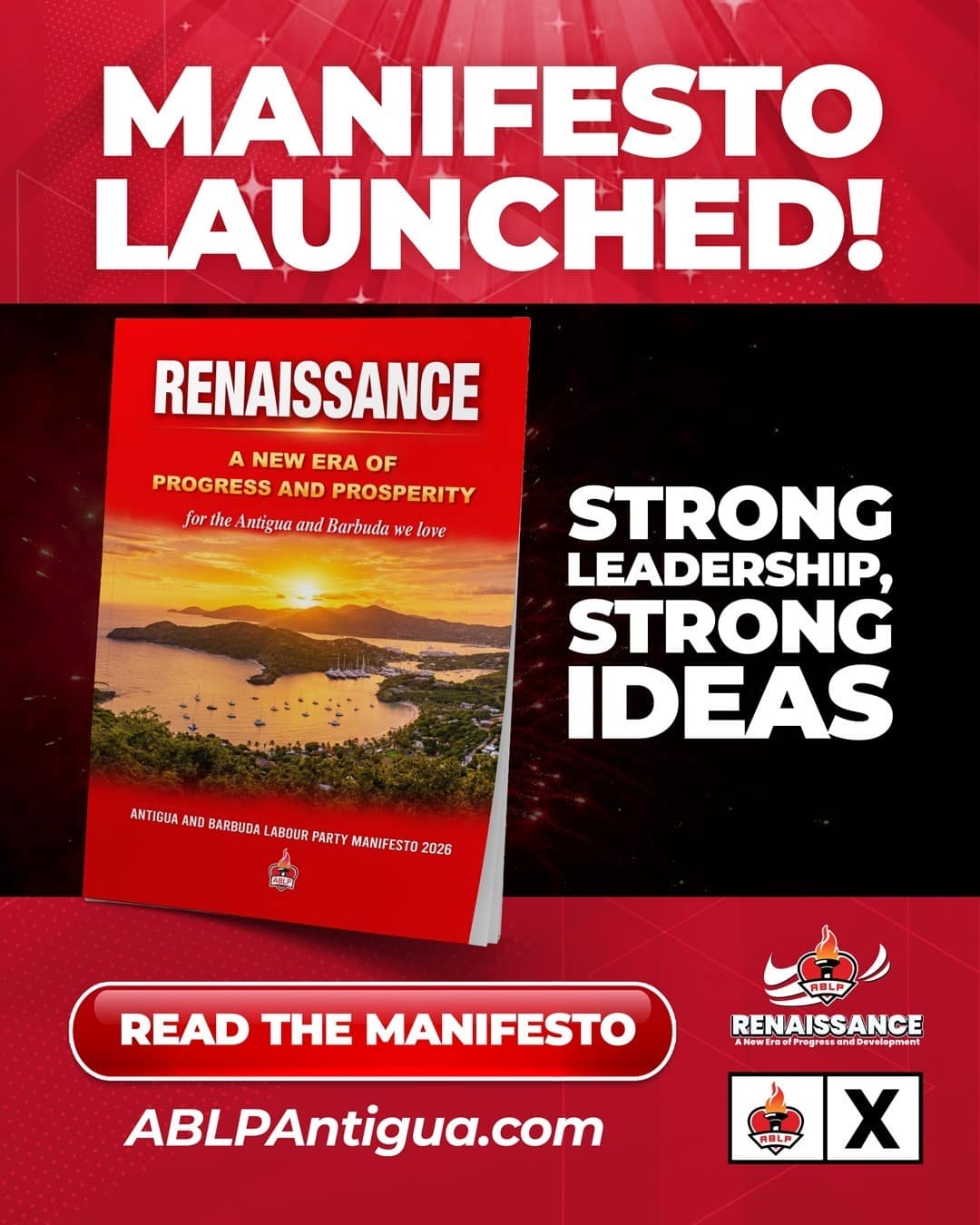
  • READ NOW: ABLP Manifesto 2026

    READ NOW: ABLP Manifesto 2026

    The Antigua Labour Party (ABLP), one of the major political parties in Antigua and Barbuda, has officially launched its 2026 general election manifesto, making the full policy document available for public download. This move marks a key milestone in the lead-up to the upcoming national vote, allowing voters, political analysts, and civil society groups to examine the party’s policy priorities ahead of casting their ballots.

    The release of the manifesto comes as political campaigning gains momentum across the twin-island nation, with parties beginning to outline their visions for the next five-year governing term. By making the document available for digital download, the ABLP has sought to improve accessibility, enabling constituents across both urban and rural areas, as well as voters living overseas, to review the party’s plans at their convenience.

    Political observers note that the early release of the manifesto gives the ABLP additional time to campaign on its policy proposals, engage in public debates with opposing parties, and address voter questions about its plans for economic growth, social development, infrastructure investment, and climate resilience – issues that top the agenda for many constituents in Antigua and Barbuda. The public availability of the full document also aligns with growing demands for greater transparency in political campaigning across the Caribbean region.