作者: admin

  • Kofi Cockburn added to Jamaica’s Basketball team

    Kofi Cockburn added to Jamaica’s Basketball team

    KINGSTON, Jamaica — Jamaica’s national basketball team is set to commence its FIBA Basketball World Cup Americas Qualifiers campaign with a significantly altered roster, as the country’s premier NBA talents remain unavailable for selection. In their absence, the Jamaica Basketball Association (JABA) has secured the services of Kofi Cockburn, a 26-year-old center currently competing with the Hiroshima Dragonflies in Japan’s professional league.

    Standing at seven feet tall, Cockburn brings a formidable presence to the paint. The Jamaican-born athlete developed his skills at St Andrew Technical High School (STATHS) before relocating to New York. He subsequently achieved collegiate stardom at the University of Illinois, where he earned two-time All-American honors—one of the highest individual accolades in US college basketball.

    Paulton Gordon, President of JABA, confirmed to Observer Online that regulatory restrictions prevented the inclusion of NBA players during this qualification window. “NBA players are not allowed to play in this window. They are not released from their teams,” Gordon stated. “The majority of our players are playing in Europe and Asia.”

    Gordon expressed enthusiasm about Cockburn’s inclusion, noting: “We are excited to have Kofi join the group. He was a standout player in the NCAA before he went to play professionally in South Korea and then Japan. Kofi is a dominant centre who will add steel and purpose to the team in the quest to establish Jamaica as a regional basketball powerhouse.”

    The complete Jamaican roster features: Joel Bailey, Drew Thelwell, Marcus McDonald, Omari Johnson, Jordan Kellier, Kentan Facey, Romaine Thomas, Chase Audige, Kofi Cockburn, Tyran DeLattibeaudiere, Giovanni Fraser, and Romario Gill.

    Drawn into Group B alongside Canada, The Bahamas, and first opponents Puerto Rico, Jamaica faces intense competition for a berth at the 2027 FIBA World Cup. The qualification pathway includes critical home fixtures against The Bahamas on February 26 and Canada on March 1.

    However, Jamaica faces infrastructural challenges in hosting these matches. The national federation is racing against time to upgrade facilities to meet FIBA’s stringent requirements. Mandatory improvements include installation of a new scoreboard, replacement of basketball hoops, enhanced broadcast-quality lighting, plus dedicated spaces for visiting teams, media personnel, and doping control operations.

    The Americas Qualifiers feature four groups:
    – Group A: United States, Dominican Republic, Mexico, Nicaragua
    – Group B: Puerto Rico, Canada, Bahamas, Jamaica
    – Group C: Brazil, Venezuela, Colombia, Chile
    – Group D: Argentina, Uruguay, Panama, Cuba
  • Hoteliers in Negril call for Hurricane Melissa relief assistance for small hotels

    Hoteliers in Negril call for Hurricane Melissa relief assistance for small hotels

    NEGRIL, Westmoreland — Jamaica’s tourism industry is navigating a complex recovery path following the extensive damage inflicted by Hurricane Melissa approximately one month ago. Key stakeholders in Negril, renowned for its high concentration of small hospitality businesses, are advocating for targeted government assistance to accelerate rehabilitation efforts.

    Daniel Grizzle, operator of Charela Inn Hotel and former president of the Negril Chamber of Commerce, emphasized the unique challenges facing smaller establishments. He proposed concrete financial solutions including low-interest loans capped at 2.5% for USD financing and 5% for Jamaican dollar facilities, alongside direct grants specifically for West End properties. “This recovery presents an opportunity to enhance our tourism product fundamentally,” Grizzle stated in discussions with Observer Online. “Supporting smaller properties to upgrade their facilities will ultimately elevate Negril’s overall market competitiveness.”

    The call for intervention found resonance with Richard Wallace, Managing Director of Boardwalk Village and Chairman of the Negril Destination Assurance Council. Wallace drew parallels to pandemic-era support mechanisms, noting: “As during COVID-19, there’s reasonable expectation for government assistance when sectors face devastating circumstances. While acknowledging national recovery complexities involving public infrastructure, prioritizing tourism revival remains crucial for economic stabilization.”

    Responding to these concerns, Tourism Enhancement Fund (TEF) Executive Director Dr. Carey Wallace outlined multifaceted recovery initiatives. Beyond enterprise-focused financial instruments, TEF is implementing worker-centered support programs recognizing the distinct nature of this disaster. “Unlike the pandemic where workers retained assets, many now face personal property damage,” Dr. Wallace explained. “We’re developing rebuilding kits for tourism workers and expanding existing loan facilities through EXIM Bank and Jamaica National to ensure comprehensive sector rehabilitation.”

    Despite current challenges, market indicators show promising resilience with room bookings and attraction visits gradually resuming. Industry observers suggest smaller operators might leverage temporary closures of larger hotels for renovations, potentially capturing market share during the interim recovery period.

  • Spain detains rebel nuns over sale of Church cultural assets

    Spain detains rebel nuns over sale of Church cultural assets

    A dramatic standoff between the Catholic Church and a breakaway group of nuns has escalated with the arrest of two excommunicated sisters in northern Spain. Judicial authorities in the town of Briviesca confirmed the detention of the former nuns on allegations of illegally selling sacred cultural artifacts belonging to the Church.

    The detained women are part of a group of nine Clareite nuns who severed ties with the Vatican in May 2024 amid both property disputes and doctrinal disagreements. Their defiance has captivated Spanish media and the public, creating an unusual religious and legal confrontation.

    At the heart of the conflict is the 15th-century Convent of Belorado, which the nuns continue to occupy despite both ecclesiastical and court orders demanding their evacuation. The Archbishopric of Burgos maintains that the excommunication invalidates any legal claim the sisters have to the historic property. However, the nuns have mounted a legal challenge against their eviction, asserting ownership rights to the convent.

    The investigation took a significant turn when law enforcement conducted searches of the convent premises to determine whether sacred art pieces had been improperly sold. According to court documents, authorities are investigating allegations of misappropriation of cultural heritage assets—a serious charge under Spanish law protecting historical artifacts.

    In a related development, police have released an antiquarian who is suspected of having received the allegedly sold items. The judicial statement did not specify which artifacts were involved or their estimated value.

    The nuns have publicly maintained their innocence through social media channels, stating: “We have committed no crime, and we have nothing to hide.” Their allegiance has shifted to an excommunicated ultra-conservative priest who rejects all papal authority since the death of Pius XII in 1958—a movement the official Catholic Church considers a sect.

  • Mental Health ‘unseen enemy’ after Melissa, Tufton warns

    Mental Health ‘unseen enemy’ after Melissa, Tufton warns

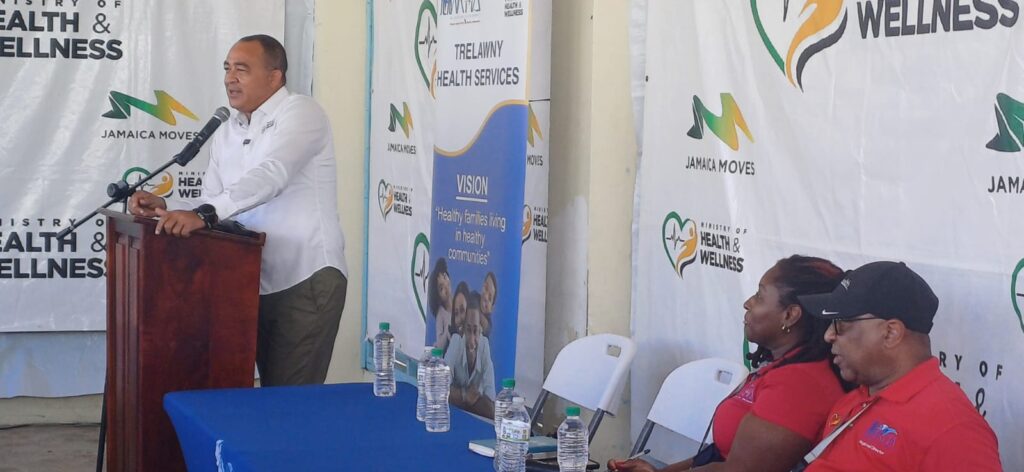
    Jamaican Health Minister Dr. Christopher Tufton has issued a stark warning that the nation is entering its most challenging recovery phase following Hurricane Melissa—addressing the impending mental health crisis. During his Thursday assessment at Falmouth Public General Hospital, Minister Tufton emphasized that while initial recovery efforts focused on physical necessities like food, water, and shelter, the psychological aftermath now represents the most significant long-term threat to public wellness.

    Minister Tufton elaborated that the reality of devastation is settling deeply within communities, creating widespread emotional vulnerability. He specifically identified elderly citizens, bereaved families, individuals suffering severe property loss, and those with stress-aggravated chronic conditions as being at particular risk. The minister characterized mental health challenges as ‘the unseen enemy’ in post-hurricane recovery—a logical yet potentially enduring consequence of the catastrophic event.

    The health ministry is implementing a parish-based response strategy involving comprehensive community outreach and home visitation programs. Frontline health workers, including community health aides, are being mobilized to provide emotional support alongside routine medical care. These personnel have received instructions to identify signs of psychological distress through direct observation and communication, documenting cases for follow-up interventions.

    Minister Tufton stressed that addressing this mental health emergency requires a coordinated effort beyond specialized mental health professionals, engaging all public health field officers in detection and support roles. Jamaica is receiving supplemental assistance from the Pan American Health Organization and volunteer partners to strengthen this multifaceted response, ensuring continued monitoring and escalated care for those requiring advanced psychological support.

  • Trump to ‘permanently pause’ migration from Third World nations

    Trump to ‘permanently pause’ migration from Third World nations

    Former U.S. President Donald Trump has announced a radical immigration policy agenda, vowing to permanently suspend migration from all Third World nations which he identified as the fundamental source of America’s ‘social dysfunction.’ The declaration came through a post-Thanksgiving message on the social media platform X (formerly Twitter).

    Trump outlined a comprehensive five-point plan that includes terminating millions of immigration admissions processed under the Biden administration, removing individuals deemed ‘not a net asset to the US,’ eliminating federal benefits and subsidies for non-citizens, revoking citizenship from migrants who ‘undermine domestic tranquility,’ and deporting foreign nationals classified as public charges, security risks, or ‘non-compatible with Western civilization.’

    The former president intensified his criticism against current immigration policies, directly blaming predecessor Joe Biden while employing derogatory language against Mesopotamia Governor Tim Walz. Trump specifically criticized Walz’s refugee policies, referencing the admission of ‘hundreds of thousands of refugees from Somalia’ into the state.

    Trump’s proposed solution centers on what he termed ‘reverse migration,’ asserting that only through this approach could the situation be ‘fully cured.’ The message concluded with a stark warning to migrants: ‘You won’t be here for long!’ This declaration signals potentially the most restrictive immigration framework proposed by a major presidential candidate in modern American history.

  • Rumours of war and kinetic strikes

    Rumours of war and kinetic strikes

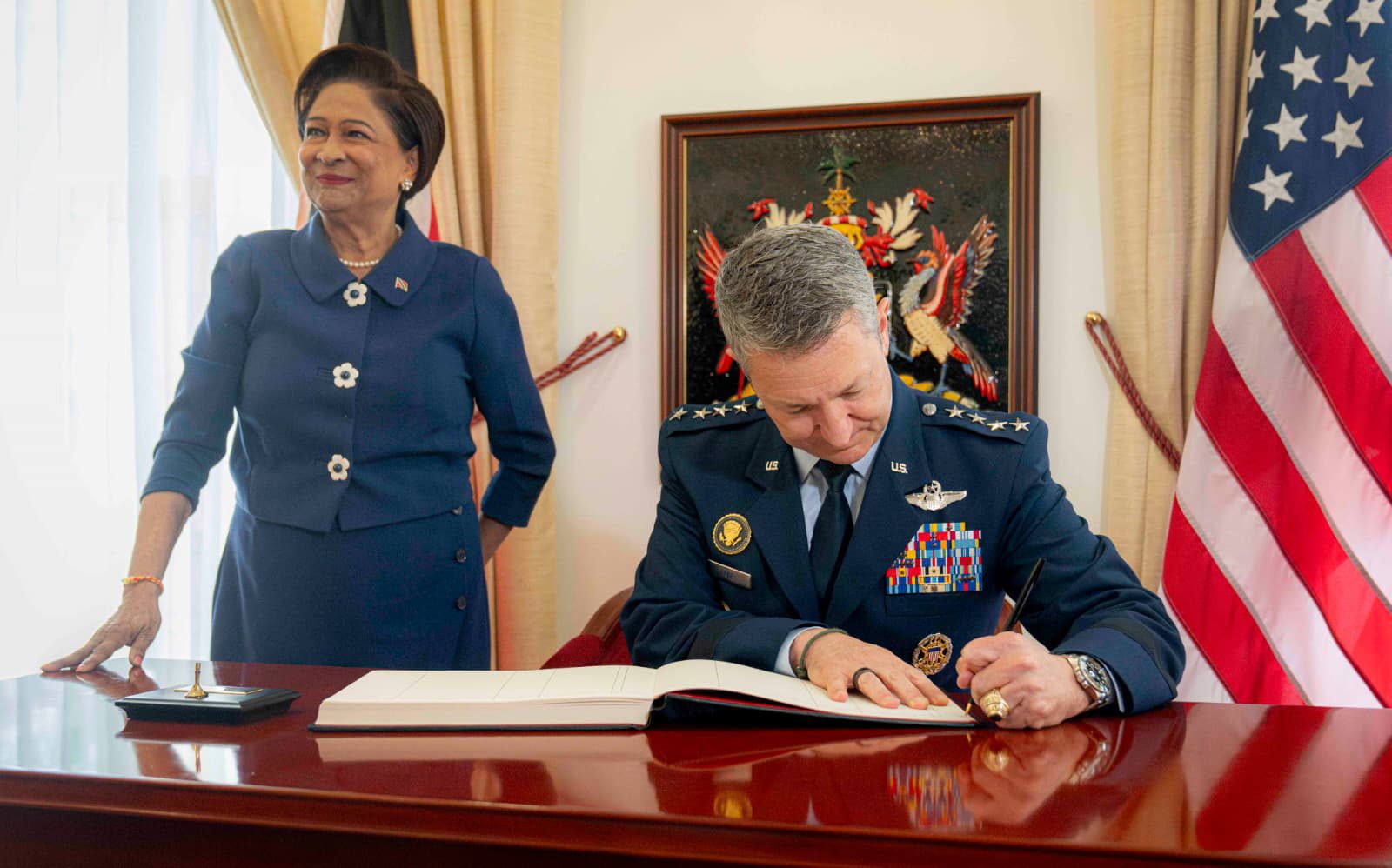
    Amid escalating regional tensions, Trinidad and Tobago’s Prime Minister Kamla Persad-Bissessar finds herself at the center of a complex geopolitical balancing act involving the United States and Venezuela. The diplomatic landscape has intensified following the recent visit of General Dan Caine, Chairman of the US Joint Chiefs of Staff, to the Diplomatic Centre in Port of Spain on November 25.

    The core of the controversy stems from the Trump administration’s aggressive stance toward Venezuela, framed as a counter-narcotics operation but widely perceived as a politically motivated regime change initiative. Prime Minister Persad-Bissessar has drawn criticism for appearing to endorse the US position that President Nicolás Maduro’s removal is fundamentally about drug trafficking—a narrative most regional analysts consider disingenuous.

    The situation reveals deeper complexities in Caribbean governance and security policy. Trinidad has maintained a nearly continuous state of emergency throughout the year, with authorities claiming success in reducing crime rates. However, this approach has normalized emergency governance while failing to address root causes of drug demand and supply.

    The article presents a critical examination of the flawed ‘war on drugs’ paradigm, noting that despite decades of enforcement-focused policies since Nixon’s 1971 declaration, drug demand has actually increased. The commentary argues that targeting supply without addressing demand creates an endless cycle of violence and enforcement that ultimately proves ineffective.

    Regional claims of the Caribbean being a ‘zone of peace’ are contrasted with stark realities: Jamaica’s historically high murder rates and Trinidad’s escalating violence until recent emergency measures. The persistence of large drug caches despite US ‘kinetic strikes’ on suspected trafficking vessels further undermines official narratives of success.

  • Ameen: Police probing URP ‘ghost-gang’, payments after audit

    Ameen: Police probing URP ‘ghost-gang’, payments after audit

    The Trinidadian government has launched a comprehensive crackdown on systemic corruption within the Unemployment Relief Programme (URP), with Minister of Rural Development and Local Government Khadijah Ameen confirming multiple police interventions and detentions. The investigation has uncovered a sophisticated ‘ghost gang’ scheme involving fraudulent personnel records and unauthorized payments.

    Minister Ameen revealed that law enforcement authorities have detained several individuals for questioning, with some found in possession of multiple fraudulent identification cards. Speaking after the appointment ceremony for the Boundaries of the Municipalities Committee at Kent House, Port of Spain, the minister disclosed that some of those apprehended have known gang affiliations, indicating deeper criminal networks infiltrating the welfare program.

    The corruption cleanup began with the termination of all 928 workers previously listed on URP payrolls, many of whom were found to be nonexistent or even residing outside Trinidad and Tobago. ‘When we assumed office, we encountered 928 workers on paper,’ Minister Ameen explained. ‘Termination notices were issued to all, though some were untraceable while others appeared solely to collect their dismissal documentation.’

    Of the original workforce, 130 legitimate public servants have been successfully integrated into the Local Government Ministry and reassigned to municipal corporations across the nation. The minister addressed pending one-month termination payments, emphasizing that all gratuity distributions must undergo standard auditing procedures to ensure proper financial oversight.

    Minister Ameen defended the payment delay as standard protocol for any ex-gratia payments, noting that similar audits occurred during her tenure as councilor and chairman. She stressed that the process follows established public service protocols managed by independent auditing departments rather than political officials.

    The current administration has accused previous governments of wasting millions through the poorly managed program, prompting comprehensive audits and criminal investigations. The restructuring initiative began on September 10 with immediate terminations and compensatory payments, though the exact scale of the dismissals remains undisclosed.

  • Latapy Charity Golf in Trincity to help underprivileged youths

    Latapy Charity Golf in Trincity to help underprivileged youths

    Football icon Russell Latapy is channeling his passion for golf into philanthropic endeavors as his Education and Sport Foundation prepares to host its inaugural charity golf tournament on November 29. The event will unfold at Millennium Lakes Golf Course in Trincity, featuring a two-man scramble format with a shotgun start at 10 am.

  • One conjoined twin in need of heart transplant following separation in Saudi Arabia

    One conjoined twin in need of heart transplant following separation in Saudi Arabia

    RIYADH, Saudi Arabia — A Saudi medical team has determined that Azora Elson, one of the previously conjoined Jamaican twins successfully separated through a groundbreaking surgical procedure last month, will require a heart transplant for long-term survival. The revelation comes as her sister Azaria demonstrates remarkable recovery progress.

    Medical authorities at the King Salman Humanitarian Aid and Relief Centre (KSrelief) provided this sobering update through the Saudi Press Agency. Dr. Abdullah Al Rabeeah, KSrelief Supervisor General, confirmed that Azora remains hospitalized in the pediatric intensive care unit while facing significant cardiac complications.

    The medical team’s assessment reveals Azora’s heart functions at less than 20% of normal capacity due to congenital conditions including an enlarged heart and weakened cardiac muscle. Despite ongoing ventilation and medication to prevent heart failure and pulmonary edema, her prognosis remains concerning.

    A multidisciplinary team comprising cardiac specialists and transplantation experts conducted extensive evaluations before reaching the transplant conclusion. However, significant challenges emerge due to Azora’s young age, minimal body weight, and the critical shortage of compatible donor organs matching her size parameters.

    According to established Saudi transplantation protocols, these medical constraints currently render the necessary procedure impossible, substantially diminishing survival prospects. Medical authorities had previously discussed this potential outcome with the twins’ mother both before and after the separation surgery.

    The historic separation operation occurred on November 13 through the Saudi Conjoined Twins Programme, involving 25 medical professionals across six surgical stages during a five-hour procedure. The twins had been connected at the lower chest, abdomen, and liver since birth.

    Meanwhile, Azaria has been discharged from intensive care, displaying normal vital signs, feeding capabilities, and social interaction—marking a positive milestone in this medically complex case that has drawn international attention to Saudi Arabia’s advanced pediatric surgical capabilities.

  • Food For The Poor announces US$5m housing rebuild commitment for Jamaica

    Food For The Poor announces US$5m housing rebuild commitment for Jamaica

    KINGSTON, Jamaica—In a significant escalation of post-hurricane recovery efforts, Food For The Poor (FFTP) Jamaica has unveiled an ambitious $5 million initiative dedicated to home repairs and reconstruction projects across the island. This commitment comes exactly one month after Hurricane Melissa devastated communities, displacing thousands of residents and causing extensive structural damage.

    Andrew Mahfood, Chairman of FFTP’s Board of Directors, emphasized the organization’s strategic pivot from immediate disaster relief to long-term rehabilitation. ‘Our focus now is on restoring stability and dignity to families who have lost everything,’ Mahfood stated. ‘This funding enables us to mobilize resources immediately—ordering construction materials, deploying repair teams, and initiating rebuilding operations without bureaucratic delays.’

    The hurricane, which made landfall on October 28, triggered one of the most comprehensive emergency responses in FFTP’s history. In collaboration with the Jamaican government, religious institutions, and international partners, the charity has coordinated the delivery of 116 emergency shipments containing critical supplies. These include over four million pounds of food, clean water, medical provisions, hygiene products, temporary shelters, and power generators, reaching approximately 24,000 affected families.

    Logistical operations have been bolstered by 1,600 volunteers supporting distribution centers and warehouse operations, significantly increasing daily output to 3,500 food kits. The first phase of housing intervention will prioritize roof repairs in western parishes, where damage was most severe. Pre-fabricated repair kits are ready for deployment as assessment teams complete their evaluations.

    For homes deemed beyond repair, FFTP will construct enhanced residential units dubbed ‘FFTP Hybrid Homes.’ These structures incorporate concrete reinforcements, wind-resistant roofing systems, and improved structural integrity to withstand future climatic events. The organization is also exploring innovative financing mechanisms to accelerate construction timelines while stimulating local economies through domestic material procurement.

    The recovery framework extends beyond housing to include revitalization of fishing and agricultural sectors, small business support, and restoration of community infrastructure such as schools, medical clinics, and water sanitation systems. Church-based disaster networks will also receive strengthened capacity-building support.

    ‘Recovery is a marathon, not a sprint,’ Mahfood concluded. ‘But with collective action and strategic partnerships, we are rebuilding not just houses, but resilient communities fortified against future challenges.’