
For emerging writers, navigating a landscape dotted with constant rejection, every nod of recognition carries far more meaning than just an award nod — it is validation that their creative voice and chosen path matter. For St. Lucian writer Tresha Lionel, that validation came recently when she spotted her name on the longlist for the prestigious Commonwealth Short Story Prize, marking the second time her work has earned a place among the competition’s standout entries.\n\n”I was really happy about it… It’s a sort of validation that I’m on the right path,” Lionel shared in an interview with local outlet St Lucia Times, reflecting on the moment she learned of her longlisting. Lionel knows firsthand how unforgiving the submission process can be for working writers. “Being a writer and sending in submissions can mean a lot of rejection, so any acceptance and recognition feels great,” she added.\n\nLionel’s first recognition from the prize came for her earlier work *God Don’t Need Long Pants*, a deeply personal narrative that centered on her grandmother’s illness and the heavy emotional toll it placed on her entire family. Today, as she pursues a Master’s degree in Creative Writing, her work remains firmly rooted in the lived experiences, communities, and landscapes that shaped her growing up in Vieux Fort’s Shanty Town neighborhood. All of her stories draw from the people, spaces and quiet, overlooked moments she has known intimately.\n\nThe longlisted story at the center of her latest recognition is *A Soft Place*, a nuanced narrative that follows a woman’s lifelong, evolving search for safety that begins in early childhood and unfolds across decades of adulthood. At the core of the story is the thematic exploration of “softness” — a concept Lionel frames as both a literal and symbolic journey toward emotional safety, rest, love, and an escape from cycles of violence. \n\n”I write about memory, survival and joy in our ordinary lives and the deeper truths held within them. I focus on community. As a writer, I think I’m really an observer trying to make sense of the world around me,” Lionel explained of her creative focus. “Certain themes are really important to me. Softness, for example, is a theme because it operates as both a literal and symbolic pursuit by representing emotional safety, rest, love and escape from violence. I write it in because I think in the end we all seek and want some softness.”\n\nWeaving between past and present, across rural and urban regions of Saint Lucia, the narrative unpacks how family bonds, collective memory and community ties shape the search for personal comfort. It also confronts a universal, underdiscussed reality: that the spaces and people we perceive as safe can be taken from us, or shift irreversibly, over the course of a lifetime.\n\nAnother core layer of the story explores the tension between Kwéyòl (Saint Lucian Creole) and standard English — a dynamic Lionel experienced growing up firsthand. Her grandmother spoke only Kwéyòl, but the language was actively discouraged in formal school settings. For Lionel, this contrast is not merely about language itself; it is a broader exploration of cultural identity and which forms of knowledge are deemed valuable by dominant institutions. It is this kind of quiet, deeply felt, often overlooked detail of everyday Caribbean life that she prioritizes capturing in her prose.\n\nBreaking down the story’s core arc in her own words, Lionel explained: “My story, *A Soft Place*, traces a woman’s lifelong search for safety, comfort, and emotional refuge. Beginning in childhood, she associates softness with her mother’s hair and body. As she grows, these sources of comfort are repeatedly taken away or transformed, forcing her to find new, often temporary, forms of refuge. The narrative moves between past and present, rural and urban Saint Lucia, between memory and reality and shows how cultural knowledge, family, language, and community shape her understanding of survival. As an adult, she navigates exhaustion, responsibility, and political possibility, returning finally to a fragile but real moment of connection. The story follows parts of my own life and my observations living in Shanty Town, Vieux Fort, working as a journalist, and engaging in Saint Lucia’s political landscape.”\n\nFor Lionel, this latest longlisting reinforces that the deeply personal, community-centered stories she chooses to tell resonate beyond the borders of her home island, earning a place on a global literary stage.
作者: admin
-
Canawaima-bond: betaling voorzitter rechtmatig, ophef komt op opvallend moment
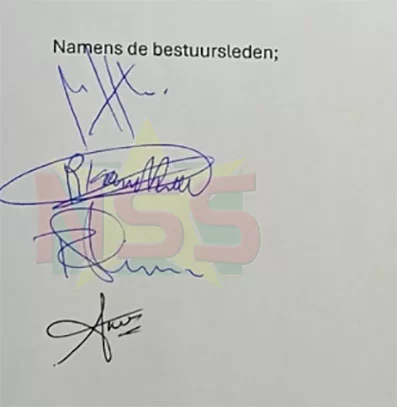
On April 24, the Canawaima Workers Organization issued an official statement addressing growing public controversy surrounding a reported $5,000 payment to its president, Dayanand Dwarka, pushing back against public scrutiny by clarifying the legitimacy and intended purpose of the transfer. The union emphasized that the sum is a fully authorized contribution to cover work-related expenses incurred by Dwarka during his tenure leading the organization.
-
WATCH: Night two of Barbados Reggae Weekend ignites with high-energy start
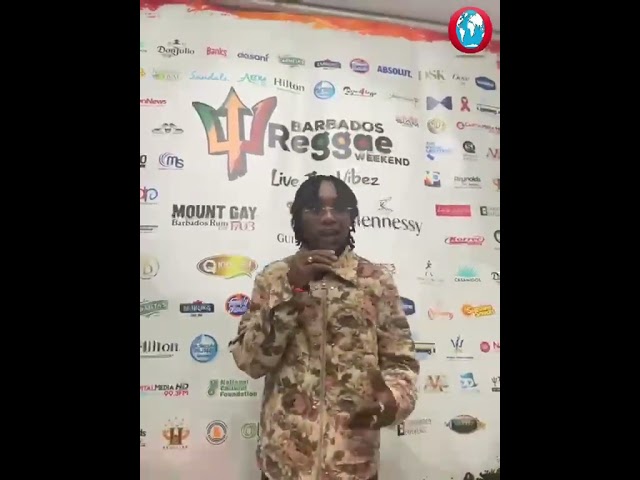
The second night of one of Barbados’ most anticipated reggae gatherings, Barbados Reggae Weekend, has exploded into life at Bridgetown’s iconic Kensington Oval, launching with high-octane opening performances that set a fiery tone for the evening ahead. Up-and-coming acts Idea The Artist and Weather 40 delivered dynamic, crowd-engaging sets that got thousands of gathered fans on their feet early, stoking excitement for the evening’s headlining performers. As ticketholders continued streaming through the venue gates long after the event kicked off, all eyes and expectations are fixed on two of reggae’s biggest names: beloved dancehall star Popcaan and legendary Jamaican artist Capleton, who is affectionately known to fans around the world as “the Fireman” for his explosive stage presence. Many attendees at the event have been repeat visitors for years of Barbados Reggae Weekend, and in on-the-ground interviews with Observer Online, they shared what draws them back to the festival year after year. For these loyal fans, it is the unbeatable, one-of-a-kind collective energy and community vibe that keeps the event at the top of their annual must-attend entertainment lists, turning the reggae gathering into a beloved tradition for casual listeners and die-hard reggae fans alike. Local entertainment journalist Dana Malcolm reported on the opening of the night’s festivities from the venue.
-

Trump evacuated as shooter opens fire at Washington gala event
On a Saturday evening at one of Washington D.C.’s most high-profile annual gatherings, a sudden burst of gunfire triggered chaotic evacuations and turned a glamorous media gala into a major national security incident, forcing U.S. Secret Service agents to rush former president Donald Trump offstage mid-event. The incident unfolded at the Washington Hilton’s ballroom, where hundreds of black-tie guests including First Lady Melania Trump, top Trump administration officials, and leading national journalists had gathered for the first White House Correspondents’ Dinner (WHCA) that Trump would attend during his current second term in office.
According to official accounts from Trump shortly after he was safely evacuated to the White House, an armed suspect pushed through external security checkpoints just outside the event space, carrying multiple weapons with him before Secret Service personnel intervened. “A man charged a security checkpoint armed with multiple weapons, and he was taken down by some very brave members of the Secret Service,” Trump told reporters at a hastily assembled press briefing. Initial investigations point to the suspect acting alone, a conclusion Trump endorsed: “They seem to think he was a lone wolf, and I feel that too.” The suspect was taken into custody at the scene, and Trump confirmed that one responding Secret Service officer sustained a close-range gunshot wound, though the injury was not believed to be life-threatening.
Witnesses described scenes of widespread panic as guests scrambled for cover, diving under banquet tables while tactical teams swarmed the venue. Armed police locked down the entire Washington Hilton complex, with law enforcement helicopters circling overhead amid the emergency response. The incident occurred after opening welcome remarks, during the dinner service, just moments before Trump was scheduled to deliver his keynote address. Administration officials were prioritized for evacuation as confusion spread through the crowd; Cabinet member Mehmet Oz confirmed to reporters on his way out that shots had been fired on the upper level of the venue.
This latest security scare marks the third documented assassination attempt against Trump in less than a year. In July 2024, a shooting at a campaign rally in Butler, Pennsylvania left one attendee dead and Trump with a minor gunshot wound to the ear. Just months later, a second man was arrested after a Secret Service agent spotted a rifle barrel protruding from brush along the perimeter of Trump’s West Palm Beach golf course, where the former president was playing a round. Adding an extra layer of historical gravity to the incident, the Washington Hilton itself carries a dark legacy of presidential assassination attempts: it was the same location where 40th U.S. President Ronald Reagan was shot and seriously wounded by a would-be assassin just two months after taking office in 1981.
In the wake of the breach, Trump acknowledged longstanding concerns about security at the venue, admitting that the facility was “not a particularly secure” space – a comment that is sure to reignite scrutiny of the Secret Service following a string of recent high-profile security lapses surrounding the president. Despite the scare, Trump confirmed his commitment to holding the rescheduled event, saying he planned to postpone the gala no more than a month out.
Event organizers initially attempted to calm guests by indicating the dinner would proceed, before reversing course and formally announcing a postponement. This year’s WHCA dinner carried extra symbolic weight: after decades of tradition that sees sitting U.S. presidents attend the annual gathering, Trump refused to participate in the event throughout his first term in office, marking a break from 100 years of precedent. Even amid Trump’s repeated public attacks on the mainstream media, the WHCA extended an invitation to him this year, drawing widespread attention from political and media circles across the capital.
Colloquially nicknamed the “Nerd Prom” by attendees, the annual dinner brings together hundreds of Washington-based journalists, media executives, and political figures to raise funds for journalism scholarships and recognize excellence in political reporting. Unlike most years, which feature a stand-up comedian delivering sharp, often satirical jokes about the sitting president (who traditionally delivers his own comedic set in response), no comedian was booked for the 2025 event.
-

Allen calls for answers over conditions at Cornwall Regional Hospital
In St James, Jamaica, a senior opposition political figure has sounded the alarm over persistent dangerous shortcomings at one of western Jamaica’s largest public healthcare facilities, calling for immediate transparency and remedial action from the island’s public health leadership.
Janice Allen, the People’s National Party (PNP) caretaker candidate for the St James Central constituency, labeled the ongoing crisis at Cornwall Regional Hospital a catastrophic systemic breakdown in a public statement released Saturday. The facility functions as a key regional medical hub, serving tens of thousands of residents across St James parish and the entire western corridor of Jamaica.
Allen emphasized that the facility’s problems have festered for nearly a decade, with successive rounds of government promises to resolve the issues failing to deliver tangible improvements. At the core of the current disruption is an eight-year-long renovation project that has severely squeezed available capacity, upended routine medical services, and pushed both overstretched patients and under-resourced healthcare staff to their breaking point.
The latest breaking point came following reports of a recent patient death, in which a local woman allegedly died waiting multiple days for care after hospital staff were unable to assign her an available inpatient bed. Allen stressed that if these allegations are confirmed, the tragedy is not merely an institutional failure—it is a profound moral failure on the part of the authorities tasked with protecting public health.
She has issued a formal call for full clarification from three top health bodies: Jamaica’s chief medical officer, the national minister of health, and the Western Regional Health Authority. Allen is demanding clear answers on key details of the fatal incident: the exact length of the patient’s wait, what (if any) medical interventions she received before her death, and why no bed could be made available to her despite years of planned renovation work.
Beyond the specific incident, Allen is pressing for public answers to broader longstanding questions about the facility: what is the current state of staffing shortages, what is the actual functional bed capacity at the hospital right now, how well can the facility’s emergency department respond to critical cases, and why have these problems remained unresolved long after the rehabilitation project was initiated?
Allen closed by stating that the situation demands full transparency and urgent intervention from health leaders. She reiterated that the Jamaican public is owed meaningful improvement: better working conditions and support for frontline hospital staff, increased targeted resourcing to resolve capacity gaps, and tangible action to rebuild public trust in the national healthcare system.
-

Peterkin calls for reopening of Maryland-Woodford main road after landslide
KINGSTON, Jamaica — When intense downpours swept across eastern Jamaica late Tuesday, the rainfall triggered dangerous landslides that shut down the critical primary highway connecting the communities of Maryland and Woodford. Days after the blockage, People’s National Party (PNP) caretaker candidate for the St Andrew East Rural constituency Patrick Peterkin is sounding the alarm, demanding the National Works Agency (NWA) move immediately to clear debris and reopen the impassable route.
In an official public statement issued Saturday, Peterkin outlined the far-reaching fallout of the road closure, which has cut off access to multiple local communities including Happy Gate District, Cambridge, Woodford, and Free Town District. For thousands of residents in these areas, daily routines have been upended by the loss of the main thoroughfare. With the direct route blocked, locals are forced to detour through winding Norbrook Hill, a diversion that adds 30 to 45 minutes to every one-way commute. Beyond the lost time, transportation costs have jumped by at least 100 percent, piling new financial pressure on households already struggling with rising cost-of-living burdens across the island.
“This outcome is completely unacceptable,” Peterkin emphasized. “Residents are already feeling the strain of this disruption, and they deserve immediate relief to restore their access to work, school, and essential services.”
Beyond the urgent call for debris removal and road reopening, Peterkin stressed that national and local agencies need to adopt a more coordinated, rapid response framework for weather-related infrastructure failures. He argued that quick action is non-negotiable to restore normalcy and stability for the thousands of residents impacted by the closure.
Most notably, Peterkin is pushing for permanent, long-term solutions to address the recurring cycle of landslides and road damage that plagues the hilly St Andrew East Rural region. He linked the increasing frequency of these weather-related disruptions to growing climate volatility, noting that Jamaica has seen more unpredictable and extreme rainfall patterns in recent years.
“We cannot keep relying on a reactive, patchwork approach to this problem,” Peterkin said. “We need sustained, targeted investment in robust drainage networks, engineered slope stabilization, and climate-resilient infrastructure that can prevent these disruptive closures from becoming a repeated nightmare for local residents.”
Peterkin closed by reassuring constituents that he would continue amplifying their concerns to national infrastructure agencies. He committed to both pushing for immediate action to reopen the blocked road and advocating for long-term interventions that protect resident access and livelihoods across the St Andrew East Rural constituency for years to come.
-
Caribbean hits 95 per cent childhood vaccination target
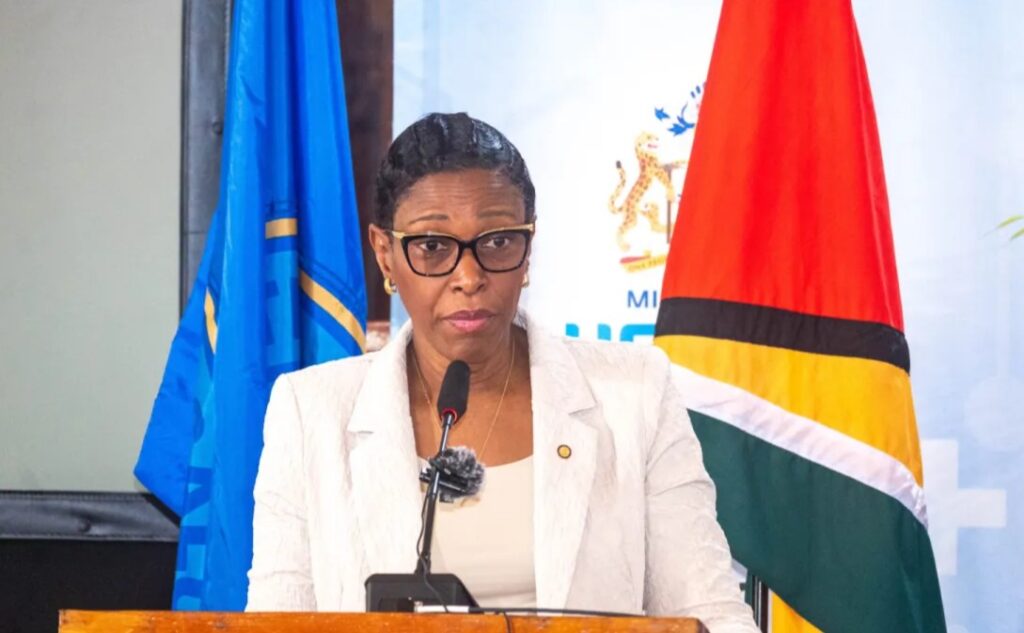
GEORGETOWN, Guyana — Public health leaders announced a landmark public health achievement for the Caribbean region over the weekend, with overall childhood vaccination coverage climbing to the Pan American Health Organization’s (PAHO) 95% target, up three percentage points from 2022’s 92% rate. The milestone was unveiled during the official launch of Guyana and Caribbean Vaccination Week 2026 by Dr. Rhonda Sealey-Thomas, Assistant Director of PAHO.
Dr. Sealey-Thomas emphasized that this breakthrough does not happen by accident: it is the direct outcome of long-term, consistent investment in regional public health infrastructure, unwavering political commitment to immunization priorities, and the tireless frontline work of healthcare workers across every Caribbean island and mainland territory. Several nations have already set a regional example, she noted, with Guyana, Montserrat, and St. Vincent and the Grenadines securing full 95%+ coverage across multiple categories of routine childhood immunizations.
Despite the celebratory note of the announcement, Dr. Sealey-Thomas issued a urgent caution that retaining this hard-won progress will demand constant vigilance and ongoing commitment. “The progress we have made is meaningful, but much more remains to be done…Achieving and sustaining at least 95 per cent coverage for all antigens is essential,” she stated.
The warning comes as the broader Americas region faces a growing public health threat: declining vaccination coverage in some areas has fueled a dramatic resurgence of measles, a highly contagious vaccine-preventable disease. PAHO data shows more than 15,000 confirmed measles cases were recorded in the first months of 2026 alone — a total that already exceeds the entire caseload reported across the region in 2025.
This resurgence underscores four non-negotiable pillars of effective immunization programming, Dr. Sealey-Thomas explained: robust disease surveillance systems to track outbreaks early, sustained public confidence in vaccine safety and efficacy, equitable timely access to immunizations for all communities, and consistent long-term investment in immunization programming.
Guyana’s Public Health Minister Frank Anthony echoed these remarks, sharing details of his nation’s successful strategy to maintain coverage above 95% for most routine vaccine antigens, even in hard-to-reach areas. To expand access to remote hinterland communities that have long faced barriers to healthcare, the Guyanese government has prioritized upgrading critical immunization infrastructure: investing in modern cold-chain storage facilities, solar-powered refrigeration units that work reliably in off-grid areas, improved cross-country vaccine transport networks, and specialized training for frontline healthcare workers delivering shots in isolated locations.
Anthony stressed that infrastructure investment means nothing without tangible impact on community health. “It makes no sense if you have the vaccine and it is nicely stored in the fridge…You have to put it in somebody’s arm so that it can work to protect that person,” he said.
-
Caribbean diaspora in NY ‘heartbroken’ over passing of Jamaican-born community board chair
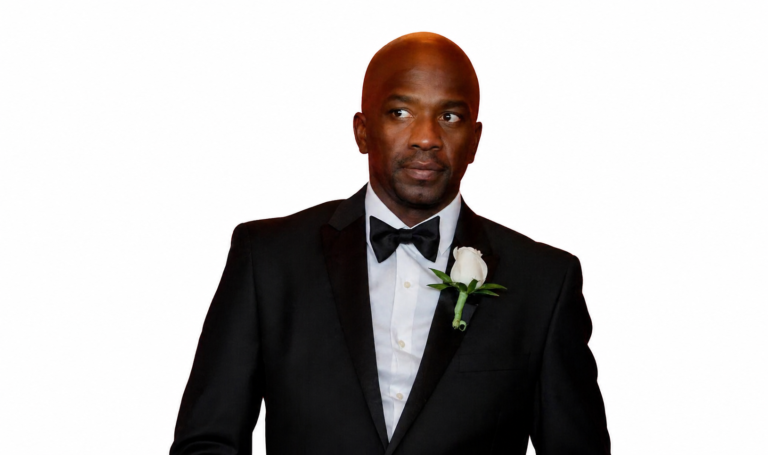
BROOKLYN, N.Y. — Tributes are pouring in from across New York City’s Caribbean diaspora following the death of Rodrick F. Daley, the Jamaican-born chair of Brooklyn’s Community Board 17, who passed away on April 13 at the age of 54.
First established through a 1975 New York City charter amendment, community boards are city-wide local advisory bodies that weigh in on critical neighborhood issues ranging from land use and zoning to municipal budget allocations, public service delivery, and overall community well-being. There are 59 such boards across the five boroughs, and CB17 serves a large swath of Central Brooklyn with a dense Caribbean immigrant population. Daley, who migrated to Brooklyn from Jamaica in 1982, led that board for years, becoming one of the most recognizable and respected advocates for the local community.
Local elected officials and community partners have highlighted Daley’s far-reaching impact across public education, youth development, civic leadership, and Caribbean cultural preservation. Brooklyn City Council Member Farah N. Louis, whose district covers parts of the area served by CB17, remembered Daley as a multi-faceted, tireless leader whose contributions would endure for generations. “I am heartbroken by the passing of Chairman Rodrick Daley — a devoted District 45 resident, dedicated educator, gifted athlete, celebrated domino champion, and unwavering community leader, whose impact on Central Brooklyn will be felt for generations,” Louis told Caribbean Media Corporation in a recent interview. Through his leadership of CB17, Louis noted, Daley championed equitable neighborhood development, centered the voices of marginalized residents, and served the community with equal parts strength and empathy. Even as he battled illness in his final months, he continued to show up for his neighbors with remarkable grace and resilience, she added.
Fellow City Council Member Mercedes Narcisse, who represents Brooklyn’s 46th District, echoed those sentiments, calling Daley a decades-long fixture of the local community whose loss is felt across every neighborhood he touched. Before his work in civic leadership, Daley spent more than 25 years serving New York City’s public schools, where he did far more than teach — he built transformative programs that helped young people build confidence and envision brighter futures. He developed youth mentorship initiatives, organized study abroad opportunities for middle school students, and launched student government programs, operating from the belief that learning extends far beyond the four walls of a classroom. As Narcisse shared, Daley was still planning new community projects just weeks before his passing: just recently, he met with her to discuss a collaborative youth baseball tournament for the district. “He wasn’t slowing down. He was still planning, still building, still showing up for the young people of this community,” Narcisse said. “Brooklyn has lost a giant.”
State Assemblywoman Jaime Williams, who represents Brooklyn’s 59th Assembly District, called Daley one of the rare extraordinary individuals who leave a permanent, positive mark on every community they touch. Williams recalled collaborating with Daley on international relief work in Jamaica following Hurricane Melissa, where she saw firsthand his unwavering dedication to helping others in need. “As chairman of Community Board 17, he demonstrated an unwavering commitment to serving his community with compassion and purpose,” Williams said. “He was the kind of person we all hope to be, and may he rest in peace.”
Beyond civic leadership and education, Daley was a passionate advocate for preserving and lifting up Caribbean cultural institutions across Brooklyn. Anne-Rhea Smith, a Brooklyn-based community engagement professional and board member of the West Indian-American Day Carnival Association (WIADCA), the organizer of the iconic annual West Indian-American Day Carnival Parade, described Daley as a pillar of service and advocacy for the Caribbean community. Over decades of work, he supported local cultural groups including mas bands and steel orchestras, and worked tirelessly to ensure these organizations had access to the critical resources they needed to thrive, including dedicated rehearsal and performance spaces. He also helped smaller community groups navigate complex city and state bureaucratic systems, offering guidance, hosting capacity-building trainings, and helping them build the operational infrastructure to sustain their work long-term.
A proud Jamaican, Daley wove his cultural heritage into every aspect of his work, using it as a unifying bridge to empower diverse immigrant communities across Brooklyn, Smith said. WIADCA released an official statement extending its deepest condolences to Daley’s family, friends and colleagues, noting that his unwavering commitment to equity, access and sustainability for Caribbean cultural traditions strengthened the foundation of New York’s annual Carnival celebration. “His legacy of service, advocacy and cultural pride will not be forgotten,” the association wrote.
A retired assistant principal with the New York City Department of Education, Daley began his teaching career in the mid-1990s at Brooklyn’s South Shore High School. In 2001, he joined the faculty of Meyer Levin Intermediate School 285 — the same middle school he attended as a young immigrant. He later moved to Prospect Heights High School, where he worked as a Spanish teacher and dean before advancing to school administration. Daley held a Bachelor’s degree in Spanish from Haverford College in Pennsylvania and a Master’s of Science in Education from the College of Mount Saint Vincent.
Daley is survived by his wife Garcia, his childhood sweetheart, and their five sons: Stephon, Carter, Christian, Grayson and Cooper. Public funeral services are scheduled for May 1 at Miracle Temple Ministries on Thomas Boyland Street in Brooklyn, with a second service to follow the next day at Liberty Hall Cathedral of Praise on East 96th Street. He will be interred at Brooklyn’s Canarsie Cemetery after the services.
-
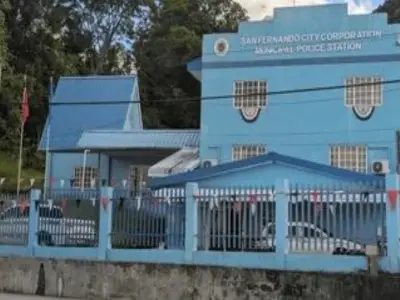
Trinidadian cop, two others charged in police station attack
PORT OF SPAIN, Trinidad – A brazen early-morning attack on a southern Trinidad police station that left an acting police corporal dead and a cache of weapons stolen has resulted in criminal charges against three suspects, one of whom is a serving municipal police officer, Trinidadian law enforcement officials confirmed this week.
The 42-year-old victim, Anuska Eversley, a mother of three, was discovered dead with visible signs of violence at the San Fernando Municipal Police Station on Lady Hailes Avenue shortly before 5 a.m. on the Sunday of the incident. First responders soon uncovered that multiple firearms and rounds of ammunition had been stolen from the station’s secured armoury, launching a widespread, multi-district manhunt for perpetrators.
Trinidad and Tobago Police Commissioner Allister Guevarro told local media outlet the Trinidad Guardian that charges were formally filed only after Director of Public Prosecutions Roger Gaspard issued a formal directive authorizing investigators to move forward with the case. The three accused are 28-year-old municipal police officer Jivan Cooper, a 24-year-old scrap iron dealer, and a 20-year-old construction worker. All three face four joint criminal charges: murder, robbery with violence, firearms trafficking, and illegal possession of ammunition.
Guevarro explained that the charges came after a series of synchronized law enforcement operations across Claxton Bay, Gasparillo, Macaulay and their surrounding communities. Those raids not only led investigators to the suspects but also yielded a major seizure of illegal weapons: authorities recovered 44 firearms alongside large stockpiles of ammunition and high-capacity gun magazines.
“These charges arise out of coordinated enquiries and recovery operations conducted over the past several days,” Guevarro said. The commissioner added that the investigation remains active, with law enforcement continuing to work to identify additional co-conspirators and recover more stolen and illicit weapons.
Officials have not yet released a final count of how many weapons were taken from the police station armoury, as Guevarro confirmed that a full official audit of the armoury inventory is still ongoing. In the aftermath of the killing and breach of the police facility, top leadership of the Trinidad Municipal Police Service has undergone a temporary shake-up: Service head Surrendra Sagramsingh has been placed on administrative leave, with former official Wayne Mystar stepping in to serve as acting head. Additionally, five officers assigned to the San Fernando station have been suspended with pay pending the outcome of the internal and criminal investigation into the incident.
-
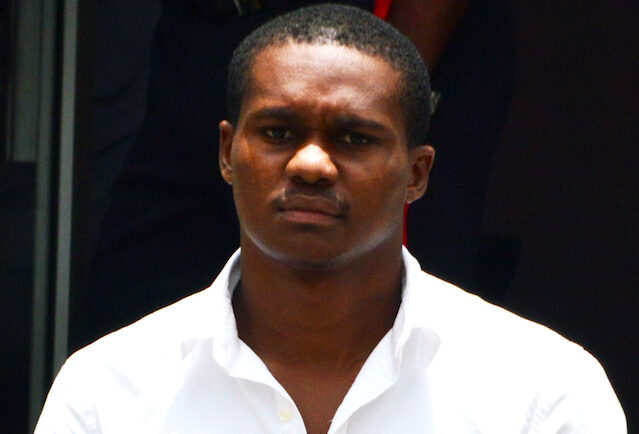
Man who killed Rihanna’s cousin gets a 38-year prison sentence
BRIDGETOWN, Barbados – In a landmark sentencing that underscores judicial efforts to curb rising gun violence in the country, a Barbadian court has handed down a nearly 40-year prison term to a man convicted of murdering the cousin of global pop icon and Barbados national hero Rihanna.
Shawayne Deshawn Williams received a sentence of 38 years and 138 days from the High Court on Friday. The conviction stems from the December 2017 fatal shooting of 21-year-old Tavon Alleyne, who was gunned down near his home on Boxing Day that year. Williams has repeatedly asserted his innocence despite the jury’s guilty verdict delivered earlier in 2024.
In her sentencing remarks, Justice Laurie-Anne Smith-Bovell emphasized that national courts hold a critical responsibility to safeguard communities and deter the proliferation of illegal firearms across the island. Drawing guidance from the 2003 Director of Public Prosecutions Reference, the judge noted that widespread public anxiety over gun-related crime demands clear, harsh sentencing that signals zero tolerance for violence.
“Public concern about illegal firearms and violence and the need for general deterrence must be reflected in the sentences passed by the courts,” Smith-Bovell stated. “The public are entitled to expect the courts to play their part in fighting the proliferation of firearms and violence.”
Court testimony laid out the details of the 2017 killing: Alleyne had just exited a taxi near his residence at approximately 7:00 p.m. on Boxing Day when he was struck by multiple gunshots. One eyewitness positively identified Williams as the individual seen fleeing the shooting scene, while a second witness confirmed Williams was present in the immediate area both shortly before and after the attack occurred.
Smith-Bovell detailed a series of aggravating factors that shaped the harsh sentence, including clear evidence the killing was premeditated. Williams used an unregistered firearm that has never been recovered by law enforcement; the victim was unarmed when he was ambushed in a public residential area; and the killing was confirmed to be an act of retaliation tied to a previous shooting incident involving Williams.
The judge set an initial base sentence of 39 years, then added additional time to account for Williams’ prior criminal record and documented risk of reoffending. The sentence was reduced only to give credit for time Williams already served in remand detention, as well as to account for procedural delays during the legal process.
Alongside the prison term, Williams was ordered to complete a range of rehabilitation programs during his incarceration at Dodds Prison, including academic courses, vocational training, and ongoing psychological counseling to address harmful behavioral patterns.
The Director of Public Prosecutions, Alliston Seale SC, had previously argued for an even harsher sentence, recommending that Williams serve between 43 and 45 years behind bars given the severity of the aggravating factors in the case.