作者: admin

  • Barbadians’ own ‘thanksgiving’ at Independence

    Barbadians’ own ‘thanksgiving’ at Independence

    As Barbados approaches its 59th Independence anniversary, citizens across Bridgetown are engaging in profound reflection on gratitude despite facing economic pressures and personal hardships. The collective sentiment reveals a remarkable resilience rooted in faith, community, and appreciation for life’s fundamental blessings.

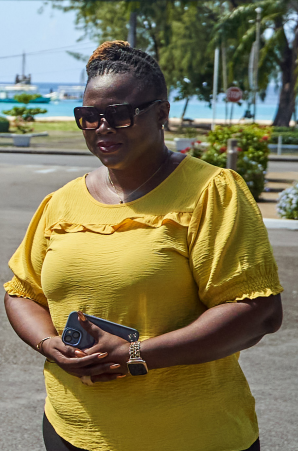
    Amid supermarket price surges and recovery from Hurricane Melissa’s near-miss, residents consistently emphasize thankfulness for divine protection and daily sustenance. Allison Jack articulated this duality: “We have much to thank God for despite current expenses. Being spared from the hurricane while living to offer praise remains paramount.”

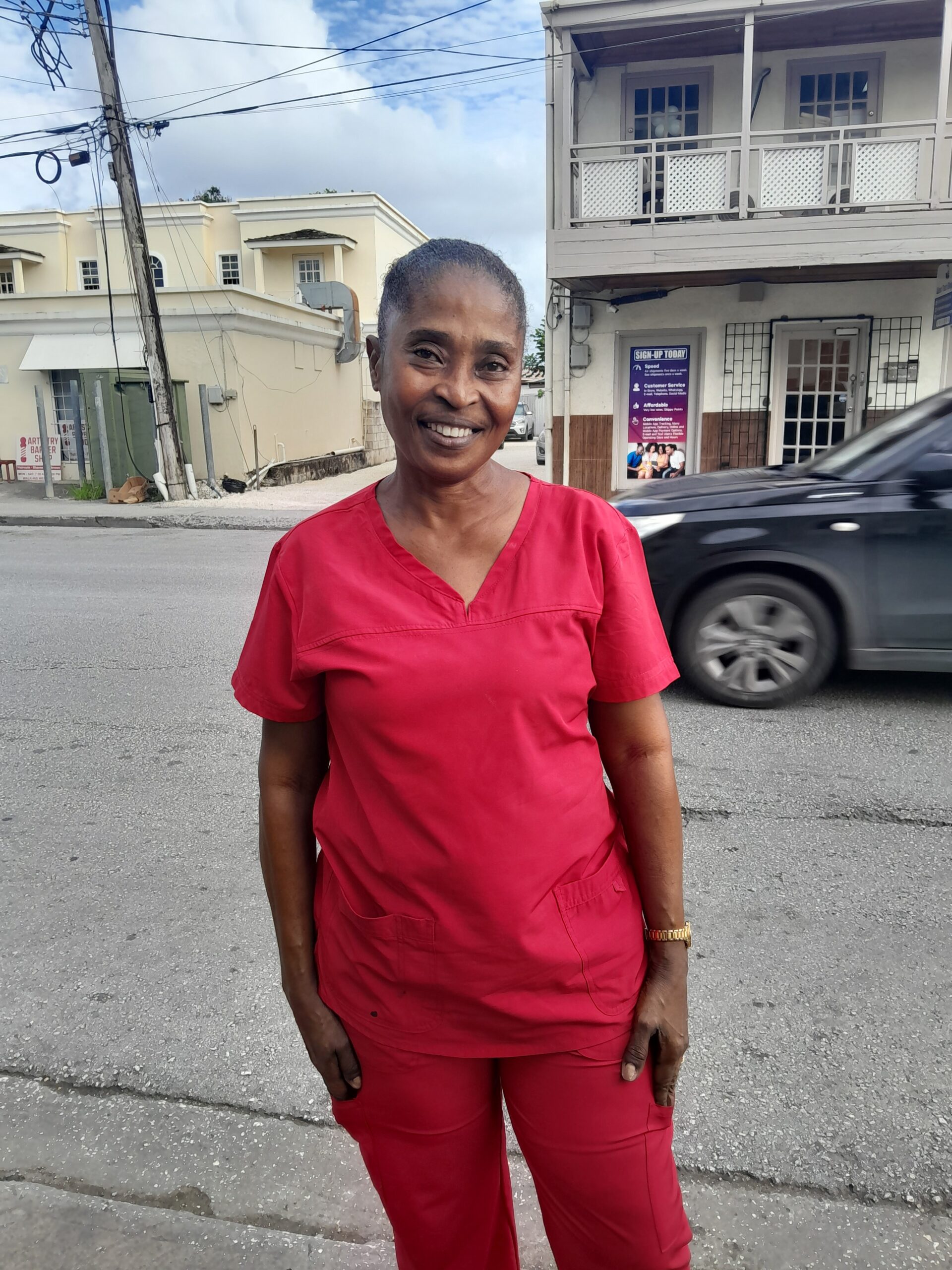
    The interviews uncover a pattern of gratitude centered on three core themes: spiritual strength, occupational provision, and human connection. Ronald Webster simply appreciates “the Lord’s gift of breath and strength,” while Jermain Jones values gainful employment that sustains his family. Yvette embodies the community spirit, stating her life’s purpose involves being “a blessing to others through helping people.”

    Health and longevity emerge as recurring motifs, with Tonya Peters and Sandra Jordan specifically thankful for wellbeing and survival. Samuel Yearwood acknowledges gratitude for “good health and pleasant days,” while Justin notes his improving circumstances after difficult periods.

    This tapestry of voices demonstrates how Barbadians maintain perspective during challenging times—finding meaning in protection, provision, community bonds, and the foundational gift of life itself. The national character shows remarkable depth through this unifying practice of thankfulness as independence celebrations approach.

  • UN agencies donate resources to Arthur Smith Primary

    UN agencies donate resources to Arthur Smith Primary

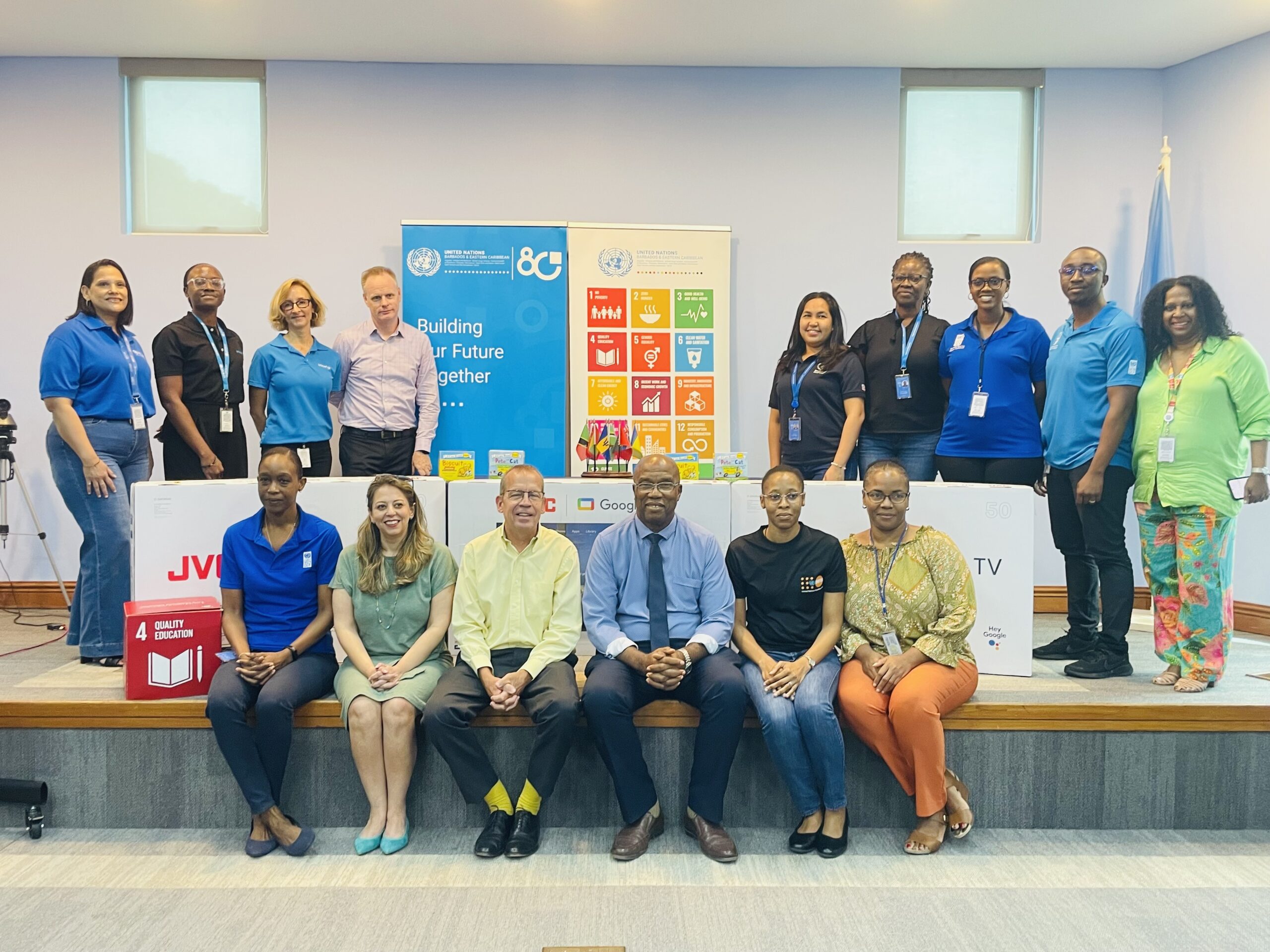
    In a significant demonstration of institutional solidarity, multiple United Nations agencies operating from UN House have delivered substantial educational resources to Arthur Smith Primary School, their neighboring educational institution. This philanthropic initiative comes as the Caribbean region confronts the severe aftermath of Hurricane Melissa in Jamaica.

    The comprehensive donation package includes multiple television sets with mobile stands, educational literature, painting supplies, and materials for facility refurbishment. These resources are specifically designated for the renovation of one entire academic block within the school premises.

    United Nations Resident Coordinator Simon Springett articulated the profound rationale behind this collaboration, stating, “Our relationship extends beyond mere proximity. You are educating our future leaders, many of whom we anticipate will become professionals within our UN building in the coming years.” Springett further emphasized the agencies’ commitment to ongoing educational engagement, highlighting the diverse expertise available within UN House and the willingness of staff to mentor students and stimulate intellectual curiosity.

    The UN official also called attention to the educational emergency in Jamaica, where thousands of children currently lack access to schooling due to hurricane-related devastation.

    Principal John Quinton of Arthur Smith Primary expressed profound gratitude for the sustained partnership, describing UN House as “a tower of strength and support to the school.” He detailed the remarkable technological transformation the school has undergone through previous UNDP assistance, noting that from a single television serving nearly 400 students, the institution now enjoys significantly enhanced multimedia capabilities.

    The school’s internet infrastructure, upgraded through UNDP support, now enables teachers to utilize digital educational tools throughout the campus. Principal Quinton also emphasized the institution’s commitment to regional solidarity, echoing the Caribbean principle that “when one hurts, everyone hurts,” as the school prepares to support Jamaican relief efforts.

    Marquita Sugrim, Communications Consultant at the Food and Agriculture Organization, reinforced the deep institutional bond, stating, “Arthur Smith is our extended family.” She highlighted the school’s participation in UN events and performances, while noting that the current donation represents only the initial phase of support, with additional resources anticipated in the near future.

  • Staatsolie start seismisch onderzoek in ondiep zeegebied

    Staatsolie start seismisch onderzoek in ondiep zeegebied

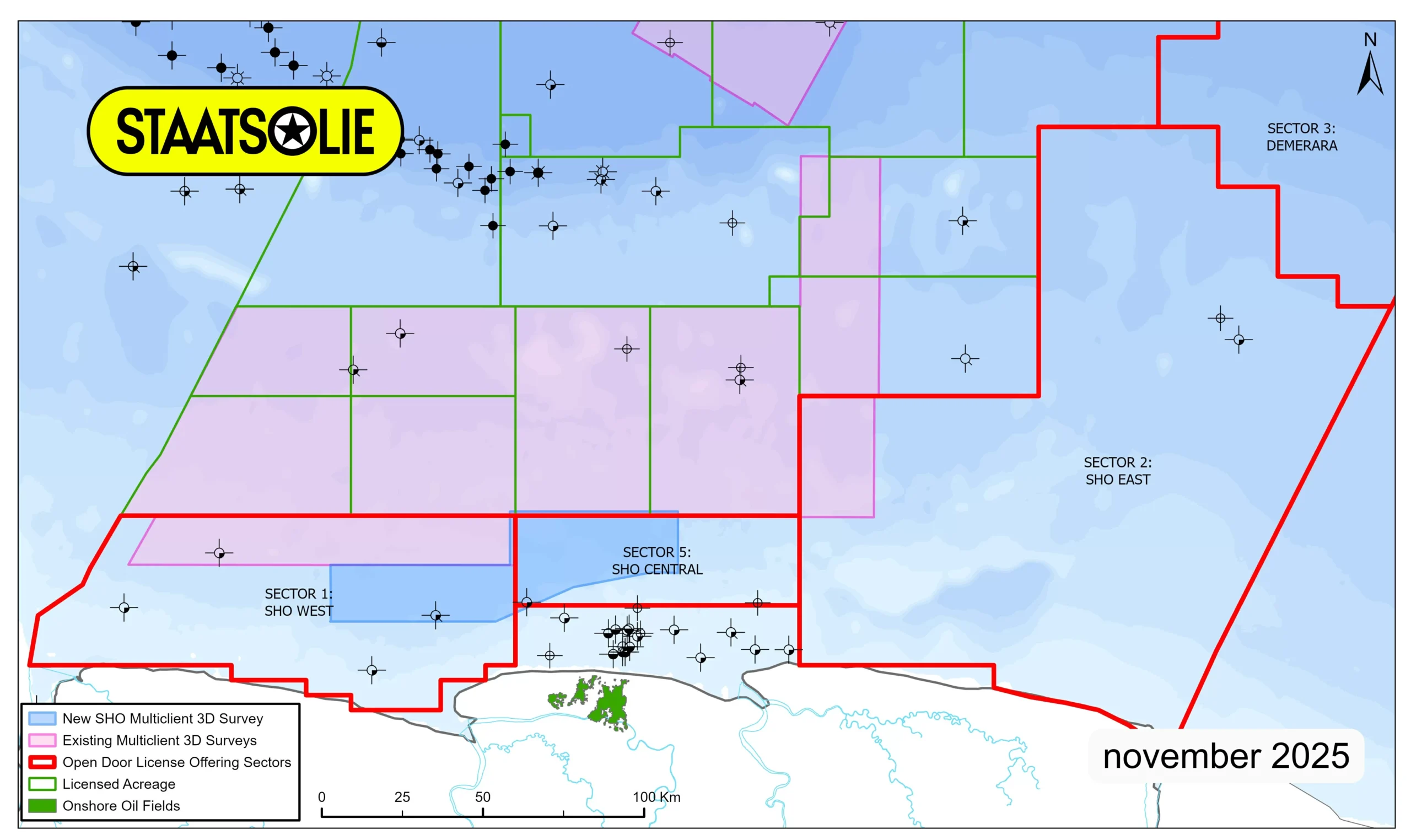
    Suriname has initiated a comprehensive seismic survey in its shallow offshore waters, marking a significant advancement in the nation’s energy exploration efforts. The project, spearheaded by Staatsolie Maatschappij Suriname N.V., involves collaboration with China’s Bureau of Geophysical Prospecting (BGP Offshore) and Norwegian/American firm Tomlinson Geophysical Services Inc. (TGS).

    Covering approximately 2,000 square kilometers in coastal regions near Saramacca and Coronie, the survey will operate at water depths ranging from 20 to 50 meters. Over a two-month period, the initiative will gather high-quality geological data to map potential oil and gas reserves beneath the seabed.

    The specialized vessel BGP Prospector will deploy an advanced array of eight six-kilometer-long streamer cables, submerged nine meters below the surface. These cables will capture reflected sound waves to create detailed subsurface imagery. Support vessels will ensure safety by maintaining distance between the research operation and local fishing activities.

    This project operates under a multi-client agreement model, allowing the consortium to sell collected data to third parties while Staatsolie retains ownership. This innovative approach enables access to premium geological information without bearing full financial burden, while generating revenue through data sales.

    The environmental aspects of the survey have been rigorously addressed through an approved Environmental Management and Monitoring Plan (MMMP). From August to October this year, extensive consultations were conducted with local communities, fishermen, and stakeholders from Coronie and Saramacca, with their feedback incorporated into the final environmental framework.

    This seismic investigation aligns with Suriname’s recent Open-Door Offering initiative, designed to attract international energy companies to invest in the country’s emerging offshore exploration opportunities.

  • Weymouth Wales set sights on PM Cup glory in $100 000 showdown

    Weymouth Wales set sights on PM Cup glory in $100 000 showdown

    Weymouth Wales and Kickstart Rush are poised for an epic confrontation in the Prime Minister’s Cup final, with both teams vying for the prestigious championship and the substantial $100,000 prize. The decisive match is scheduled for Monday, December 1st at the iconic Kensington Oval, marking a historic moment for Welsh football as they make their inaugural appearance in the tournament’s final stage.

    Under the strategic guidance of coach Asquith Howell, Weymouth Wales enters the final with unwavering determination to conclude their remarkable season triumphantly. The team’s journey to the championship match has been dominant, finishing Group F undefeated before delivering commanding performances against L&R United, Notre Dame (5-2), and a decisive 4-0 semifinal victory over Paradise FC.

    Howell emphasized the team’s collective strength, noting, “Wales’ depth is exceptionally robust with 22 players capable of starting positions. We maintain our strategic approach without adjustments, as every player understands their role in achieving victory for team Wales.” The squad faces one significant concern with striker Shaquille Stewart awaiting MRI results, an situation that has intensified the team’s motivation to secure the title in his honor.

    Kickstart Rush approaches the final with equal conviction, having redeemed last year’s semifinal exit by advancing to this year’s championship match. Captain Sekani Mayers expressed the team’s elevated confidence levels: “Our players have earned this opportunity through rigorous training regimens and unwavering dedication. We’ve strategically blended youthful enthusiasm with veteran experience to create an optimal competitive balance.”

    Manager Chad Bynoe confirmed the return of key player Renaldo Gilkes, who missed the semifinal victory against Wotton, providing additional leadership for the final encounter. Kickstart’s path to the final included topping Group D before securing victories against Greens United, a narrow 2-1 quarterfinal win over Deacons, and their semifinal triumph.

    The anticipated final represents not only athletic excellence but significant financial implications for the winning club, particularly with the holiday season approaching. Both teams have demonstrated exceptional form throughout the tournament, setting the stage for what promises to be a memorable conclusion to Barbados’ premier football competition.

  • Neither Cayo Granma nor Santiago de Cuba are alone

    Neither Cayo Granma nor Santiago de Cuba are alone

    Cuban President Miguel Díaz-Canel Bermúdez conducted a comprehensive inspection tour of Santiago de Cuba, the province most severely impacted by Hurricane Melissa’s recent devastation. The presidential visit included Cayo Granma, a historic fishing community situated three nautical miles inland from Santiago Bay, where the hurricane’s destructive forces wreaked particular havoc on the island’s infrastructure.

    The presidential delegation, comprising deputy prime ministers, ministers, and key sector directors coordinating recovery efforts, assessed the extensive damage across coastal communities including La Socapa, Caracoles, and Aguadores. Local residents compared Melissa’s destruction to Hurricane Sandy’s impact thirteen years prior, with many describing the recent storm as equally or more devastating.

    Remarkably, comprehensive evacuation procedures prevented casualties or injuries—a point of local pride shared with the visiting president. This marked the first presidential visit to Cayo Granma according to island residents, symbolizing the administration’s commitment to affected regions.

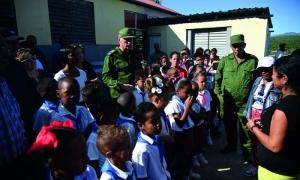
    The tour included Juan Gualberto Gómez Primary School, which had lost its entire roof during the October 29th storm but has since been reroofed and reopened for its 61 students. President Díaz-Canel engaged with students and faculty, discussing educational continuity, meal programs, and athletic facilities. When the president suggested basketball court installation, students unanimously requested soccer facilities instead—a request the president laughingly committed to fulfilling.

    Damage assessments reveal 170 of Cayo Granma’s 256 homes sustained damage, with 15 completely destroyed and 20 partially destroyed. Roof damage affected 115 structures, while 170 mattresses required replacement. Recovery assistance has included approximately 1,000 roofing tiles and food kits from the Cuban government, World Food Programme, Venezuela, and private donations from MSMEs and Cuban citizens.

    At a subsequent Provincial Defense Council meeting, President Díaz-Canel reviewed recovery progress, noting electrical service restoration at 84% completion and damage validation for 48,768 of 141,000 initially reported damaged homes. The president committed to deploying national resources for final recovery pushes, emphasizing that Santiago de Cuba—the cradle of the Cuban Revolution—deserves and will receive full national support in rebuilding efforts.

  • Measures announced to make foreign investment more flexible and dynamic

    Measures announced to make foreign investment more flexible and dynamic

    In a significant policy shift, the Cuban government has unveiled comprehensive measures to revitalize foreign investment as a cornerstone of its economic strategy. The announcement came during the 8th Investment Forum at the 41st Havana International Fair, where Deputy Prime Minister Oscar Pérez-Oliva Fraga outlined sweeping reforms designed to create a more dynamic business environment.

    The new framework introduces substantial monetary flexibility, allowing dual currency operations in both national and foreign currencies according to investor needs. Foreign investment enterprises will be encouraged to focus on generating foreign income through exports or sales to domestic sectors with foreign currency capabilities. The government will establish ‘more competitive and realistic’ foreign exchange rates across certain sectors and permit companies to maintain offshore bank accounts to circumvent blockade-related financial restrictions.

    Procedural simplifications represent another major component of the reform package. The requirement for feasibility studies has been eliminated in favor of business plans, evaluation timelines have been halved from 15 to 7 days, and ‘positive silence’ provisions will automatically approve applications if agencies fail to respond within specified periods. Documentary requirements have been streamlined to essential documents only, and property appraisal validations have been extended beyond one year.

    Novel investment modalities include automatic establishment of wholly foreign-owned companies for hotel leasing tenders, reactivation of underutilized national assets with profit-sharing arrangements, unrestricted wholesale trading rights, and direct fuel import authorization when domestic supplies are unavailable. Labor reforms grant investors final hiring decisions, while permitting foreign currency bonus payments from profits generated through external income.

    The government is actively promoting foreign participation in banking and financial services while continuing development of special economic zones for targeted sectors like real estate and technology parks. Innovative financial instruments include selective swap operations—not merely for debt repayment but structured around sustainable businesses generating foreign currency income.

    Deputy Prime Minister Pérez-Oliva identified food production and knowledge economy sectors as strategic priorities, citing successful Vietnamese rice production partnerships as models. The administration is promoting ‘flexible and simpler business models’ to rapidly increase food output while leveraging Cuba’s skilled workforce in IT, biotechnology, and pharmaceutical industries.

    The updated investment portfolio features 426 projects across all provinces, with emphasis on food production, industry, tourism, and energy—particularly oil exploration and extraction. Eighty-three high-priority projects have been selected for their export potential.

    Yanet Vázquez Valdés, Deputy Minister of Foreign Trade and Foreign Investment, clarified that while direct hiring remains exceptional, the state employment agency system remains the general rule. These measures will inform a new Foreign Investment Law creating legal frameworks for partnerships between state-owned enterprises and non-state sectors, combining resources to rescue installed capacities and drive economic growth.

    Regarding debt management, officials emphasized that swap operations won’t involve asset-for-debt exchanges but rather negotiate medium-to-long-term business arrangements that simultaneously reduce foreign company debts while contributing to economic expansion.
  • Dignity and memory in white coats

    Dignity and memory in white coats

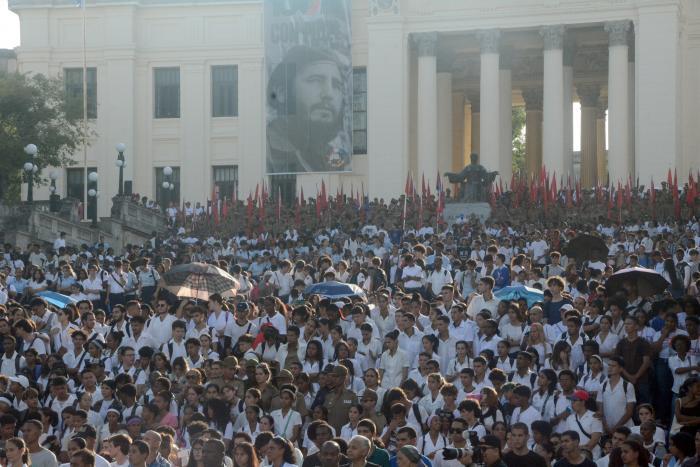
    On November 27th, 2025, Cuba solemnly observed the 154th anniversary of the execution of eight medical students by Spanish colonial forces in 1871. The streets of Havana filled with commemorative activities as citizens gathered to honor the memory of these young martyrs who became symbols of Cuban resistance.

    The ceremony commenced at the University of Havana, where participants descended the steps toward the La Punta monument. The event was presided over by Miguel Díaz-Canel Bermúdez, First Secretary of the Party’s Central Committee and President of the Republic, alongside senior government and party officials.

    Thalía Beatriz Morell García, an ideological representative from the National Secretariat of the Federation of University Students (FEU), emphasized the historical significance of the march. “We march not only in remembrance but for this homeland, built with the blood of its finest sons and daughters,” she stated during the ceremony.

    The commemorative event highlighted the transformation of historical pain into progressive action. Morell García noted that the Cuban Revolution, under the leadership of Fidel Castro Ruz, converted tragedy into inspiration, establishing educational institutions and healthcare systems that honor the students’ original aspirations.

    Additional floral offerings were placed at the monument of Julio Antonio Mella, the student leader and anti-imperialist activist, near University Hill. The ceremony brought together prominent figures including Yuniasky Crespo Baquero, Head of the Ideological Department of the Party’s Central Committee, Rolando Yero Travieso from the Department of Social Sector Affairs, Deputy Prime Minister Inés María Chapman, and leaders from the Young Communist League and student federations.

    The gathering echoed with chants of “Neither dead nor forgotten!”—a powerful refrain demonstrating Cuba’s enduring commitment to preserving historical memory and national dignity against colonial and imperial forces.

  • Column: Twee paspoorten, één waarheid

    Column: Twee paspoorten, één waarheid

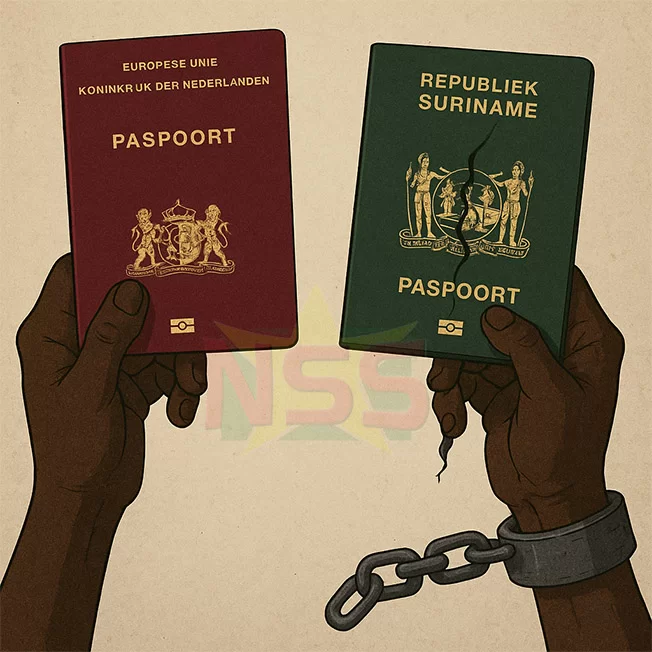
    Fifty years after Suriname gained independence from the Netherlands, one contentious issue remains persistently relevant: the Dutch passport. This document has evolved beyond mere travel authorization to become a tangible manifestation of unresolved historical inequalities stemming from the colonial era that continue to shape contemporary societal dynamics.

    The practical advantages of possessing a Dutch passport create a stark divide among Surinamese citizens. Those holding the coveted burgundy-colored document enjoy unparalleled mobility, visa-free access to numerous countries, enhanced consular protection, and greater economic opportunities. In contrast, Surinamese passport holders face significant barriers, including arduous visa application processes, intense scrutiny of financial standing, and implicit questioning of their credibility when seeking international travel.

    This disparity becomes particularly evident during international transit. At airports like Schiphol, Dutch passport holders can freely exit transit areas, rest in hotels, or explore during layovers. Meanwhile, those without equivalent travel documents may remain confined to transit zones for up to twenty-four hours—a physical manifestation of the inequality embedded in citizenship hierarchies.

    The phenomenon extends beyond travel logistics into societal participation. Surinamese-Dutch citizens actively contribute to Suriname’s organizational structures and public discourse, yet retain the security of European Union protection when risks emerge. This dynamic creates an implicit power asymmetry where emotional connection to Suriname doesn’t necessarily translate to shared vulnerability or consequence.

    Language and cultural expressions further reveal enduring colonial mentalities. Phrases like “That’s just Indian stories” (dismissing narratives as exaggeration) or “When black man eat, black man sleep” (implying laziness) perpetuate harmful stereotypes rooted in colonial justification narratives. These linguistic patterns continue to devalue indigenous knowledge systems and reinforce hierarchical thinking.

    The ongoing debates surrounding passport privileges ultimately transcend practical concerns about mobility, touching upon fundamental questions of dignity, recognition, and equal treatment. The emotional connection to Surinamese identity exists independently from the geopolitical value of one’s citizenship documents, yet the world continues to make consequential distinctions based on passport colors.

    Addressing these disparities requires honest acknowledgment of the parallel realities: the emotional landscape of national identity versus the geopolitical realities of passport privilege. Only through this recognition can meaningful dialogue begin toward establishing more equitable connections that honor both historical context and human dignity, regardless of which document one carries.

  • Health Ministry identifies three Chikungunya cases from Cuba

    Health Ministry identifies three Chikungunya cases from Cuba

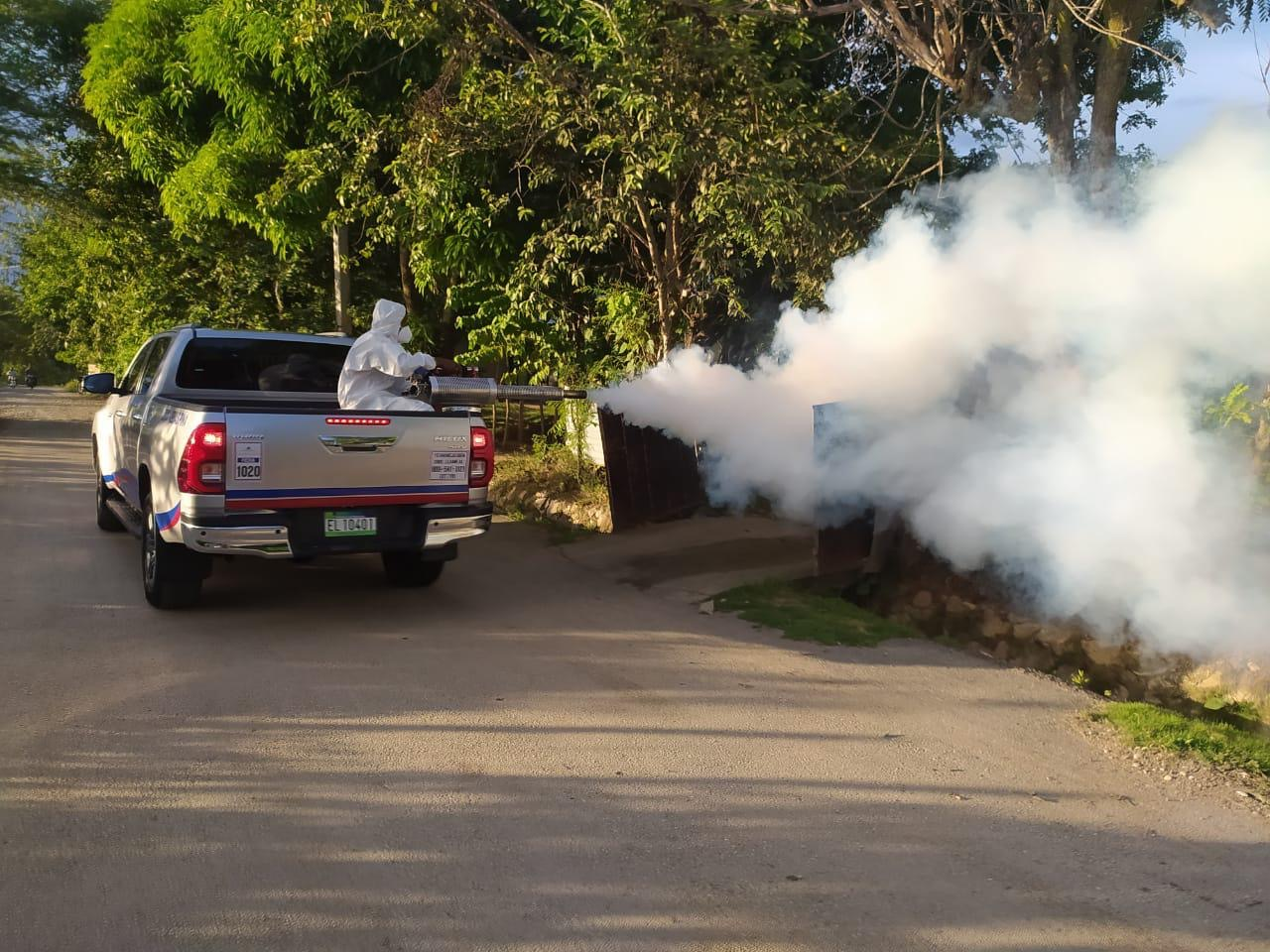
    Health authorities in the Dominican Republic have confirmed three imported cases of chikungunya virus identified in travelers arriving from Cuba. The nation’s epidemiological surveillance system detected these cases, with subsequent confirmation conducted by the Dr. Defilló National Reference Laboratory. Despite these imported instances, health officials maintain there is currently no evidence of community transmission within the country.

    Health Minister Víctor Atallah provided reassurances to citizens, confirming that government agencies are conducting daily monitoring of the situation. The ministry has implemented enhanced surveillance protocols nationwide and intensified active case-finding measures for febrile illnesses. Vector control operations have been substantially increased, including widespread fumigation campaigns, systematic elimination of mosquito breeding sites, and comprehensive community education initiatives.

    The chikungunya virus, transmitted primarily through bites from infected Aedes aegypti and Aedes albopictus mosquitoes, typically manifests with high fever and severe joint pain, presenting clinical similarities to dengue fever. In response to increasing regional cases throughout the Caribbean, particularly in Cuba, the Dominican Republic has maintained heightened health screening procedures at all airports, seaports, and border crossings.

    Healthcare facilities across the nation have reinforced their preparedness protocols to ensure accurate diagnosis, appropriate clinical management, and timely patient care aligned with recommendations from the Pan American Health Organization/World Health Organization (PAHO/WHO). Health authorities continue urging citizens to eliminate standing water sources, properly cover water storage containers, apply insect repellent regularly, and actively participate in community cleanliness and fumigation efforts.

  • NOW urges schools to foster confidence, prevent gender-based abuse

    NOW urges schools to foster confidence, prevent gender-based abuse

    In a compelling intervention during the 16 Days of Activism against Gender-Based Violence, women’s rights advocate Melissa Savoury-Gittens has proposed comprehensive school programming focused on building self-worth and mutual respect among youth as a fundamental solution to reducing gender-based violence. The president of Barbados’ National Organisation of Women (NOW) emphasized that current approaches often concentrate on addressing abuse after it occurs rather than preventing the underlying conditions that enable it.

    Savoury-Gittens expressed particular concern about young women entering abusive relationships due to diminished self-esteem, noting that many victims remain in harmful situations because they lack the confidence to recognize toxic dynamics. Her research conducted through school outreach programs reveals that the predisposition to accept abuse frequently develops long before actual victimization occurs.

    The advocate called for educational initiatives that teach both girls and boys about healthy relationships, self-love, and mutual respect. She specifically highlighted the need for programs that help young women develop stronger self-identity and the ability to identify various forms of abuse, including psychological manipulation that often precedes physical violence.

    Savoury-Gittens also addressed the role of young men in preventing violence, arguing that educational programming must include boys to effectively change patterns of behavior. She recommended structured guidance on appropriate interpersonal communication and treatment of others as essential components of violence prevention.

    Supporting proposed educational reforms, the NOW president endorsed community service requirements for all students as a character-building initiative that fosters proper mindset development and strengthens community bonds. Additionally, she advocated for enhanced psychological support services in schools, calling for more frequent counselor visits than the current standard of weekly sessions.

    The comprehensive approach proposed by Savoury-Gittens represents a paradigm shift from reactive measures to proactive prevention, addressing the root causes of gender-based violence through early education and confidence-building strategies.