
A tragic pre-dawn traffic incident in St. John’s has claimed the life of a young Antiguan man, prompting an ongoing investigation by the Royal Police Force of Antigua and Barbuda. The fatal collision occurred approximately at 2:00 a.m. on Sunday, November 30, 2025, along Popeshead Street near the Pita Pocket establishment. Preliminary investigative findings indicate that 23-year-old Joshua Alexander from Light Foot was operating a black scooter traveling north to south at considerable velocity when he apparently lost control of his vehicle. The subsequent impact with a roadside wall and sidewalk on the eastern side of Popeshead Street resulted in catastrophic multiple injuries. Emergency Medical Services personnel arrived promptly at the scene but detected no vital signs during their initial assessment. The young man was formally pronounced deceased by a medical professional at 3:16 a.m. The Royal Police Force has extended profound sympathies to Alexander’s bereaved family and friends while continuing their thorough investigation into the precise circumstances surrounding this devastating incident.
作者: admin
-

The barriers facing women in politics
As Saint Lucia approaches its 2025 general elections, an unprecedented six female candidates—three from each major party—are mounting a historic challenge to the island nation’s male-dominated political landscape. This record number of women contenders represents a potential turning point in Saint Lucian politics, yet their campaigns reveal how deeply entrenched gender barriers remain.
Historical context underscores the magnitude of their challenge. Over the past fifteen years, female representation among general election candidates has consistently languished below 25%, with elected women in the House of Assembly rarely exceeding two simultaneously. The 2021 election saw merely 11 women among 45 total candidates, with only two securing seats—maintaining parliamentary representation at approximately 11%, far below modern democratic standards.
The campaigns of these six women illuminate the persistent obstacles facing female politicians. Marcella Johnson, United Workers Party candidate for Gros Islet, describes enduring weekly televised character assaults from male opponents. “Every single week, a minister uses his television show to shame women, insult women, demean women,” Johnson revealed to St. Lucia Times, noting her personal life becomes fodder for fabricated narratives despite being unknown to her detractors.
Similarly, Labour Party Senator Lisa Jawahir, candidate for Castries South East, confronted gender-based opposition when UWP Deputy Leader Guy Joseph dismissed a $250,000 allocation for addressing period poverty in schools as unnecessary spending. Jawahir’s swift rebuttal resonated particularly with young female constituents, galvanizing support from women demanding recognition that “our voices matter.”
Perhaps most unexpectedly, political newcomer Leeana “Lady Lee” Johannes-Paul entered the race despite previous disdain for politics, describing her decision as a divine calling. Her campaign in Vieux Fort has faced overt misogyny, with critics asserting male candidates possess superior experience and strength. This lack of institutional support forced Johannes-Paul to largely self-fund her early campaign, though adversity strengthened her resolve to bring what she terms a “feminine touch” to governance focused on community care rather than personal enrichment.
Veteran politician Alvina Reynolds, who entered politics in 2011 and now serves as President of the Senate, provides historical perspective. While she experienced greater party support than current candidates, Reynolds still faced condescension from male colleagues who depicted her as a “headless chicken” and used musical metaphors to suggest she was an unprepared child needing maternal guidance. She emphasizes that contemporary candidates face comparatively less hostility than pioneers like Heraldine Rock, who endured public humiliation from within her own party.
Reynolds advises the new generation: “Don’t be tokenized. Be strong. Negotiate. Represent your constituencies with confidence.” She maintains an open-door policy for all female candidates across party lines, embodying her belief that women must uplift each other.
These six candidates are consequently campaigning on dual fronts: seeking electoral victory while simultaneously battling historical stereotypes about political leadership. Their collective effort represents a referendum on whether Saint Lucia will continue male-dominated governance or embrace leadership reflective of its entire population.
-
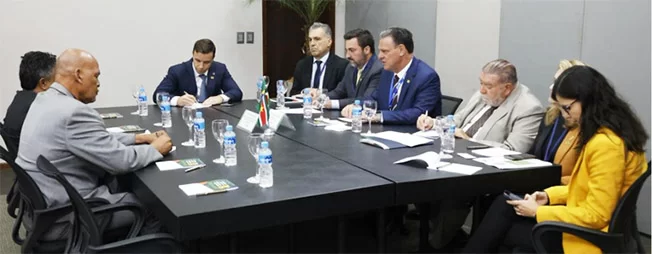
Suriname krijgt hulp van Brazilië om cassaveziekte tegen te gaan
In a significant trilateral agreement, Brazil has expanded its agricultural cooperation to include Suriname in combating Cassave Witches’ Broom Disease, a devastating crop infection that causes substantial yield reductions in cassava production. While the disease hasn’t yet been detected in Surinamese territory, the preventive measures represent a strategic regional initiative that also includes French Guiana.
The collaborative framework, formalized earlier this month, establishes cross-border monitoring systems, technology transfer protocols, and specialized training programs. Surinamese Minister of Agriculture, Animal Husbandry and Fisheries Mike Noersalim expressed particular satisfaction with Brazil’s support, noting that the partnership extends beyond disease control to broader agricultural development.
The agreement emerged from bilateral meetings between Noersalim and agricultural ministers from Chile, Dominican Republic, Haiti, and Trinidad & Tobago. These discussions resulted in market access expansions and enhanced trade relationships between Brazil and participating nations. Technical cooperation agreements and technology exchange mechanisms featured prominently in the negotiations.
Suriname has specifically requested Brazilian assistance in developing rice varieties suitable for both dryland and irrigated conditions. “Brazil represents an agricultural powerhouse with extensive research capabilities in crop and livestock development,” Minister Noersalim stated. “We seek collaboration to advance our agricultural sector and reduce import dependency.”
Additional outcomes include increased Brazilian meat exports to Suriname and a formalized technical cooperation agreement targeting the eradication of carambola fruit flies. Brazilian Minister Carlos Fávaro confirmed his country’s readiness to “discuss agricultural development with focus on sugarcane, rice, and coconut production, including provision of genetic materials to strengthen both technical and commercial cooperation between our nations.”
These developments coincided with the 2025 Conference of Agriculture Ministers of the Americas, organized by the Inter-American Council for Agriculture—the highest governing body of the Inter-American Institute for Cooperation on Agriculture (IICA). During the conference, Guyana’s Muhammad Ibrahim was elected as IICA’s new Director-General for 2026-2030, receiving 24 of 32 votes including Suriname’s endorsement.
-
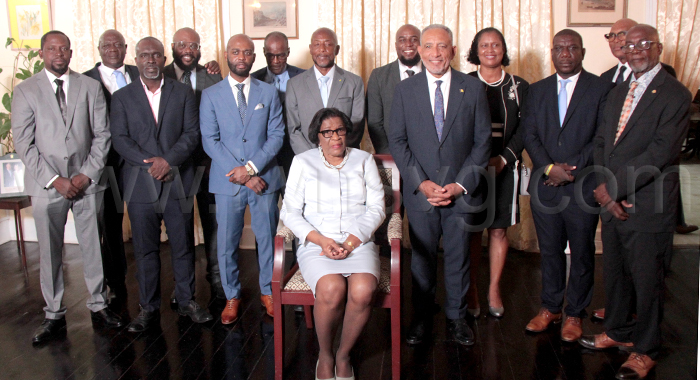
New cabinet could be sworn in on eve of NDP’s 50th anniversary
Newly inaugurated Prime Minister Godwin Friday has confirmed the imminent formation of his administration’s cabinet, with swearing-in ceremonies anticipated for Tuesday. This development follows the New Democratic Party’s (NDP) decisive electoral triumph, securing 14 of 15 parliamentary seats after a quarter-century in opposition.
The Prime Minister revealed that majority cabinet appointments have been finalized, though specifics remain undisclosed until formal notifications are delivered to designated ministers. Friday emphasized the deliberate selection process, noting the exceptional range of talent available within his parliamentary cohort following Thursday’s electoral sweep.
In a departure from constitutional conventions, only the Prime Minister took oath during Friday’s ceremony at Government House. Friday attributed this anomaly to unresolved technical considerations requiring additional resolution time, assuring full cabinet inauguration would proceed next week.
The administration is immediately engaging with critical governance structures, including police leadership and senior civil servants, to ensure seamless transition. Friday acknowledged ongoing celebratory activities among newly elected representatives but emphasized the urgency of convening parliamentary colleagues to establish governance priorities.
Addressing diplomatic attendance concerns, the Prime Minister characterized the minimal foreign representation at his inauguration as purely logistical, anticipating broader international participation during Tuesday’s comprehensive swearing-in event.
Geographic representation emerged as a significant theme, with Friday becoming the second Bequia-native to assume Vincentian leadership. While acknowledging regional pride, he stressed national unity across the archipelago, particularly highlighting development initiatives for historically neglected northern regions including North Leeward and North Windward.
The Prime Minister expressed profound gratitude for the electorate’s emphatic mandate—37,002 votes compared to the incumbent’s 27,148—interpreting the result as both validation of change demands and foundation for stable governance. This victory marks the NDP’s most significant achievement since its founding December 3, 1975, by former Prime Minister Sir James Mitchell.
-
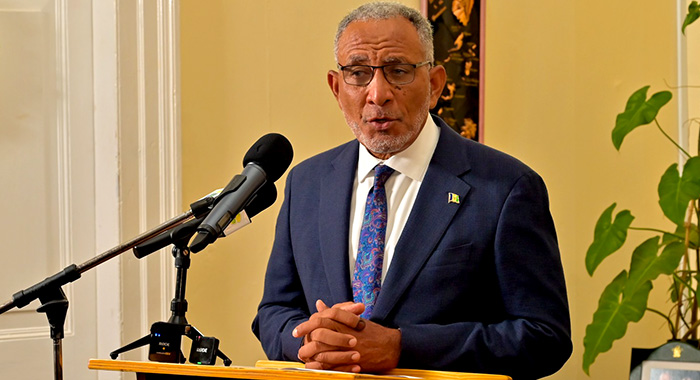
No congratulations to Friday. So what?
The political landscape of St. Vincent and the Grenadines has been stirred by the conspicuous absence of congratulations from designated Opposition Leader Ralph Gonsalves toward newly elected Prime Minister Godwin Friday. This deliberate omission, rather than undermining the legitimacy of Friday’s administration, has instead become a revealing reflection of Gonsalves’ political posture in the aftermath of a decisive electoral defeat.
Political analysts observe that Gonsalves’ response mirrors allegorical narratives of power dynamics, reminiscent of Orwellian themes where established orders struggle to acknowledge shifting realities. The electoral outcome demonstrated that Vincentian voters exercised independent judgment rather than flocking behavior, decisively rejecting the previous governance model.
Gonsalves characterized his party’s performance as merely ‘a setback,’ a description that many commentators consider strikingly disconnected from the comprehensive nature of the electoral results. This minimization stands in stark contrast to the overwhelming public mandate received by the new administration, suggesting a significant divergence between political leadership and popular sentiment.
The former leader’s recent address contained ominous predictions about the National Democratic Party’s future, delivered with almost prophetic undertones. This is particularly notable given his apparent failure to foresee his own party’s electoral collapse. The irony is compounded by his literary references to Frost, Thomas, and Henley—poetic invocations of resilience that now accompany a diminished political standing.
Vincentian public discourse suggests that Gonsalves’ request for political ‘lifting’ was fulfilled in the most literal sense: while he maintains his position, nearly all of his party’s candidates were dropped by the electorate. This selective elevation speaks volumes about the nuanced will of the people.
The absence of traditional political courtesy, while notable, aligns with Gonsalves’ established pattern of operating outside conventional diplomatic norms. Rather than diminishing the new administration, this behavior invites public assessment of statesmanship qualities and appropriate political conduct in democratic transitions.
Ultimately, the electoral verdict remains unchanged by the lack of ceremonial acknowledgment. The people have spoken through constitutional processes, and the new government proceeds with its mandate undiminished by predecessor’s refusal to recognize its legitimacy.
-
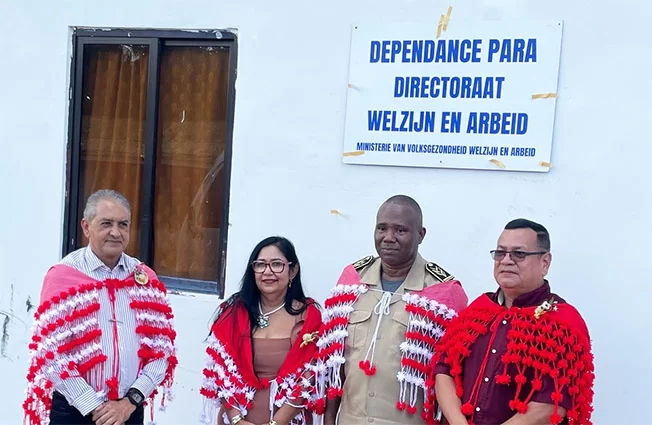
Para krijgt eerste VWA-dependance met vakopleidingen en steunpakketten
The Directorate of Welfare and Labor under Suriname’s Ministry of Health, Welfare, and Labor inaugurated its first district branch in Para on Friday, marking a significant step in the government’s decentralization initiative. The new facility at Witsanti Educational Center immediately commenced operations by awarding certificates to 56 participants who successfully completed vocational training programs administered by the Foundation for Labor Mobilization and Development (SAO).
In addition to their certifications, graduates received starter kits funded through the ‘Wroko Fu Mek Moni’ project, enabling immediate application of their newly acquired skills. This Para branch represents the initial phase of a comprehensive government plan to establish similar facilities across all districts, accelerating development outside the capital city of Paramaribo through decentralized service delivery.
Vice Minister Raj Jadnanansing emphasized that the new center will provide Para residents, particularly youth, with enhanced access to vocation-oriented training and employment guidance. He instructed coordinator Brian Swedo to conduct assessments in thirteen surrounding villages to identify the most critically needed skills. The branch will also develop a database of job seekers to facilitate targeted employment programs and will serve an educational role in addressing youth alcohol and drug abuse issues.
District Commissioner Patrick Kensenhuis described the opening as a crucial advancement in bringing essential services closer to the community. Kensenhuis specifically highlighted the need to strengthen Labor Inspection services given the substantial number of businesses operating within Para.
The ceremony featured the distribution of 90 certificates across multiple disciplines including Gawasa (Gas, Water and Sanitation), Electrical House Installation, Textile Works, and various computer training programs. Although administrative delays postponed the certification event, participants received compensatory support packages:
– Gawasa and electrical course graduates received basic toolkits
– Textile Works participants obtained household sewing machines
– Computer training participants will receive complimentary internet training from SAO in JanuaryNotably, the programs demonstrated strong female participation in both Gawasa and Electrical House Installation courses. According to SAO Director Joyce Lapar, many trainees have already applied their skills within their communities, including repairing toilets at the LBO school in Wit Santi and performing electrical work at a school in Onverwacht.
-
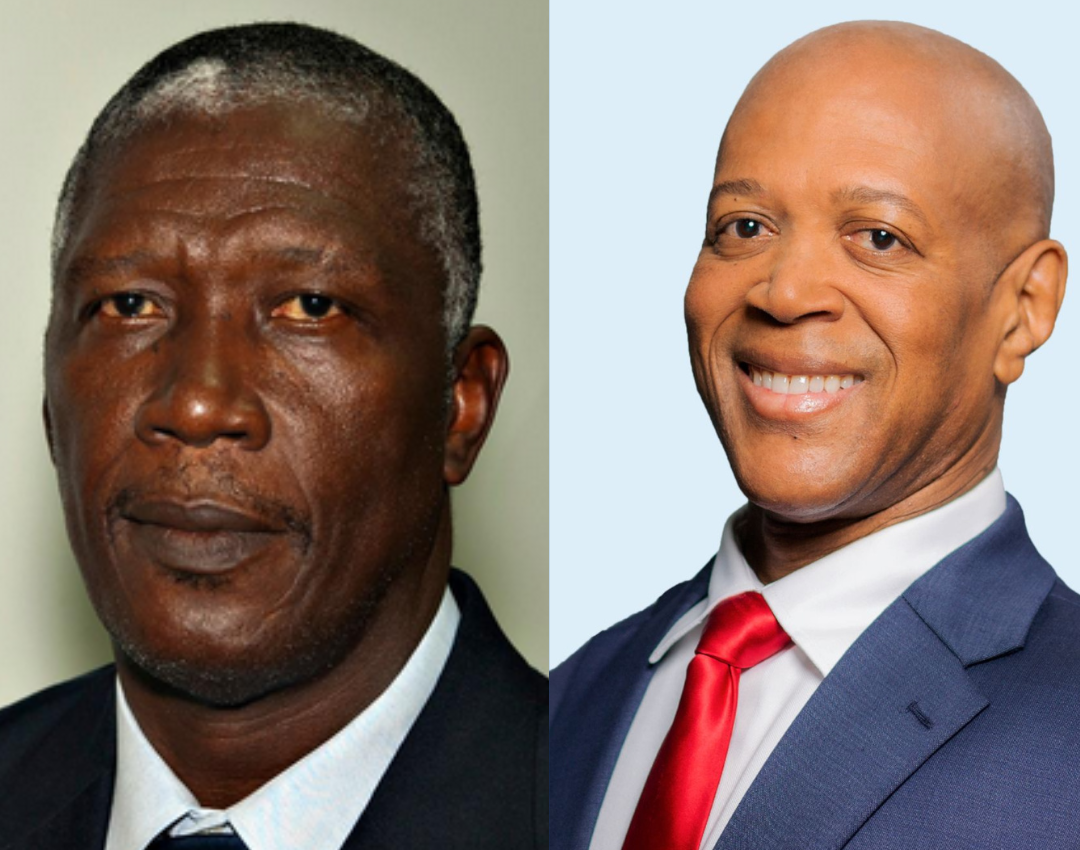
West Indies great Joel Garner, Central Bank Governor among Independence Day honourees
In a grand ceremony marking the 2025 Independence and Republic celebrations, Barbados has recognized over sixty exceptional citizens and international collaborators for their transformative contributions to national development and global standing. The awards represent the nation’s highest honors across diverse sectors including economic reform, healthcare advancement, national security, and acts of extraordinary bravery.
Three distinguished Barbadians received the Order of Freedom of Barbados, the country’s most prestigious honor. Cricket legend and administrator Joel Garner was celebrated for his unparalleled sporting legacy and administrative leadership in national cricket development. Central Bank Governor Dr. Kevin Greenidge earned recognition for his people-centered economic leadership and transformative achievements through the Barbados Economic Recovery and Transformation (BERT) programs. Healthcare and business pioneer Dr. Kurt Lambert was honored for his exemplary leadership across multiple sectors and unwavering commitment to philanthropic initiatives.
International recognition was extended to Professor Benedict Oramah, President of the African Export-Import Bank, who received an honorary Order of Freedom for strengthening trade and investment bridges between Barbados and the African continent.
The Order of the Republic was bestowed upon three national figures: maritime and tourism expert George Fergusson, child protection advocate Faith Marshall-Harris, and leading ENT specialist Dr. Christopher Maynard. Non-national Yvonne Brewer received an honorary Order of the Republic for her decades of service in improving long-term care and welfare support systems.
In one of the largest collective citations in Barbados’ history, thirty-three members of the Financial Action Task Force (FATF) Core Implementation Team and the International Business Unit Economic Substance Team received the Gold Award of Achievement. Their coordinated efforts successfully guided Barbados off the FATF Grey List and EU Blacklist, ensuring compliance with international financial regulations and restoring the nation’s financial reputation.
Additional honors included the Gold Trident of Excellence awarded to five individuals for exceptional leadership in religion, culture, and business, and the Silver Trident of Excellence presented to five recipients for significant contributions to creative industries and social advocacy.
Seven Barbadians received the Barbados Service Star for outstanding work in community and protective services, while another seven were awarded the Barbados Service Medal for dedicated national service across various sectors.
The most courageous honors, the Barbados Bravery Medal, were presented to seven individuals who risked their lives to save others. Four recipients—Jelani Griffith, Reshelle Griffith, Rashad Jules, and Malique Springer—saved 104-year-old Beryl Whitney from a devastating building fire. Jeremy Payne and Roger Springer rescued four people in distress at sea off Queen Street, St. Peter, while Shawn Green saved his cousin Petra Wilson from a brutal attack by ten dogs.
-
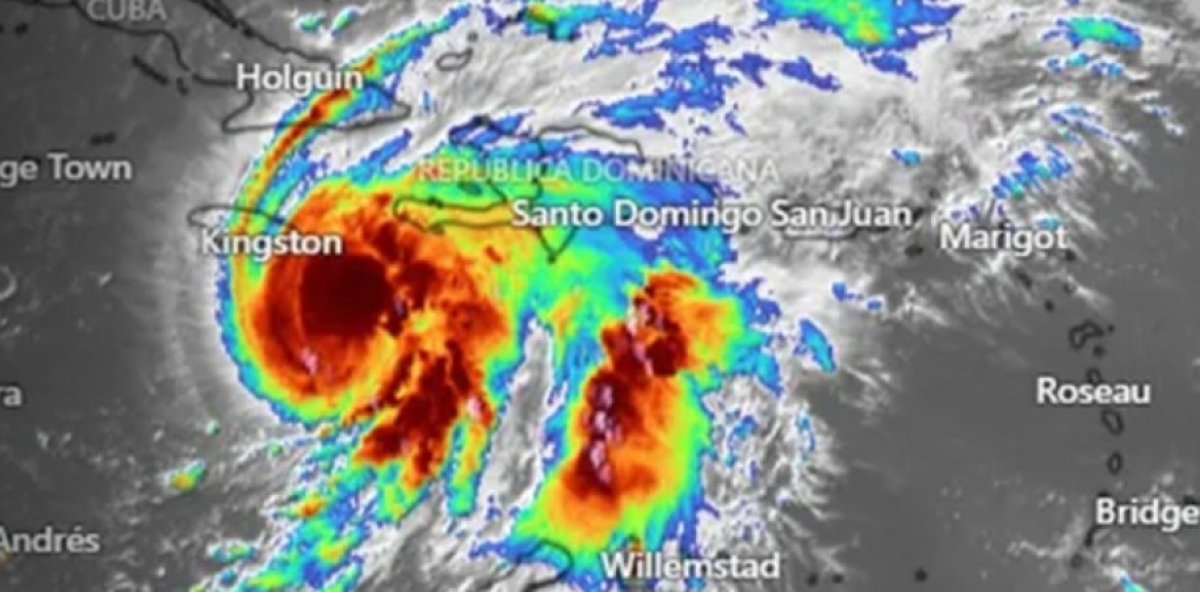
Indomet The 2025 hurricane season ends today: How many storms impacted the Dominican Republic?
SANTO DOMINGO, Dominican Republic – The Dominican Institute of Meteorology (Indomet) has officially declared the conclusion of the 2025 Atlantic hurricane season this Sunday, November 30th. This year’s climatic period proved notable for its intensity rather than frequency, producing a total of 13 named tropical cyclones. While this figure sits marginally below historical averages, the season distinguished itself through its potent storm development. Five systems achieved hurricane classification, with an exceptional four escalating into major hurricanes—registering Category 3 strength or higher on the Saffir-Simpson scale.
The roster of named storms included Tropical Storms Andrea, Barry, Chantal, Dexter, Fernand, Jerry, Karen, and Lorenzo. The hurricane cadre was comprised of some of the most powerful systems observed, featuring Category 5 hurricanes Erin, Humberto, and Melissa, alongside Category 4 Hurricane Gabrielle and Category 2 Hurricane Imelda.
Meteorological drivers for the season were initially shaped by neutral El Niño-Southern Oscillation (ENSO) conditions in the Central and Eastern Pacific, which later transitioned into a La Niña phase. October emerged as the most active period, witnessing the genesis of four cyclones. This surge was fueled by unusually warm North Atlantic sea surface temperatures, which persisted between 29°C and 30°C, creating ideal conditions for cyclogenesis.
While the Dominican Republic avoided a direct landfall from any hurricane, the nation experienced significant indirect consequences. Hurricane Erin generated powerful and abnormal wave activity along the Atlantic coastline. Subsequently, Hurricane Melissa precipitated extreme rainfall events, triggering severe flooding and landslides, particularly in the southwestern and southeastern provinces. The town of Polo in Barahona province recorded a staggering 192.4 millimeters of rain within a 24-hour period, with Santo Domingo Este receiving 177.9 millimeters during the same event.
Indomet has reaffirmed its dedication to the perpetual surveillance of tropical weather systems and its critical mission of disseminating timely forecasts and warnings to protect public safety and minimize property damage throughout the Caribbean region.
-
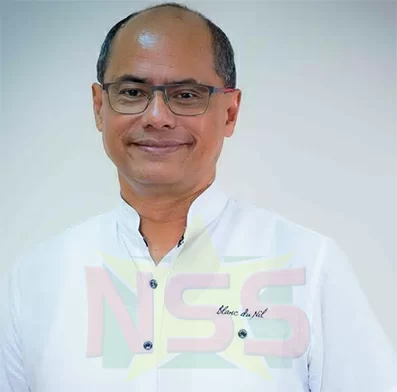
NPS fractieleider: Pawiroredjo: Terugdraaien feestbudget is verstandig besluit
In a significant policy reversal, the Surinamese government has withdrawn its initial approval of SRD 2.3 million allocations to each ministry for Christmas and New Year celebrations following substantial public criticism. The decision, originally ratified during Thursday’s Council of Ministers meeting, was deemed financially irresponsible by opposition leaders given the country’s current economic challenges.
Jerrel Pawiroredjo, parliamentary leader of the National Party of Suriname (NPS), characterized the retraction as both “prudent and necessary,” stating that such expenditure patterns contradict the nation’s economic reality. The original budget would have totaled approximately SRD 41 million across all ministries.
Pawiroredjo contrasted the canceled celebration funds with the government’s SRD 1,000 support program for civil servants, pensioners, disabled citizens, and socially vulnerable households, which he believes deserves commendation. “Large segments of our society struggle to keep their heads above water,” he noted, emphasizing the inappropriate message that lavish holiday spending would send during times of widespread financial difficulty.
The NPS leader acknowledged that while recent Independence Day celebrations were understood by the community, another large-scale expenditure would convey the wrong signals. He applauded the administration for adjusting the budget to a level “more balanced with the state’s financial situation” and suggested that year-end celebrations could occur modestly without straining public resources.
-
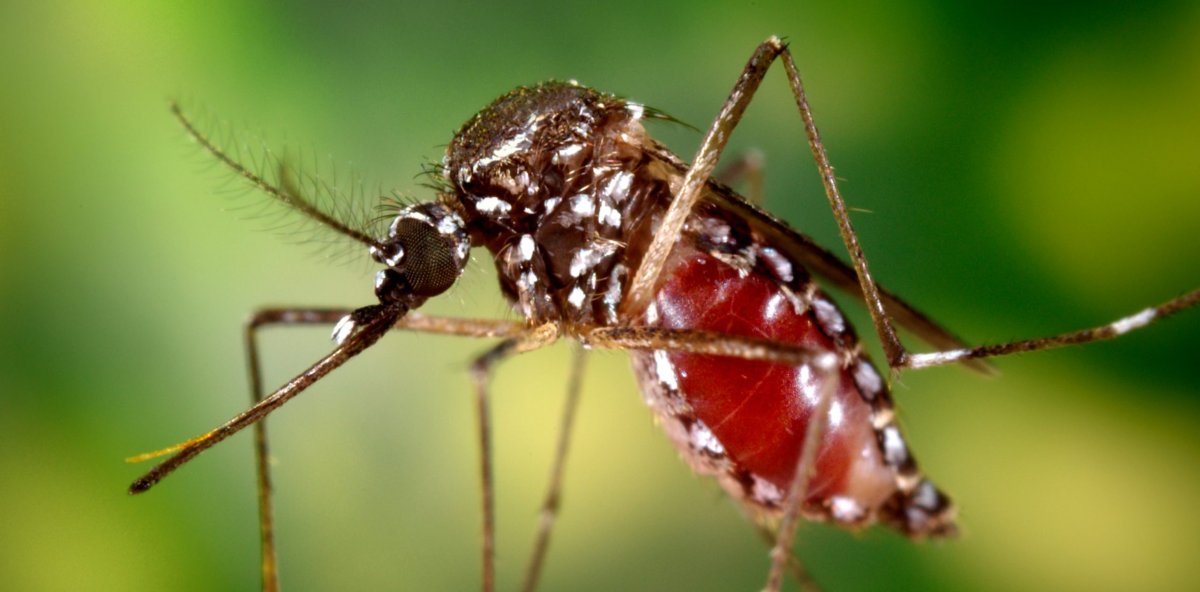
Return! Cases of chikungunya are being reported: practical tips for prevention
Health authorities have confirmed three imported cases of chikungunya virus from Cuba, raising concerns about potential transmission risks in the Dominican Republic. The Ministry of Public Health issued the alert last Thursday, identifying the Aedes aegypti mosquito as the primary vector responsible for spreading this arboviral disease alongside dengue and Zika.
The current epidemiological situation is particularly concerning due to seasonal rainfall patterns that create ideal breeding conditions for mosquitoes. Stagnant water accumulation in urban and residential areas has significantly increased the proliferation potential of disease-carrying insects, creating heightened vulnerability among the local population.
According to World Health Organization guidelines, effective mosquito habitat management remains the cornerstone of prevention strategies. Health officials emphasize that eliminating breeding sites requires a multidisciplinary approach spanning public health, environmental management, and community education sectors.
Recommended preventive measures include:
– Removing or properly sealing outdoor water containers including flower pots, bottles, and storage vessels
– Installing protective covers on domestic water tanks and storage reservoirs
– Implementing proper waste management practices with sealed plastic bags and covered trash receptacles
– Maintaining clear drainage systems to prevent water stagnation
– Installing window and door screens to create physical barriers against mosquitoesHealth authorities stress that community participation is essential for successful mosquito population control and reducing disease transmission risks.