作者: admin

  • Panka: Succesvolle carrièrebeurs 2026 met focus op diaspora en talent

    Panka: Succesvolle carrièrebeurs 2026 met focus op diaspora en talent

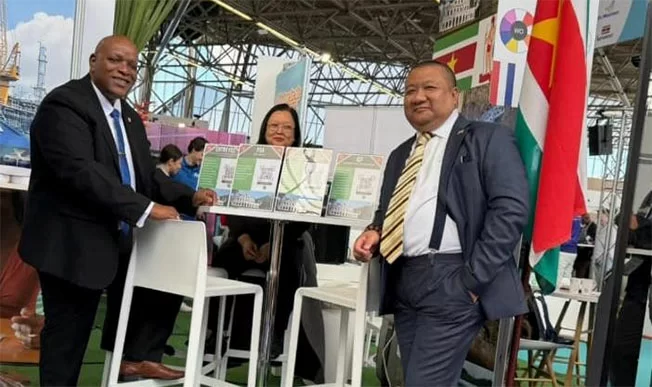
    Suriname has wrapped up a highly successful participation in the 2026 Nationale Carrièrebeurs (National Career Fair) held in the Netherlands, with government representatives and local industry leaders praising the outcomes of the two-day event. The South American nation’s embassy in the Netherlands brought a delegation of 14 Surinamese companies to the exhibition, where the mission centered on three core priorities: nurturing new talent, expanding career pathways for prospective workers, and strengthening ties between Suriname and its global diaspora community based in the Netherlands.

    The fair ran across April 24 and 25, and during that time embassy staff held hundreds of one-on-one interactions with attendees, with a particular focus on engaging members of the Surinamese diaspora. According to Surinamese Ambassador Ricardo Panka, visitor interest in the delegation was robust, with many attendees eager to learn about recent economic and social developments back in Suriname. Many also came with practical questions covering consular services, from the PSA scheme and passport renewal processes to other related administrative procedures.

    Among student attendees, the most common inquiries focused on available work and career opportunities upon graduation, as well as guidance on how young skilled Surinamese professionals can contribute to their home country’s ongoing economic expansion. Panka noted that the direct, personalized conversations and targeted information provision offered by the Surinamese delegation were widely well-received by fair guests.

    The 14 participating companies showcased a wide range of open roles and career pathways across multiple key sectors of Suriname’s economy. A particular highlight of the delegation’s presentation was addressing the growing demand for technically skilled and highly educated workers, a need that has expanded rapidly in anticipation of major new developments in Suriname’s oil and gas industry, which is set to drive significant economic growth in the coming years.

    In advance of the main career fair, the Surinamese embassy partnered with event organizers to host a dedicated pre-fair information session on April 22 for Surinamese student organizations across the Netherlands. The session saw strong turnout from the student community, and gave early access for attendees to connect directly with business leaders from the Surinamese delegation.

    Suriname’s leading financial institutions also had a presence at the fair, where they shared information not only on open employment opportunities in the country’s banking and financial services sector but also on specialized services tailored to the needs of the Surinamese diaspora. These included details on digital account opening, savings products, lending options, insurance coverage and other core banking facilities for community members living abroad.

    Event organizers from the Surinamese side say the active participation of the embassy, consular team and national private sector has laid a solid foundation for future collaboration, ongoing talent development programming, and deeper, more productive engagement with the diaspora community. The Nationale Carrièrebeurs is widely recognized as the largest career event in the Netherlands and the Dutch Caribbean, catering specifically to mid-level vocational, higher professional and university students, as well as early-career young professionals.

  • Ministry of Works Hosts Security Training to Strengthen Preparedness

    Ministry of Works Hosts Security Training to Strengthen Preparedness

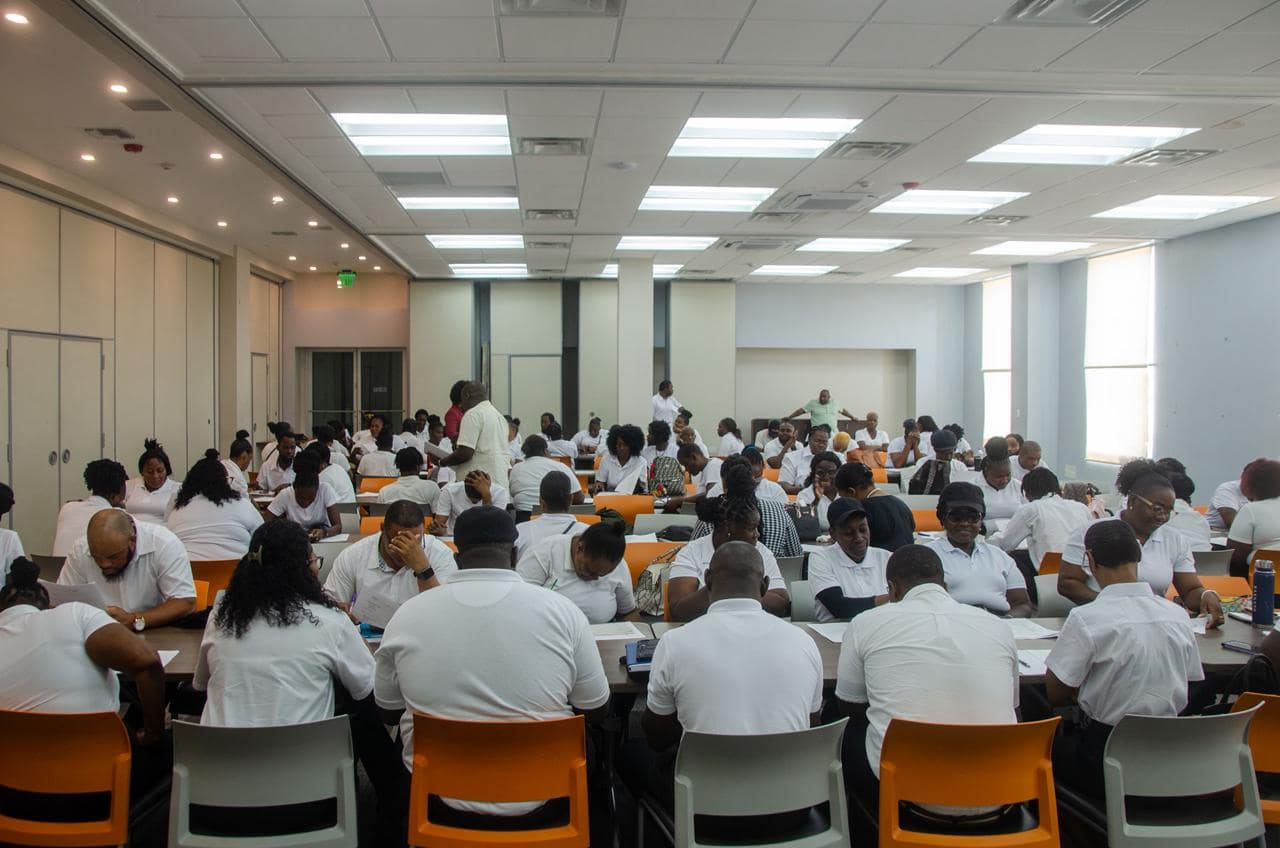
    On Friday, security personnel assigned to Antigua and Barbuda’s Ministry of Works gathered for a specialized professional development workshop, a key step in the government department’s ongoing push to elevate operational readiness and public service standards across all its units.

    The interactive training session was hosted at the John E. St. Luce Building, bringing together the entire ministry’s in-house security team to receive targeted, role-specific instruction designed to address their daily on-the-job challenges.

    Ministry leadership confirmed that this workshop is not an isolated event, but rather a core component of a wider, long-term institutional initiative. The overarching goals of this broader program are threefold: to embed higher standards of professionalism across all frontline roles, strengthen the department’s ability to respond to emerging security and operational demands, and ultimately improve the quality of service the ministry delivers to the public of Antigua and Barbuda.

    Senior officials emphasized that sustained investment in regular upskilling is a strategic priority for the ministry. By equipping frontline security staff with updated knowledge and refined skills, the department expects to boost the overall effectiveness of its workforce, creating a more stable and efficient operating environment that supports the work of every division within the Ministry of Works.

  • Urgent Blood Donation Appeal Issued for Newfield Man, Gavin Gardener in Critical Condition

    Urgent Blood Donation Appeal Issued for Newfield Man, Gavin Gardener in Critical Condition

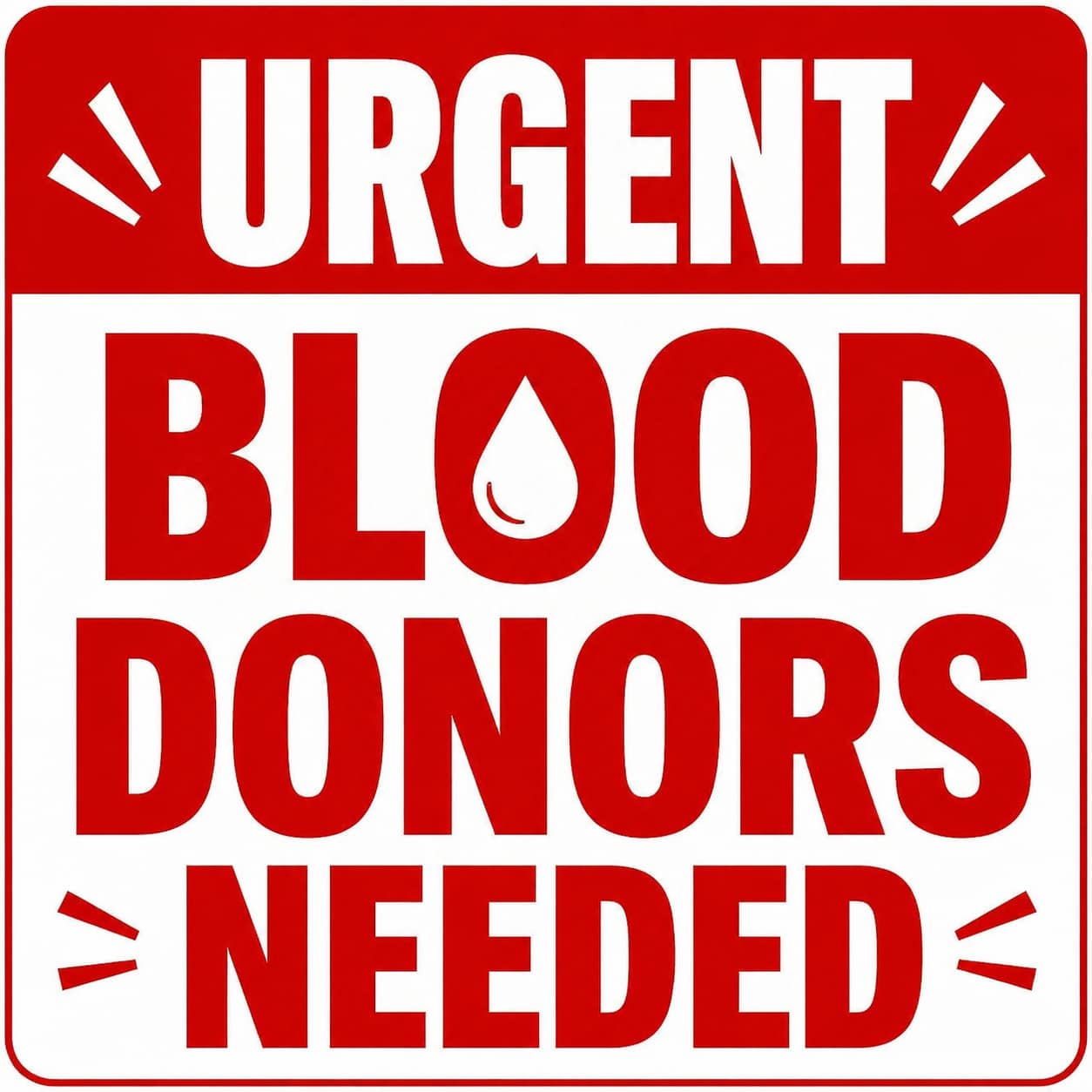
    A urgent, community-wide call for blood donations has gone out this week to support 28-year-old Gavin Gardener, a Newfield resident who remains in critical condition at Antigua’s Sir Lester Bird Medical Centre (SLBMC).

    According to family members and close supporters of Gardener, the patient requires emergency, ongoing blood transfusions to sustain his life as clinical teams work to address his underlying health crisis. Unlike many targeted donation calls that restrict requests to specific blood types, organizers of the appeal confirmed all blood classifications are accepted at this time, allowing any eligible member of the public to contribute.

    Eligible donors are being instructed to travel directly to the Sir Lester Bird Medical Centre as soon as they are able, and to inform hospital staff that their contribution is specifically allocated to Gardener’s care. Organizers have emphasized that even a single donation has the potential to be life-saving, as attending physicians work around the clock to stabilize the Newfield man’s unstable condition.

    To streamline the donation process and avoid administrative delays, prospective givers are reminded to bring a valid form of government-issued photo identification with them when they arrive at the hospital’s blood donation center.

    Beyond asking for direct donations, appeal organizers are urging all community members to share the call for assistance widely across local social media platforms, neighborhood groups, and personal networks. The goal of this broad sharing push is to maximize donor turnout and ensure the patient has access to all the blood products he needs to pull through the ongoing medical crisis.

  • UNC Pivots towards US alignment

    UNC Pivots towards US alignment

    It has now been 12 months since the United National Congress (UNC) won a decisive electoral victory in Trinidad and Tobago, and the small Caribbean nation has undergone a quiet but transformative geopolitical realignment, moving steadily into alignment with United States foreign policy while breaking with longstanding regional norms and historic ties to neighboring Venezuela. Since Prime Minister Kamla Persad-Bissessar took office on April 28, 2025, her administration has embraced American security strategy, echoed Washington’s domestic political rhetoric, and repeatedly backed some of the U.S.’s most divisive global actions, creating growing tensions across the Caribbean and Latin America.

    This ideological alignment predated the UNC’s assumption of power: during the 2025 election campaign, Persad-Bissessar’s party already mirrored the policy priorities of U.S. Republican Party and former president Donald Trump, including anti-immigrant rhetoric framing migration as an “invasion” and a pledge to reintroduce religious instruction into public schools. Echoing Trump’s 2016 “America First” platform that propelled him to the White House, Persad-Bissessar centered her campaign on a “T&T-first” agenda, a slogan that would later become the title of her administration’s inaugural national budget. Following the NRA’s endorsement of Trump, the UNC also expanded its proposals for broad “Stand Your Ground” self-defense legislation and enshrined the “right to bear arms” as a core priority in its electoral manifesto.

    Since taking office, the pro-U.S. shift has only accelerated, particularly in relation to key geopolitical flashpoints. The Persad-Bissessar administration has repeatedly voiced open support for Trump administration military operations both in Venezuela, which sits just seven miles from Trinidad and Tobago at its closest point, and across the Middle East, regularly labeling governments in Caracas and Tehran as “dictatorial regimes.” The government has even moved to adopt Washington’s global terror designation list outright, branding Venezuelan criminal group Tren De Aragua and Iran’s Islamic Revolutionary Guard Corps (IRGC) as terrorist organizations in lockstep with the U.S.

    The most public demonstration of this new alignment came in late 2025, when the U.S. military launched a series of air and sea strikes targeting vessels it claimed were trafficking narcotics to American shores across the Caribbean Sea. The campaign, which grew into Operation Southern Spear, saw the U.S. reposition at least eight warships and thousands of troops to the region, increasing military pressure dramatically on Venezuela. Persad-Bissessar openly praised the buildup, issuing a public statement welcoming the first strike on September 2 that killed 11 people the U.S. labeled “narco-terrorists” from a Venezuelan coastal town. In the statement, she declared that “all drug traffickers should be killed violently” — a position she has refused to back away from, even as international legal experts have raised questions about the legality of the extrajudicial kinetic strikes.

    Shortly after the strikes began, the prime minister issued a direct warning to neighboring Venezuela, a longstanding regional ally, warning that any incursion into Guyanese territory would grant the U.S. “unflinching access” to Trinidad and Tobago’s land and territorial waters. When the guided-missile destroyer USS Gravely docked in Port of Spain for joint military exercises hosted by Trinidad and Tobago, the Maduro-era Venezuelan government responded by cutting all natural gas trade ties with the nation and declaring Persad-Bissessar persona non grata, while state-backed protests filled the streets of Caracas to condemn her policies. Maduro himself repeatedly accused the prime minister of intentionally damaging regional stability and destroying decades of constructive bilateral relations, warning that any hostile action originating from Trinidad and Tobago would be met with a proportional military response. Undeterred, Persad-Bissessar dismissed Venezuelan retaliation as inconsequential to both her personally and the national economy.

    After the U.S. launched Operation Absolute Resolve, the January 3, 2026 military operation that removed Nicolas Maduro from his Caracas presidential compound, Trinidad and Tobago went a step further, permitting the U.S. to install a advanced military-grade air defense radar system on the island of Tobago and granting U.S. military aircraft access to the nation’s civilian and military airports. The administration has repeatedly denied any direct role in the raid on Maduro or attacks on Venezuelan civilians, but has continued to back U.S. policy in the country in public forums. At a recent Caricom Heads of Government meeting, Persad-Bissessar labeled Maduro a “narco-dictator” and claimed that both Trinidad and Tobago and Guyana face direct security threats from Venezuela.

    In response to the comments, the interim Venezuelan government led by Delcy Rodriguez, who has cooperated with the U.S. following Maduro’s ouster, issued a formal communique criticizing Persad-Bissessar’s stance. When the U.S. eased sanctions on Venezuelan energy projects, granting OFAC authorization to major energy firms including Shell to resume cross-border gas development, Persad-Bissessar hailed the move as a major economic win for Trinidad and Tobago, and announced a government delegation would travel to Caracas to negotiate new energy deals. No public update on the talks has been released to date, and Rodriguez notably skipped Trinidad and Tobago on her first foreign tour earlier this month, only visiting Grenada, telling reporters “we have positive relations with Grenada” when asked why she omitted Port of Spain.

    This pro-U.S. shift has not been limited to Venezuela. Following Maduro’s ouster, the Trump administration ramped up pressure on Cuba, blocking shipments of sanctioned Venezuelan oil that have long served as the island’s primary energy source, triggering widespread fuel shortages and deepening a growing humanitarian crisis. At the February 2026 Caricom summit, Persad-Bissessar again aligned with Washington, declaring that Trinidad and Tobago would not back Cuba’s “dictatorial regime.” “We cannot advocate for other people to live under communism and dictatorship while we enjoy democracy and capitalism in our Caricom region,” she said. “That is an oxymoron, a plain contradiction.”

    Weeks later, when the U.S. launched Operation Epic Fury in Iran that killed former Supreme Leader Ayatollah Ali Khamenei and ignited a multi-week regional war in the Persian Gulf, Trinidad and Tobago again issued a statement backing U.S. action. The Ministry of Foreign Affairs said the country supported U.S. efforts “to prevent oppressive regimes from acquiring nuclear weapons capabilities that would jeopardise international peace and security,” noting that nuclear proliferation remains a critical threat to the global community. On March 19, Trinidad and Tobago joined the U.S., United Kingdom, France, Germany, Italy, Japan, Canada and other nations in a joint statement condemning Iranian military actions and the closure of the Strait of Hormuz. Last week, the government formally added Hezbollah, Hamas and the IRGC to its national list of designated terrorist organizations, matching the U.S. designation.

    This new foreign policy marks a stark break from Trinidad and Tobago’s decades-long stance of regional neutrality. As a founding member of the 15-nation Caribbean Community (Caricom), previous Trinidad and Tobago administrations have long upheld the bloc’s collective commitment to maintaining the Caribbean as a conflict-free “Zone of Peace.” But under Persad-Bissessar, the government has rejected this longstanding regional consensus. Last year, the administration reserved its position on a formal Caricom declaration reaffirming the Zone of Peace, and Persad-Bissessar later rejected the concept as a “false ideal” during a speech to the United Nations General Assembly.

    Tensions between Port of Spain and the Caricom secretariat have escalated sharply in recent months. In late December 2025, Persad-Bissessar warned regional nations against criticizing the U.S., pointing to Antigua and Barbuda and Dominica, which faced U.S. visa restrictions under the Trump administration after publicly opposing Washington’s policies. In a post to her X account, she accused Caricom of disproportionately siding with the former Maduro government, repeated calling the Zone of Peace “fakery,” and made clear Trinidad and Tobago wanted no part of the regional consensus.

    At the February 2026 Caricom Heads of Government meeting in St. Kitts, Persad-Bissessar went further, calling the regional bloc an “unreliable partner” and questioning why it had not condemned what she framed as Venezuelan threats to Trinidad and Tobago and Guyana. The dispute spilled into a wider conflict over the reappointment of Caricom Secretary General Carla Barnett, who is set to begin a second five-year term in August 2026 following a vote by Caricom heads at a closed retreat in Nevis.

    Trinidad and Tobago’s foreign minister Sean Sobers, who took over the country’s delegation after Persad-Bissessar left the summit a day early, issued a formal objection to the reappointment, claiming the process violated the Treaty of Chaguaramas because Trinidad and Tobago was not consulted and the vote was not added to the official meeting agenda. Caricom Chairman Terrance Drew responded that the vote was held at a properly announced retreat, and Sobers was invited but declined to attend, citing seasickness. Sobers rejected that claim, and announced Trinidad and Tobago would suspend participation in Caricom meetings until the government received all correspondence related to Barnett’s reappointment.

    Last week, Persad-Bissessor escalated the dispute further, releasing a public statement alongside screenshots of a WhatsApp group chat showing that a “heads-only” retreat was scheduled for February 26, after she had already left the summit. She accused Caricom’s leadership of lying, and labeled the bloc’s leadership dysfunctional, dishonest and incompetent, while also criticizing regional foreign ministers for failing to defend Sobers amid the dispute.

    Political analysts who have tracked the UNC’s first year in office note that the new foreign policy has emerged as the most distinct shift of the administration, drawing mixed reactions from the Trinidad and Tobago public and regional stakeholders. While analysts acknowledge that overt alignment with the U.S. could deliver short and medium-term economic and security benefits for the small island nation, they caution that the long-term consequences for regional stability and Trinidad and Tobago’s standing in the Caribbean remain unclear.
  • ABLP outlines jobs, language support plan in outreach to Spanish-speaking residents

    ABLP outlines jobs, language support plan in outreach to Spanish-speaking residents

    With the pivotal April 30 general election rapidly approaching, the Antigua and Barbuda Labour Party (ABLP) has ramped up its community outreach efforts by announcing a landmark new initiative designed to foster deeper social and economic inclusion for the nation’s Spanish-speaking population.

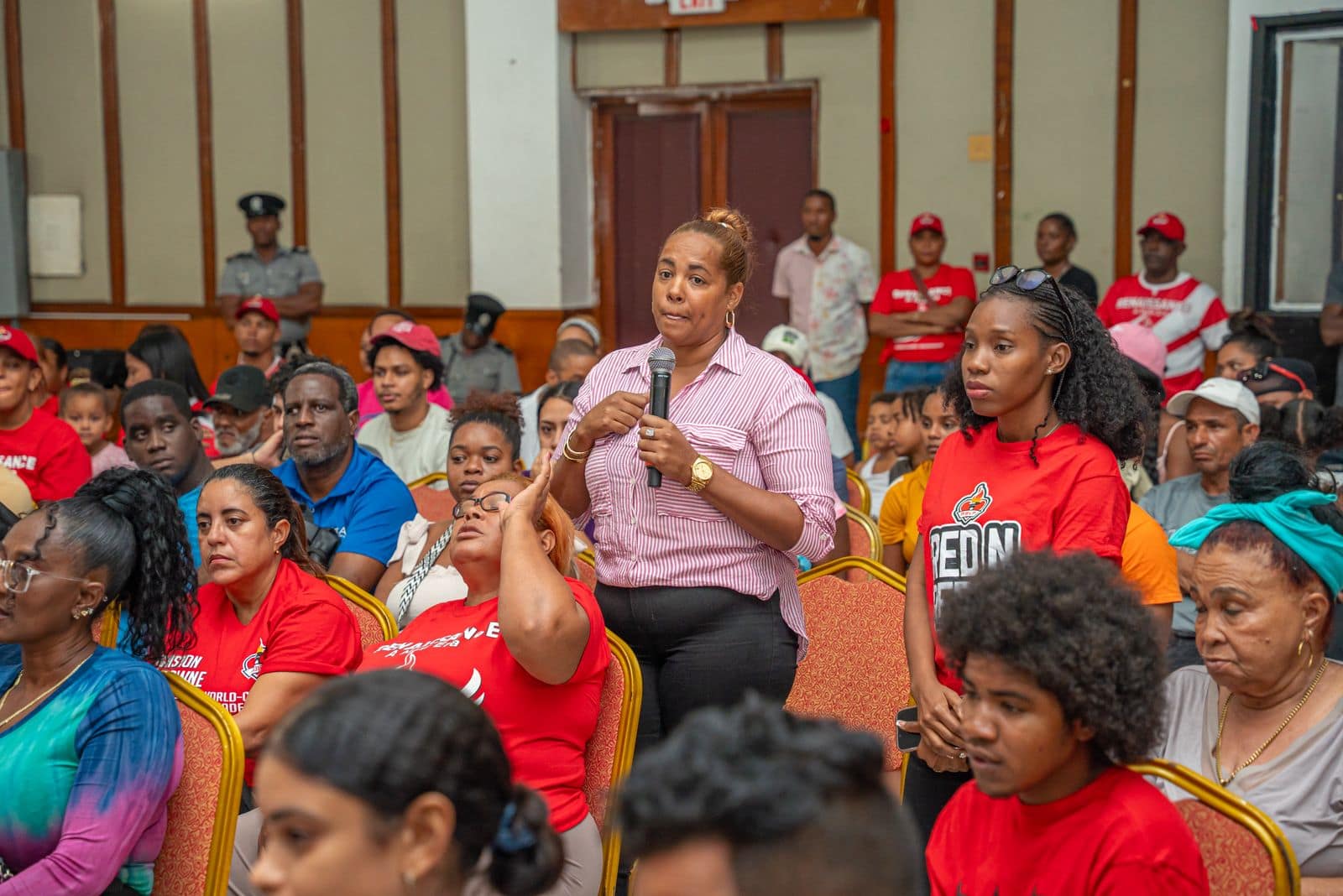
    The proposal, branded the Dominican Republic Integration Programme (DRIP), was unveiled by sitting Prime Minister Gaston Browne during a well-attended public gathering held Friday evening at the Multi-Purpose Cultural Centre, where every seat in the venue was filled by engaged attendees. Browne was joined on stage by two of the party’s electoral candidates: Daryll Matthew, who is contesting the St. John’s Rural South constituency, and Michael M. Joseph, the ABLP hopeful for St. John’s Rural West.

    Per the proposal’s framework, the entire initiative will be overseen by a dedicated unit operating directly out of the Office of the Prime Minister, ensuring centralized coordination and rapid progress on policy implementation. A core economic component of the plan opens access to the Prime Minister’s Entrepreneurial Fund for participating Spanish-speaking residents, providing capital to launch and grow small businesses across the country. Browne also noted that the incoming ABLP administration would hold formal discussions with local credit unions and other licensed financial institutions to expand eligible financing options for this community beyond the existing government fund.

    To address language barriers that often limit full social and civic participation, the program also includes a commitment to free community-based English language classes in neighborhoods with large concentrations of Spanish-speaking residents. Browne emphasized that while the initiative carries a name referencing the Dominican Republic – the origin of the largest share of Antigua and Barbuda’s Spanish-speaking population – it will extend coverage to all Spanish-speaking residents regardless of nationality, including Cuban citizens and migrants from other Spanish-speaking Caribbean and Latin American nations.

    The public event included an open question-and-answer session, where multiple attendees raised pressing concerns that have affected their community. A top complaint centered on extensive delays in processing passport applications for new citizens, with several attendees reporting wait times exceeding 12 months after submitting their citizenship requests. In response, Browne confirmed that the entire application and processing pipeline would undergo a full government review to identify and eliminate administrative bottlenecks that are causing backlogs.

    Attendees also shared accounts of unsatisfactory treatment when interacting with staff at the Antigua and Barbuda Immigration Department. Browne openly acknowledged the validity of these community complaints and committed that the ABLP would launch a full review of workplace protocols and customer service standards at the department to resolve the reported issues.

    Political analysts note that the launch of DRIP is a core component of the ABLP’s broader electoral strategy to build support across the nation’s diverse demographic groups, as the ruling party looks to secure another term in the upcoming general election. By directly addressing longstanding priorities for the Spanish-speaking community, the party is signaling that it views this demographic as a key constituency in the upcoming poll.

  • UWI celebrates Gonsalves with historic honour

    UWI celebrates Gonsalves with historic honour

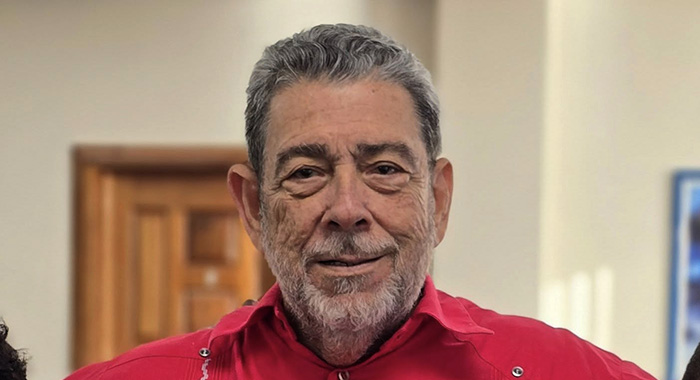
    The University of the West Indies (UWI), the Caribbean’s leading regional higher education institution, has announced a one-of-a-kind historic honor to celebrate Ralph Gonsalves, the current Leader of the Opposition of St. Vincent and the Grenadines (SVG), hailing him as a respected Caribbean leader, accomplished scholar, and distinguished UWI alumnus.

    Turning 80 this coming August, Gonsalves has built a decades-long political career spanning more than three decades. He has held a seat in SVG’s Parliament since 1994, and served as the country’s Prime Minister from March 2001 to November 2025. His tenure, which included five consecutive terms, marks the longest continuous premiership in recorded Caribbean history. Following his United Labour Party’s electoral defeat in the 2025 general election, Gonsalves retained his parliamentary seat as the only candidate from his party to win, and now serves as Leader of the Opposition.

    UWI confirmed that the decision to honor Gonsalves was formally approved during a special session of the University Council held on April 17. The institution highlighted that the tribute recognizes Gonsalves’ 60 years of outstanding service, groundbreaking scholarship, and transformative leadership across the entire Caribbean region.

    To contextualize the significance of this honor, UWI traced Gonsalves’ long-standing connection to the university, which began when he enrolled as an undergraduate and quickly emerged as a prominent student leader. During his time on campus, he was elected President of the Guild of Students, where he played a pivotal role in landmark regional campaigns, most notably the movement to reverse Caribbean governments’ controversial stance on renowned Guyanese scholar Walter Rodney.

    Gonsalves graduated from UWI with distinction in economics in 1969, before going on to pursue advanced postgraduate studies at institutions in East Africa and the University of Manchester, where he completed his doctorate. He later returned to UWI as a lecturer in political science, teaching at both the Mona and Cave Hill campuses, where he mentored and shaped generations of leading Caribbean scholars, thinkers, and public figures.

    UWI emphasized that while Gonsalves left an indelible mark on academia, his most far-reaching impact has come through his decades of public service and political leadership. The university’s statement also noted that this new recognition continues UWI’s longstanding tradition of honoring alumni who have played transformative roles in advancing Caribbean development. Past honorees include major Caribbean political figures such as PJ Patterson, Owen Arthur, Edward Seaga, Michael Manley, Bruce Golding, Portia Simpson-Miller, and Sir Erskine Sandiford, a legacy that reflects the institution’s core belief that higher education forms the foundational bedrock for strong leadership and sustainable nation-building across the region.

    What sets Gonsalves’ honor apart from all previous recognitions is its unprecedented nature, both in symbolic meaning and practical structure. When UWI first approached Gonsalves to inform him of their plan to honor him, he humbly declined the traditional gesture of naming a university building or center after him. In response, the institution created a unique alternative: a dedicated research program focused on the core themes that have defined Gonsalves’ lifelong academic and political work: global development, Caribbean sovereignty, and accessible education.

    To expand on this tribute, UWI’s Cave Hill Campus will house a new specialized research initiative hosted at the Centre for Public Policy and Governance, which will conduct targeted research into areas that have long been central to Gonsalves’ intellectual and political work, including regional integration, decolonization, and national sovereignty.

    UWI Vice-Chancellor Professor Sir Hilary Beckles celebrated Gonsalves’ fearless leadership, unwavering commitment to Caribbean self-determination, and lifelong advocacy for expanded access to higher education across the region. “It is only appropriate that we honour him in this way, befitting him, and having this defined intellectual discourse in development and sovereignty aligned with Dr Gonsalves at The UWI,” Beckles said.

    The recognition is also backed by widespread acclaim from regional academic and governance leaders. In a reflection published in November 2025, Trevor Munroe, UWI Emeritus Professor and Principal Director of the Jamaica Chapter of Transparency International, described Gonsalves as a truly transformational statesman, noting that “geniuses like Gonsalves come only once in a lifetime.”

    Munroe highlighted Gonsalves’ visionary investment in higher education and its direct impact on SVG’s rapid national development. Under Gonsalves’ leadership, he noted, SVG lifted itself from being the third-poorest country in the Caribbean Community (CARICOM) to rank 76th globally on the United Nations Human Development Index. Today, SVG sits just 0.11 index points away from qualifying as a top-tier developing nation, placing it just behind Iran, and is on track to achieve first-world status by 2040. The country has also set an ambitious target of having at least one university graduate per household by 2030, a goal anchored in Gonsalves’ policy priorities. Munroe credited Gonsalves for this remarkable developmental progress and for advancing Caribbean national sovereignty through intentional, measured national growth.

  • PM Says ABLP’s Indoor Sports Complex, Aquatic Centre and Track Upgrades More Realistic than ‘Outlandish’ UPP Facility

    PM Says ABLP’s Indoor Sports Complex, Aquatic Centre and Track Upgrades More Realistic than ‘Outlandish’ UPP Facility

    As the April 30 general election in Antigua and Barbuda approaches, incumbent Prime Minister Gaston Browne is drawing sharp distinctions between the sports infrastructure priorities of his ruling Antigua and Barbuda Labour Party (ABLP) and the pledges put forward by the opposition United Progressive Party (UPP). Browne has launched targeted criticism of the UPP’s flagship sports facility proposal, dismissing it as an overpriced, unworkable initiative that lacks transparent funding, while positioning his own party’s plans as fiscally responsible and grounded in the country’s actual needs.

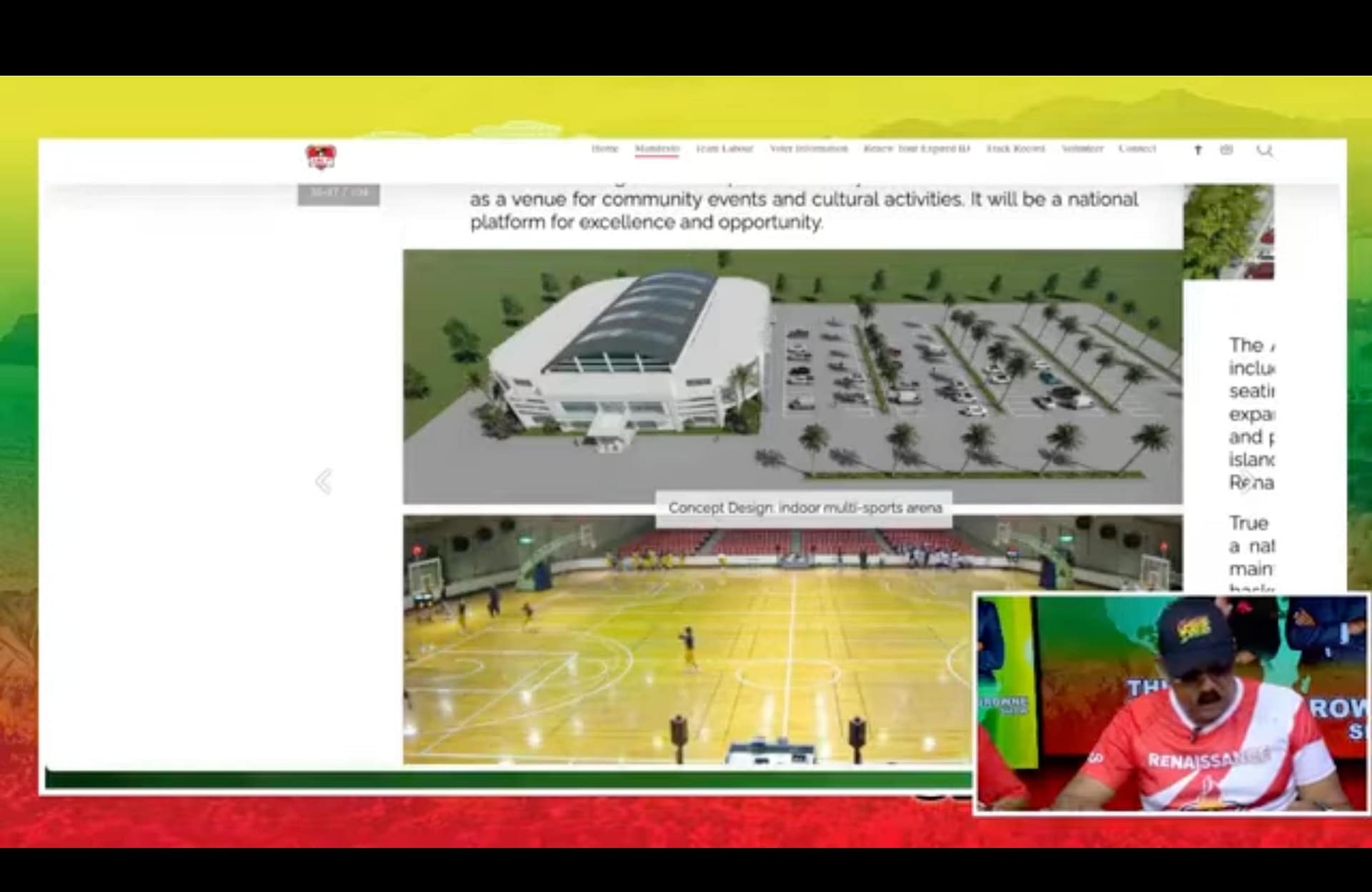
    In outlining the ABLP’s manifesto commitments, Browne highlighted a suite of targeted sports development projects that he says are well within the government’s financial capacity to deliver. The centerpieces of the ruling party’s plan include the construction of a new, state-of-the-art indoor multi-purpose sports complex and a purpose-built, modern aquatic centre. In addition to these new builds, the ABLP has committed to targeted upgrades for aging existing sports infrastructure across the country.

    Among the most critical rehabilitation projects outlined is the renewal of the running track at the JSC sports facility, which Browne confirmed has fallen into significant disrepair and requires immediate intervention to restore functionality for local athletes and community users. The party also plans to invest several million dollars into expanding and upgrading the North Sound motorsport racetrack, a recreational and tourism-focused asset that Browne noted was first established by his current ABLP administration.

    Browne emphasized that all of the ABLP’s proposed sports developments are designed to meet the nation’s practical needs without straining public finances. Unlike the opposition’s grand proposal, he said, the ABLP’s plans feature appropriately scaled facilities that balance ambition with affordability, ensuring projects can break ground and be completed without leaving unsustainable debt for future generations.

    The sharpest critique from Browne was reserved for the UPP’s proposed multi-sports arena. After conducting an independent cost analysis of the opposition’s plan, Browne said the project would carry a price tag of more than $1 billion – a sum he argues is disproportionate to Antigua and Barbuda’s current economic landscape. Beyond the sticker shock, Browne repeatedly questioned the opposition’s failure to outline a clear, credible funding source for the billion-dollar project, saying the public has been given no concrete answers about how the initiative would be paid for.

    He characterized the UPP’s proposal as both outlandish and ostentatious, arguing that it is little more than an empty campaign promise designed to attract votes rather than a realistic plan to expand the country’s sports infrastructure. In contrast, Browne reiterated that the ABLP’s agenda is rooted in deliverable, costed commitments that will deliver tangible benefits to athletes, residents, and the tourism sector long after election day.

  • Commonwealth Observer Group commences work in Antigua and Barbuda for 2026 General Elections

    Commonwealth Observer Group commences work in Antigua and Barbuda for 2026 General Elections

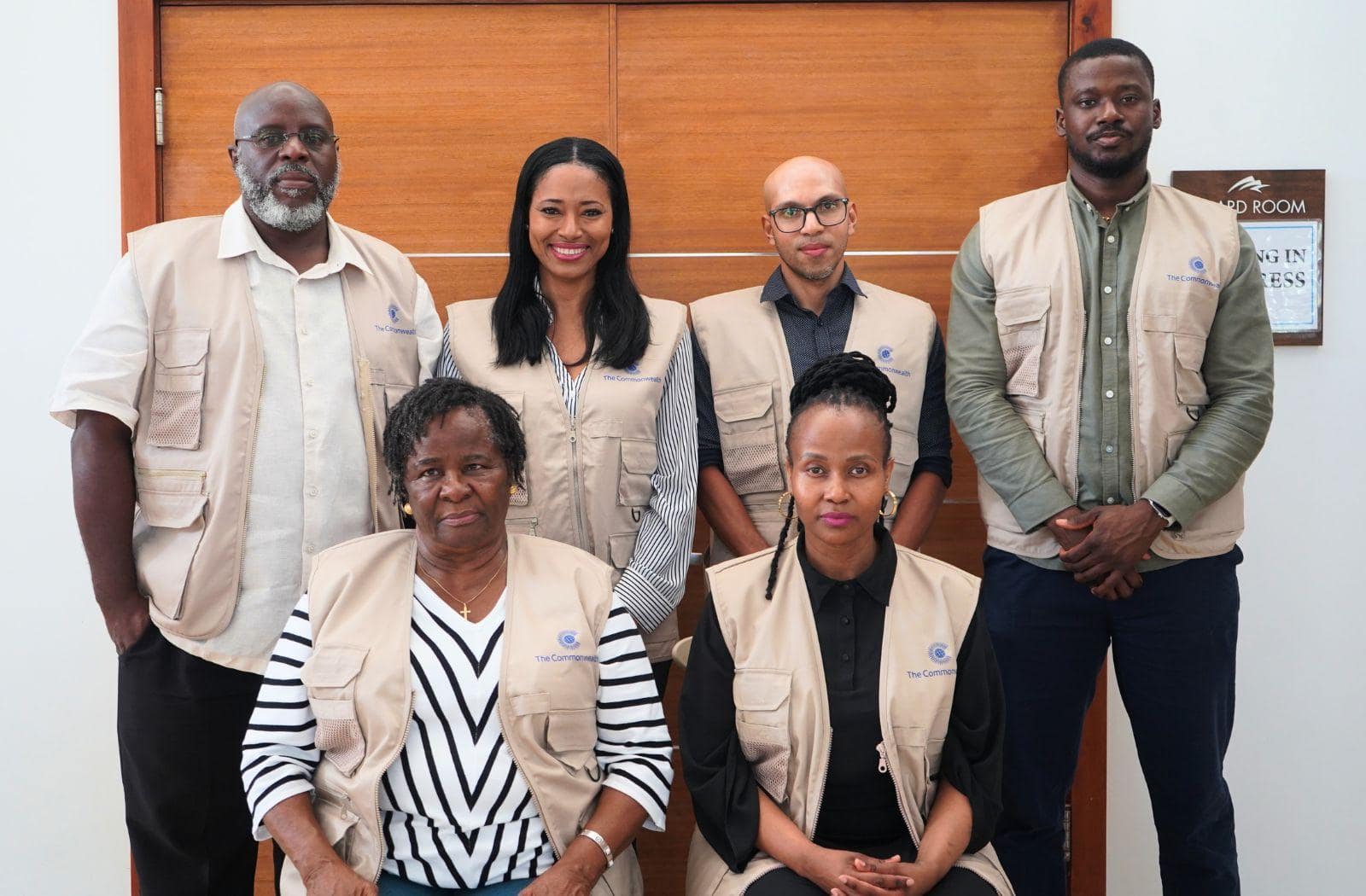
    A Commonwealth Observer Group has officially begun its work in Antigua and Barbuda, tasked with monitoring the upcoming 2026 General Elections. The four-member team was assembled and deployed by Commonwealth Secretary-General Hon Shirley Botchwey, following a formal invitation from the government of Antigua and Barbuda. Headed by Hon. Dr Pelonomi Venson, a former foreign affairs minister of Botswana, the group brings together decades of collective experience across election management, governance, civil society work, and media from three other Commonwealth nations: the Bahamas, Dominica, and the Maldives.

    In her remarks authorizing the deployment, Secretary-General Botchwey highlighted the shared commitment to democratic governance across the 56-nation bloc. She noted that she has repeatedly been impressed by the willingness of senior, distinguished leaders from across member states to step forward to support democratic processes on short notice. Expressing full confidence in the team, Botchwey emphasized that Venson and her fellow observers are well-positioned to deliver a rigorous, impartial, and trustworthy assessment of every stage of Antigua and Barbuda’s electoral cycle.

    Now fully on the ground in the twin-island nation, the observer group will remain in the country for the full duration of its mandate, covering the entire electoral process from pre-election preparations through polling day, vote counting, and post-election results management. Its assessment will be guided by three core frameworks: Antigua and Barbuda’s national electoral laws, established Commonwealth democratic values, and widely accepted international election standards.

    In her first public statement upon arrival, group chair Venson called the assignment a significant honor. She framed the 2026 general election as a critical milestone for Antigua and Barbuda, noting that it presents a key opportunity to reinforce the country’s democratic institutions and deepen public trust in how elections are run. Venson stressed that upholding the core principles of inclusive, open, and transparent democracy is essential, with every eligible voter’s vote carrying equal weight regardless of background.

    The observer mission will receive logistical and operational support from a dedicated team based in the Commonwealth Secretariat, led by Lindiwe Maleleka, Political Adviser for the organization’s Electoral Support Section. Over the coming weeks, the group will hold consultations with a broad cross-section of national stakeholders, including national election authorities, leaders of all competing political parties, representatives of local and international civil society groups, national security agencies, members of the diplomatic community, and representatives of other international observer organizations.

    To ensure comprehensive coverage of voting activities, individual observers will be deployed across both of Antigua and Barbuda’s main islands to directly observe polling station operations, the post-polling vote counting process, and the official management of election results. In line with standard Commonwealth election observation protocols, the mission will release an interim public statement outlining its preliminary findings shortly after polls close. A full, detailed final report with final assessments and any recommendations will be published after the completion of the entire electoral process.

    The full roster of observers, in addition to chair Venson, includes Candia Dames, Executive Editor of the *Nassau Guardian* from the Bahamas; Ian Michael Anthony, former Chief Elections Officer of Dominica; and Aiman Rasheed, Deputy Program Director for the International Republican Institute based in the Maldives.

  • Eli Fuller Says Shark Sighting Near Ffryes Beach Not Unusual

    Eli Fuller Says Shark Sighting Near Ffryes Beach Not Unusual

    A recent shark sighting in the coastal waters off Ffryes Beach has sparked mild concern among local residents and visiting tourists, prompting a leading marine environment specialist to weigh in on the incident. Eli Fuller, a well-respected authority on Antigua and Barbuda’s marine ecosystems, has pushed back against growing anxiety by emphasizing that such encounters are far from an alarming anomaly. In a public statement addressing the recent observation, Fuller explained that sharks have long inhabited the coral reef and coastal habitats that surround the island nation’s shorelines. These apex predators play a critical role in maintaining the ecological balance of local marine environments, regulating fish populations and supporting healthy reef systems that draw tourists and sustain fishing communities alike. Fuller noted that shark sightings tend to become more noticeable during certain times of the year, when shifting ocean currents bring different fish populations closer to shore, drawing the predators in pursuit of their natural prey. He added that the majority of shark species found in these waters are not aggressive toward humans, and incidents of negative interaction are extremely rare. Fuller also urged beachgoers and water users to remain calm and practice basic caution, rather than panic. Avoiding swimming during early morning and late evening hours when sharks are more active close to shore, staying away from schools of fish, and refraining from entering the water if bleeding are all simple, effective precautions that reduce any already minimal risk. While the sighting has prompted some visitors to question the safety of Ffryes Beach, Fuller’s insight aligns with longstanding ecological data on shark populations in the Eastern Caribbean, reinforcing that human and shark coexistence is possible with proper awareness and respect for the natural marine environment.

  • Adrian Williams Unveils 10-Point Plan for City South Ahead of April 30 Vote

    Adrian Williams Unveils 10-Point Plan for City South Ahead of April 30 Vote

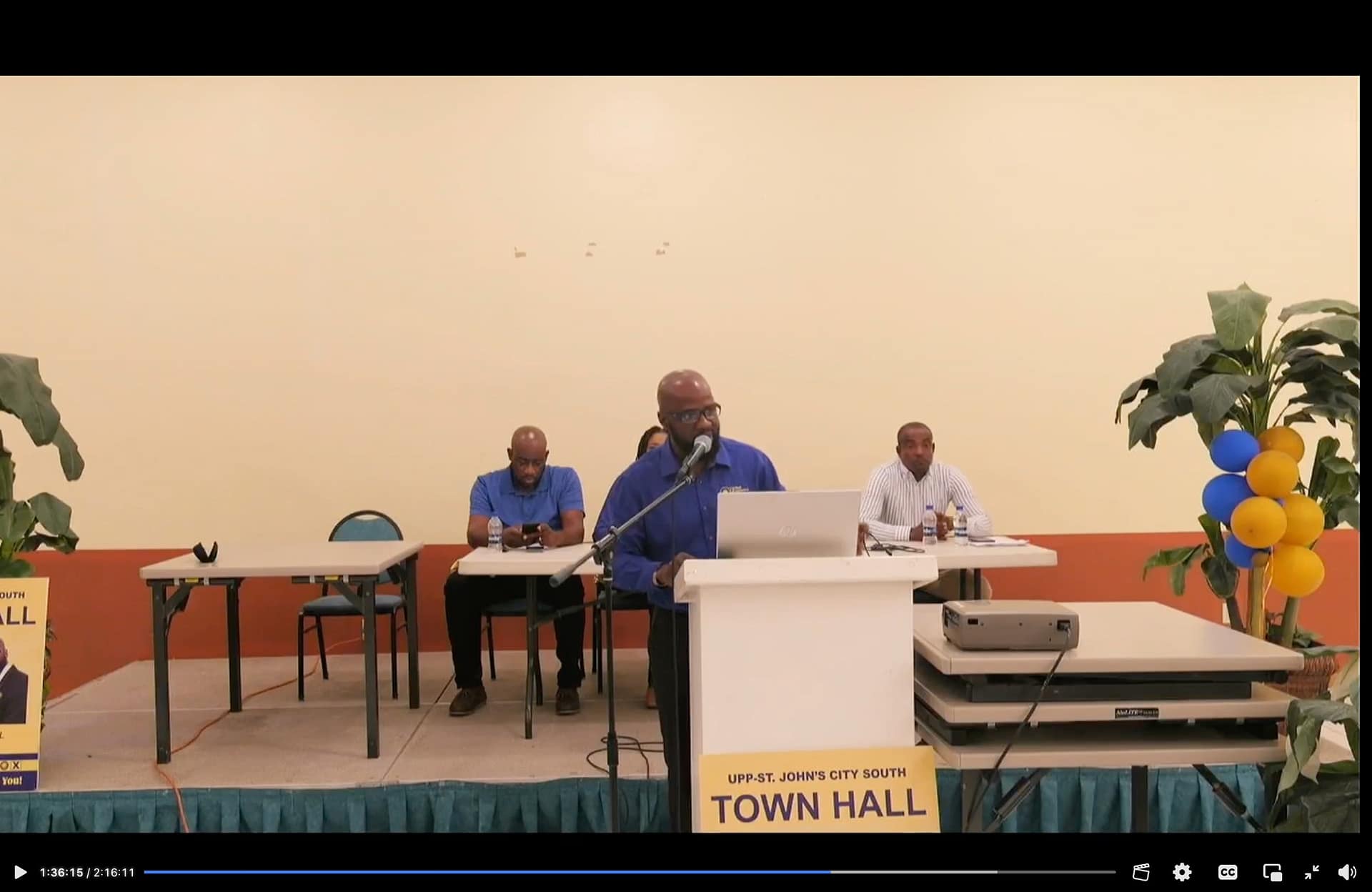
    As Antigua and Barbuda prepares for its April 30 general election, United Progressive Party candidate Adrian Williams has launched a bold 10-point development framework for the country’s South City region, positioning the plan as a targeted solution to growing economic strain and a blueprint for people-centered governance.

    Speaking to a packed audience at a public town hall gathering, Williams emphasized that the upcoming ballot represents a defining juncture for the twin-island nation, urging voters to recognize that shifting global dynamics will not remain distant from local realities. “We are not entering into an ordinary election,” he told assembled attendees, highlighting looming projected hikes in the cost of core household necessities: food, fuel, and rental housing. “Issues forged far beyond our shores… are certainly going to affect us right here at home.”

    Williams’ comprehensive plan covers a wide range of priority policy areas, from expanding agricultural output and improving public access to land, to breathing new economic life into the capital city of St. John’s. Additional key pillars include transformative reforms to education and healthcare, expanded investment in youth development, strengthened community policing, and broad-based support for local economic activity. At the heart of his policy pitch is a commitment to “bottom-up” nation-building, a model that centers increased public participation in governance and greater decision-making power for local communities.

    “The power truly belongs to the people,” Williams affirmed. “We want to give that power where it belongs.”

    The candidate also drew attention to longstanding, unaddressed challenges within the national healthcare system, identifying extended wait times for care and persistent staffing shortages as issues that demand immediate intervention. He argued that any meaningful healthcare reform must prioritize two core goals: boosting service efficiency and guaranteeing equal access to care for all residents, regardless of their income or location.

    Williams further underlined the urgent need for targeted policies to boost youth inclusion and grassroots community progress, calling for structured, accessible programs that build personal discipline and equip young people with in-demand employable skills.

    Throughout his presentation, Williams repeatedly returned to the central theme of ongoing constituent consultation, stressing that the proposals on the table were not developed behind closed doors and imposed on the public. Instead, he explained, the plan has been shaped iteratively through direct dialogue with the communities it aims to serve.

    “This meeting tonight is not us pushing things down your throat—this is us asking you, the people, how can we play a part… to modernize our system,” he explained.

    Williams confirmed that the 10-point South City development plan forms an early, core component of the United Progressive Party’s broader national platform for the 2026 general election cycle. He added that if the party secures victory at the polls on April 30, the implementation of all proposals will continue to be guided by sustained, open dialogue with voters across the country.