作者: admin

  • ABLP Rural West Branch Honours Long-Serving Supporters at Appreciation Luncheon

    ABLP Rural West Branch Honours Long-Serving Supporters at Appreciation Luncheon

    The St John’s Rural West Branch of the Antigua and Barbuda Labour Party hosted a special appreciation luncheon this week, celebrating over sixty of its most dedicated long-term supporters. The event served as a formal recognition ceremony for community members whose sustained loyalty and voluntary efforts have significantly contributed to the constituency’s political work across multiple decades.

    Branch officials characterized the gathering as both a heartfelt tribute and a strategic initiative to honor those who have fundamentally shaped the area’s developmental trajectory. According to organizers, these individuals have not only ‘paved the way’ through their unwavering commitment but have also established a strong foundation for the party’s ongoing community engagement efforts.

    Attendee Carol Bird expressed appreciation for the recognition, commending branch leadership for what she described as a profoundly meaningful gesture. ‘This reflects the strength of our team and the dedication of our supporters,’ Bird remarked, highlighting the symbiotic relationship between the party and its grassroots base.

    Beyond commemorating historical contributions, organizers clarified that the luncheon was designed to reinforce collective unity and strengthen organizational cohesion. The event represents part of a broader strategy to maintain active engagement with community stakeholders while advancing the branch’s ongoing initiatives throughout the St John’s Rural West constituency.
  • Regional IT stakeholders evaluate the CARICOM Knowledge Management Web Portal and Framework

    Regional IT stakeholders evaluate the CARICOM Knowledge Management Web Portal and Framework

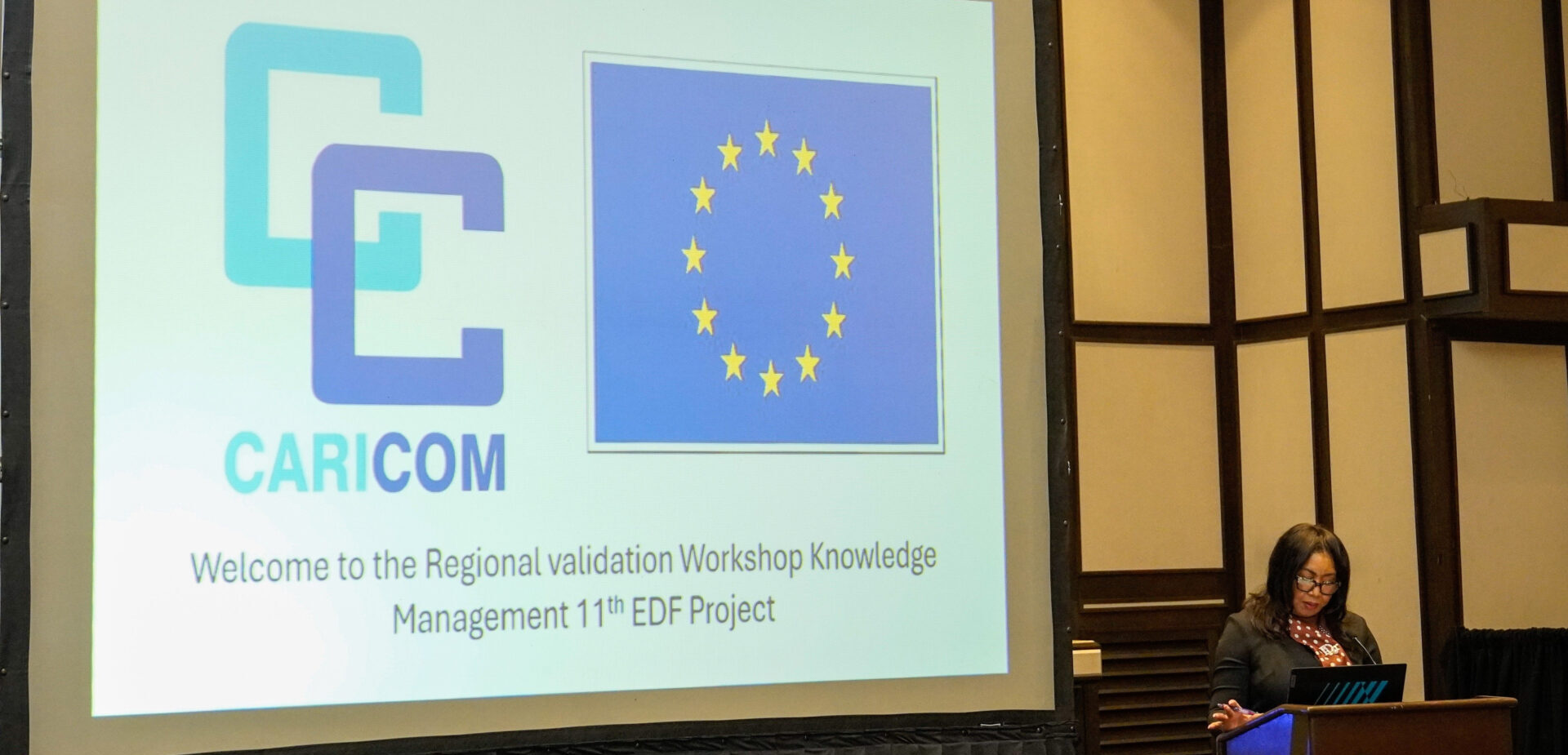
    In a significant stride toward regional digital integration, the Caribbean Community (CARICOM) has successfully validated its groundbreaking Knowledge Management Framework and Web Portal during a high-level workshop held in Trinidad and Tobago from November 19-20, 2025. This strategic initiative, funded by the 11th European Development Fund, represents a cornerstone in the implementation of the CARICOM Single ICT Space and the region’s transition to a data-driven digital economy.

    The validation workshop convened senior ICT officials and technical specialists from across member states, alongside representatives from key regional organizations including the Caribbean Telecommunications Union and Caribbean Broadcasting Union. This gathering marked the second phase of validation activities under the ICT4D component of the 11th EDF program, building upon previous groundwork established through the comprehensive ICT Sector Gap Analysis completed in May 2025.

    Ms. Evelyn Wayne, Director of Economic Policy and Development at the CARICOM Secretariat, emphasized the transformative potential of the initiative during her opening address. She characterized the Knowledge Management Framework and Portal as ‘a defining step forward in supporting evidence-based economic planning, strengthening digital governance, and enabling a coordinated approach to ICT development across the Community.’ The framework is positioned as essential infrastructure for enhancing regional digital resilience and strategic integration.

    The Knowledge Management Web Portal, scheduled for completion by December 31, 2025, will provide member states with advanced capabilities for secure data upload and verification, sophisticated analytical dashboards, and automated reporting functions at both national and regional levels. The platform will also feature controlled public access to aggregated regional indicators, promoting transparency while maintaining compliance with international reporting standards.

    Workshop participants demonstrated strong enthusiasm for the portal’s potential to address longstanding challenges in ICT data collection, including issues of fragmentation, methodological inconsistencies, and limited access to comprehensive regional datasets. Attendees contributed practical recommendations to optimize system usability, refine validation protocols, streamline workflows, and ensure alignment with both national priorities and international obligations.

    This initiative directly supports the systematic monitoring of progress toward the CARICOM Digital Agenda 2036, establishing clear targets and measurable outcomes for the region’s digital transformation journey.

  • Government to Cover CSEC Exam Fees for All Students in 2026, Browne Announces

    Government to Cover CSEC Exam Fees for All Students in 2026, Browne Announces

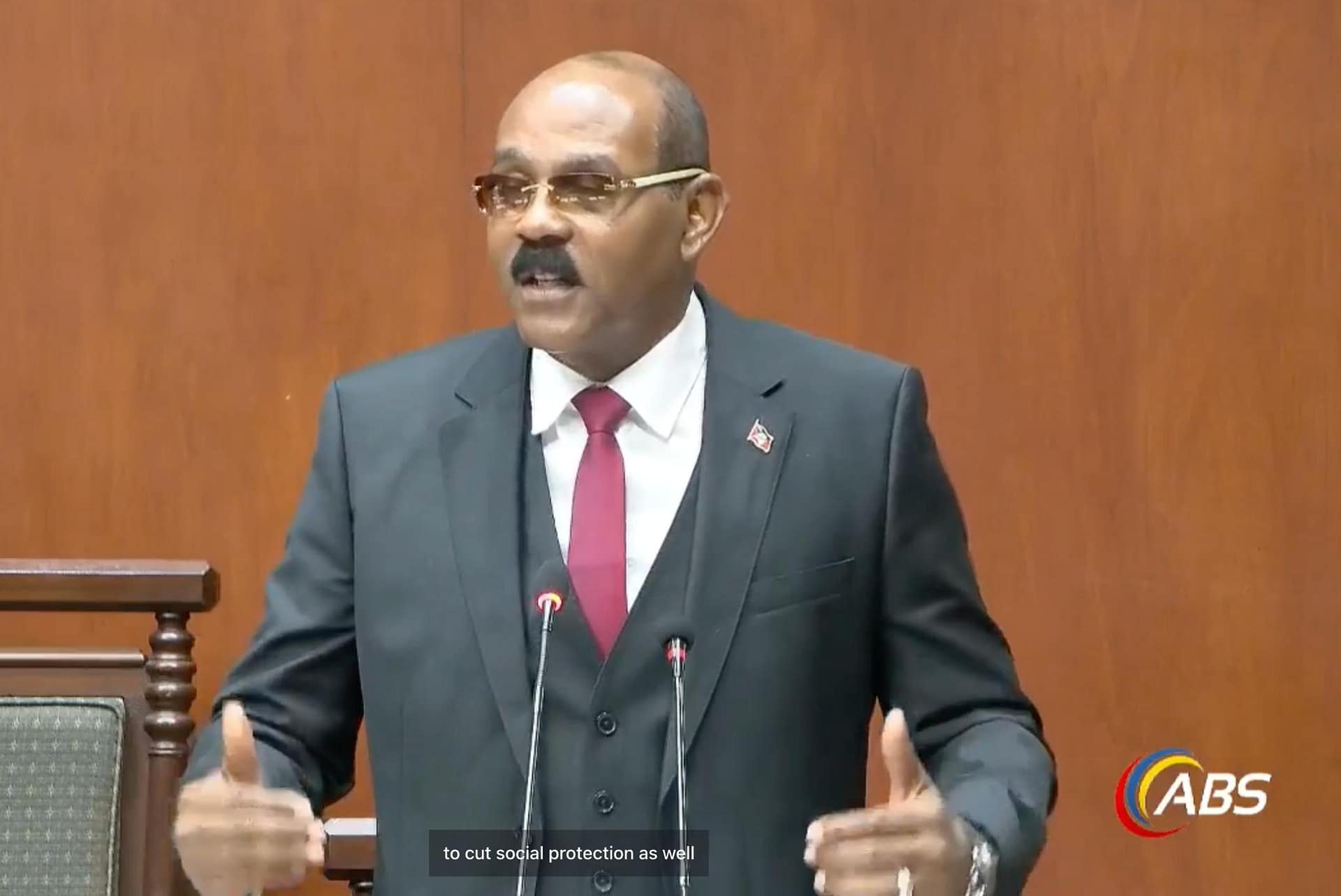
    In a landmark announcement during Wednesday’s parliamentary budget session, Prime Minister Gaston Browne revealed transformative educational reforms that will eliminate tuition costs for qualifying citizens at key higher education institutions. The sweeping initiative, presented as part of the 2026 national budget, represents a significant investment in human capital development for the Caribbean nation.

    Central to the education overhaul is the commitment to provide tuition-free access to the University of the West Indies Five Islands Campus for eligible Antiguan citizens. This benefit will take effect upon completion of current infrastructure enhancements underway at the institution. The government simultaneously declared that tuition fees at the Antigua and Barbuda College of Advance Studies will be abolished entirely beginning in 2026.

    In a complementary measure aimed at supporting secondary education, the administration will assume financial responsibility for all students undertaking CSEC (Caribbean Secondary Education Certificate) examinations. Prime Minister Browne characterized these initiatives as strategic investments designed to broaden educational accessibility while alleviating economic burdens on families nationwide.

    The comprehensive educational package forms part of a broader developmental agenda that prioritizes human resource development as fundamental to national progress. Further details regarding implementation timelines and eligibility criteria are anticipated in forthcoming government communications.

  • Short-term rentals generated US$23.2m in Antigua and Barbuda

    Short-term rentals generated US$23.2m in Antigua and Barbuda

    New regional data exposes significant economic imbalances within the Caribbean’s short-term rental market, with four destinations accounting for the overwhelming majority of tourism revenue while smaller nations struggle to gain foothold in the lucrative sector.

    According to AirROI’s comprehensive analysis covering October 2024 through October 2025, the entire CARICOM region generated approximately $396 million from vacation rental properties. However, this wealth distribution reveals a pronounced concentration, with The Bahamas, Jamaica, Belize, and Barbados collectively capturing 84% of total market revenue.

    The Bahamas emerged as the undisputed regional leader, amassing $148.6 million in short-term rental earnings—representing nearly 38% of all CARICOM income in this sector. Jamaica secured second position with $80.8 million, followed by Belize at $53.4 million and Barbados with $51.3 million.

    Antigua and Barbuda positioned itself as a mid-tier performer within the regional landscape, generating $23.2 million during the tracking period. This performance placed the twin-island nation ahead of Eastern Caribbean counterparts including St. Lucia, which recorded $13 million in short-term rental revenue.

    The data reveals particularly challenging conditions for smaller Caribbean territories. Montserrat’s vacation rental market produced merely $123,700 over the thirteen-month period, while Haiti and Dominica registered $175,200 and $487,000 respectively, highlighting the structural challenges facing less-developed tourism markets in the region.

    This detailed market analysis provides crucial insights into the Caribbean’s evolving tourism economy, demonstrating how short-term rental platforms are reshaping regional economic dynamics while simultaneously exacerbating existing disparities between established and emerging tourist destinations.

  • STATEMENT:The UWI joins the world in observing 16 Days of Activism Against Gender-Based Violence

    STATEMENT:The UWI joins the world in observing 16 Days of Activism Against Gender-Based Violence

    Dr. Halimah DeShong, the newly appointed University Director of the Institute for Gender and Development Studies (IGDS) at The University of the West Indies, has articulated a dual-focused agenda for the 2025 16 Days of Activism Against Gender-Based Violence. This annual observance, running from November 25 to December 10, brings global attention to sexual and gendered violence disproportionately affecting women, girls, and gender-diverse individuals.

    This year’s campaign addresses two critical emerging issues. First, responding to the United Nations’ theme ‘UNiTe to End Digital Violence against Women and Girls,’ Caribbean activists are highlighting how information and communication technologies (ICTs) are being weaponized to perpetrate sexual and gender-based violence. These technology-facilitated harms manifest as cyberstalking, non-consensual sharing of intimate images, digital impersonation, and online sexual harassment—all targeting vulnerable groups with alarming frequency.

    Second, in Hurricane Melissa’s devastating aftermath across Haiti, Jamaica, and Cuba, the initiative emphasizes integrating gender and social inclusion perspectives into disaster preparedness and recovery efforts. Crisis situations exacerbate existing inequalities, leading to increased displacement of women and children, heightened unpaid care burdens, reduced access to reproductive health resources, and elevated risks of sexual violence.

    Despite these challenges, Dr. DeShong notes that digital technologies also empower activists. Organizations like ‘Intersect Antigua’ and IGDS’s own educational platforms demonstrate how digital tools can combat violence and promote gender justice. Additionally, a draft model law on technology-facilitated gender violence has emerged under the Belém do Pará Convention, which several Caribbean governments have endorsed.

    The statement calls for collective action to address the systemic roots of gender inequality, urging policymakers, civil society, and community leaders to prioritize inclusive disaster management and ethical technology use while supporting frontline organizations driving change.

  • ABLP’s ‘Action Man’ Stuns St. Phillip’s South with Eve-of-Primary Rally

    ABLP’s ‘Action Man’ Stuns St. Phillip’s South with Eve-of-Primary Rally

    In a dramatic pre-election maneuver, Adrian Richardson, the Antigua Barbuda Labour Party (ABLP) candidate popularly known as ‘The Action Man,’ staged an unexpected convoy rally through the St. Phillips South Constituency on the eve of a crucial primary election. The event, which featured a motorcade escorted by law enforcement, culminated in a gathering at the Freetown Seventh Day Church, signaling a campaign deeply intertwined with faith and community engagement.

    Sources close to the candidate reveal that Richardson, a Freetown native, attributes his political strength and resilience solely to divine support. His campaign has been characterized by sustained community involvement over an extended period, with notable contributions including educational investments, organized community clean-up initiatives, health fairs, motivational speaking engagements, and support for local community groups.

    Political observers suggest that Richardson’s potential victory in the primary could position the ABLP favorably to reclaim the constituency seat in the upcoming general election, marking a significant shift in the local political landscape. The strategic timing of his final rally demonstrates a sophisticated understanding of grassroots mobilization techniques.

  • Christmas Camp to Be Held at the National Public Library; Registration Begins This Coming Monday

    Christmas Camp to Be Held at the National Public Library; Registration Begins This Coming Monday

    The National Public Library is transforming into a holiday wonderland this December with its specially curated Christmas Camp program. Beginning registration on Monday, 8th December, the ‘Singing Santa’s Work Fu Um Christmas Camp’ promises an immersive seasonal experience for young participants aged 4 to 14.

    The week-long camp, scheduled from 15th to 19th December, will operate daily from 9:00 a.m. to 3:00 p.m. with a comprehensive fee of $100 payable during registration. Parents can complete enrollment procedures at the library between 10:00 a.m. and 3:00 p.m. daily following the registration opening.

    This carefully designed program features an array of festive activities including Christmas crafts workshops, vocal training sessions, dance instruction, Christmas karaoke, educational field trips, beach picnics, pajama parties, and various holiday-themed engagements. The curriculum aims to balance entertainment with educational value while fostering creativity and seasonal spirit.

    A standout feature of the camp will be the Grand Finale Christmas Fiesta at Sun City Bar & Restaurant, where participants will showcase their talents before families and community supporters. The event will feature performances, musical entertainment, and collective holiday celebrations.

    For convenience, Sun City offers an optional daily meal bundle at $25 per child, comprising lunch, a beverage, and water. Parents may select this nutritional option during the registration process.

    Organizers have emphasized their commitment to creating a secure, joyful, and enriching environment where children can explore their creativity while embracing traditional holiday values. With limited spaces available, early registration is strongly recommended to ensure participation in this unique seasonal offering.

  • The Cable Captures “Employee Engagement” Award at CIC Business Excellence Awards Ceremony

    The Cable Captures “Employee Engagement” Award at CIC Business Excellence Awards Ceremony

    In a notable recognition of corporate culture excellence, telecommunications provider The Cable secured the coveted Employee Engagement award during the Chamber of Industry and Commerce’s annual Business Excellence Awards ceremony held November 29th. The company further distinguished itself by achieving finalist status in three additional competitive categories: Outstanding Large Business of the Year, Best Community Engagement, and Service Excellence.

    Chief Executive Officer Patricia Walters characterized the quadruple recognition as demonstrating the organization’s comprehensive influence and steadfast dedication to national development. “We maintain profound dedication to cultivating an organizational environment where our team members feel genuinely appreciated and enabled. This accolade represents a significant validation of that pledge, and we are sincerely thankful,” Walters stated in her acceptance remarks.

    The awards process incorporated a novel public voting dimension this year, enabling community supporters to endorse their preferred enterprises. Walters expressed genuine gratitude toward both the nominating parties and those who cast votes for The Cable, while additionally commending the Chamber for its persistent endeavors in spotlighting corporate distinction throughout the Federation.

    The company’s management and personnel collectively praised the Chamber for establishing a platform that acknowledges corporate spirit, while simultaneously conveying congratulations to all category winners. Acting Board Chairman Mr. Crios Freeman emphasized the broader implications of such recognition, noting that “This initiative possesses the capacity to stimulate creativity and innovation throughout the business ecosystem. Such advancement subsequently fuels the expansion and maturation of individual enterprises and the overall economy.”

    Concluding the celebration, CEO Walters reaffirmed The Cable’s ongoing commitment to generating substantial value for its customer base, workforce, and broader community, describing immense pride in the organization’s accomplishments.

  • Minister Nisbett: Alexandra Hospital Continues to Deliver First-Class Care as Services Expand

    Minister Nisbett: Alexandra Hospital Continues to Deliver First-Class Care as Services Expand

    During the 2026 Budget Debate in the Nevis Island Assembly, Health Minister Honourable Senator Jahnel Nisbett delivered a robust defense of Alexandra Hospital’s operational performance and future vision. The minister presented compelling data demonstrating the institution’s critical role in serving the Nevisian community while outlining ambitious modernization plans supported by substantial government funding.

    Minister Nisbett emphatically countered negative perceptions about the hospital’s status, stating: “The Alexandra Hospital is not closed. It is not failing. It is not dormant. It is functioning, busy, and carrying the weight of this island’s healthcare needs daily.” Statistical evidence supports this assertion, with 18,626 new patients registered in the health information system between January and November 2025 alone. The facility recorded 17,355 patient visits and completed 14,789 clinical appointments during this period, while 7,795 individuals received direct treatment.

    The hospital’s diagnostic capabilities remain particularly strong, with laboratory services averaging over 700 tests monthly and radiology departments conducting more than 250 scans per month. Financial management also reflects responsible stewardship, with the institution generating over EC$3 million in patient services billing and collecting more than EC$2.1 million net revenue. Notably, patients pay less than EC$30 for hospital stays encompassing three daily meals and comprehensive care.

    Specialized services like the Nevis Eye Care Programme further exemplify healthcare excellence, recording 1,576 patient visits in 2025. The program delivered 43 diabetic laser procedures, 14 glaucoma laser treatments, multiple cataract interventions, and two corneal transplants—all provided at minimal patient cost, with no individual paying more than $400 for specialty services.

    While celebrating current achievements, Minister Nisbett acknowledged the necessity for infrastructure improvements. “We acknowledge openly that it requires modernization and expansion, including the well-overdue Alexandra Hospital Wing,” she stated, confirming the government’s commitment to funded expansion rather than ceremonial projects. Negotiations are currently underway to secure favorable financing options for this development.

    The Ministry of Health, Gender Affairs and Social Empowerment will receive $43 million in funding for 2026, representing 15% of the total budget and the second-highest ministerial allocation. This substantial investment underscores the Concerned Citizens Movement-led government’s dedication to healthcare advancement, ensuring Alexandra Hospital continues serving as the cornerstone of Nevis’s healthcare system while transitioning toward an enhanced, modernized future.

  • Workshop in Dominica highlights cooperatives’ role in social equity, charts plan for growth

    Workshop in Dominica highlights cooperatives’ role in social equity, charts plan for growth

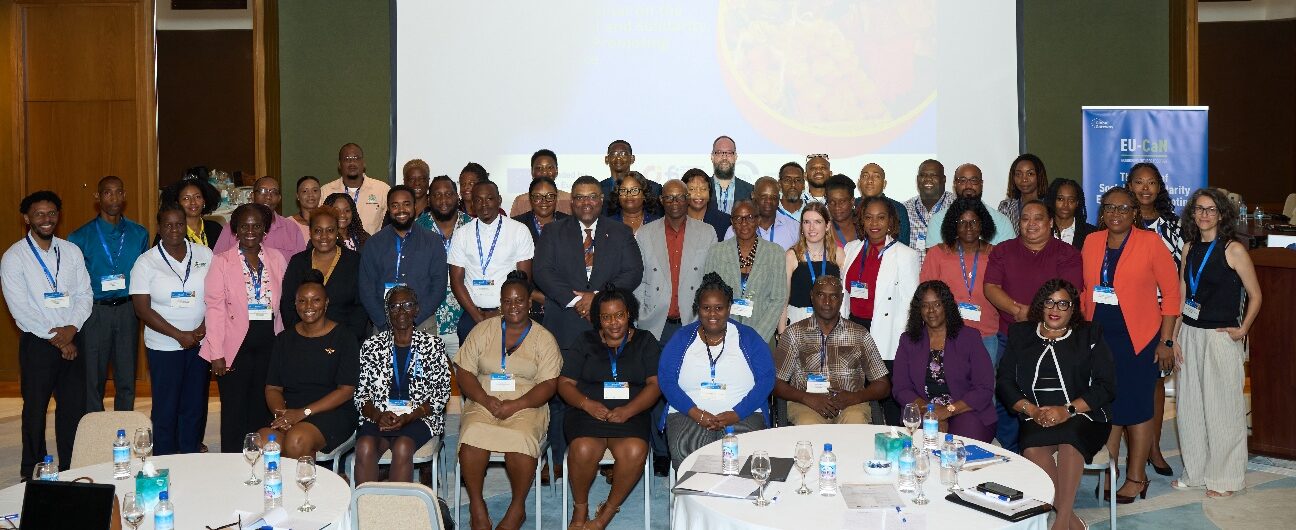
    Dominica recently hosted a pivotal regional workshop addressing the transformative potential of Social and Solidarity Economy (SSE) organizations, particularly cooperatives within agriculture and fisheries. Convened as part of the International Year of Cooperatives 2025 observances, the two-day forum assembled government officials, sector leaders, and technical experts from across the Eastern Caribbean. The primary objective was to forge actionable strategies for enhancing the capacity and influence of cooperatives in driving social justice, economic inclusion, and rural community resilience. Despite their recognized role in fostering social integration and decent employment, participants identified significant systemic constraints. Outdated legislation, fragmented institutional coordination, insufficient data collection mechanisms, and limited access to financial and non-financial services were cited as major impediments to progress. The event was orchestrated under the EU-funded EUCaN initiative, implemented by the Foundation for the Internationalization of Public Administrations (FIAP) and the Central Project Management Agency (CPVA). It enjoyed collaborative partnerships with a consortium of international bodies, including the OECS Commission, the International Labour Organization (ILO), the Inter-American Institute for Cooperation on Agriculture (IICA), and Dominica’s Ministry of Culture, Youth, Sports and Community Development. Keynote addresses underscored the necessity of people-centered development. Hon. Gretta Roberts, Dominica’s Minister of Culture, Youth, Sports and Community Development, emphasized the critical need for solidarity-driven models that synergize civil society, private enterprise, and government policy. A representative from the European Union Delegation to Barbados reaffirmed the EU’s commitment, through initiatives like EUCaN, to bolster regional food systems and resilience by supporting cooperatives as vital actors in creating inclusive value chains and ensuring local food sovereignty. Joni Musabayana, Director of the ILO Office for the Caribbean, championed the power of collective action, stating that collaborative efforts are fundamental to building an SSE ecosystem that empowers communities and secures sustainable livelihoods. Echoing this sentiment, Dr. Roxanne Brizan-St. Martin, Programme Director at the OECS Commission, highlighted the strategic importance of partnerships aligned with Sustainable Development Goal 17 (Partnerships for the Goals) to convert shared regional challenges into cooperative solutions. The forum featured knowledge-sharing sessions with international experts. Presentations from Spain’s Ministry of Labour and Social Economy and the Spanish Confederation of Social Economy offered adaptable frameworks on legal structures, institutional support, and innovative financing models. Contributions from the FAO, IICA, and the Cipriani College of Labour and Cooperative Studies provided practical insights into governance, market integration, inclusive finance, and climate-resilient agricultural practices. Delegates from participating nations conducted thorough analyses of their cooperative landscapes, pinpointing urgent needs in legislative modernization, capacity-building, data management, and market development. Consensus culminated in a preliminary work plan prioritizing capacity enhancement, inclusive policy formulation, robust data collection, and the strategic integration of digital technologies and artificial intelligence to propel the sector forward. In a conclusive statement, organizers affirmed that cooperatives serve as locally-anchored vehicles for generating dignified work, improving market access for small producers, fortifying climate resilience, and enabling shared investments in critical infrastructure and logistics.