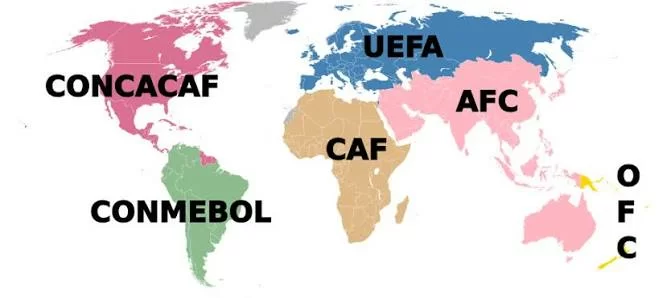
The FIFA World Cup, football’s most-watched global sporting event, has reached its quarter-final stage, with 48 nations from across every continent having already competed for a spot among the final eight teams still vying for the sport’s most prestigious trophy and a share of the event’s record-breaking prize pool. The outright tournament winner will walk away with a $50 million payout, while the eight quarter-finalists have already secured at least $18 million each – rewards that reflect the event’s scale, and that have kept billions of fans around the world engaged throughout the competition. For many supporters, following the matches has remained an enjoyable shared pastime, full of unforgettable on-pitch moments. But a growing string of unaddressed controversies has cast a deep shadow over this edition of the World Cup, turning what was supposed to be a unifying global celebration into a source of division and public anger.
The most vocal criticism has centered on inconsistent refereeing decision-making, with similar in-game incidents receiving wildly different disciplinary rulings that have altered the outcomes of multiple high-stakes matches. The officiating during the Group Stage match between France and Paraguay sparked widespread outrage from both neutral fans and former professional players working as analysts for major international news outlets. A controversial red card issued to a United States player also drew global condemnation for the messy, questionable process that followed its issuance. Even more controversy arose during the match between Egypt and Argentina, leaving millions of fans asking publicly whether key matches in this tournament have been pre-arranged behind closed doors.
Critics have also pointed to the clear blurring of lines between politics and football at this tournament, a direct contradiction of FIFA’s long-stated rule prohibiting political interference in the sport’s governing and competitive operations. Political tensions between member nations have directly harmed players, and the event’s top organizers have been accused of exerting improper influence over refereeing decisions that has resulted in open bias. In one high-profile example, a red card issued for a dangerous reckless foul was overturned entirely following external political pressure, while a yellow card given to another player who committed a foul after being provoked by an opponent was upheld despite a formal appeal from his national federation.
Compounding these concerns, FIFA appointed an all-Argentine officiating team for the upcoming quarter-final match between France and Morocco, even though Argentina remains an active competitor in the tournament, raising obvious questions about potential conflict of interest that could impact the match’s outcome. Amid the growing wave of controversy, demands have emerged from multiple stakeholders for the removal of FIFA’s sitting president. Far from living up to the idea that sport brings nations and people together, this World Cup has instead deepened division and fueled open hostility between fans and communities. One top international star has already been subjected to verbal and racist abuse by a non-football figure, and in Europe, multiracial players on the Netherlands national team have faced racist comments online after missing penalty kicks that eliminated the team from competition.
All told, while this World Cup is the largest in the tournament’s history in terms of scale and participation, it has also become the most controversial edition to date. The repeated unaddressed incidents of biased officiating, political interference, and racist abuse have severely eroded the event’s status as a unifying, entertaining global spectacle.