作者: admin

  • Contraband Carrots Back in Focus as Mai Speaks Out

    Contraband Carrots Back in Focus as Mai Speaks Out

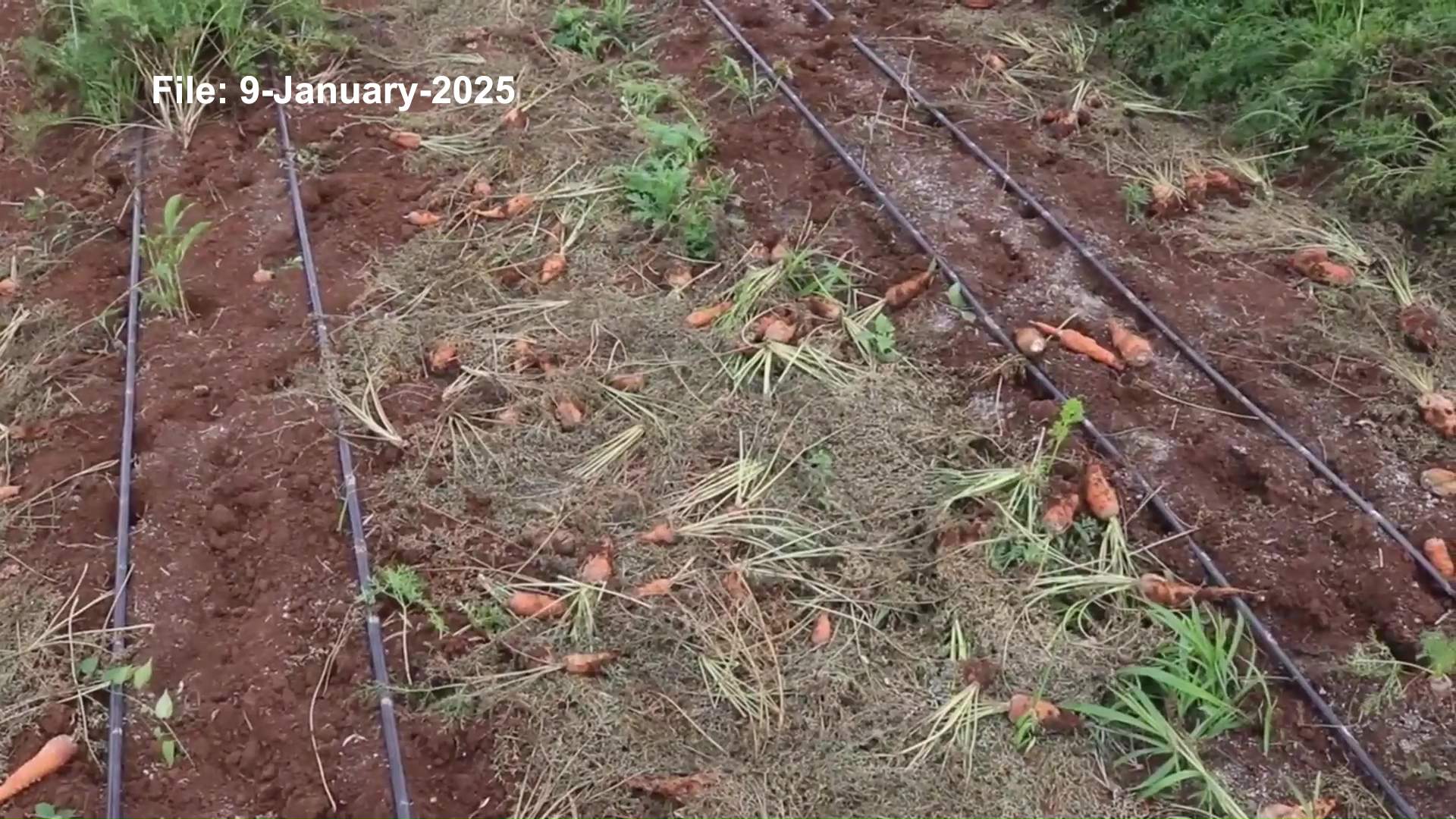
    In a remarkable political reversal, former Belize Agriculture Minister Jose Abelardo Mai has dramatically shifted his position on the contentious issue of contraband carrots affecting local farmers. Having recently stepped down from his ministerial role, Mai now openly champions the cause of carrot growers in San Carlos Village, Orange Walk—a stark contrast to his previous dismissive stance while in government.

    The controversy centers on the annual market saturation caused by illegally imported carrots, which domestic farmers claim devastates their livelihoods through price depression and unfair competition. During his tenure, Minister Mai consistently downplayed these concerns, characterizing them as political opportunism and questioning the evidence of significant smuggling operations.

    In January 2025, Mai publicly dismissed the issue as “primary school politics,” specifically referencing opposition figures Tracy Taegar-Panton and Shyne Barrow who had raised the matter. He argued then that market forces of supply and demand were the primary factors, while maintaining that border control fell outside his ministry’s direct jurisdiction.

    Now, as a private citizen and opposition representative for Orange Walk South, Mai has completely reversed his position. He recently revealed receiving direct communications from farmers unable to sell their harvest due to market flooding by imported carrots. Acknowledging these must be illegal imports, Mai has attempted to contact customs officials and the Belize Agricultural Health Authority (BAHA) to request intensified enforcement measures.

    The former minister’s about-face highlights the perennial challenge of agricultural smuggling through Belize’s porous borders and raises questions about political accountability and the consistency of policy positions between government and opposition roles.


  • Mai Praises Rodwell Ferguson’s Existing Management Team

    Mai Praises Rodwell Ferguson’s Existing Management Team

    In a significant cabinet reshuffle, Belizean Prime Minister Johnny Briceño has appointed Rodwell Ferguson as the nation’s new Minister of Agriculture, succeeding Jose Abelardo Mai. This transition comes amid concerns regarding Ferguson’s management style, which has drawn attention during his previous tenure. His track record at the Ministry of Transport, Sports, and Youth reveals a pattern of rapid leadership turnover, having cycled through three Chief Executive Officers within a four-year period. His approach included revoking financial authority from his first CEO and leaving key institutions like the Department of Youth Services and the National Sports Council without permanent leadership for extended durations. In response to these concerns, former Minister Mai has publicly endorsed Ferguson’s capabilities while emphasizing the critical importance of his successor relying on the ministry’s existing professional cadre. Mai highlighted that the agricultural portfolio benefits from an exceptionally competent and diligent team that requires continued motivation and strategic direction rather than overhaul. He cautioned against surrounding oneself with sycophants, noting that effective leadership necessitates collaboration with knowledgeable experts rather than ideological loyalists. Despite Ferguson’s lack of formal agronomy background, Mai expressed confidence that success is achievable through delegation and trust in qualified personnel.

  • Government Tightens Border Security Amid Cartel Threats

    Government Tightens Border Security Amid Cartel Threats

    The Government of Belize has initiated a comprehensive border security enhancement program titled ‘Operation Northern Fortress’ amid escalating concerns about transnational cartel operations. Prime Minister John Briceño confirmed an $8 million investment to bolster security personnel and resources along the nation’s northern frontier with Mexico.

    The strategic move comes in response to growing security challenges in the Corozal Free Zone, where authorities are combating organized crime infiltration and illegal cross-border activities. Prime Minister Briceño revealed during a press briefing that cartel threats have been a persistent concern since his December 2020 meetings with U.S. Embassy officials, where he identified drug cartels as Belize’s most pressing national security challenge.

    The government is implementing multi-layered security measures including heightened surveillance, tightened entry controls at the Free Zone, and enhanced police presence. Prime Minister Briceño has personally engaged Mexican leadership, writing to President Claudia Sheinbaum to request increased Mexican security forces along the shared border to address transnational criminal elements.

    While cigarettes have been identified as a significant contraband commodity driving criminal activity in the region, the Prime Minister clarified that multiple goods are involved in cross-border smuggling operations. The administration has consulted with the Ministry of Foreign Trade regarding tobacco regulation but indicates World Trade Organization regulations present limitations on restricting cigarette movements through the Free Zone.

    The security overhaul represents Belize’s most significant border protection initiative in recent years, focusing on preventing cartel infiltration while maintaining legitimate cross-border commerce essential to regional economies.

  • Cigarettes Dominate Free Zone Imports Despite PM’s Claim

    Cigarettes Dominate Free Zone Imports Despite PM’s Claim

    BELIZE CITY – A significant discrepancy has emerged between official statements and statistical evidence regarding import patterns within Belize’s commercial free zones. Prime Minister John Briceño has publicly asserted that tobacco products do not dominate the economic activity of the Corozal Free Zone. However, newly released data from the Statistical Institute of Belize (SIB) for the first ten months of 2025 presents a contrasting narrative.

    The latest trade figures reveal a substantial upswing in free zone imports, registering an increase exceeding $10.3 million compared to the corresponding period in 2024. Total imports surged from $291.8 million to $302.1 million. A detailed analysis identifies cigarette imports as the primary catalyst for this growth, accounting for a dominant 32% of all goods entering the zones. This segment alone approached a total value of $100 million, reflecting a net increase of approximately $20 million year-over-year.

    The statistical evidence was formally presented by SIB Statistician II Ronald Orellana. During a subsequent inquiry, when pressed to specify the exact proportion of growth attributable to cigarette imports, Orellana committed to providing a detailed breakdown following the presentation, underscoring the data’s complexity.

    This economic trend raises pertinent questions about the composition of Belize’s import economy and the dynamics of its commercial free zones, highlighting a clear divergence between political rhetoric and empirical data.

  • Belize’s Cost of Living Under the Microscope

    Belize’s Cost of Living Under the Microscope

    BELIZE CITY – A heated political confrontation over Belize’s escalating cost of living has intensified between the governing administration and opposition forces, revealing profound disparities in economic perspectives. The United Democratic Party (UDP) maintains that ordinary citizens face unsustainable financial pressures, while Prime Minister John Briceño’s administration highlights substantial social investments as evidence of progressive economic management.

    Recent statistical data from Belize’s authoritative Statistical Institute indicates a complex economic landscape. While overall inflation has demonstrated a moderating trend compared to previous years, essential categories including food commodities, housing expenditures, utilities, and transportation costs continue to exert significant pressure on household budgets. Particularly notable are price increases observed in non-alcoholic beverages, purified water, soft drinks, fruit juices, cereal products, meats, and various nuts.

    The housing sector has experienced a 2.4 percent price escalation, predominantly driven by rental costs increasing by 2.3 percent. Simultaneously, restaurant and accommodation services have recorded a 2.3 percent rise, primarily attributable to elevated food and beverage service costs climbing by 2.6 percent.

    Opposition representative Miguel Guerra articulated the UDP’s position, emphasizing that escalating costs for groceries, fuel, utilities, educational materials, and housing have created a quality-of-life crisis rather than merely an economic challenge. “Families are stretching their dollar further than it can go,” Guerra stated, noting that earned incomes increasingly fail to provide adequate purchasing power.

    Prime Minister Briceño countered these assertions by detailing governmental initiatives including minimum wage increases, expanded scholarship programs, nationwide school feeding initiatives, free educational provisions, and the comprehensive expansion of the National Health Insurance program. The Prime Minister acknowledged the limitations of price control on imported goods while defending fuel taxation as a necessary revenue mechanism funding these social programs.

    The fundamental dispute transcends statistical interpretations, reflecting deeper philosophical divisions regarding economic governance and social responsibility. As Belizeans navigate daily financial decisions at supermarkets, rental offices, and gasoline stations, the political discourse continues to evolve, with no immediate resolution in sight.

  • Economy : The US Congress is making progress toward renewing the HOPE/HELP program

    Economy : The US Congress is making progress toward renewing the HOPE/HELP program

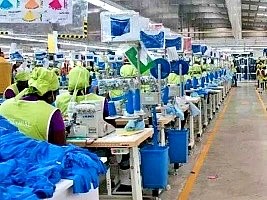
    In a significant bipartisan move, the U.S. House Ways and Means Committee has initiated proceedings to renew critical trade legislation supporting Haiti’s economic stability. On December 10, 2025, lawmakers advanced discussions regarding the extension of both the HOPE II Act (Haitian Hemispheric Opportunity Through Partnership for Encouragement) and the HELP Act (Haiti Economic Lift Program). These preferential trade agreements have served as fundamental pillars for Haiti’s textile and apparel industry, providing tariff advantages for exports to the United States.

    Committee Chairman Jason Smith articulated the strategic importance of these programs, emphasizing their dual benefit for both nations. “Establishing equitable and mutually advantageous trade relations with Haiti generates employment opportunities and fosters stability in a nation historically challenged by humanitarian emergencies,” Smith stated during the session. “Haiti’s economic prosperity directly correlates with enhanced security outcomes for the United States within the Western Hemisphere.”

    The legislative package under consideration represents a continuation of trade policies initially established through the original HOPE Act. These measures have effectively positioned Haiti’s manufacturing sector as a primary driver of economic activity by enabling competitively priced access to the vast U.S. market. The renewal process demonstrates continued American commitment to supporting sustainable development in Haiti through structured economic partnership rather than direct aid.

    Industry analysts note that the textile and apparel sector accounts for approximately 90% of Haiti’s exports to the United States, making these trade preferences essential for maintaining economic stability. The bipartisan support for the renewal indicates recognition across political divides that economic development in Haiti aligns with broader regional security and diplomatic objectives.

  • UDP Warns of Mounting Debt Under Briceño

    UDP Warns of Mounting Debt Under Briceño

    BELIZE CITY – The United Democratic Party (UDP) has issued a stark warning regarding Belize’s fiscal trajectory, accusing the ruling People’s United Party (PUP) administration of excessive borrowing that threatens the nation’s economic future.

    In a forceful address, UDP Senator Patrick Faber revealed that government borrowing has reached approximately six hundred million Belize dollars ($600 million) over the past five years. Faber emphasized the magnitude of this debt accumulation, specifically noting for clarity: “For those who like it like the former prime minister, Musa, that is point six million dollars with a B.”

    The opposition senator framed this borrowing spree as a generational burden, asserting that while the borrowed funds have been expended, the financial obligations will persist for decades. “The point is, that money is now gone, but the stench from borrowing all that money remains for our children and our children’s children and even our children’s children’s children to pay,” Faber stated during his presentation.

    Faber’s criticism targeted the PUP’s governing approach, claiming this pattern of debt accumulation reflects the party’s operational philosophy. The UDP has consequently demanded an immediate cessation of further national borrowing.

    “The UDP calls for a cease and desist of borrowing in the name of this country, a cease and desist of borrowing in the name of our children’s children,” Faber declared, emphasizing that current policies are saddling future generations with unsustainable debt while citizens remain unaware of the long-term implications.

    The statement represents the latest escalation in Belize’s ongoing political debate over fiscal responsibility and economic management, setting the stage for continued parliamentary confrontation over the nation’s financial direction.

  • Sugar Crop Start in Limbo as BSI & Cane Farmers Deal Still Pending

    Sugar Crop Start in Limbo as BSI & Cane Farmers Deal Still Pending

    The commencement of Belize’s crucial sugar harvesting season hangs in precarious balance as Belize Sugar Industries (BSI) and the Belize Sugar Cane Farmers Association (BSCFA) have yet to finalize a commercial agreement for the current season. This recurring deadlock has historically triggered industrial actions that paralyzed milling operations, resulting in substantial financial losses across the agricultural sector and broader economy.

    Compounding the contractual impasse, unfavorable weather conditions and ongoing maintenance at processing facilities have already delayed the season’s start. Industry analysts warn that any further postponement could severely impact crop yields and economic outcomes for all stakeholders.

    Despite the tension, Marcos Osorio, Chairman of the Sugar Industry Control Board, maintains cautious optimism. In an official statement, Osorio revealed that BSI maintains its position requiring seven-year contract terms, while confirming a critical meeting scheduled for next Tuesday involving all stakeholders and government representatives.

    “We remain hopeful that an agreement can be reached within coming days or before year’s end,” Osorio stated. “Both parties must approach negotiations in good faith with willingness to compromise. True negotiation requires flexibility from all sides to reach an amicable solution.”

    The industry now faces a race against time, with the combination of contractual delays, weather challenges, and milling readiness creating a perfect storm that could determine the season’s profitability for thousands of cane farmers and the national economy.

  • Sugar Crop Start Delayed Again Amid Mill and Road Setbacks

    Sugar Crop Start Delayed Again Amid Mill and Road Setbacks

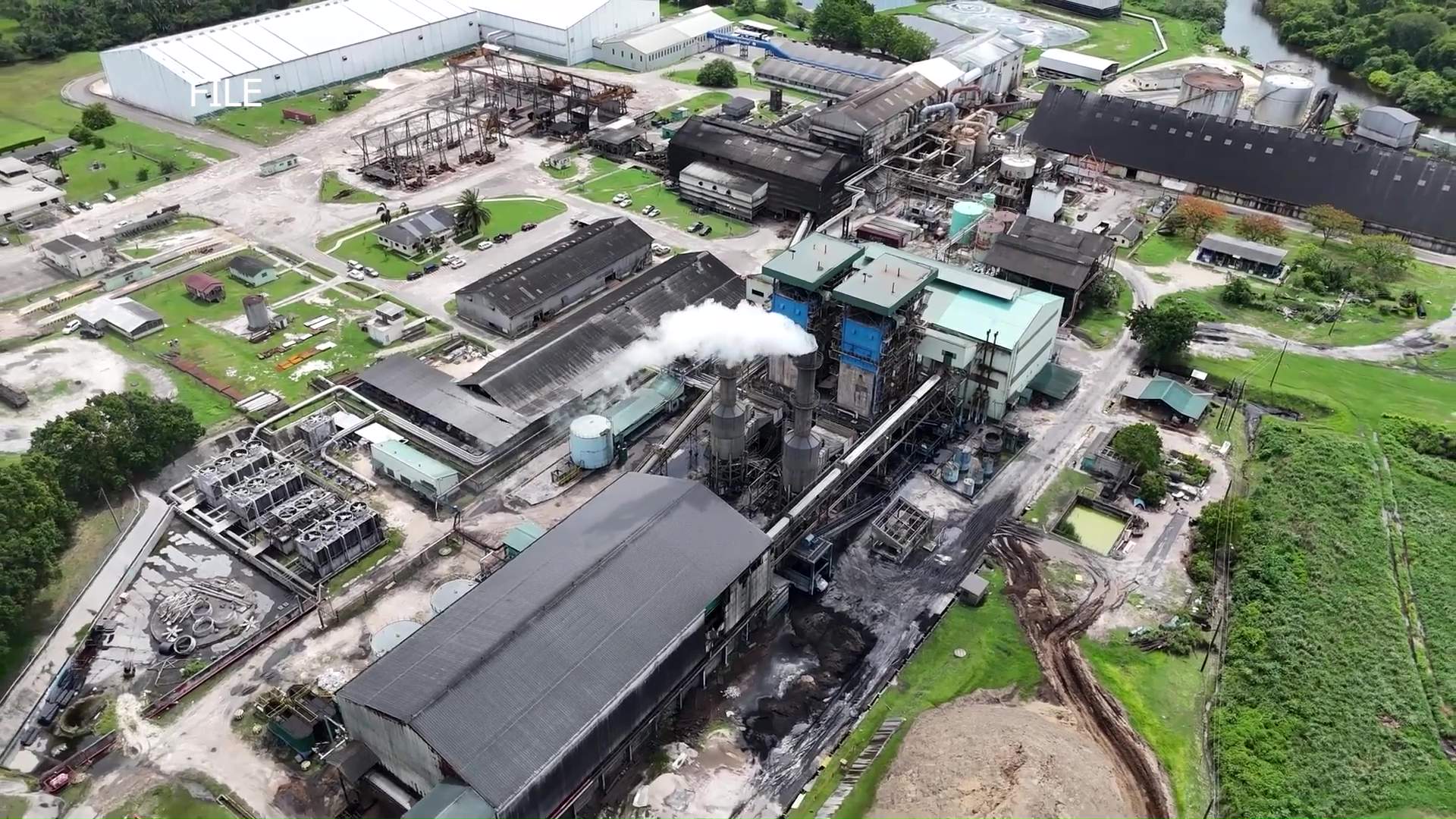
    The commencement of the annual sugar harvest is confronting significant operational delays, with industry authorities now projecting a mid-January start date. This postponement stems from a confluence of logistical challenges affecting both industrial infrastructure and transportation networks.

    Central to the delay are protracted maintenance operations at the primary processing facility. Initial projections from mill engineers in late October indicated completion by the first week of December, with subsequent steam trials scheduled to facilitate an immediate harvest initiation. However, supply chain complications have extended the maintenance timeline, with completion now anticipated for the first week of January.

    Concurrently, critical infrastructure improvements have been hampered by meteorological conditions. Roadway maintenance contracts finalized with government contractors in late October have encountered repeated weather-related interruptions. Persistent precipitation has created unfavorable field conditions, preventing contractors from initiating essential repairs to the transportation network vital for crop movement.

    Marcos Osorio, Chairman of the Sugar Industry Control Board, maintains an optimistic outlook despite these challenges. “We’re confronting operational hurdles, but the industry’s fundamental strength remains intact,” Osorio stated. The revised schedule now anticipates steam trials immediately following January maintenance completion, with crop processing commencing approximately one week thereafter, assuming favorable operational conditions.

    The industry’s resilience is being tested by these dual challenges, though leadership expresses confidence in achieving strong seasonal results despite the compressed timeframe.

  • Sugar Industry Faces Delays, Lower Yields as Weather and Pests Take Toll

    Sugar Industry Faces Delays, Lower Yields as Weather and Pests Take Toll

    The global sugar industry is confronting severe production challenges as extreme weather patterns and aggressive pest infestations converge to create one of the most difficult growing seasons in recent memory. According to Marcos Osorio, Chairman of the Sugar Industry Control Board, northern sugar cane districts are experiencing substantial delays and diminished crop quality that will significantly impact this year’s harvest.

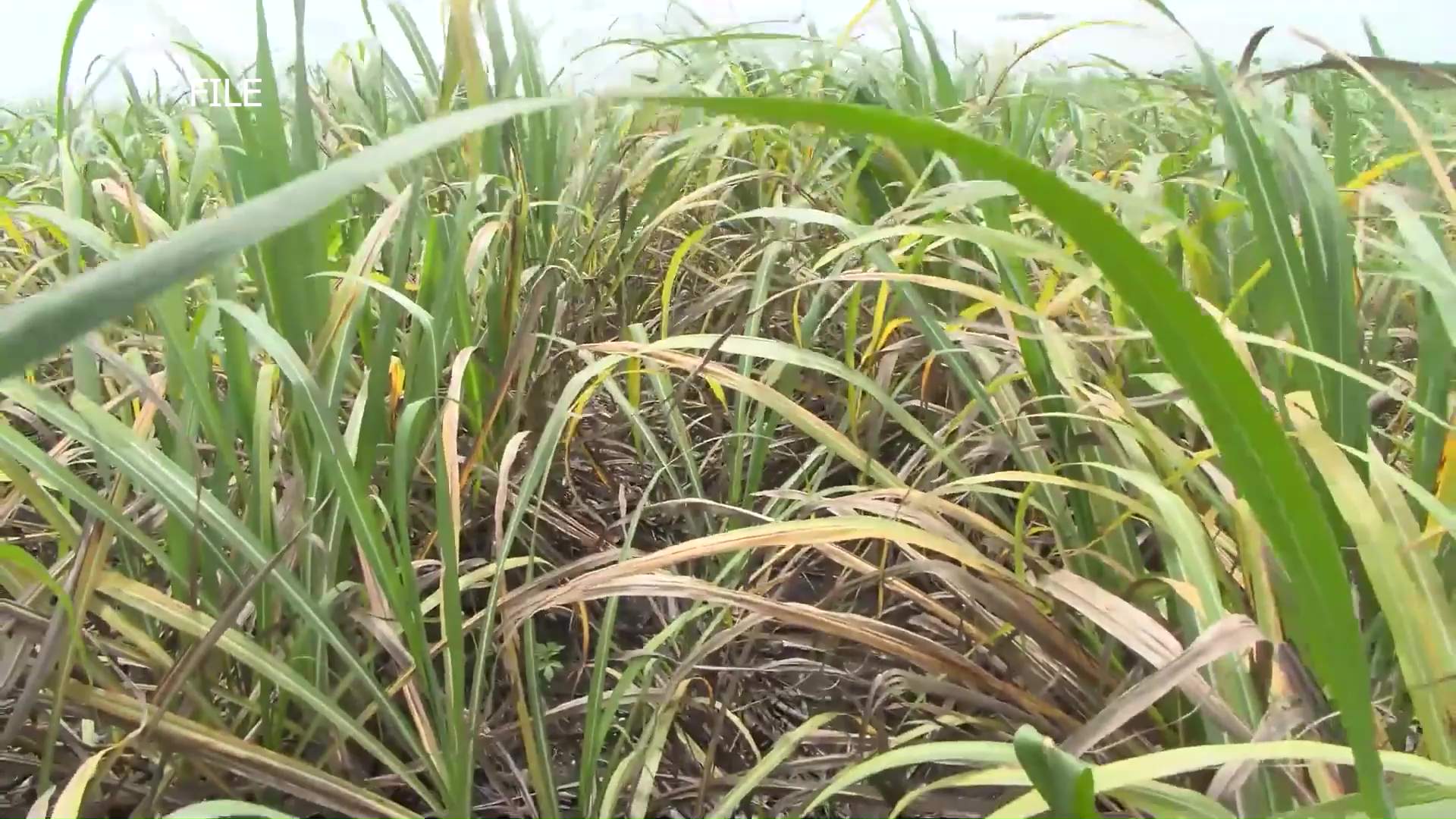
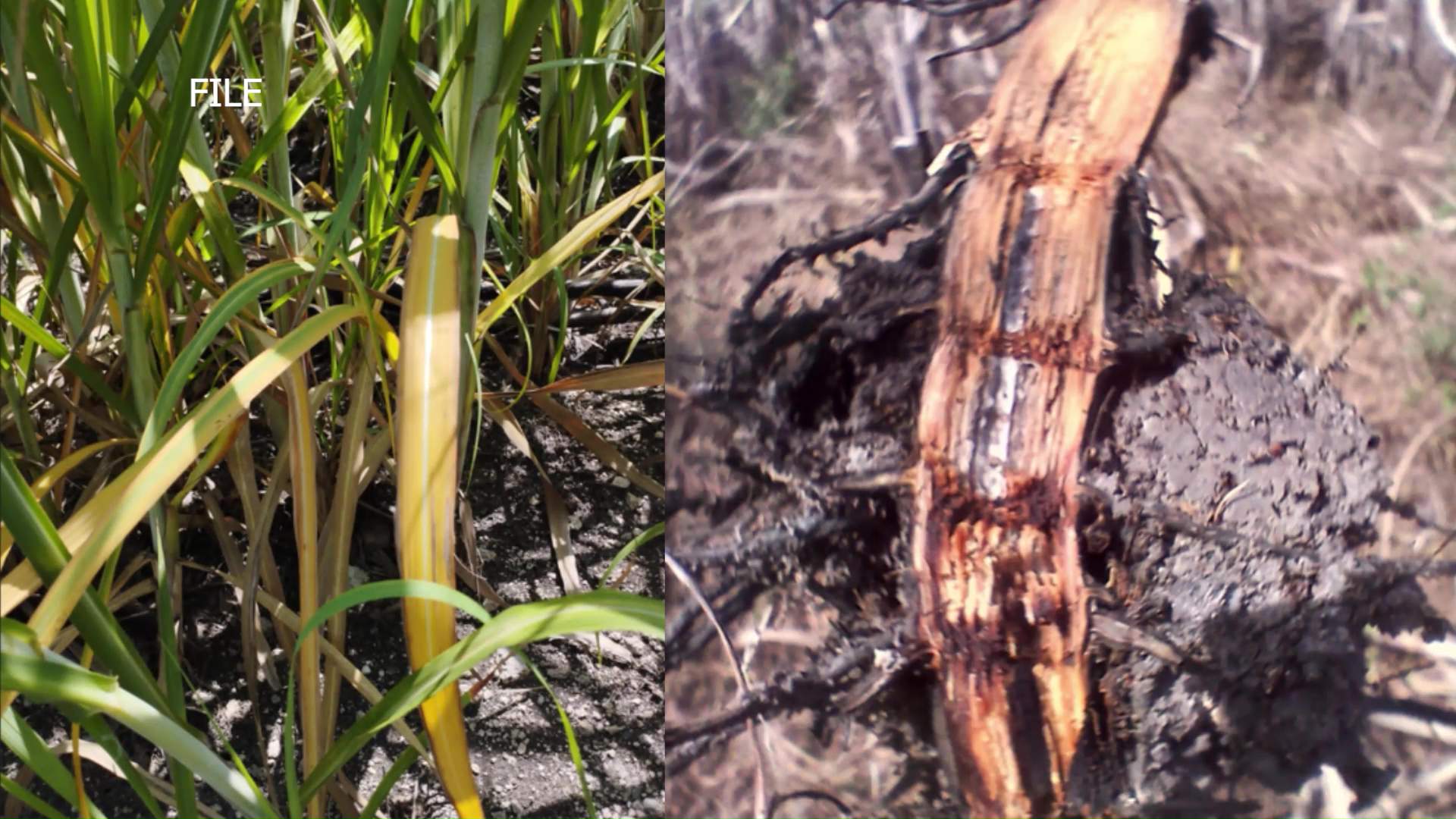
    Agricultural experts report that the cumulative effect of post-harvest climate conditions, combined with widespread Mealybug infestations and Fusarium wilt disease, has severely impeded normal cane development. Fields that underwent harvesting in the initial half of the season demonstrate notably stunted growth compared to previous years, with many plants failing to reach adequate maturity levels.

    The crisis manifests through multiple indicators: reduced cane stocks per linear meter, decreased tonnage per acre, and compromised crop quality due to persistent rainfall and disease proliferation. The industry’s concerns are compounded by recent weeks of excessive precipitation that have further deteriorated field conditions and hindered recovery efforts.

    Agricultural authorities now urgently await drier weather patterns, including potential cold fronts, to accelerate drying processes across affected regions. These conditions would potentially facilitate improved cane maturation and partially mitigate the current quality deficiencies. The industry faces a compressed harvesting window with diminished yields, creating economic pressures throughout the sugar production chain from field to market.