
In a groundbreaking move to build a inclusive, forward-looking national education framework, the government of the Dominican Republic has opened its landmark Great National Consultation for the Future of Education to Dominicans living around the world. The first global virtual gathering drew hundreds of participants from seven European nations—Spain, Germany, France, the Netherlands, Italy, the United Kingdom, and Switzerland—all eager to share their perspectives and actionable ideas for overhauling the country’s education system.
作者: admin
-
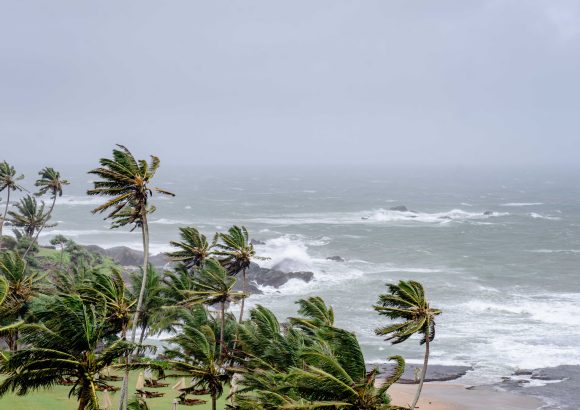
Hurricanes in the Dominican Republic: What foreign property buyers should know
For foreign nationals exploring property purchases or relocation to the Dominican Republic, one question consistently rises to the top of the agenda as Atlantic hurricane season approaches: just how at risk is this Caribbean nation from major hurricane damage? This inquiry is far from unfounded — as an island situated in the Caribbean basin, the Dominican Republic cannot escape the annual reality of hurricane season. However, emerging historical data and geographic advantages tell a more encouraging story: the country has faced far fewer direct hits from powerful major hurricanes than many of its regional neighbors.
### A Quick Guide to the Dominican Republic’s Climate
The Dominican Republic maintains a consistent tropical climate year-round, defined by warm temperatures and abundant sunshine that draw visitors and new residents alike. Coastal regions stay warm and humid through all four seasons, while inland mountain destinations such as Jarabacoa and Constanza offer significantly cooler, more temperate conditions ideal for getaways and permanent residence.
The country’s climate splits into two distinct seasonal periods:
– **Wet Season**: Spanning May through November, this period brings warmer, more humid conditions, with August typically recording the year’s highest temperatures, averaging daily highs around 32°C (90°F).
– **Dry Season**: Running from December through April, this season features milder, more comfortable temperatures with average daytime highs near 26°C (80°F), making it the most popular time for tourism and property purchases.### Breaking Down Hurricane Season Risks
The official Atlantic hurricane season runs from June 1 to November 30 annually, though the Dominican Republic sees the highest likelihood of tropical system activity between August and October. Like every other Caribbean country, the Dominican Republic is not immune to impacts from tropical storms and hurricanes, but the severity of any storm’s damage depends heavily on its track, intensity, forward speed, and local weather conditions at landfall.### Geographic Advantages That Reduce Hurricane Impact
One of the Dominican Republic’s greatest natural protections against extreme hurricane damage comes from its unique geography and terrain. The nation occupies the eastern two-thirds of Hispaniola, the Caribbean island that hosts some of the region’s tallest mountain ranges. When hurricanes pass over these rugged, elevated landmasses, their circular wind circulation is frequently disrupted, causing most storms to weaken rapidly after making landfall. In many cases, Category 4 or 5 hurricanes have been reduced to weaker tropical storms before fully crossing the island.
Beyond terrain, broader Atlantic weather patterns often steer hurricanes away from the Dominican Republic: many systems naturally recurve northward long before reaching the island, while others track well south of Hispaniola. While every storm follows an unpredictable path that defies long-term forecasting, this historical trend has drastically cut the number of direct major hurricane strikes on the country. Storms approaching from the east also often weaken after interacting with Puerto Rico’s landmass before reaching the Dominican Republic, though this natural buffering effect is not guaranteed for every system.### The Primary Hazard: Torrential Rainfall Rather Than Catastrophic Wind Damage
While the Dominican Republic is often spared the most destructive hurricane winds, heavy rainfall remains a consistent hazard worth noting. Even weakened tropical systems can dump extreme volumes of rain over short periods, triggering flash floods, river overflows, and occasional landslides — particularly in mountainous zones and low-lying coastal communities. These impacts are almost always localized, rather than affecting the entire country, but they can cause temporary disruptions to transportation and critical infrastructure. For most residents, the most common inconveniences are temporary power outages, localized flooding, and delayed travel, rather than the widespread catastrophic wind damage seen in harder-hit Caribbean regions.### Historical Context: Resilience Through Storms
The Dominican Republic has not escaped destructive hurricanes entirely. Past major storms including 1979’s Hurricane David, 1998’s Hurricane Georges, and 2022’s Hurricane Fiona caused significant flooding, infrastructure damage, and agricultural losses across parts of the country. Even so, history is full of examples where neighboring islands suffered devastating destruction while the Dominican Republic walked away with comparatively minor damage.
Take 2017’s Hurricane Irma, for example: the Category 5 storm left catastrophic destruction across Barbuda, the British Virgin Islands, Puerto Rico, the Bahamas, Cuba, and parts of the continental United States. While the Dominican Republic experienced strong winds, rough seas, localized flooding, and scattered power outages, it avoided the total devastation seen across other Caribbean destinations. Just weeks later, Hurricane Maria made landfall as a Category 4 storm and decimated Puerto Rico; in the Dominican Republic, the storm only brought heavy rain, localized flooding, and minor infrastructure disruptions, again sparing the country the extreme destruction faced by its eastern neighbor. These examples drive home a key takeaway: while the Dominican Republic is by no means immune to hurricanes, it has repeatedly avoided the direct hits of the most powerful storms that devastate other regional islands.### Modern Improvements in Construction and Emergency Preparedness
Since the widespread damage caused by Hurricane Georges in 1998, the Dominican Republic has steadily updated and strengthened its national building codes, especially for new residential developments, condominium complexes, hotels, and tourism infrastructure. Modern reinforced concrete construction, now standard across most of the country, performs exceptionally well during tropical storms and hurricanes when designed and maintained to current standards. Complementing improved construction, modern weather forecasting has grown dramatically more accurate, giving local authorities, residents, and businesses several days of advance notice before a storm makes landfall — more than enough time to implement emergency preparations and evacuation plans if needed.### Key Takeaways for Prospective Property Buyers
For anyone considering purchasing property in the Dominican Republic, hurricane risk should be framed as a manageable natural hazard, not a reason to abandon investment plans. Just as when buying property in Florida, the U.S. Gulf Coast, or any other coastal hurricane zone globally, prospective buyers simply need to take reasonable precautions: understand the local climate patterns, purchase appropriate storm insurance when available, and prioritize properties built to meet modern construction standards.
Over decades of storm activity, the Dominican Republic has proven it possesses extraordinary natural and institutional resilience. While no Caribbean destination can promise complete immunity from hurricanes, the country’s unique geography, mountainous terrain, and historical storm tracks have consistently reduced the impact of major tropical systems. For most permanent residents, hurricane season is simply a routine part of island life — managed through advance preparation, reliable forecasting, and sensible precautions, rather than fear. -
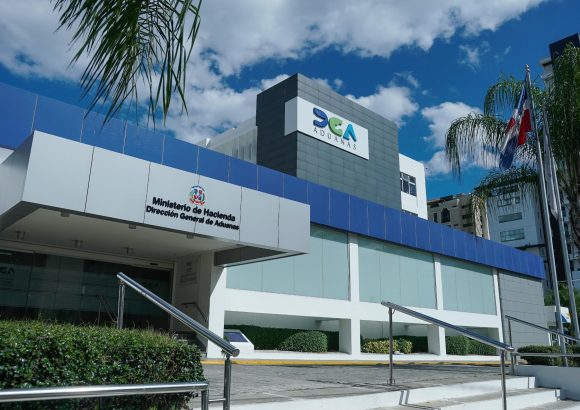
Dominican Customs collects RD$129.2 billion in first half of 2026
Against a backdrop of widespread geopolitical instability that has disrupted supply chains and suppressed cross-border commerce across the globe, the Dominican Republic’s General Directorate of Customs (DGA) has delivered a surprisingly strong performance in revenue collection for the first half of 2026. Official data released by the agency shows total collections reached RD$129.24 billion between January and June, marking a 2.6% year-over-year increase compared to the same six-month period in 2025.
The growth trend accelerated sharply into the second quarter, with standalone revenue for June 2026 hitting RD$24.16 billion. That figure represents a 15.4% jump from June 2025, translating to an additional RD$3.23 billion in public revenue generated from customs duties alone in just one month.
Beyond the aggregate six-month and monthly gains, the DGA notched a new historic milestone in daily collections this period: the agency recorded a single-day revenue haul of RD$1.88 billion, breaking the previous all-time record of RD$1.85 billion set back in 2022. This new single-day benchmark underscores the gradual strengthening of the Dominican Republic’s trade activity through the first half of the year.
In a statement outlining the drivers behind the unexpected growth, DGA Director Nelson Arroyo highlighted two key institutional efforts that have delivered results. First, ongoing initiatives to streamline and digitize cargo clearance processes at the country’s major ports and international airports have cut wait times, reduced bureaucratic friction, and facilitated faster movement of goods across borders. Second, the agency has ramped up enforcement of customs controls to reduce duty evasion and close loopholes that previously cost the public purse significant revenue.
Arroyo also pointed to underlying trade data that signals domestic economic resilience: the number of imported containers entering the country under the standard consumption regime rose by 1.5% over the first six months of 2026. This uptick in volume, he noted, confirms that Dominican trade activity remains robust even as global markets contend with overlapping geopolitical and economic headwinds that have dampened cross-border commerce in many other regions.
-

Dominican Republic hands CIS presidency to Belize
At the 83rd ordinary session of the Central American Social Integration Council (CIS) held in Santo Domingo, a key leadership transition and landmark institutional planning decision have advanced regional social cooperation across Central America. The Dominican Republic formally completed its six-month tenure holding the bloc’s Pro Tempore Presidency and officially handed over the leadership role to Belize during the gathering.
Geanilda Vásquez, general coordinator of the Dominican Republic’s Social Policy Coordination Cabinet, led the handover ceremony on behalf of her country, which had held the rotating presidency from January to June 2026. She formally passed the ceremonial and operational leadership of the council to Thea García Ramírez, the official representative of Belize to CIS.
During its time at the helm of the regional body, the Dominican Republic prioritized and advanced a suite of cross-border initiatives centered on five core priorities: building adaptive social protection frameworks that can respond to shifting regional challenges, strengthening accessible and inclusive care systems across member states, improving collective food security, fostering a shared regional culture of peace, and boosting coordinated preparedness for climate-related disasters and disruptions.
After accepting the presidency, Belize’s delegation pledged to build on the progress made by the Dominican Republic, outlining its commitment to pushing forward the shared regional social agenda through three key approaches: deepening high-level political dialogue between member states, expanding the use of data-driven, evidence-based public policy design across the bloc, and cultivating more robust cross-border cooperation between all participating nations.
Beyond the leadership transition, the 83rd ordinary meeting delivered a range of other key outcomes for the bloc. Council members conducted a comprehensive review of institutional progress delivered by the Secretariat for Central American Social Integration (SISCA), the council’s administrative and operational body, and formally approved SISCA’s three-year Institutional Strategic Plan covering 2027 to 2029. Attendees also held in-depth discussions on the far-reaching social and economic impacts of the El Niño climate phenomenon across the region, conducted a detailed review of El Salvador’s recently implemented National Care System as a case study for regional policy, and adopted a new set of coordinated measures designed to strengthen cross-national collaboration on social policy alignment and sustainable development goals.
-

Dominican Republic highlights achievements of its Pro Tempore Presidency of COMISCA
After six months at the helm of one of Central America and the Caribbean’s most critical regional health bodies, the Dominican Republic has officially concluded its tenure as Pro Tempore President of the Council of Ministers of Health of Central America and the Dominican Republic (COMISCA), capping a term marked by substantial advances in cross-border public health cooperation and institutional governance.
The handover milestone was marked by Dominican Republic Health Minister Dr. Víctor Atallah, who launched the 63rd Ordinary Meeting of COMISCA as his final official act in the leadership role. The gathering brought together sitting health ministers and top-ranking public health officials from all member states of the Central American Integration System (SICA), providing a collaborative platform to reflect on the tangible achievements delivered over the past six months and map out forward-looking strategies to deepen regional coordination on shared health challenges.
Over the course of its presidency, the Dominican Republic prioritized and advanced a targeted portfolio of initiatives spanning key priority areas. These included strengthening regional health governance frameworks, expanding cross-border technical assistance partnerships, accelerating digital transformation across national health systems, boosting collaborative scientific research efforts, investing in professional development for the regional health workforce, and upgrading collective preparedness to respond to fast-moving public health emergencies.
Addressing delegates at the opening of the 63rd Ordinary Meeting, Dr. Atallah underscored that the interconnected health challenges facing the region cannot be addressed through isolated national action. He emphasized that coordinated, evidence and science-driven responses are the only effective path forward, and reiterated that deeper regional integration remains essential to building healthcare systems across the bloc that are both more resilient to shocks and more equitable in access to care for all populations.
-

Remittances to Dominican Republic top US$6.2 billion through June
Santo Domingo – The Dominican Republic has recorded solid growth in cross-border remittance inflows for the opening half of 2026, defying widespread global economic uncertainty to hit a new half-year milestone, new data from the Central Bank of the Dominican Republic (BCRD) confirms.
According to the BCRD’s latest balance of payments report, total remittances received between January and June 2026 reached more than $6.219 billion, representing a 6.7% year-over-year increase compared to the same six-month period in 2025. Growth accelerated notably through the second quarter, with June alone seeing inflows hit $1.049 billion – a 13.6% annual jump that outpaced the 10.6% growth recorded in May.
The central bank highlighted that this resilient growth is particularly notable against a backdrop of persistent global economic challenges. Geopolitical tensions across the Middle East have driven up global crude oil prices, kept broad inflationary pressures elevated in most major economies, and eroded household disposable purchasing power for Dominican expatriates across the globe. Even with these headwinds, remittance flows – a core pillar of the Dominican Republic’s external economy – have continued to expand at a steady pace.
Geographically, the United States remains the dominant source of formal remittance flows to the country. In June, 81.4% of all formal transfers originated from the U.S., totaling $780.7 million. Spain took second place, contributing $61.8 million, equal to 6.4% of June’s total remittances. Italy followed with 1.3% of total inflows, while Haiti and Switzerland each accounted for 1.2% respectively. Smaller but consistent remittance flows also arrived from other European and North American economies including France, Canada, and Germany.
-
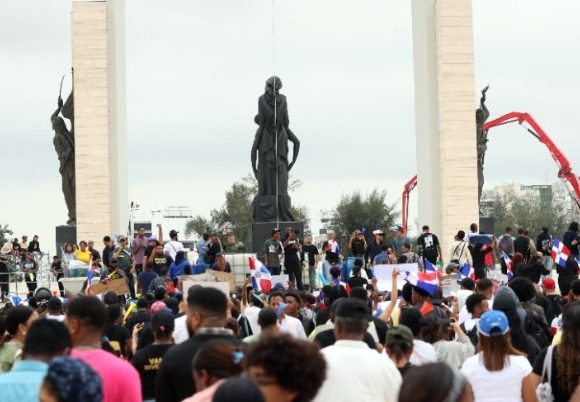
Protesters rally at Plaza de la Bandera, denounce high living costs and defend free speech
On a Thursday in Santo Domingo, more than 30 demonstrators assembled at the iconic Plaza de la Bandera to voice collective opposition to the policy agenda of the country’s governing Modern Revolutionary Party (PRM). The demonstration centered on two core grievances: the sharp upward trajectory of the cost of living that has strained household budgets across the nation, and the urgent need for stronger legal safeguards to protect freedom of expression.
Protesters marched through the public space holding aloft Dominican national flags and hand-painted banners, interspersing passionate speeches calling out government actions with collective chants that reaffirmed their commitment to peaceful dissent. Event organizers framed the plaza as a historically significant, symbolic venue for civic action, emphasizing that the gathering was intended to push for sweeping reforms across the country’s economic, social, and governing institutions.
A core rallying point for attendees was opposition to what they see as restrictive speech legislation. Many carried handwritten signs carrying clear, uncompromising messages: “No to the Gag Law,” “Freedom of expression is not negotiable,” and “Do not criminalize opinion.” The group called directly on the Dominican National Congress to amend existing legislative measures that protesters argue pose a growing threat to both independent press freedom and the fundamental right of ordinary citizens to share their perspectives without legal repercussions.
In preparation for the demonstration, local law enforcement deployed a substantial security contingent across the area. Officers from the Dominican National Police were tasked with maintaining public order, while personnel from the General Directorate of Traffic and Land Transport Safety (Digesett) worked to manage vehicle flow around the protest site. While no clashes, property damage, or violent incidents were documented throughout the event, the large gathering created major traffic gridlock along Luperón Avenue and all adjacent intersections. In response, local transportation authorities quickly implemented a series of temporary traffic detours to ease congestion and redirect vehicles away from the affected area.
-
Antigua and Barbuda Among CARICOM’s Least Air-Polluted Countries
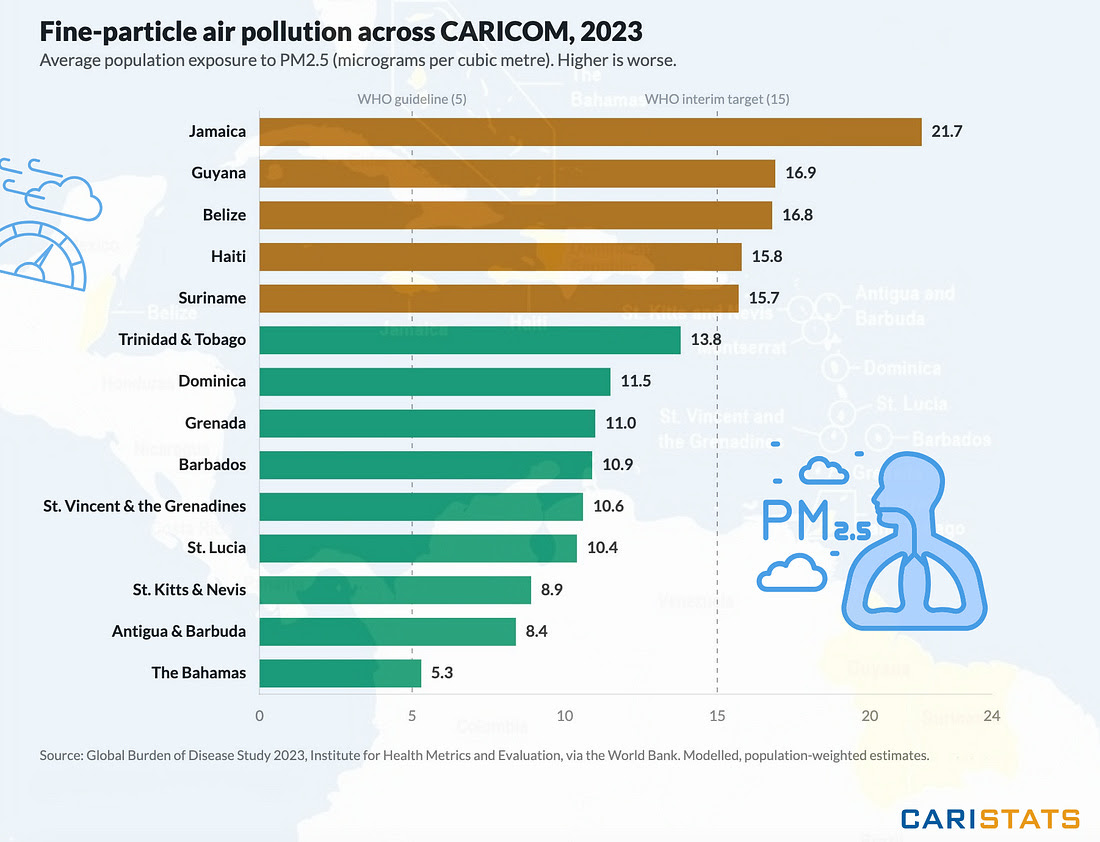
New 2023 population-weighted data collected from the Global Burden of Disease Study, run by the Institute for Health Metrics and Evaluation, has mapped fine particulate matter (PM2.5) air pollution levels across 14 member states of the Caribbean Community (CARICOM), revealing clear geographic patterns in air quality that hold more weight than national income levels.
PM2.5, a category of tiny airborne pollutants small enough to penetrate deep into human lung tissue and enter the bloodstream, poses well-documented long-term risks to cardiovascular and respiratory health. The latest analysis places the entire CARICOM region in the low-to-middle tier of global air pollution rankings, with 2023 average annual exposure levels ranging from 5.3 micrograms per cubic meter in The Bahamas to 21.7 micrograms per cubic meter in Jamaica.
Small island nations surrounded entirely by open ocean recorded the cleanest air in the bloc. Beyond The Bahamas, Antigua and Barbuda posted an average PM2.5 concentration of 8.4 micrograms per cubic meter, while Saint Kitts and Nevis came in at 8.9 micrograms. Experts attribute these low readings to consistent regional trade winds, which efficiently disperse accumulated particulates out into the open ocean before they can build up to dangerous levels.
In contrast, the highest pollution levels are concentrated among CARICOM’s larger landmass and mainland economies. Guyana recorded an average of 16.9 micrograms per cubic meter, followed closely by Belize at 16.8 micrograms and Suriname at 15.7 micrograms. Local human activities drive these higher readings: regular agricultural burning, deforestation for land clearing, and growing industrial activity all add significant volumes of PM2.5 to the regional atmosphere. Most other CARICOM member states included in the study fall somewhere between these two extremes.
When compared to global pollution benchmarks, the CARICOM region’s readings count as moderate. The world’s most polluted nations report annual average PM2.5 levels that exceed 60 micrograms per cubic meter, far above the highest reading recorded in Jamaica. Even so, the analysis confirms a critical public health gap: every single CARICOM member state exceeds the World Health Organization’s strict recommended maximum guideline of 5 micrograms per cubic meter, meaning all regional populations face at least some elevated long-term health risk from poor air quality.
-

Billiard Kings Complete Semifinal Sweep to Secure NPPA Third-Place Trophy
On a tense Wednesday night of postseason pool action, the Billiard Kings delivered a commanding 5-2 victory over Cue Action, closing out a flawless three-match semifinal sweep and claiming the third-place honors at the 2026 National Pool Players Association (NPPA) Team Tournament. The three-game series unfolded as a study in contrasting narratives, marked by dramatic momentum shifts and standout individual performances that highlighted the intensity of elite competitive pool.
The opening clash of the series kept spectators on the edge of their seats, as Cue Action mounted a fierce late comeback from an early deficit and advanced to match point before ultimately falling by a narrow 5-4 margin in a decisive final rack. The following night, the Billiard Kings shifted into high gear, shutting out their opponents completely with a dominant 5-0 win that left Cue Action facing an almost impossible uphill battle to force a fourth match.
When the third and final match got underway, Cue Action appeared primed to mount the comeback they needed. Captain Wendy got his side on the scoreboard first, taking down the Billiard Kings’ Demolition Man in straight racks to draw first blood and spark early optimism among Cue Action’s camp. That momentum built further when Willy pulled out a tight 2-1 win over the Kings’ Marshall: after Marshall claimed the opening rack, Willy responded with back-to-back wins to push Cue Action to a 2-0 lead early in the contest.
From that point onward, however, the Billiard Kings seized full control of the table and never let go. The Kings’ Sniper kicked off their comeback with a calm, collected straight-rack victory over Randy, cutting Cue Action’s lead in half, before Killa extended the momentum by defeating Esmil 2-1 — marking the second straight night Killa had outperformed his opponent. Next, Henry secured the Billiard Kings’ first lead of the evening, outlasting Pachy 2-1 in another hard-fought battle that shifted the series firmly in the Kings’ favor.
One of the most compelling storylines of the night was the breakout performance of Grim, who has turned into one of the Billiard Kings’ most impactful postseason players after a winless regular season. Facing Cue Action’s import Alfredo, Grim dropped the opening rack before rallying for back-to-back wins to secure the point, putting the Kings one victory away from clinching the series. This win cemented Grim’s status as one of the most surprising and impressive turnaround stories of the entire tournament.
With the Kings holding a 4-2 lead and the finish line within reach, Jason Roberts stepped up to the table to close out the series. He delivered exactly when it mattered, defeating Cigarro in straight racks to lock in the decisive fifth point and seal the 5-2 match win. The final outcome wraps up a 3-0 clean sweep of the semifinal series for the Billiard Kings, capping off a standout postseason run that has cemented their reputation as one of the most formidable teams in the competition. After surviving a nail-biting opening match, dominating the second encounter, and closing out the series with confidence on Wednesday night, the Billiard Kings depart the 2026 NPPA Team Tournament with the third-place trophy and a massive wave of momentum heading into future competitions.
-

Antigua and Barbuda Urges United Regional Response to Modern Security Threats
Against a backdrop of rapidly evolving, border-defying security risks across the Western Hemisphere, Antigua and Barbuda has issued a urgent call for deepened collaborative action among all nations of the Americas, arguing that coordinated regional partnership is the only effective response to modern security challenges that no single country can address alone. The appeal came from Foreign Affairs Minister E.P. Chet Greene, who represented the twin-island nation at the 17th Conference of Defence Ministers of the Americas, held this year in Cusco, Peru. The high-level gathering brings together defense and security leaders from across the region to assess strategies for bolstering collective stability and addressing shared threats.
In his address to fellow delegates, Greene framed the conference as a critical platform for hemispheric nations to strengthen open dialogue, forge durable cross-border partnerships, and design aligned, coordinated frameworks to tackle the security concerns that touch every country in the region. He emphasized that regardless of vast differences in geography, population size, and military capabilities, all nations share three non-negotiable core obligations: protecting their citizens, upholding foundational democratic principles, and preserving regional and domestic peace.
Greene pointed out that the global security landscape has shifted dramatically in recent decades, with contemporary threats expanding far beyond the traditional military conflicts that once defined national defense agendas. Today, interconnected threats including transnational organized crime, cyberattacks and cyber-enabled criminal activity, illicit cross-border financial networks, and coordinated efforts to undermine democratic institutions have created a complex risk landscape that demands equally interconnected, coordinated responses.
“The security challenges confronting the Americas no longer fit neatly within national borders or traditional definitions of defence,” Greene told attendees. “Only through intentional, sustained regional cooperation can we effectively mitigate these risks and protect our populations.”
Speaking from the unique perspective of a Small Island Developing State (SIDS), Greene shared Antigua and Barbuda’s core position that long-term security and sustainable development are inextricably linked. For small island nations like his, national prosperity depends entirely on four key pillars: secure open maritime corridors for trade and transportation, reliable cross-border air travel links, resilient digital infrastructure that can withstand disruption, and robust, trusting partnerships with neighboring countries. Any disruption to these systems, he warned, generates ripple effects that spread far beyond the borders of the affected nation, destabilizing entire regions.
Greene went on to highlight the ongoing, devastating impact of transnational organized crime on the Caribbean region specifically. Criminal networks, he explained, routinely exploit the Caribbean’s vast expanses of maritime territory to traffic narcotics, illegal firearms, human beings, and illicitly gained financial assets. These criminal activities do not merely generate violence; they erode the foundations of public institutions, undermine the rule of law, and threaten years of progress in economic and social development across the entire Caribbean basin.
While Greene acknowledged that the Caribbean has not faced large-scale terrorist attacks on the scale seen in other regions of the world, he urged leaders against complacency. Governments across the hemisphere, he stressed, must maintain constant vigilance against emerging, fast-evolving risks, including violent extremism, cyber-facilitated radicalization, unregulated illicit financial activity, and the misuse of emerging digital technologies for criminal purposes.
In closing, Greene reiterated that no nation—no matter how large its military budget, how advanced its defense capabilities, or how extensive its resources—can successfully confront the full scope of 21st-century security challenges in isolation. Stronger cross-border partnerships, sustained collaborative policy, and coordinated collective action, he concluded, remain the only path to upholding lasting peace, security, and stability for all nations across the Americas.