作者: admin

  • Hotel Projects to Create 500 Full-Time Jobs as New Resorts Rise Across Antigua, Minister Says

    Hotel Projects to Create 500 Full-Time Jobs as New Resorts Rise Across Antigua, Minister Says

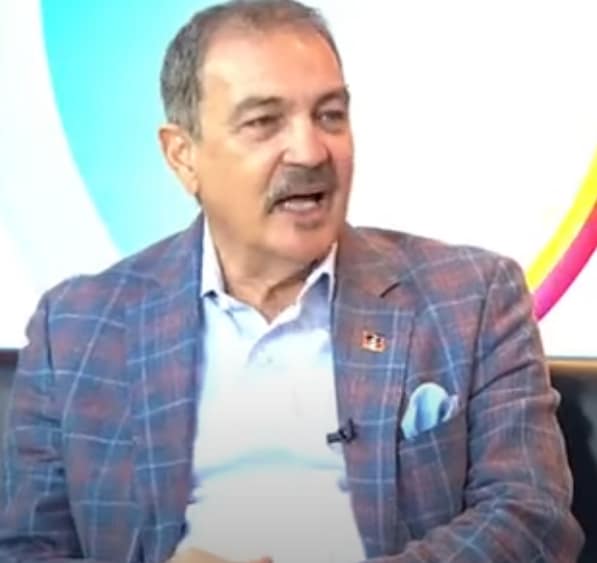
    Antigua and Barbuda’s tourism sector is experiencing a significant expansion with multiple luxury hotel projects underway, poised to create substantial employment opportunities and enhance the nation’s hospitality infrastructure. According to Tourism Minister Charles ‘Max’ Fernandez, these developments reflect robust investor confidence in the dual-island nation’s tourism appeal.

    Minister Fernandez, addressing parliament during the Budget Debate, revealed that the ongoing construction of several high-end resorts will generate over 500 permanent positions in the hospitality sector alongside approximately 300 temporary construction jobs. This employment surge comes as the country responds to increasing visitor numbers that necessitate expanded accommodation options.

    Three major projects are leading this development wave. The Nikki Beach resort is currently under construction, adding to the island’s premium luxury offerings. Simultaneously, the Moon Gate property is scheduled to open in 2026, introducing new capacity in the boutique luxury market segment. Perhaps most significantly, the Marriott Hotel project at Yepton’s has already commenced construction, with Minister Fernandez extending an invitation to opposition parliamentarians to witness the progress firsthand.

    ‘The Marriott Hotel development will substantially increase our room inventory to match growing visitor demand,’ Fernandez stated, emphasizing how these projects collectively represent critical infrastructure investments.

    The minister further noted that these developments coincide with increased air connectivity from key markets including the United States, United Kingdom, Germany, and Italy. This synergistic growth in both accommodation capacity and transportation access positions Antigua and Barbuda to sustainably expand its stayover visitor numbers.

    Fernandez characterized these investments as strengthening both the tourism product and the broader economy, describing the hotel pipeline as a fundamental pillar for the sector’s long-term development strategy. The combination of private sector confidence and strategic infrastructure development signals a transformative period for the nation’s tourism industry.

  • New $3M Food Court Planned for VC Bird Airport in 2026, Minister Announces Further Upgrades

    New $3M Food Court Planned for VC Bird Airport in 2026, Minister Announces Further Upgrades

    Antigua and Barbuda’s Tourism Minister Charles ‘Max’ Fernandez has unveiled a comprehensive modernization strategy for VC Bird International Airport, announcing over $8 million in immediate infrastructure investments set to commence in 2026. The ambitious upgrade program aims to elevate passenger experience and position the nation as the Caribbean’s premier aviation hub.

    During the recent Budget Debate, Minister Fernandez detailed specific projects including construction of a new EC$3 million food court on the terminal’s lower level, significant parking facility enhancements to international standards, and a complete US$5 million reconstruction of the Signature Fixed-Base Operation (FBO) for private aviation users.

    In a notable development for luxury travel, Fernandez announced a partnership between JetEx and Diplomatic Solutions to establish a new premium FBO facility, signaling intensified investment in Antigua’s high-end aviation market. These immediate projects form part of a broader master plan that includes future expansion capabilities for three additional jet bridges to accommodate larger aircraft and increased passenger volumes.

    Minister Fernandez emphasized the strategic importance of these investments: ‘These enhancements are crucial for maintaining our competitive edge and achieving our aspiration to become number one in the Caribbean tourism market.’ The modernization effort extends beyond terminal improvements to include concurrent runway rehabilitation, digital infrastructure upgrades, and staffing reinforcement to support anticipated growth in air traffic and passenger numbers.

    The comprehensive approach addresses both current operational needs and future capacity requirements, representing a significant commitment to infrastructure development that aligns with the nation’s expanding tourism profile and economic ambitions.

  • Support local farmers during Christmas shopping

    Support local farmers during Christmas shopping

    In the wake of catastrophic rainfall that severely damaged agricultural infrastructure across Barbados, government officials are making a heartfelt appeal for citizens to prioritize locally grown produce during their Christmas festivities. The Ministry of Agriculture, Food and Nutritional Security has revealed that recent torrential downpours resulted in extensive crop destruction, substantial soil erosion, and complete devastation of farming installations throughout the island nation.

    Agriculture Minister Indar Weir provided sobering details about the sector’s devastating losses, explaining that entire fields were completely washed away and numerous farming operations suffered critical infrastructure damage. The timing proves particularly disastrous as the holiday season typically represents peak demand for fresh local vegetables, seasonings, and traditional Christmas ham ingredients.

    “Our agricultural community has experienced tremendous hardship and financial setback,” Minister Weir stated. “Many hardworking farmers have seen months of diligent labor literally washed away within a single weekend. As families prepare their holiday meals, we strongly encourage every Barbadian to consciously select locally sourced products. This collective support represents the most direct way to help our farming community recover and rebuild.”

    Permanent Secretary Terry Bascombe emphasized the profound connection between consumer choices and agricultural recovery, noting that Christmas celebrations traditionally center around shared meals and culinary traditions. “The foods we serve during our holiday gatherings carry significant meaning,” Bascombe observed. “This year, we ask Barbadians to consider the origin of these ingredients and consciously support our local producers who have endured unimaginable losses.”

    Despite the widespread damage, ministry technical teams have been actively assessing damages and providing on-the-ground support to affected farmers. Chief Agricultural Officer Michael James confirmed that field officers are working tirelessly to evaluate the full extent of the damage while implementing recovery strategies. However, officials stress that the most crucial component of agricultural recovery will be demonstrated through consumer support at markets and grocery stores throughout the holiday season.

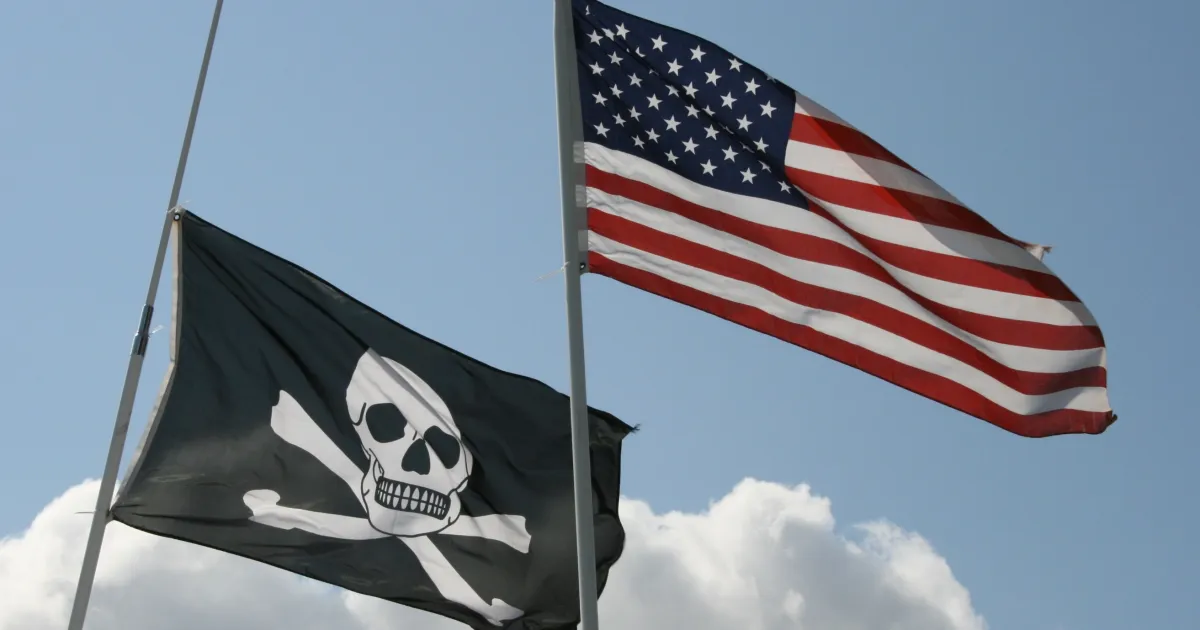
  • The new pirates of the Caribbean

    The new pirates of the Caribbean

    The recent apprehension of a Venezuelan oil tanker by the United States government, accompanied by threats of potential ground operations, has raised alarming concerns about the resurgence of 19th-century imperial tactics in Latin American relations. This aggressive maneuver represents a dramatic escalation in hemispheric tensions and evokes historical patterns of military interventionism that many believed were consigned to history.

    Analysts note striking parallels between current events and early 20th-century Caribbean interventions, when United States Marines routinely landed in Haiti, Nicaragua, and the Dominican Republic under the pretext of protecting American interests. Contemporary justifications emphasizing national security and combating so-called ‘rogue states’ appear to mask more pragmatic objectives centered on controlling strategic trade routes and accessing the world’s largest hydrocarbon reserves.

    The legal foundation for these actions remains highly questionable under international law. The destruction and seizure of vessels allegedly linked to narcotics trafficking—conducted without verified interdictions or proper judicial oversight—stretches the boundaries of unilateral policing into outright maritime aggression. Particularly troubling is the violation of the United Nations Convention on the Law of the Sea (UNCLOS), which establishes clear protocols for maritime enforcement that have been systematically ignored.

    This approach reflects a broader strategic doctrine that prioritizes coercive power over diplomatic engagement, substituting sanctions and military posturing for multilateral cooperation. The abandonment of democratic principles and human rights rhetoric in favor of overt force represents a significant departure from established diplomatic norms, threatening the sovereignty of smaller nations throughout the hemisphere.

    Regional bodies like CARICOM now face critical tests of their collective resolve to resist this regression toward imperial practices. The precedent established by Venezuela’s de facto blockade could potentially extend to any Caribbean nation pursuing policies independent of Washington’s preferences, undermining decades of progress toward regional autonomy and self-determination.

    The fundamental challenge to international order lies not merely in specific actions but in the underlying philosophy that powerful nations possess inherent rights to dictate terms to their neighbors. This worldview, reminiscent of 19th-century Manifest Destiny ideology, contradicts contemporary aspirations for equitable partnerships and rules-based governance among nations.

  • Zonder Constitutioneel Hof staan mensenrechten op losse schroeven

    Zonder Constitutioneel Hof staan mensenrechten op losse schroeven

    In a stark warning issued on International Human Rights Day, prominent human rights attorney Milton Castelen has declared that Suriname’s fundamental rights protection system faces severe jeopardy due to the continued inactivity of the nation’s Constitutional Court. The court has remained non-operational since May 7, 2025, after both the government and National Assembly failed to appoint new members in a timely manner.

    Castelen emphasized that this year’s UN theme, “Human Rights, Our Every Day Essentials,” precisely highlights what is currently failing in Suriname. While human rights should form the foundation of daily life, they are often treated as abstract legal concepts rather than practical necessities affecting education, healthcare, equal treatment, and legal protection.

    The human rights advocate detailed how Suriname continues to struggle with inclusivity, with persistent exclusion occurring across society based on disability, gender, gender identity, sexual orientation, political affiliation, origin, residence, or ethnicity. These systemic issues regularly result in violations of rights to equal treatment, education, healthcare, and personal freedom through legislation, policy, or daily practice.

    “When these rights are compromised, lives are directly impacted,” Castelen stated. “Human rights are not luxury topics; they determine the quality of our existence.”

    The absence of a functioning Constitutional Court has created a critical gap in Suriname’s legal system, as the institution plays a vital role in reviewing laws and decisions against constitutional provisions and international human rights treaties. Citizens currently have no recourse to challenge legislation or administrative decisions, representing a direct erosion of the rule of law.

    While human rights protection constitutes a shared responsibility among government, parliament, judiciary, civil organizations, media, and citizens, Castelen noted that the court’s prolonged inactivity has shifted this balance. With state institutions failing their fundamental duties, NGOs, human rights organizations, and the press now carry an increasingly heavy burden to raise awareness and pressure the government into action.

    Castelen characterized International Human Rights Day as “a serious wake-up call” for Suriname, urgently calling upon the government and National Assembly to immediately complete the appointment process for the Constitutional Court. “Human rights constitute our daily living conditions,” he concluded. “Every day that the Constitutional Court remains inactive, the foundation of our society is further undermined.”

  • Ambassador Webson Advocates for Innovative Climate Finance and Regional Resilience Architecture in Trinidad and Tobago

    Ambassador Webson Advocates for Innovative Climate Finance and Regional Resilience Architecture in Trinidad and Tobago

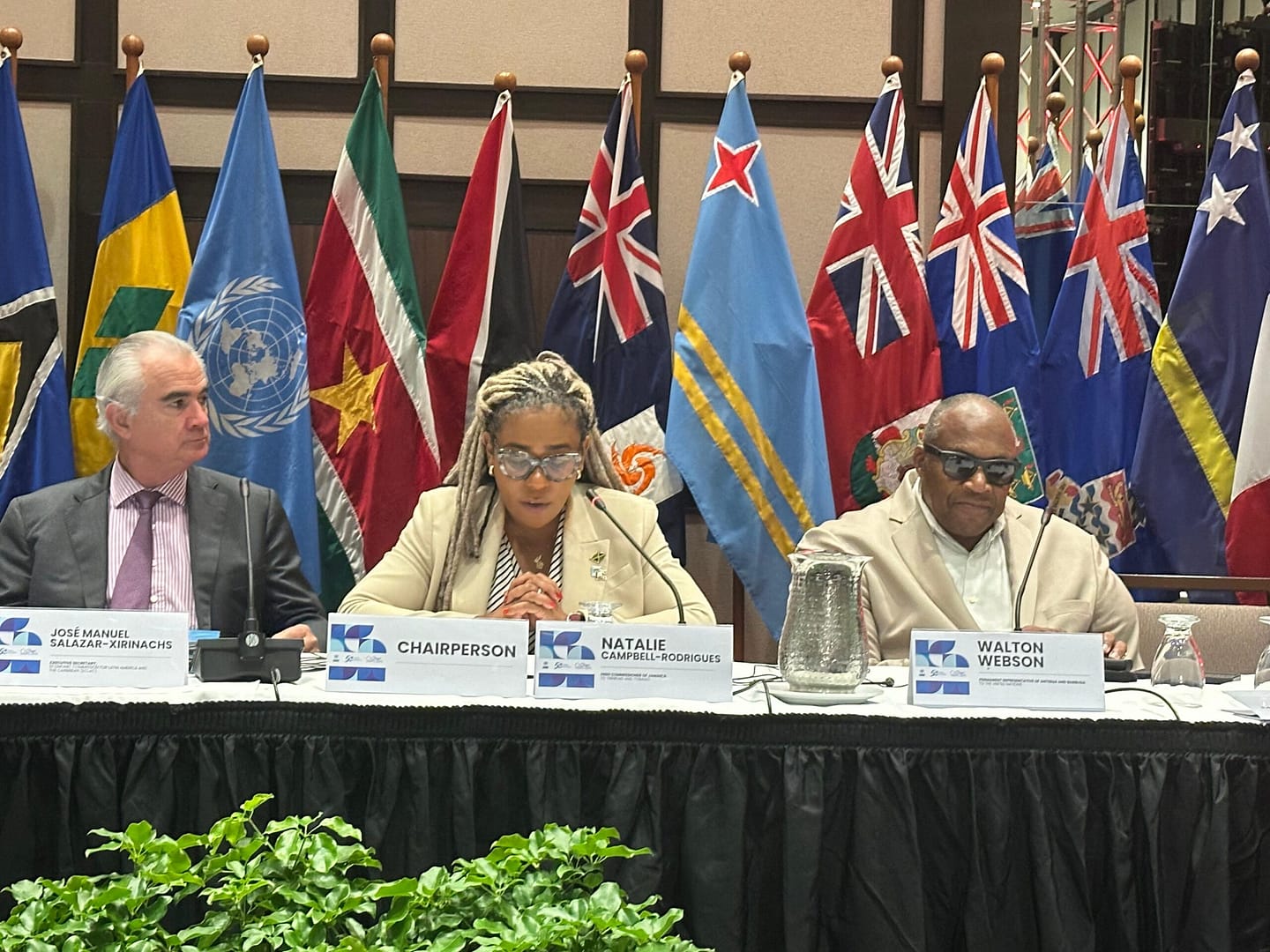
    Ambassador Walton Webson, Antigua and Barbuda’s Permanent Representative to the United Nations, positioned the survival of Small Island Developing States (SIDS) as the central focus of high-level deliberations during the 22nd Meeting of the Caribbean Development and Cooperation Committee (CDCC) Monitoring Committee. The December 8-9 conference in Trinidad and Tobago, convened under the theme “Unlocking Caribbean Potential: Enhancing Growth and Development through South-South Cooperation,” featured Ambassador Webson’s pivotal contributions alongside First Secretary Claxton Duberry from the Antigua and Barbuda Mission in New York.

    During a distinguished panel addressing “Financing for Development: Increasing Caribbean Access to Climate Finance and Innovative Financing Mechanisms,” Ambassador Webson delivered a compelling address blending urgency with optimism for the Caribbean’s future. He characterized the current juncture as a definitive turning point that would shape the region’s resilience and prosperity throughout the coming decade. Drawing upon the transformative principles outlined in the Antigua and Barbuda Agenda for SIDS (ABAS 2024–2034), the ambassador implored fellow delegates to recognize this framework as both a generational commitment and a solemn promise toward achieving sustainable development for Caribbean communities and all SIDS nations.

    The diplomat articulated how Caribbean SIDS remain constrained within a global financial architecture that penalizes vulnerability while employing evaluation metrics that systematically ignore climate risks. With more than 40% of SIDS currently experiencing or approaching debt distress, Ambassador Webson emphasized the critical necessity for revised financing regulations, enhanced financial instruments, and a strategic regional transition from post-disaster recovery to proactive resilience building.

    Central to this transformative vision is the newly established SIDS Centre of Excellence, which the ambassador described as an innovative initiative that would leverage cutting-edge tools to pioneer novel approaches to climate-resilient development. Among the groundbreaking measures highlighted were the operationalization of the Debt Sustainability Support Service (DSSS) as a cornerstone mechanism, alongside efforts to simplify and accelerate access to climate finance.

    Additional strategic proposals included the expansion of debt-for-climate swaps, the introduction of structured resilience bonds, and the development of domestic currency financing alternatives. Ambassador Webson further advocated for strengthening regional mechanisms through shock-responsive social protection systems, innovative disaster insurance products, resilience reserves, and comprehensive drought and heat-response frameworks.

    “The Caribbean does not lack investment opportunity — it lacks risk alignment,” Ambassador Webson asserted, challenging international financial institutions to forge partnerships combining public, concessional, and private capital that properly align financing mechanisms with climate realities.

  • Public investment window coming for Renugen’s $45M family island energy projects

    Public investment window coming for Renugen’s $45M family island energy projects

    NASSAU, BAHAMAS – Bahamian citizens are poised to participate directly in the nation’s clean energy transformation as Renugen Pro Limited prepares to offer public investment opportunities in its $40-45 million micro-grid initiative starting early next year. This strategic development aligns with the Davis administration’s accelerated efforts to modernize the country’s historically challenged power infrastructure through innovative public-private collaborations.

    During a comprehensive briefing at the Office of the Prime Minister, Renugen executives outlined substantial progress on hybrid energy systems combining solar power, battery storage, and natural-gas generation currently under development for Cat Island, Long Island, and San Salvador. These projects, governed by a 25-year power purchase agreement with the government, promise to revolutionize grid reliability, cost efficiency, and environmental sustainability across all three islands.

    Lamore Bingham, Operations Manager for Renugen Pro, emphasized the company’s national character: “We are a Bahamian-led organization established in partnership with Wilkem Tech and Roswall Development. These micro-grids perfectly support the government’s vision for delivering stable, modern, and sustainable power throughout The Bahamas. Upon completion, island residents and businesses will benefit from reduced outages, decreased reliance on imported fuels, and a cleaner energy infrastructure capable of supporting future economic expansion.”

    Bingham confirmed that preliminary phases including land clearing, geotechnical surveys, and initial engineering have been finalized, with equipment specifications now being locked in. The hybrid systems are designed as comprehensive replacements for aging diesel plants that have powered the islands for decades.

    Canadian technical partner Roswall Development, through CEO Dan Roscoe, highlighted the systems’ engineering resilience against intensifying hurricane seasons while ensuring uninterrupted power supply. “Battery technology is fundamentally transforming electricity production,” Roscoe stated. “When integrated with solar generation, they create an exceptionally reliable and clean power source. Natural gas serves as our contingency safeguard to guarantee full operational resilience during storms and peak demand periods.”

    Each island’s system has been custom-designed according to its unique energy requirements: one megawatt solar capacity for Cat Island and San Salvador, and three megawatts for Long Island. System modeling incorporated seasonal consumption variations, including energy spikes during cultural events like regattas and homecoming celebrations.

    With front-end engineering approaching completion, project financing through Leno Bahamas has reached advanced stages. Roscoe confirmed: “Early next year, we will publicly announce investment opportunities allowing Bahamians direct participation in these transformative projects. The combined value across all three islands approximates $40-45 million.”

    Equipment acquisition will commence following financial close, with on-island construction scheduled for late 2026. Renugen anticipates full commissioning of all micro-grids by 2027, with the company retaining operational and maintenance responsibilities throughout the project’s 25-year lifespan. Roscoe concluded: “We take pride in supporting governmental efforts to modernize energy infrastructure while enhancing reliability and affordability across our Family Islands. This represents a pivotal moment that will deliver tangible benefits to residents, businesses, and the broader national economy.”

  • Major joint operation targets illegal settlements in Los Haitises

    Major joint operation targets illegal settlements in Los Haitises

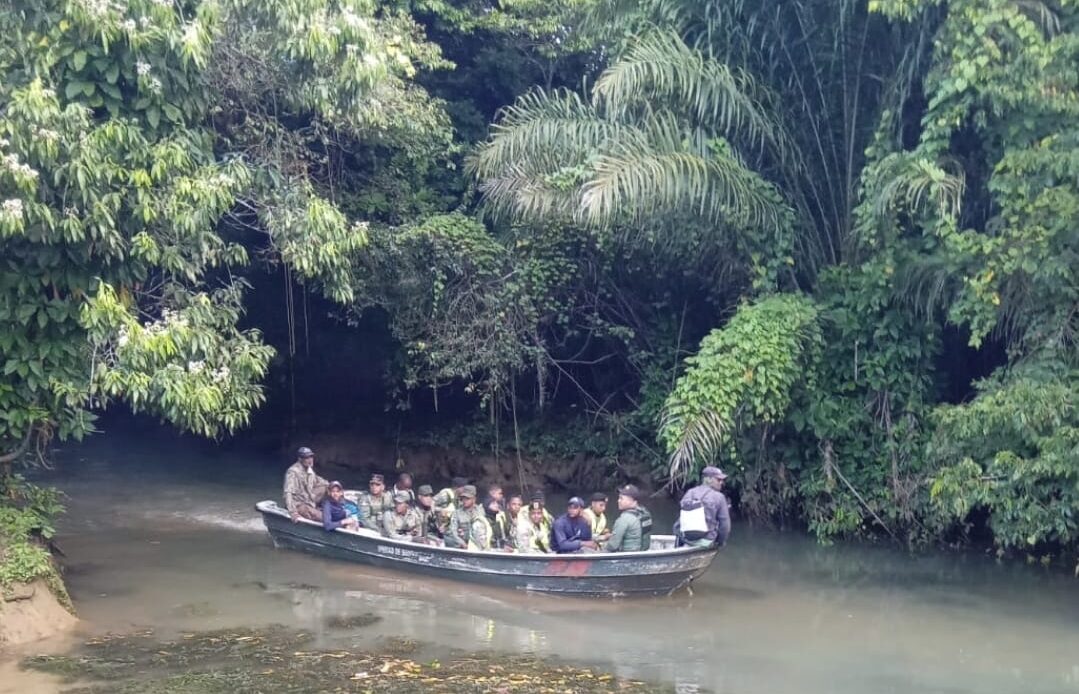
    In a decisive move to preserve one of the Dominican Republic’s most vital ecological treasures, a formidable coalition of environmental and military forces executed a large-scale interdiction operation within Los Haitises National Park. The meticulously coordinated mission, spearheaded by the National Environmental Protection Service (Senpa), successfully disrupted extensive illegal settlement and agricultural activities that have been encroaching upon the park’s delicate ecosystems.

    The operation represented an unprecedented show of force, deploying assets across all domains. Naval vessels established a maritime perimeter while Air Force helicopters provided aerial surveillance and transport. On the ground, elite units including the Army Commando Battalion, Navy Marine Corps, Air Force Special Forces, and the Migration Reaction Unit conducted precise interventions alongside park rangers and environmental guides.

    Substantive outcomes from the operation include the apprehension of 56 individuals, with 52 identified as undocumented foreign nationals and 4 Dominican citizens. Authorities eliminated multiple unauthorized agricultural clearings and confiscated five mules used for transporting supplies to support illicit farming operations. Additionally, enforcement teams seized dozens of sacks of yautía (a root vegetable similar to taro) that had been illegally cultivated within protected park boundaries.

    Government officials characterized the operation as a clear demonstration of institutional resolve to enforce environmental protection statutes. The action reinforces the administration’s commitment to combating ecological degradation and preserving the nation’s natural heritage against unauthorized exploitation. This strategic intervention establishes a significant precedent for future conservation efforts in protected areas nationwide.

  • FEDEFARMA warns of counterfeit medicines surge during holiday season

    FEDEFARMA warns of counterfeit medicines surge during holiday season

    Santo Domingo – The Federation of Pharmaceutical Laboratories for Central America and the Caribbean (FEDEFARMA) has issued a critical public health warning regarding a significant escalation in counterfeit medication circulation throughout the holiday period. The organization emphatically advises consumers to purchase pharmaceutical products exclusively through authorized distribution channels including licensed pharmacies, clinical establishments, and regulated supermarkets.

    Carmen Da Silva, FEDEFARMA’s regional director for the Panama-Dominican Republic corridor, elaborated that seasonal factors including heightened consumer traffic and increased disposable income typically drive demand for rapid, economical healthcare solutions. This seasonal pattern creates fertile ground for illicit distribution networks to market unregulated and potentially dangerous pharmaceutical products. These fraudulent medications not only pose direct threats to patient safety but also generate substantial financial burdens for public health infrastructure.

    The organization detailed that counterfeit pharmaceuticals frequently feature deliberately misleading labeling concerning both composition and manufacturing origins. These products may contain improperly formulated active ingredients, subtherapeutic dosage levels, or even hazardous substances. FEDEFARMA emphasized that this dangerous phenomenon spans the entire pharmaceutical spectrum from critical life-sustaining medications to common analgesics, providing zero medical benefit while potentially causing severe adverse health consequences. The proliferation of these fake medicines forces families to bear additional healthcare expenditures and intensifies strain on emergency medical services through increased hospitalization rates.

    FEDEFARMA provided comprehensive safety guidelines urging consumers to: purchase medications solely from established正规 retailers, maintain skepticism toward abnormally discounted pricing, completely avoid informal street vendors and unverified online platforms, meticulously inspect product packaging integrity, responsibly dispose of expired medications, and promptly report any suspicious pharmaceutical marketing activities to authorities.

    World Health Organization research estimates that approximately 10-30% of medications circulating within developing regions—including Central America and the Caribbean—may be counterfeit. This illicit market generates staggering annual global losses exceeding $30.5 billion while simultaneously worsening public health outcomes through prolonged illness durations and accelerated development of antimicrobial resistance.

  • VS escaleert tegen Venezuela: Na inbeslagname tanker, nu ook dreiging  meer dan 30 schepen

    VS escaleert tegen Venezuela: Na inbeslagname tanker, nu ook dreiging meer dan 30 schepen

    The United States has dramatically escalated its pressure campaign against Venezuela’s government through a bold maritime interception operation. On December 10, 2025, US special forces boarded and seized the supertanker Skipper in Caribbean waters near Venezuela’s coast, accusing it of transporting oil in violation of American sanctions. The vessel, carrying approximately 2 million barrels of crude oil, is now being redirected to a US port for formal legal confiscation.

    This military operation represents the most aggressive enforcement action to date in the ongoing sanctions regime against President Nicolás Maduro’s government. The US Treasury Department simultaneously imposed additional sanctions targeting three nephews of Maduro’s wife, along with three individuals and six oil tankers allegedly involved in facilitating Venezuela’s oil exports. These measures, executed through the Office of Foreign Assets Control (OFAC), freeze US-based assets and prohibit American entities from any economic dealings with the designated parties.

    The seizure operation has created immediate ripple effects across global oil markets and maritime security. More than 80 tankers currently operating in or near Venezuelan waters—including over 30 vessels already on US sanctions lists—now face heightened risk of American intervention. These ships form part of a ‘shadow fleet’ known for employing obscure ownership structures, false flags, and manipulated automatic identification systems to avoid detection.

    Washington justifies these actions as necessary measures to combat what it describes as Maduro’s ‘corrupt narco-terrorist regime’ by targeting its primary revenue source and disrupting alleged organized crime and drug trafficking financing channels. The Trump administration has repeatedly accused Maduro of involvement in drug trade operations, charges that Caracas vehemently denies.

    Venezuela has condemned the tanker seizure as ‘international piracy’ and ‘shameless theft’ of national resources, vowing to pursue legal action against the US through international bodies. The government emphasizes the need to defend national sovereignty and control over natural resources amid escalating tensions.

    The economic implications are already visible through increased global oil prices, with Brent crude experiencing immediate gains following the news. For Venezuela, already grappling with prolonged economic crisis, potential disruptions to oil exports threaten to further destabilize the fragile economy and Maduro’s political standing.

    The geopolitical dimensions continue to unfold with Russia and other Venezuelan allies expressing support for Maduro, while opposition figures within and outside Venezuela welcome US actions as necessary steps against corruption and authoritarianism. The coming days will determine whether the US expands this strategy to target additional vessels and individuals within Venezuela’s oil value chain, with current actions having already intensified regional tensions and introduced new uncertainties to global oil markets.