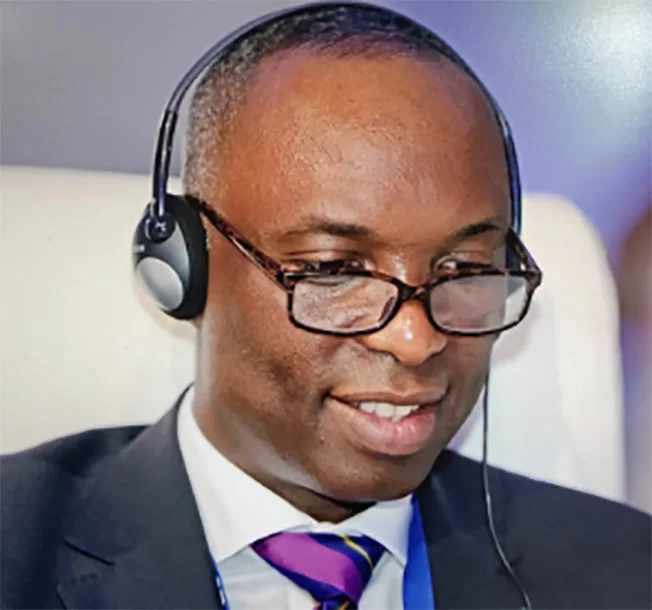
In a stark warning issued on International Human Rights Day, prominent human rights attorney Milton Castelen has declared that Suriname’s fundamental rights protection system faces severe jeopardy due to the continued inactivity of the nation’s Constitutional Court. The court has remained non-operational since May 7, 2025, after both the government and National Assembly failed to appoint new members in a timely manner.
Castelen emphasized that this year’s UN theme, “Human Rights, Our Every Day Essentials,” precisely highlights what is currently failing in Suriname. While human rights should form the foundation of daily life, they are often treated as abstract legal concepts rather than practical necessities affecting education, healthcare, equal treatment, and legal protection.
The human rights advocate detailed how Suriname continues to struggle with inclusivity, with persistent exclusion occurring across society based on disability, gender, gender identity, sexual orientation, political affiliation, origin, residence, or ethnicity. These systemic issues regularly result in violations of rights to equal treatment, education, healthcare, and personal freedom through legislation, policy, or daily practice.
“When these rights are compromised, lives are directly impacted,” Castelen stated. “Human rights are not luxury topics; they determine the quality of our existence.”
The absence of a functioning Constitutional Court has created a critical gap in Suriname’s legal system, as the institution plays a vital role in reviewing laws and decisions against constitutional provisions and international human rights treaties. Citizens currently have no recourse to challenge legislation or administrative decisions, representing a direct erosion of the rule of law.
While human rights protection constitutes a shared responsibility among government, parliament, judiciary, civil organizations, media, and citizens, Castelen noted that the court’s prolonged inactivity has shifted this balance. With state institutions failing their fundamental duties, NGOs, human rights organizations, and the press now carry an increasingly heavy burden to raise awareness and pressure the government into action.
Castelen characterized International Human Rights Day as “a serious wake-up call” for Suriname, urgently calling upon the government and National Assembly to immediately complete the appointment process for the Constitutional Court. “Human rights constitute our daily living conditions,” he concluded. “Every day that the Constitutional Court remains inactive, the foundation of our society is further undermined.”