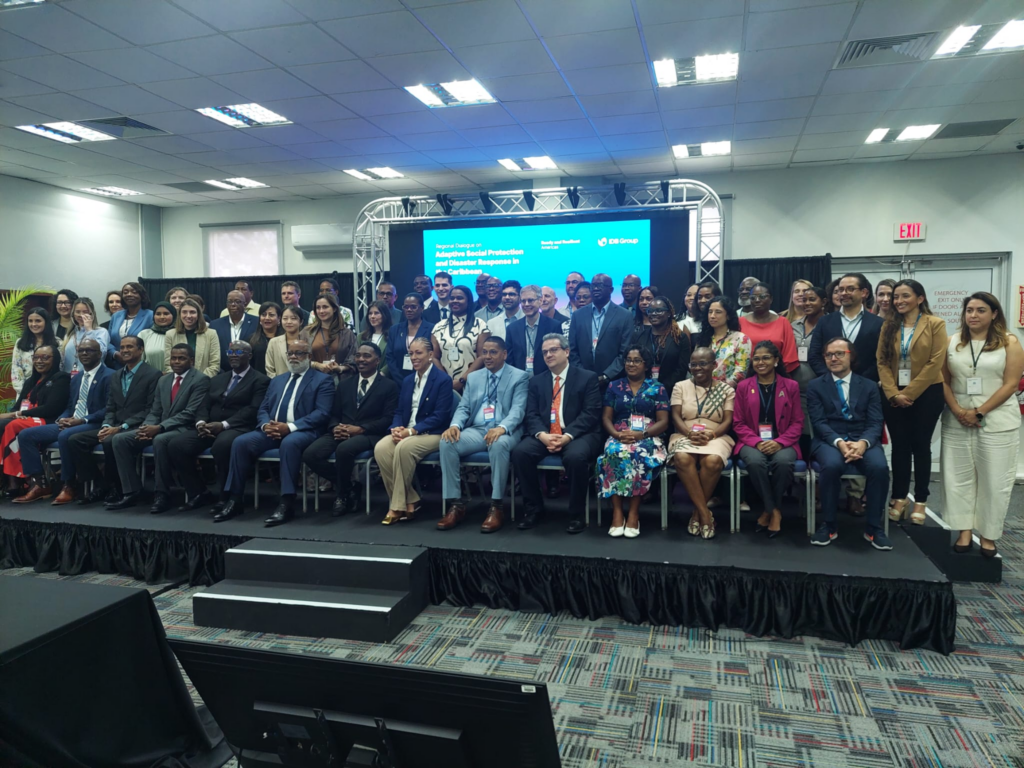
As climate-driven extreme weather events grow increasingly destructive across the Caribbean, Barbados has reiterated its commitment to scaling up disaster preparedness infrastructure and policies, with regional leaders prioritizing protection for communities that bear the brunt of climate change impacts. The call to action came from Adrian Forde, Barbados’ Minister of People Empowerment and Elder Affairs, during a recent regional dialogue focused on Adaptive Social Protection and Disaster Response hosted at the Lloyd Erskine Sandiford Centre.
In his address to attending stakeholders, Forde emphasized the sharp upward trend in the frequency, intensity, and economic cost of climate-related natural disasters across the Caribbean basin. He noted that every nation in the region has already experienced firsthand the catastrophic damage these events leave in their wake, a reality that has shaped Barbados’ urgency to reinforce adaptive protections for vulnerable groups.
Forde referenced the recent hit of Hurricane Beryl, which inflicted severe damage on Barbados’ critical fishing industry, as just the latest example of the threat climate disasters pose to regional development. “We in the region do not need statistics to tell us how destructive natural disasters can be — we have lived that destruction,” Forde stated. “Each extreme weather event chips away at years of intentional hard work and hard-won developmental progress, pushing already vulnerable households further into economic hardship. In just a few hours, a single powerful storm can reverse a full decade of steady, consistent growth for our communities.”
The two-day dialogue and workshop was organized by the Inter-American Development Bank (IDB), a leading regional financial institution focused on development in Latin America and the Caribbean. The event’s core goal is to strengthen integrated social protection systems across the region, covering both contributory social programs, non-contributory support initiatives, and essential care services that serve communities in the aftermath of climate disasters.