作者: admin

  • Deadly Crashes Trigger Tough Rules for Prefab Transport

    Deadly Crashes Trigger Tough Rules for Prefab Transport

    A sweeping regulatory shift in Belize’s transportation policy has thrown the nation’s prefabricated home industry into disarray following two fatal nighttime accidents within a three-week period. The Ministry of Transport has mandated that all oversized prefab structures must now be disassembled into components before highway transport, effectively prohibiting the traditional practice of moving complete units.

    The abrupt policy change, implemented without industry consultation, has drawn fierce opposition from home construction leaders who describe the measures as catastrophic for their business models. Representatives from four major prefab manufacturers and a leading transport company from Spanish Lookout presented a unified front against the regulations, arguing that the rules essentially constitute a full operational shutdown.

    Industry executives maintain that their safety protocols exceed regulatory requirements, citing comprehensive lighting systems, multiple escort vehicles with strobe lights, and full illumination of transported homes. They contend that drunk driving—not inadequate safety measures—was the primary factor in the recent tragedies. The new requirements would fundamentally transform their operational methodology, potentially eliminating the cost advantages that make prefab homes accessible to Belizean consumers.

    Beyond immediate business impacts, stakeholders warn of cascading effects including increased consumer costs, disrupted government housing projects, and potential foreign investment withdrawal. The industry has requested formal communication and consultation with transport authorities, with a critical meeting scheduled for Tuesday to address the escalating crisis.


  • Economy : The IMF finds the implementation of Haiti’s Staff-Monitored Program encouraging

    Economy : The IMF finds the implementation of Haiti’s Staff-Monitored Program encouraging

    The International Monetary Fund has granted approval for the second review of Haiti’s Staff-Monitored Program (SMP), simultaneously authorizing a nine-month extension of the initiative through September 2026. This decision comes as the Caribbean nation continues to navigate extreme security challenges, institutional fragility, and significant capacity constraints under the SMP framework—an informal agreement designed to establish policy implementation track records that could eventually qualify Haiti for formal financial assistance.

    Haiti’s economic landscape remains profoundly fragile amid relentless domestic and external pressures. Real GDP contracted for the seventh consecutive year in FY2025 as gang violence intensified across the nation, while annual inflation persisted at approximately 32%. Compounding these challenges, three major external factors threaten additional strain: the impending expiration of Temporary Protected Status for Haitians in the United States in February 2026, the non-renewal of the HOPE/HELP preferential trade agreement that lapsed in September 2025, and Hurricane Melissa’s devastating impact in October 2025, which caused substantial loss of life and widespread damage to infrastructure and agricultural areas.

    Despite these overwhelming obstacles, program implementation has yielded encouraging results. All quantitative and indicative targets for the end-June test date were successfully met, with monetary financing of the fiscal deficit maintained at zero, social spending reaching programmed targets, and revenue performance staying on track. International reserves continued to accumulate, supported by robust remittance inflows and foreign exchange purchases, reaching nearly US$1.5 billion by end-July 2025.

    The extended SMP will focus on preserving macroeconomic stability and reform momentum while allowing political and security conditions to stabilize. Key priorities include advancing governance reforms to address systemic fragility, enhancing revenue mobilization, improving public financial management efficiency, and strengthening the central bank’s policy frameworks. The extension will also enable a more comprehensive assessment of international initiatives, including the UN’s Gang Suppression Force and the OAS’s ‘Haitian Led Roadmap for Recovery and Peace’.

    Critical reform areas emphasize transparency and accountability in public financial management, corruption risk mitigation in revenue administration, and ensuring accountability for serious corruption, organized crime, and money laundering. Haitian authorities are additionally encouraged to complete national assessments for money laundering and terrorist financing to support the country’s removal from the FATF grey list.

    The IMF emphasized that despite these domestic efforts, Haiti continues to require substantial international financial support—preferably in grant form rather than non-concessional loans—to address immediate humanitarian, social, and economic needs while preserving debt sustainability. Grant financing is deemed essential for placing Haiti’s economy on a steady and sustainable growth trajectory that could ultimately improve living conditions for its citizens.

  • 64 Pounds of Cocaine Found Off Caye Caulker

    64 Pounds of Cocaine Found Off Caye Caulker

    In a significant counter-narcotics operation, Belizean authorities have intercepted 64 pounds of cocaine discovered submerged off the coast of Caye Caulker. The substantial drug haul was found contained within a large plastic bag on the seabed in the Caye Caulker/Caye Chapel vicinity on Thursday, December 18, 2025.

    Acting Commandant of the Belize Coast Guard, Captain Gregory Soberanis, confirmed the discovery resulted from a coordinated operation between coast guard and police units following received intelligence. The maritime security forces responded promptly to the tip-off, launching an immediate investigation that remains ongoing.

    When questioned about the significance of this seizure, Captain Soberanis acknowledged it as a “substantial bust” requiring careful analysis and subsequent operational planning. The coast guard commander emphasized that this time of year typically sees increased narcotics movement through Belize’s maritime territory, prompting heightened vigilance from security forces.

    Regarding smuggling methodology, Captain Soberanis indicated the drugs likely originated from the maritime domain, possibly dumped from a vessel for later retrieval by local criminal networks supporting narcotics trafficking. He noted that criminal organizations frequently adjust their modus operandi based on weather conditions and security force deployments across Belize’s extensive maritime space.

    The Belize Coast Guard maintains its mandate to ensure maritime security for the nation, with specific focus areas constantly monitored throughout Belize’s territorial waters. This seizure represents a significant blow to regional drug trafficking operations attempting to utilize Belize’s coastal waters as a transit point.

  • Home Affairs Leaders Hit the Streets in Belize City

    Home Affairs Leaders Hit the Streets in Belize City

    In a significant demonstration of hands-on governance, Belize’s Ministry of Home Affairs leadership embarked on an immersive inspection tour through three high-risk neighborhoods in Belize City on Thursday. Minister Oscar Mira, accompanied by CEO Rear Admiral Elton Bennett and Police Commissioner Dr. Richard Rosado, personally navigated the narrow alleyways of George Street, Majestic Alley, and Banak Street—areas recognized as gang-controlled territories.

    The strategic visit served multiple operational purposes, providing senior officials with firsthand understanding of both enforcement and social intervention approaches. The delegation received comprehensive briefings from two key units: the Gang Intervention Unit (GI3) implementing hard security measures, and the Life Improvement Unit (LIU) employing soft approach methodologies to combat urban crime.

    Commissioner Rosado utilized the opportunity to elaborate on his comprehensive crime reduction strategy while Minister Mira introduced himself to community leaders striving for positive transformation. A particularly notable moment occurred when the officials witnessed the tangible success of intervention programs—a former gang member proudly displayed his operational car wash business, demonstrating viable economic alternatives to criminal involvement.

    CEO Bennett characterized the tour as crucial for understanding operational challenges and recognizing promising developments in community policing initiatives. The leadership engagement signals a coordinated approach combining security enforcement with social development strategies to address gang-related violence in urban centers.

  • PM Briceño Mediates Tensions Over Chiquibul Operations

    PM Briceño Mediates Tensions Over Chiquibul Operations

    Prime Minister John Briceño has personally intervened to mediate escalating tensions between environmental conservation groups and commercial operators in Belize’s protected forest reserves. The dispute centers around operational coordination and access rights within the ecologically sensitive Chiquibul Forest Reserves and Mountain Pine Ridge areas.

    At the heart of the controversy lies a conflict between conservation organization Friends for Conservation and Development (FCD) and commercial entity Bulridge Ltd. FCD claims that Bulridge has recently blocked their researchers from accessing critical Scarlet Macaw habitats, jeopardizing long-term conservation studies of the endangered species. The organization has raised concerns about potential environmental risks and inadequate coordination procedures.

    Prime Minister Briceño, however, presents a different perspective, emphasizing that the core issue revolves around safety protocols and operational coordination rather than intentional obstruction. Speaking about his direct involvement in mediation efforts, Briceño revealed that discussions have been ongoing since mid-2025, with the most recent high-level meeting occurring in July or August.

    The Prime Minister clarified that Bulridge holds official responsibility for managing access to the reserves, particularly given their commercial logging operations involving large timber transport vehicles. Briceño emphasized that safety concerns necessitate that all organizations operating within the reserves—including FCD researchers—must coordinate their activities with Bulridge to prevent accidents.

    A potential resolution appears to be underway through the identification of a new operational area for conservation activities near the Guatemala border bridge, where FCD may establish new headquarters in collaboration with the Belize Defence Force. Briceño also noted that both organizations are conducting parallel studies on Scarlet Macaw populations, suggesting that enhanced communication rather than restricted access would serve both conservation and commercial interests.

    The government-mediated solution involves ongoing coordination between Bulridge Ltd., the Forestry Department, and FCD to establish clear protocols that balance environmental research needs with industrial safety requirements in these protected natural areas.

  • PM Briceño Defends Blue Bond Marine Protections

    PM Briceño Defends Blue Bond Marine Protections

    BELIZE CITY – Prime Minister John Briceño has mounted a robust defense of marine conservation measures linked to Belize’s landmark Blue Bond agreement, confronting mounting concerns from fishing communities about potential economic impacts. The escalating debate pits traditional fishing livelihoods against long-term ecological sustainability goals.

    Fishing industry representatives and tourism operators have voiced strong objections to proposed expansions of marine protected areas, warning these measures could severely restrict access to vital lobster and conch fishing grounds. They argue such restrictions would jeopardize employment opportunities and undermine coastal community economies that depend on marine resources.

    In a detailed rebuttal, PM Briceño presented scientific evidence and practical case studies demonstrating how marine reserves ultimately benefit fishing industries. “If we consume all available resources today, we jeopardize tomorrow’s harvests,” Briceño stated emphatically. “Protected areas serve dual purposes: safeguarding marine biodiversity while simultaneously enhancing fish stocks through natural recovery processes.”

    The Prime Minister cited specific success stories, including the Port of Honduras marine reserve in southern Belize. He recalled initial opposition from fishing communities that has since transformed into support as fishermen observed tangible benefits. “Marine reserves function as nursery grounds where species mature and subsequently migrate to adjacent fishing areas, resulting in larger catches and improved sustainability,” Briceño explained.

    Highlighting the Glovers Reef Marine Reserve as another exemplary case, Briceño described how local guides now actively patrol and protect the area. “Community members themselves report significantly larger fish, conch, and lobster in waters surrounding protected zones,” he noted, emphasizing this community-led conservation approach.

    The government maintains that the Blue Bond initiative, which restructured Belize’s national debt to fund marine conservation, represents a transformative opportunity to balance ecological protection with economic prosperity. Officials have committed to ongoing dialogue with fishing communities to address concerns while advancing scientifically-backed conservation strategies.

  • PM Fully Backs 2026 Plans for National Bus Company

    PM Fully Backs 2026 Plans for National Bus Company

    Belize is accelerating toward a comprehensive transformation of its national transportation network with Prime Minister John Briceño’s unequivocal endorsement of the National Bus Consolidation Plan. The initiative, spearheaded by the National Bus Consolidation Advisory Committee since October, targets a complete operational launch in 2026, potentially as early as January.

    The modernization program represents a paradigm shift for Belizean public transit, focusing on three core improvements: passenger safety enhancements, terminal infrastructure upgrades, and the introduction of a new fleet of buses. Prime Minister Briceño specifically highlighted the government’s commitment to transitioning to electric vehicles as a cornerstone of the initiative.

    “We need to commend Minister Zabaneh for the work he has done,” stated Briceño, acknowledging the extensive consultation process. “He has been examining how we can introduce modern electricity-run buses to reduce our carbon footprint and decrease the cost of moving passengers across the country.”

    The Prime Minister contrasted the proposed system with current conditions, noting the inadequacies of existing transportation: “It’s unfair to passengers who must use old buses where they get dusty, get wet, and face breakdowns. This represents a positive change for Belize.”

    The government’s vision extends beyond mere vehicle replacement, envisioning a integrated national transportation company that provides comfortable, reliable, and environmentally sustainable transit options for Belizean commuters throughout the country.

  • PM Says Belizean Parliament is Relatively “Well-Behaved”

    PM Says Belizean Parliament is Relatively “Well-Behaved”

    In the wake of a physical altercation among Mexican legislators this week, Belizean Prime Minister John Briceño has characterized his nation’s parliament as comparatively “well-behaved.” The Mexican incident erupted during Monday’s congressional session when opposition lawmakers stormed the podium during debates concerning reforms to Mexico City’s transparency oversight agency. Video documentation revealed female legislators engaging in shoving matches and hair-pulling confrontations.

    The ruling Morena party defended the proposed reforms as essential operational streamlining measures, while opposition members accused the governing party of procedural violations. This international episode prompted Prime Minister Briceño to reflect on parliamentary conduct within Belize’s own legislative chambers.

    Briceño acknowledged that while Belizean lawmakers occasionally engage in heated verbal exchanges, physical altercations remain outside the realm of acceptable conduct. “It goes to show you how well behaved we are,” stated Briceño, referencing not only the Mexican incident but similar legislative conflicts across Asia and Canada, noting such occurrences happen “all the time” in Central America.

    The Prime Minister emphasized that despite occasional vigorous debates, Belizean parliamentarians maintain collegial relationships beyond their legislative duties. “We could argue with one another in the house, but when the thing [is] done, we are hugging one another,” Briceño remarked, highlighting the absence of physical confrontations in Belize’s political culture as a point of national distinction.

  • BCCI wants upgraded cargo system implemented at Port

    BCCI wants upgraded cargo system implemented at Port

    Barbadian businesses are facing severe financial strain due to chronic inefficiencies at Bridgetown Port, with the nation’s leading commerce organization revealing that congestion-related costs have reached alarming proportions. The Barbados Chamber of Commerce and Industry (BCCI) has issued an urgent call for accelerated implementation of a new cargo clearance system, citing an annual drain of approximately $19 million in foreign exchange through demurrage charges alone.

    Lalu Vaswani, Chairman of the BCCI Customs and Trade Facilitation Committee, emphasized during a recent press conference that these substantial additional costs are inevitably passed through supply chains to consumers, exacerbating the country’s cost of living crisis. The Chamber is now advocating for decisive government action with established timelines to achieve full pre-clearance implementation.

    The core solution proposed involves fundamentally redesigning Barbados’ trade facilitation framework through pre-clearance procedures that would allow customs documentation to be processed before vessel arrival. This approach could reduce clearance times from five days to 24-48 hours, significantly minimizing exposure to punitive demurrage fees that accumulate when containers are held beyond allotted timeframes.

    Vaswani identified aging port infrastructure, originally designed for significantly lower trade volumes, as a primary contributor to the congestion problems. The BCCI’s reform agenda includes establishing measurable targets, with an initial goal of achieving 50% cargo pre-clearance within twelve months of implementation to demonstrate tangible benefits.

    Further technological enhancements are planned, including an electronic single window system that would streamline approvals across multiple agencies through a unified portal. While acknowledging that external factors like volatile international shipping rates remain challenging, Vaswani noted that government intervention had previously helped mitigate some cost pressures by capping freight charges at historical levels.

    The Chamber insists on universal commitment from all stakeholders, emphasizing that partial participation would undermine the system’s effectiveness. This comprehensive port modernization initiative represents a critical step toward reducing inflationary pressures and enhancing Barbados’ trade competitiveness.

  • PM Commits to Completing Redistricting by End of 2026

    PM Commits to Completing Redistricting by End of 2026

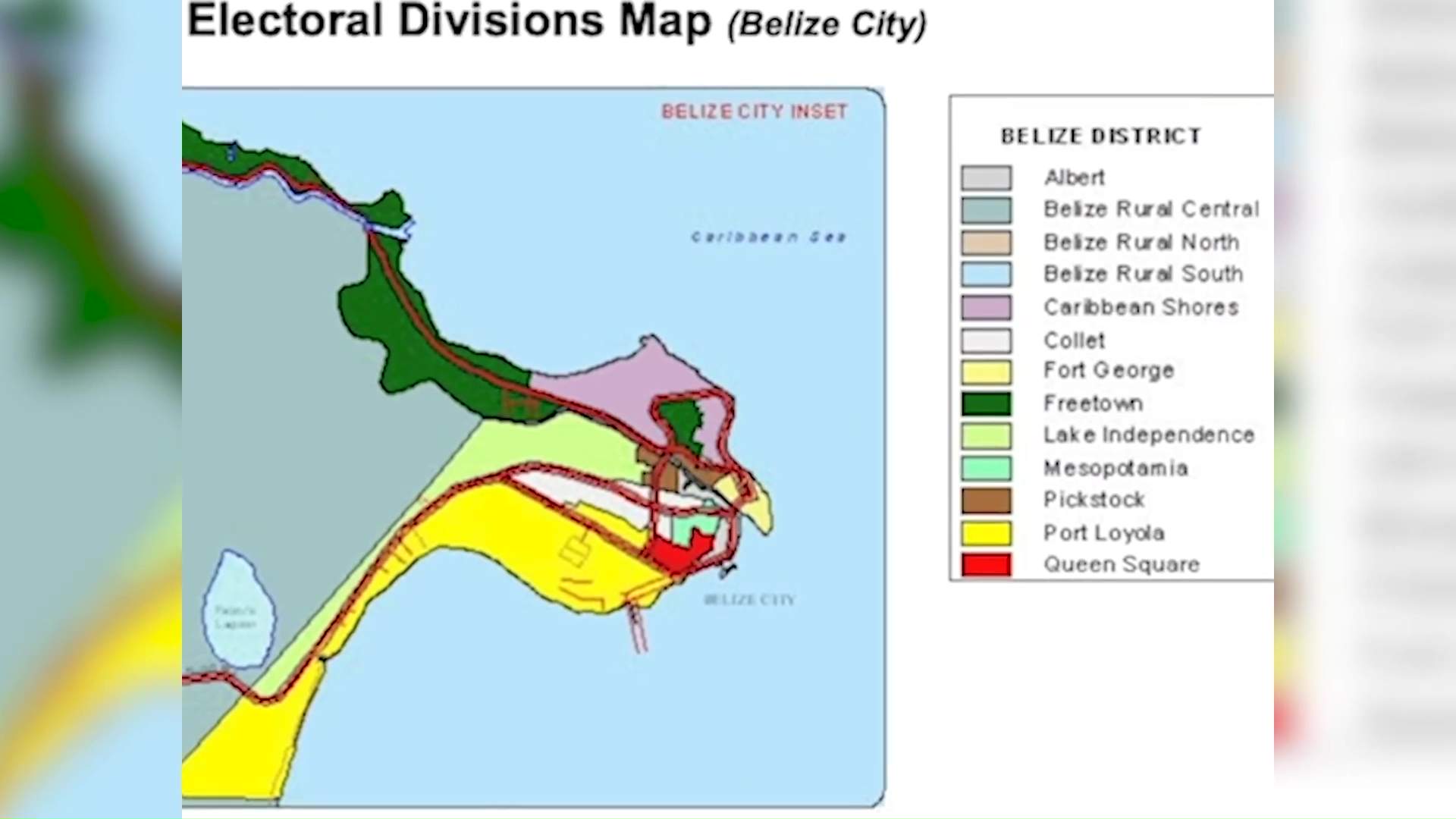
    Belizean Prime Minister John Briceño has formally recommitted to completing the nation’s long-awaited constituency redistricting process by December 2026. This constitutional mandate aims to rebalance voter representation across Belize’s thirty-one electoral districts, ensuring approximately equal population distribution in accordance with constitutional requirements.

    The redistricting initiative, stalled for multiple years despite governmental assurances, requires complex constitutional amendments alongside geographical boundary revisions. Prime Minister Briceño clarified the technical challenges during a recent address, noting constitutional ambiguities regarding seat allocation formulas and elimination procedures.

    “The constitutional framework lacks precise guidance on seat quantification, particularly concerning potential seat reductions in overrepresented regions like Belize City,” Briceño explained. He emphasized the distinction between total resident population counts versus registered voter numbers in redistricting calculations—a critical nuance requiring legislative clarification.

    The amendment process itself demands a minimum ninety-day procedural timeline once initiated. This commitment emerges against a backdrop of persistent public and political pressure to address representation disparities that have accumulated over successive electoral cycles. The government’s renewed timeline places the completion window beyond immediate electoral concerns, focusing instead on comprehensive constitutional compliance.