作者: admin

  • NIC calls on workplaces to join fight against Saint Lucia’s health crisis

    NIC calls on workplaces to join fight against Saint Lucia’s health crisis

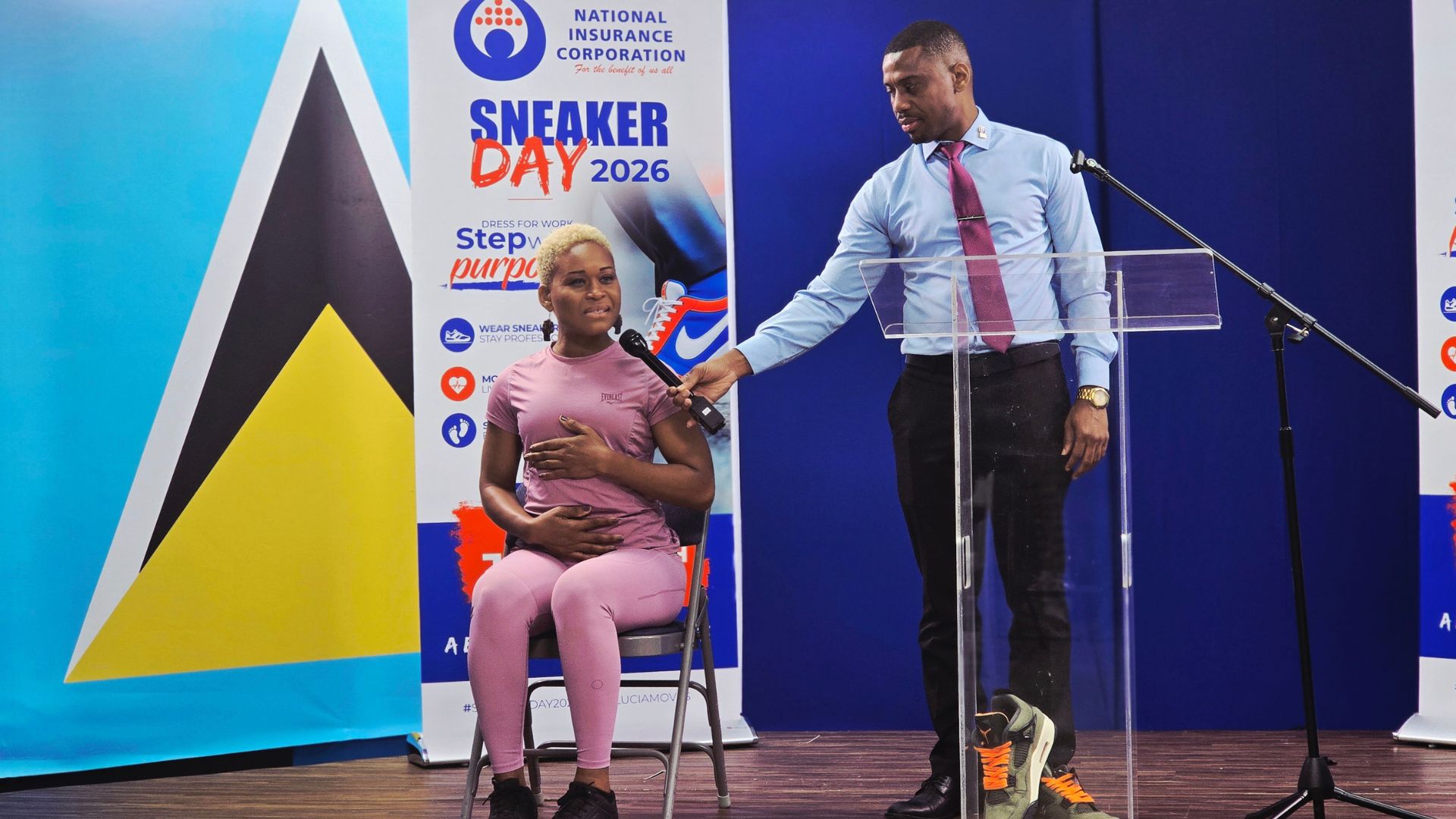
    Saint Lucia is facing a public health crisis driven by rapidly growing rates of non-communicable diseases (NCDs) including cardiovascular conditions, cancer, diabetes, and chronic respiratory illnesses, prompting the National Insurance Corporation (NIC) to issue a collective call for workplaces and community members to join a coordinated response. As island health officials confirm NCDs are responsible for 82% of all deaths on the island, the NIC is preparing to launch its annual Sneaker Day initiative on June 24 as the centerpiece of a multi-year strategy to encourage widespread adoption of healthier lifestyles and curb the growing public and financial burden of preventable chronic conditions.

    The crisis of rising NCD prevalence has left a clear imprint on the NIC’s operational data, revealing a steady upward trend that long predates the COVID-19 pandemic. Macnaughton Mc Lean, NCD Mitigation and General Wellness Programmes Manager at the NIC, shared alarming figures during the official Sneaker Day launch this week: between the 2013-2014 period and 2021-2022, the number of sickness benefit claims processed annually by the corporation more than doubled, jumping from 11,996 to 25,594. Mc Lean emphasized that while the 2021-2022 period includes some pandemic-related claims, the consistent upward trajectory of NCD-driven claims began years before the global public health emergency.

    This surge in claims has translated directly to a staggering increase in financial costs for the NIC. Over the same nine-year comparison window, total spending on sickness benefits rose from $7.4 million to $15.1 million, a more than 100% increase. If current growth rates hold, NIC projections forecast that by 2030, the corporation will handle nearly 59,000 sickness benefit claims every year, with total annual costs approaching $31 million — a financial strain that threatens the stability of the country’s social protection systems if unaddressed.

    Rather than focusing solely on reactive benefit payouts, the NIC has adopted a proactive, holistic public health strategy that targets the root causes of rising NCD rates: poor daily habits around physical activity and nutrition, paired with low public awareness of preventable risk factors. Sneaker Day, the most visible of these initiatives, invites workers and everyday residents across Saint Lucia to wear sneakers to work and during daily errands as a small, visible reminder to prioritize movement. Organizers have outlined simple, accessible changes that workplaces can adopt to cut down on sedentary time, including holding walking meetings, encouraging parking further from office entrances, and choosing stairs over elevators for short trips. The launch event even featured a live office fitness demonstration to show how easy it is to incorporate movement into workdays.

    Sneaker Day is not a standalone effort: it is part of a broad coalition of stakeholders that includes the Saint Lucia Hospitality and Tourism Association (SLHTA), the Soufriere Regional Development Foundation (SRDF), and the country’s Ministry of Health, all aligned to move the needle on NCD prevention. Beyond Sneaker Day, the NIC has partnered with SLHTA’s national culinary team on the Healthy Food Fair initiative, launched last year to share actionable nutrition guidance and promote nutrient-dense local food options that fit easily into everyday diets. On June 28, just four days after Sneaker Day, the NIC and SRDF will co-host the “Summit in Sneakers” event on Saint Lucia’s west coast, where teams from across the island will hike the Gros Piton Nature Trail to highlight the health benefits of regular outdoor activity.

    All of these community and workplace-focused events fall under the NIC’s 2023-2028 strategic work plan to reduce NCD prevalence, which also includes targeted school education programs and expanded community-based wellness outreach across the island. The initiative also aligns with the Ministry of Health’s national Saint Lucia Moves campaign, which is part of a broader regional push across the Caribbean to reverse the growing trend of lifestyle-related chronic disease and build healthier, more active populations across the region.
  • Trump vertrekt uit Beijing zonder grote doorbraken, maar met warme woorden voor Xi

    Trump vertrekt uit Beijing zonder grote doorbraken, maar met warme woorden voor Xi

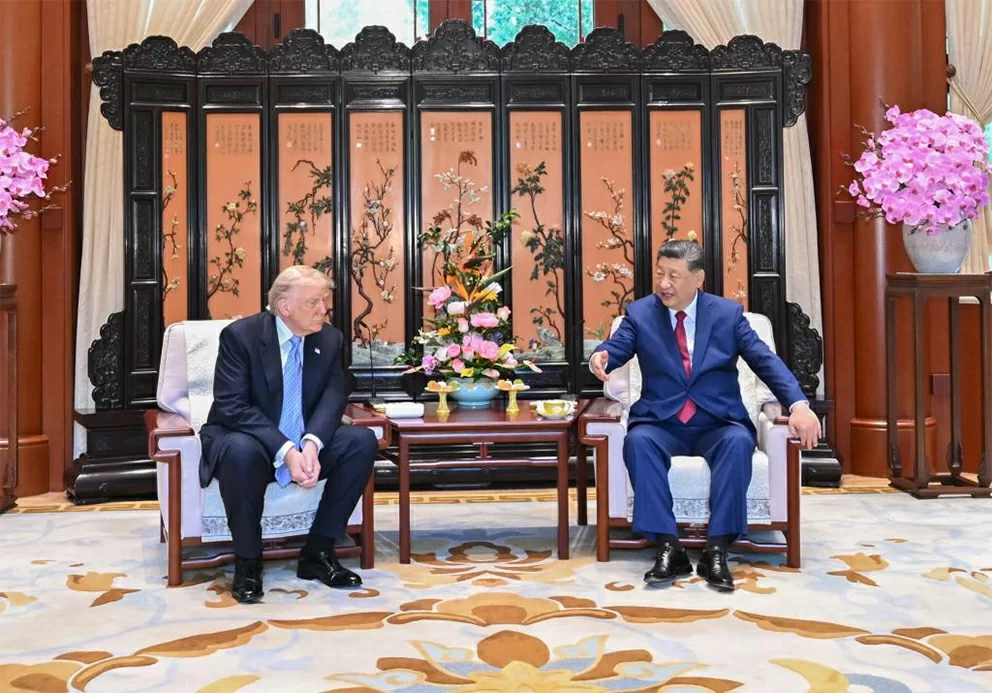
    On Friday, May 15, Chinese President Xi Jinping and U.S. President Donald Trump concluded a two-day state visit to Beijing capped with a private meeting between the two leaders. While the visit left Trump publicly praising his Chinese counterpart and calling the trip an “incredible visit” with strong long-term potential, it delivered little tangible progress on the high-stakes issues that brought the U.S. leader to Beijing, from trade cooperation to diplomatic action over the Iran war.

    Behind closed doors, President Xi issued a stark warning to Trump that mishandling the Taiwan question would push bilateral relations into “very dangerous territory,” reaffirming China’s consistent stance against any form of Taiwanese independence. Though Trump acknowledged Xi’s position on the issue, he offered no binding commitments to reverse planned U.S. arms sales to the self-governing island. The U.S. has maintained its long-standing policy of “strategic ambiguity”: it formally recognizes Taiwan as part of China while continuing to provide military support for the island’s self-defense, and Trump confirmed his administration would issue a final decision on the proposed arms deal in the near future.

    On the trade front, the only major announcement to emerge from the summit was a Chinese order for 200 Boeing commercial aircraft — a figure far smaller than the 500 jets that markets had previously anticipated. The underwhelming deal triggered a more than 4% drop in Boeing’s share price immediately after the announcement. No other major trade breakthroughs were announced, and key long-standing agenda items such as Chinese structural economic reforms and global economic governance were not addressed during the talks. This marked a notable shift from Trump’s 2017 state visit to Beijing, where such high-level economic issues occupied a central place in negotiations.

    On the topic of the ongoing war in Iran, both leaders agreed on the shared goal of keeping the Strait of Hormuz, a critical global energy chokepoint, open to commercial shipping. However, China refused to offer a concrete commitment to exert significant diplomatic pressure on Iran to move toward a peace agreement. While Beijing has formally expressed frustration with the conflict and publicly supports international peace efforts, regional analysts widely doubt that China would be willing to take a hard line against Iran, a key strategic partner that balances U.S. influence in the Middle East.

    The summit also failed to resolve uncertainty surrounding an expiring temporary trade arrangement, under which the U.S. cut import tariffs in exchange for increased Chinese exports of rare earth minerals. These materials are an essential input for U.S. semiconductor and aerospace manufacturing, and the unclear future of the trade deal leaves the issue as a persistent point of friction in bilateral economic relations.

    Political observers note that Trump entered the Beijing visit seeking to shore up his domestic political standing ahead of upcoming elections, but left with a clearer, more grounded understanding of the deep-seated challenges shaping U.S.-China ties. For his part, President Xi introduced a new framing for bilateral relations: “constructive strategic stability,” a term framed as less confrontational than the “strategic competition” framework that guided the prior U.S. administration’s approach to China.

    After their formal talks, the two leaders walked through the gardens of Zhongnanhai, China’s central leadership compound, pausing to admire the grounds’ greenery and floral displays before closing the summit with warm public remarks and a shared statement of commitment to bilateral stability. Despite the cordial public-facing tone of the visit, analysts emphasize that core disagreements over trade, Taiwan, and regional security will remain the central forces shaping the future of the world’s most important bilateral relationship.

  • Workers receive training on detecting vaccine-preventable diseases

    Workers receive training on detecting vaccine-preventable diseases

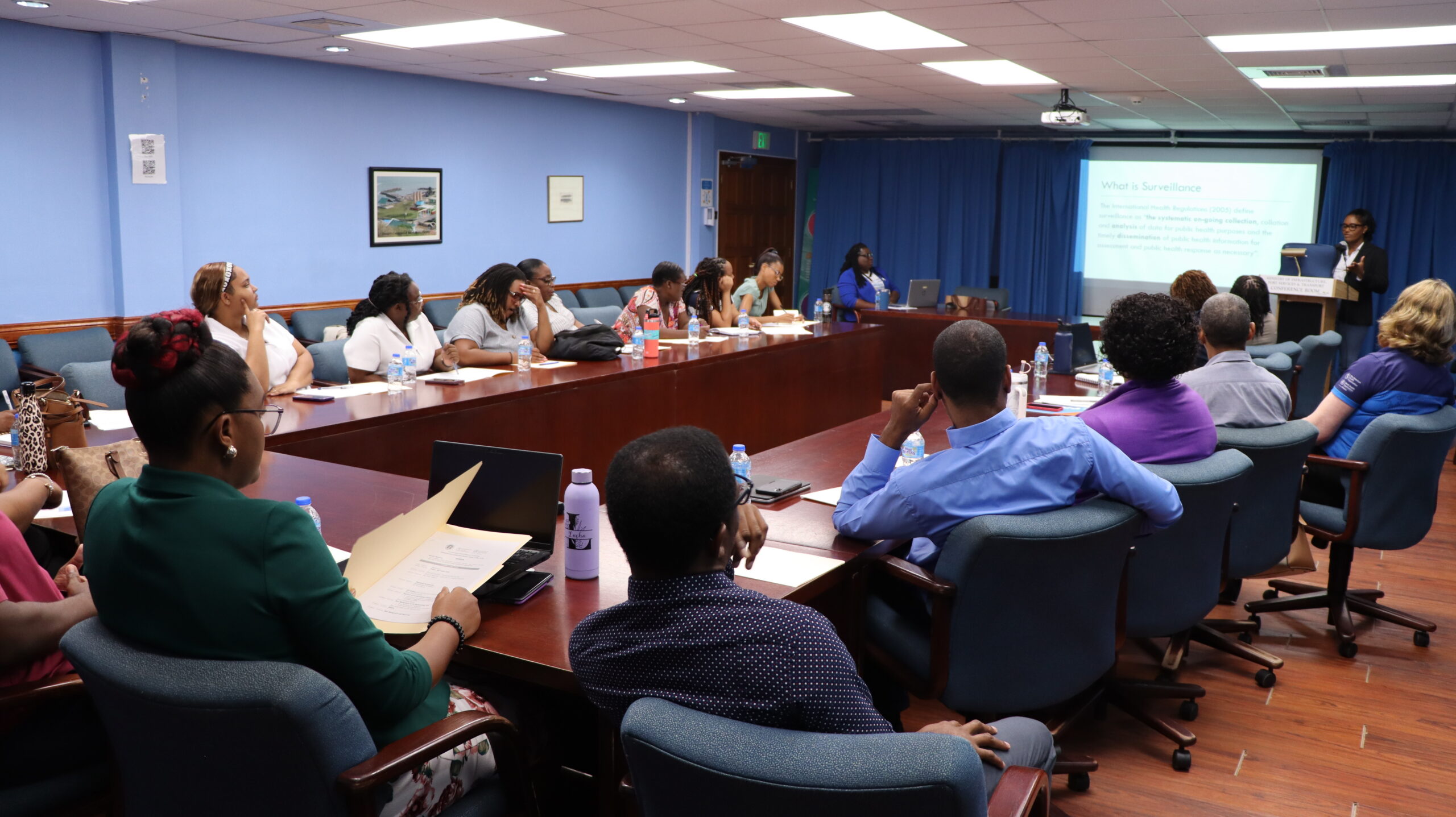
    As part of 2026 Vaccination Week of the Americas activities, Saint Lucia has launched a nationwide disease surveillance training program aimed at equipping frontline healthcare workers with the skills to detect and report vaccine-preventable diseases at their earliest stages. Organized by the country’s Ministry of Health, Wellness and Nutrition, the training sessions are being hosted at venues across the island, including the opening session held at the Ministry of Infrastructure conference room, drawing participating medical professionals from every region of Saint Lucia.

    This initiative forms a core part of the Caribbean nation’s ongoing work to boost its public health emergency preparedness and response framework, with a specialized focus on syndromic surveillance — a proactive monitoring approach that tracks clustered patient symptoms to catch emerging outbreaks before they spread widely. Beyond core surveillance techniques, participating workers also received training on modernized protocols for collecting, analyzing, and sharing surveillance data, designed to streamline reporting workflows and make critical health information more accessible for both clinical teams and the general public.

    Dr. Dana DaCosta Gomez, Medical Surveillance Officer at Saint Lucia’s Ministry of Health, outlined the program’s core objectives during the opening session, emphasizing that frontline worker competency is the backbone of effective public health action. “This training is built to strengthen the capacity of healthcare workers to accurately recognize and categorize symptoms into standard syndromes for early detection of communicable diseases,” she explained. Dr. DaCosta Gomez added that the initiative will also improve the timeliness and accuracy of reporting through the country’s Health Management Information System (HMIS), while closing gaps between national surveillance infrastructure and the nation’s Expanded Programme on Immunization (EPI).

    She stressed the irreplaceable role of frontline staff in the nation’s public health system, noting: “As frontline healthcare workers, you are the first line of contact with the public, of course, and you provide us with the information that we need. The information you provide is not just data, it is the foundation upon which public health decisions are made.”

    Regional public health partners are continuing to back Saint Lucia’s efforts to strengthen its health systems. Fiona Anthony, Country Programme Specialist for the Pan American Health Organization (PAHO) in Saint Lucia, reaffirmed PAHO’s long-term commitment to supporting the island’s public health goals. “PAHO will continue supporting the country and the Ministry of Health with surveillance, rapid outbreak response, communication, and community engagement to counter misinformation,” she said.

    Anthony added that PAHO’s support extends beyond training to broader capacity building and equitable access to immunizations. “Support will include capacity building of our health care providers, and equitable vaccine access through its revolving fund,” she explained. She also noted that the decision to host training sessions in both northern and southern districts of the island this week demonstrates the Ministry of Health’s full commitment to building a robust, nationwide surveillance network, rather than concentrating resources in just a few population centers.

    By upskilling healthcare teams across the country, Anthony explained, Saint Lucia will be far better positioned to mount fast, effective responses to a range of pressing public health threats, including vaccine-preventable diseases such as seasonal influenza and COVID-19. In the long term, the Ministry of Health projects that this targeted training will strengthen both disease surveillance and national immunization programs, creating a more resilient public health system that safeguards all communities across Saint Lucia from preventable disease outbreaks.

  • Antigua and Barbuda making big push into new tourism markets  in Middle East, Asia and Africa

    Antigua and Barbuda making big push into new tourism markets in Middle East, Asia and Africa

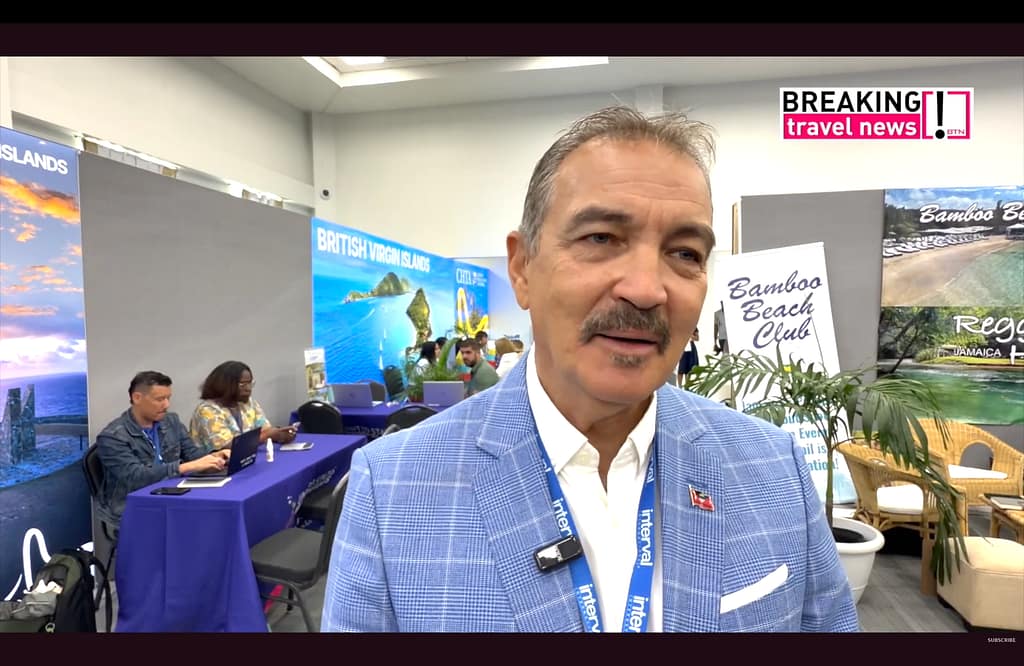
    Against a backdrop of ongoing volatility in the global travel industry, the dual-island Caribbean nation of Antigua and Barbuda is executing a targeted strategy to expand its tourism footprint, moving far beyond its traditional source markets to tap into high-growth regions across the Middle East, Asia, Africa and Latin America. Charles Fernandez, the country’s Minister of Tourism, outlined the ambitious agenda in an exclusive interview conducted during the 44th iteration of the Caribbean Travel Marketplace, where hundreds of regional and international tourism stakeholders gathered this year to discuss industry trends and partnership opportunities.

  • CIA head meets with Cuban officials during high-level visit to island

    CIA head meets with Cuban officials during high-level visit to island

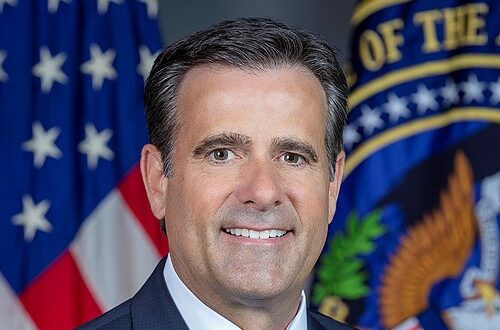
    In a rare, high-profile diplomatic encounter between two long-adversarial nations, a United States delegation headed by CIA Director John Ratcliffe traveled to Havana for official talks with Cuban government representatives on May 14, 2026. The meeting was held at the explicit request of the U.S. government, as part of ongoing efforts to sustain structured political dialogue between Washington and Havana, Cuban state authorities confirmed in an official public statement released following the closed-door discussions.

    Cuba’s revolutionary leadership granted formal approval for both the visit and the scheduled meeting between the U.S. delegation and senior officials from Cuba’s Ministry of the Interior, the statement confirmed. The talks unfolded against a uniquely challenging backdrop for bilateral relations, which have remained fraught with decades-long tensions, alongside a growing domestic crisis in Cuba that intensified just 24 hours before the U.S. delegation arrived. On Wednesday, May 13, Cuban Energy Minister Vicente de la O Levy publicly announced via state media that the island nation faced a total shortage of crude oil and diesel fuel, triggering spontaneous civilian protests in the streets of the capital just one day ahead of the scheduled diplomatic meeting.

    Throughout the negotiations, Cuban officials forcefully pushed back against longstanding U.S. claims that have placed the island on the U.S. list of state sponsors of terrorism. Cuban representatives categorically reiterated that the country poses no legitimate threat to U.S. national security, arguing there is no valid or justifiable basis for its continued inclusion on the contentious terrorism sponsorship list.

    The Cuban side reaffirmed the country’s decades-long, unwavering official position opposing all forms of international terrorism. Officials emphasized that the Cuban government and its relevant national agencies have consistently confronted and unequivocally condemned terrorism in every form and manifestation, regardless of its origin or target. Cuba further maintained that it does not harbor, provide assistance to, finance, or tolerate any terrorist or extremist organizations operating within its borders, and confirmed that no foreign military or intelligence bases operate on Cuban territory.

    “Cuba has never supported any hostile activity against the United States, nor will it allow actions against another nation to be carried out from Cuban soil,” the official Cuban statement read.

    Beyond addressing the status of the terrorism list, the talks also highlighted a shared mutual interest between both parties in expanding collaborative work between their respective security and law enforcement agencies. Officials on both sides noted that enhanced cross-border cooperation in these areas would not only improve domestic safety and security for both nations, but also contribute to broader stability across the Caribbean region and the international community more broadly.

  • Memorial held for missing fishermen at Oistins

    Memorial held for missing fishermen at Oistins

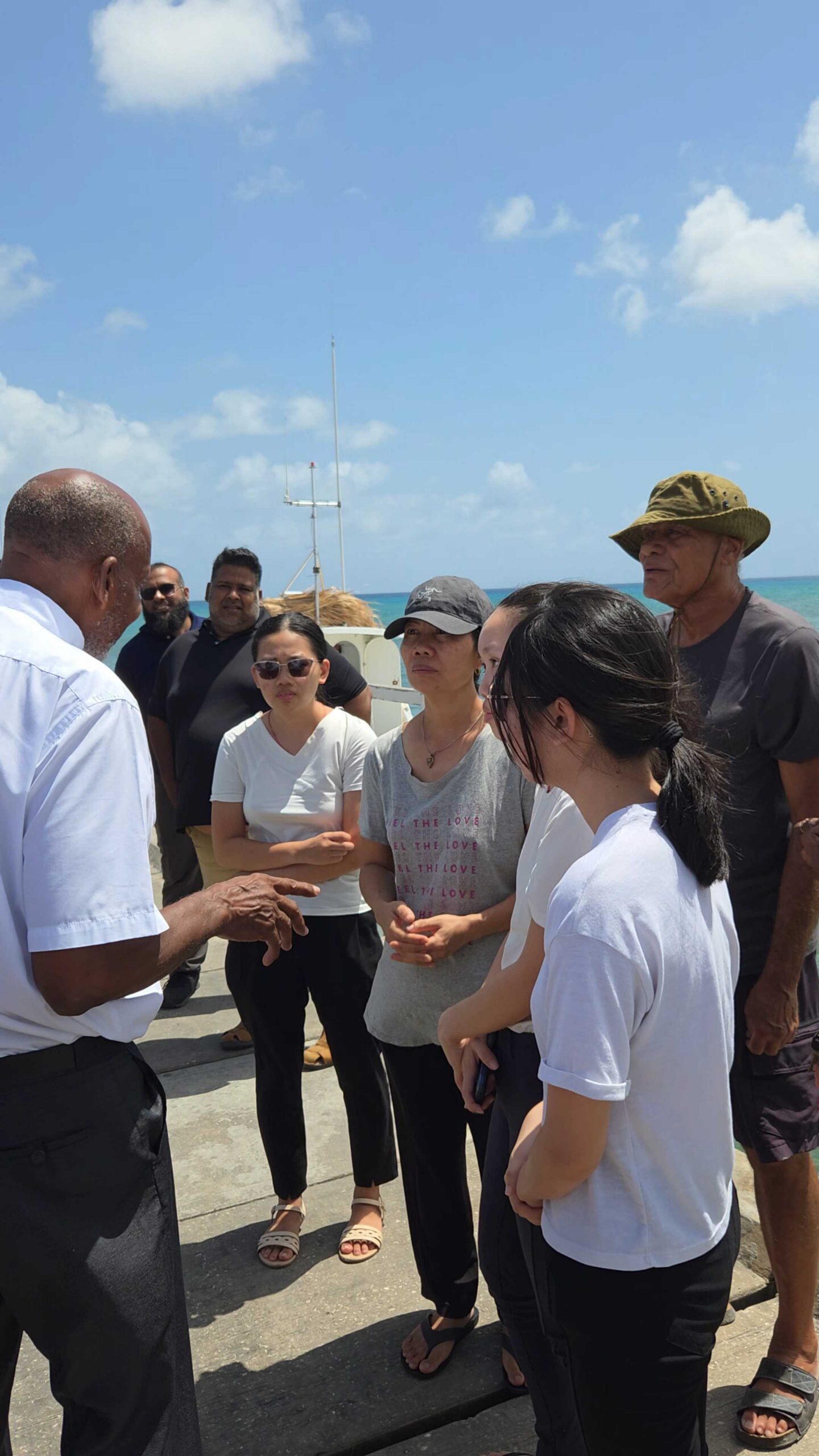
    On a windswept Thursday at Barbados’ Oistins jetty, where the Atlantic Ocean’s salt spray hung heavy in the air and waves crashed against the rocky shore, a tight-knit fishing community came together to honor two lives torn away by the sea they called work. For more than 60 days, the families of Othniel Harewood and Zhi Cai Su have clung to fragile uncertainty, even after an exhaustive, multi-agency search across regional waters turned up no trace of the two missing men. Thursday’s memorial service, steeped in maritime tradition and quiet spiritual reflection, marked a long-awaited step toward closure for a community that has always lived with the ocean’s dual nature: provider and taker.

    The somber gathering opened with a congregation of fishermen, family members, and local leaders joining in unison to sing the hymn “Lead us, Heavenly Father, lead us,” followed by scripture readings that acknowledged both the awe-inspiring wonder and unforgiving danger of the deep. In a centuries-old gesture of respect for fallen mariners, loved ones and fellow fishermen carried floral wreaths and loose flower petals to the edge of the jetty, casting them into the rolling current. The drifting blooms carried a dual meaning: a final tribute to the men’s last voyage, and a symbolic act of letting go after months of suspended grief.

    Officiating the service, Reverend Ricardo Alleyne paid tribute to the unique grit that defines men who make their living on open water. He described Harewood and Su as people of extraordinary courage and relentless perseverance, noting that fishermen set out to sea with little more than starlight for navigation and faith for comfort, all to support their families and feed their nation. “We gather to honor these two sons of the sea who have completed their last voyage,” Alleyne told the crowd. He added that while the loss has carved deep sorrow into the entire community, Barbados must celebrate the indomitable spirit of the people who put food on the country’s tables.

    Karusha Savoury, Harewood’s second daughter, spoke publicly about the pain of the past two months, and expressed heartfelt gratitude for the widespread support her family has received from the national government, the Barbados Coast Guard, and the Oistins Fisherfolk Association. Unlike many families who grieve privately, Savoury said the coordinated search effort — which included drone surveillance and regional safety alerts — gave her family a measure of peace they would not have had otherwise. “I never thought that I would have a memorial service for my father in this way,” Savoury shared. “But the service was very well planned, and I really appreciate what the fisherfolk have done and what the ministry has done to put this together to honor my father.” Speaking of the long search and the decision to hold a memorial, she added: “I’m satisfied he’s at peace, and as I say, God is in charge, not me. Whatever is God’s will is God’s will. I can’t say that I like fighting towards it, but after this period of time, whatever God does is what God does.”

    Even amid the day’s sorrow, a thread of quiet resilience and cautious hope runs through the region’s tight fishing community. Neil “Cougar” Bourne, president of the Oistins Fisherfolk Association, reminded the gathering that for seafarers, the greatest victory has never been the size of the catch — it is the safe return home to family. The interconnected nature of the Caribbean archipelago, he noted, means survival is still possible even after weeks of silence from a missing vessel. “In fishing, we don’t celebrate the catch of a fisherman, we celebrate a safe return home to his family, and that is the main thing,” Bourne explained. Acknowledging the ocean’s inherent unpredictability, he pointed to past cases of missing Barbadian fishermen who turned up alive far from home, washing up in Puerto Rico, Honduras and other distant ports. “Every fisherman, once he hasn’t sunk, I think he has a chance of surviving,” Bourne said.

    As the floral tributes drifted out with the tide, the collective feeling among the crowd was clear: whether the two men eventually find their way back to shore, or have already reached their eternal resting place, they will remain part of the fabric of Barbadian identity — tough, brave, and woven into the story of the ocean that shapes the nation. For the grieving families, the service offered a much-needed sense of release, allowing them to begin moving through their grief even as their last faint hopes of a safe return drift out with the flowers.

  • Students gain investing experience through stock market AI programme

    Students gain investing experience through stock market AI programme

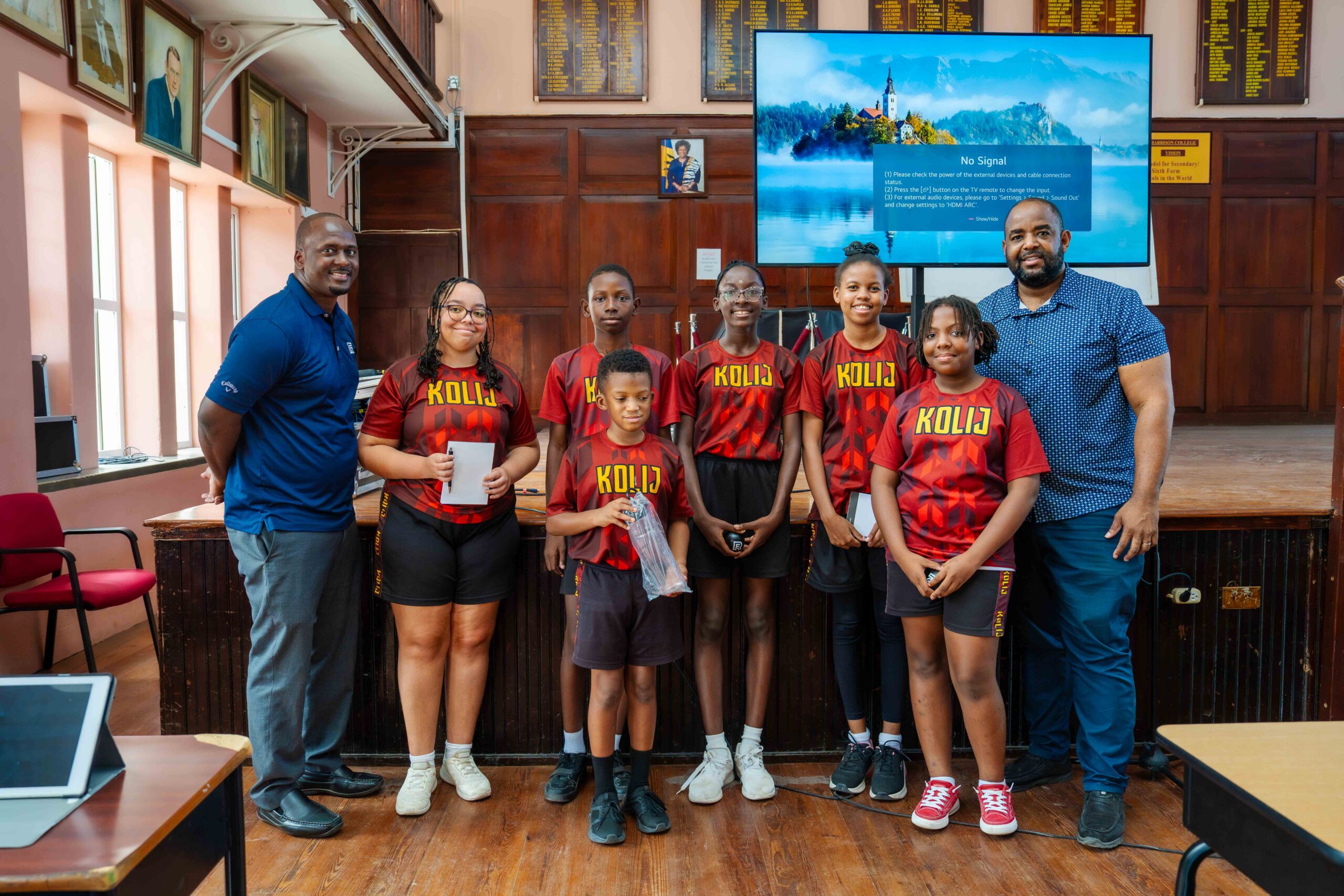
    Against a growing regional push to integrate digital learning and financial capability building for young people, RF Merchant Bank & Trust (Barbados) Limited has expanded its sponsorship of a groundbreaking AI-driven stock market simulation initiative, bringing hands-on investing education to more than 300 new students at Barbados’ Harrison College. This expansion pushes the total number of program beneficiaries under RF’s sponsorship to nearly 800 across three leading Barbadian secondary schools: Harrison College, The Lodge School, and Combermere School.

    The initiative, branded the Sustainable Stock Market Artificial Intelligence Game, is a collaborative effort between RF Merchant Bank, regional Caribbean tech firm WizdomCRM, and Barbados’ Ministry of Education Transformation, designed to close gaps in youth financial literacy across the island. To mark the launch of this latest expansion phase, the partner organizations held an interactive financial literacy school tour last Friday. Lamar Goring, senior brokerage manager at RF, joined representatives from WizdomCRM and the education ministry to lead engagement sessions with participating students, answering questions and connecting classroom learning to real-world financial contexts.

    Goring emphasized that for the bank, this program is far more than a corporate social responsibility activity—it is a long-term investment in Barbados’ next generation. “We are pleased to be supporting young Barbadians on their educational and financial journeys,” he noted. Echoing this alignment with WizdomCRM’s core mission, Goring added that RF remains committed to backing community-focused, transformative programs that empower local young people: “We share WizdomCRM’s commitment to empowering Caribbean students through tools that celebrate their unique standpoints, and we will continue to stand behind transformative initiatives like the stock market game, which uplift the communities we serve.”

    Unlike traditional textbook financial education, the AI-powered game gives students the chance to build and manage fully virtual investment portfolios tied to real local, regional, and international stock market performance. This hands-on simulation introduces core finance concepts including sustainable investing, market trend analysis, and long-term financial planning through adaptive AI learning tools that meet students at their skill level.

    Across the entire Caribbean region, the program has already reached more than 16,500 students, as education leaders and private sector partners increasingly prioritize innovative, tech-integrated approaches to closing financial literacy gaps. For WizdomCRM, the expanded partnership with RF highlights the impact of cross-sector collaboration on preparing young people for an evolving global economy. “This partnership demonstrates what becomes possible when financial institutions, education systems, and technology platforms work together with intentionality,” the company stated. “Through artificial intelligence, financial literacy, and real-world market concepts, we are not only strengthening student engagement but helping to shape a generation that is more confident, analytical, and prepared for the future of work, economic participation, and long-term national development.”

    RF’s partnership with WizdomCRM first launched in October 2023, during global World Investor Month, with an initial sponsorship covering participating students at The Lodge School and Combermere across consecutive program cycles. The addition of Harrison College extends the initiative’s reach to one of Barbados’ most prominent secondary institutions, at a time when both financial literacy and digital education are rising on regional policy and development agendas. The launch tour also aligned with the conclusion of global Financial Literacy Month, observed each April, and forms a core component of RF’s broader organizational strategy focused on youth empowerment and measurable community impact.

  • Former minister Dr Adis King commends nurses for compassionate service

    Former minister Dr Adis King commends nurses for compassionate service

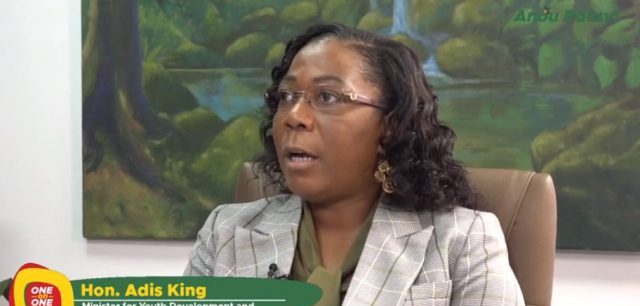
    International Nurses Day, a global observance honoring the contributions of frontline healthcare workers, drew a standout tribute this year from former government minister Dr. Adis King at a special ceremony hosted by the Dominica-China Friendship Hospital (DCFH). Dr. King used the occasion to shine a well-deserved spotlight on the often-overlooked work of nurses who dedicate their careers to serving local communities, even when working through challenging, high-pressure conditions. In her opening remarks, she framed the day as a collective celebration of the nursing profession’s core values: daily commitment to putting patients first, quiet resilience that rarely seeks public recognition, and consistent courage in the face of medical uncertainty. Dr. King pointed out a common public misperception around healthcare: when most people visualize the medical system, their first thoughts turn to physicians, life-saving drugs, cutting-edge diagnostic technology, and modern hospital infrastructure. But for anyone who has navigated a serious illness or medical crisis, she argued, it is the attending nurse that becomes the constant, reassuring presence through every moment of instability and fear. Dr. King went on to outline the many, often unacknowledged roles nurses fill that extend far beyond formal medical protocols. They are the clinicians at a patient’s bedside in the darkest hours of the night, the first providers to catch subtle, life-threatening changes in a patient’s condition that others may miss, the comforting presence for a scared mother facing a child’s diagnosis, the steady voice that calms worried family members waiting for updates, the strongest advocate for frail elderly patients who cannot speak up for themselves, and the encouraging cheerleader for children working through recovery. Beyond delivering prescribed medical treatments, Dr. King emphasized, nurses infuse the entire care process with human compassion and connection—a quality that can change the entire trajectory of a patient’s experience and outcome. To ground her remarks in local observation, Dr. King specifically called out the work of nursing teams on DCFH’s Glover and Imray Ward, where she has directly witnessed how central skilled, dedicated nursing staff are to achieving positive patient outcomes. She stressed that high-quality nursing care is a life-saving intervention every single day, not just a supporting role to physician care. A trained, attentive nurse can spot early signs of patient deterioration long before it escalates into an emergency crisis, she noted, and an experienced nurse’s constant vigilance is one of the most effective tools to prevent avoidable medical complications. Closing her tribute, Dr. King added that a nurse driven by genuine passion can meaningfully speed up a patient’s recovery through little more than genuine reassurance, empathetic listening, and consistent emotional support—qualities that no amount of advanced medical technology can replace.

  • YEEP Expands Second-Chance Programme With Four New Subjects

    YEEP Expands Second-Chance Programme With Four New Subjects

    A life-changing second-chance education initiative serving people across Antigua and Barbuda is growing its reach to open more doors for upskilling and professional advancement. The Youth Education and Empowerment Programme, a government-supported effort designed to re-engage learners who left the formal K-12 education system and support working adults seeking better career opportunities, will roll out four entirely new subject areas when the 2026–2027 academic year kicks off.

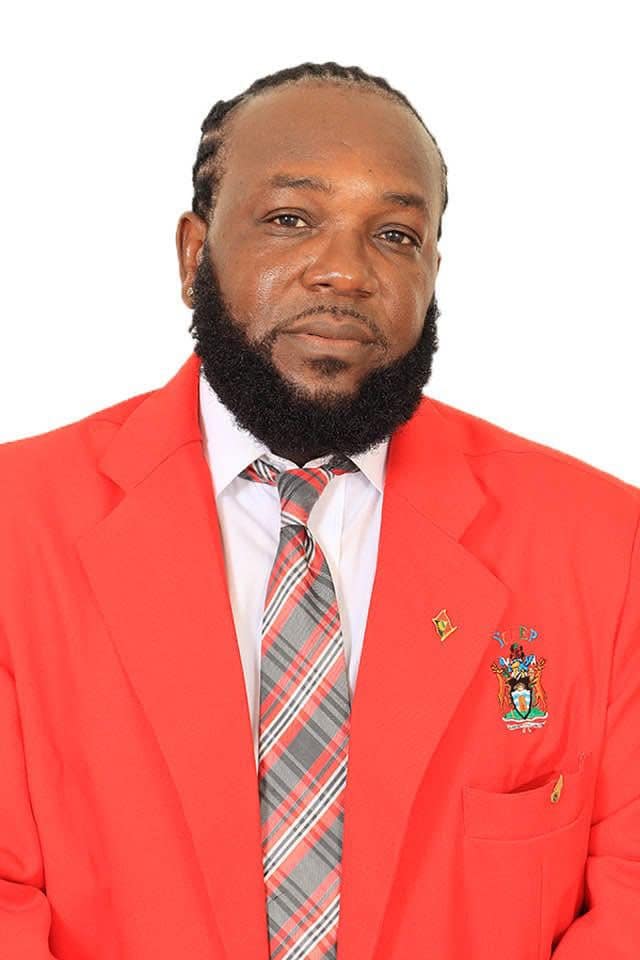
    Dr. Troy Allen, the executive director of YEEP, made the official announcement of the curriculum expansion earlier this week, confirming that four high-demand, practical subjects will join the programme’s existing course lineup: Spanish, Theatre Arts, Adult Literacy, and Financial Literacy. Each addition was selected to address unmet needs among the programme’s diverse learner base, from foundational skill-building for adults who never mastered basic reading and writing to practical financial knowledge that supports long-term economic stability, and creative skill development for students pursuing arts-related careers.

    For prospective students hoping to enroll in either the new subjects or any of YEEP’s existing courses, registration is already open and accepting applications. Programme organizers noted that the expansion reflects the government’s ongoing commitment to closing equity gaps in education and boosting national employability by giving all residents access to affordable, flexible learning opportunities.

    Since its launch, YEEP has emerged as a cornerstone of Antigua and Barbuda’s national education strategy, specifically tailored to support individuals who were unable to complete their education through traditional schooling pathways, or who already hold basic qualifications but want to upgrade their skills to compete for higher-wage jobs. Thousands of residents have already completed programmes through the initiative, with many going on to secure full-time employment or advance in their current careers. The latest curriculum expansion is expected to draw hundreds of new enrollees when the academic year begins.

  • Notities uit de behandelkamer: Goede zorg spreekt Nederlands en Sranan Tongo

    Notities uit de behandelkamer: Goede zorg spreekt Nederlands en Sranan Tongo

    The shortage of healthcare workers in Suriname is no longer a topic for abstract policy debate — it is a daily reality affecting care delivery across the country. Wards operate at minimum staffing levels, patient wait times continue to climb, and the existing workforce faces ever-growing burnout and pressure. The root causes of this crisis are already well-documented: large-scale outflow of local healthcare professionals to work abroad, limited inflow of new young workers entering the sector, and a steadily rising demand for health services across the population.

    Against this backdrop, recent government initiatives to recruit foreign healthcare workers to fill gaps are both understandable and necessary. Without this urgent intervention, the continuity of essential care across the country would face severe, immediate risk. The Surinamese healthcare system simply cannot afford a standstill in service delivery when it is already stretched thin.

    Even as policymakers turn to foreign recruitment to address immediate shortages, preventing further brain drain of Suriname’s existing healthcare workforce must remain the top long-term priority. Building a sustainably strong healthcare system will never depend solely on attracting new workers; above all, it requires retaining the skilled professionals who already work within the national system. As such, foreign recruitment should be treated as one component of a broader, long-term strategy to strengthen care, not a permanent, stand-alone solution to the staffing crisis.

    Sustainable, high-quality healthcare demands more than just sufficient headcount. It also relies on effective, clear communication between care providers and their patients. In Suriname, most care is delivered in two dominant languages: Dutch and Sranan Tongo. These are the languages patients use to describe their symptoms, ask questions about treatment, and understand clinical guidance from their providers.

    When a healthcare worker does not have sufficient proficiency in these two languages, it creates a fundamental barrier to safe, effective care. While a foreign provider may complete clinical procedures correctly from a technical standpoint, core elements of quality care remain incomplete without clear, shared communication. Treatment instructions can be misinterpreted, critical symptoms can go underreported, and patients may develop unnecessary uncertainty or distrust in their care.

    This observation is not a criticism of foreign healthcare workers, who already make a valuable, much-appreciated contribution to Suriname’s healthcare system. Rather, it is the responsibility of Surinamese society as a whole to create the conditions that allow these new providers to function optimally in the local context.

    To address this gap, language proficiency in Dutch and Sranan Tongo must be made a structured, mandatory component of the integration process for all foreign recruited healthcare workers. A required language course, paired with a standardized proficiency assessment to confirm competence, is a logical, pragmatic first step to implement this standard.

    At the same time, a realistic transition framework is needed to avoid delaying urgent care. Providers who have already started working or are needed to fill immediate critical gaps should be allowed to begin their roles immediately, on the condition that they demonstrate the required language proficiency within a set timeframe, for example, one year from their start date.

    This requirement is not an unnecessary barrier to recruitment — it is an investment in better care and better integration. It not only boosts the overall quality of care delivered to Surinamese patients, but also helps foreign healthcare workers integrate more smoothly into Surinamese society and their local workplaces.

    Beyond healthcare, this structured approach to language proficiency can also be applied more broadly to Suriname’s immigration policy. Just as in many other countries, a structured integration pathway that includes foundational language training supports stronger social integration, more effective public service delivery, and greater overall social cohesion across diverse communities.

    Suriname currently faces the urgent challenge of building a truly sustainable, high-performing healthcare system. Recruiting foreign healthcare workers is an important immediate step to address critical gaps, but long-term strengthening also requires targeted structural investments in communication, integration, and consistent quality improvement.

    The future of Suriname’s healthcare system will not be measured only by how many care providers are available to treat patients. It will ultimately be defined by how well those providers can connect with the communities they serve — understanding patient needs, and being understood in return.