作者: admin

  • “St. Kitts and Nevis Will Not Be Exposed To Criminals” – Prime Minister Drew

    “St. Kitts and Nevis Will Not Be Exposed To Criminals” – Prime Minister Drew

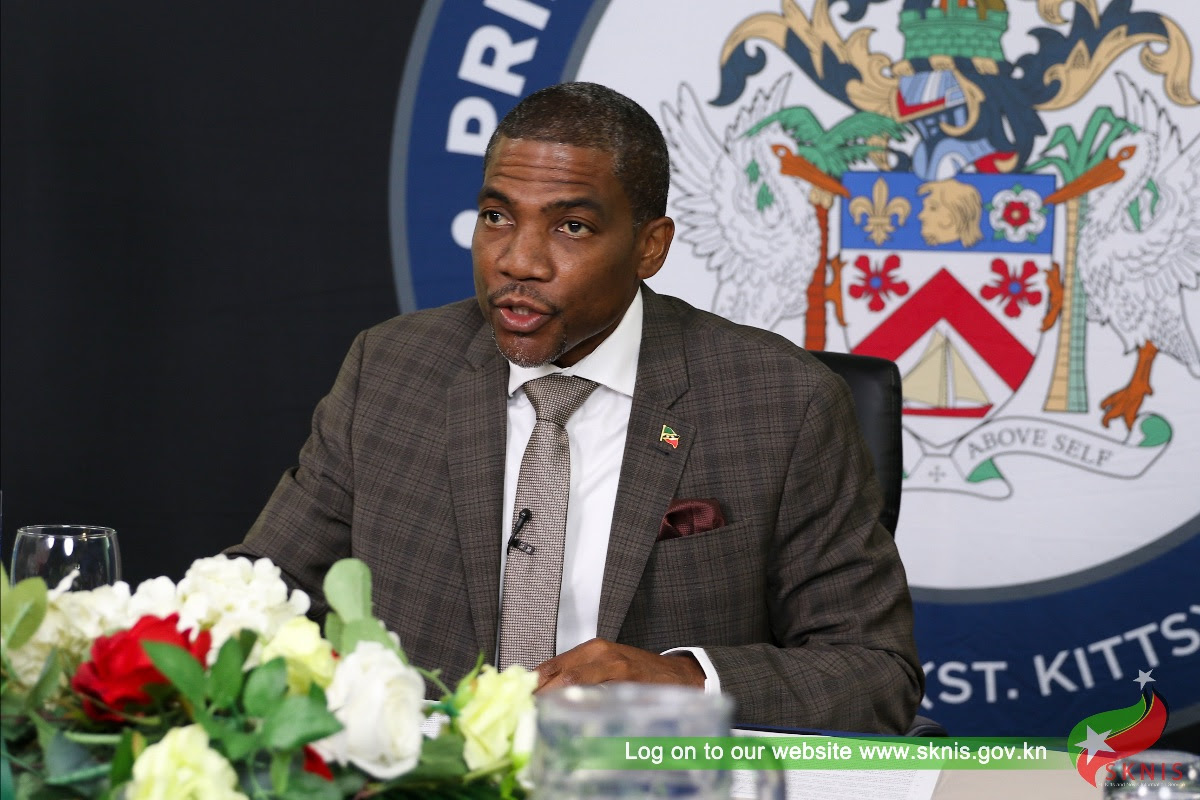
    St. Kitts and Nevis Prime Minister Dr. Terrance Drew has moved to ease public anxiety over the country’s bilateral migration cooperation arrangement with the United States, emphasizing that rigorous multi-layered screening protocols are in place to block any individuals with criminal backgrounds from entering the federation.

    The Prime Minister addressed widespread public questions about the transfer program during his monthly Prime Minister’s Round Table briefing held July 16, clarifying key details of the agreement that applies to all Caribbean Community (CARICOM) member state nationals. He stressed that St. Kitts and Nevis retains full, unilateral authority to reject any individual who fails to meet the country’s strict national security requirements, upholding the small island nation’s sovereign decision-making power over its borders.

    Dr. Drew confirmed that earlier this year, the federal government finalized arrangements to accept three CARICOM nationals being transferred from U.S. custody, a transfer first formally announced by the government in May 2026. He pushed back against circulating public speculation that the transferred individuals had been convicted of crimes, explaining that their removal from the U.S. was tied exclusively to civil immigration violations, not criminal convictions.

    Before any transfer is approved, every individual undergoes a full, multi-agency assessment covering criminal background checks, immigration eligibility, medical screenings and national security vetting, the Prime Minister explained. U.S. authorities share all available biographical, medical and criminal history data with St. Kitts and Nevis’ national security, immigration and law enforcement teams ahead of any planned transfer, to allow for a full review. The existing memorandum of understanding governing the arrangement explicitly prohibits the transfer of any individual convicted of violent felonies or sexual offenses, eliminating the risk of such individuals entering the country.

    “These are not criminals. We have no reason to lock them up or anything like that,” Dr. Drew told attendees of the briefing. He added that if post-transfer information emerges that shows an individual does not meet the agreement’s eligibility terms, the federal government is prepared to take immediate and appropriate action to protect public safety. “There will be measures taken to ensure that St. Kitts and Nevis is not exposed to any criminals,” he reaffirmed.

    The Prime Minister also noted that the International Organization for Migration (IOM) has played a key independent role in the transfer process, providing third-party oversight to confirm all proceedings align with international law, global humanitarian standards and protections for the human rights of transferred individuals.

    On the topic of program costs, Dr. Drew clarified that all expenses related to transferred individuals – including housing, food, clothing, healthcare and other basic essential needs – are covered outside of the St. Kitts and Nevis government budget. “I can say broadly that one, it didn’t cost St. Kitts and Nevis one cent, and two, we made sure that the basics were covered for these people,” he said. Cost assessments are conducted on a case-by-case basis to account for varying individual needs.

    Dr. Drew framed the transfer program as a measured effort to balance the country’s international and regional cooperation obligations with its core legal duty to protect the domestic security and national interests of St. Kitts and Nevis. He closed by offering a public assurance that the government will maintain full transparency around the arrangement, and will continue to apply the same strict immigration, security and law enforcement procedures to every individual considered for transfer under the bilateral agreement.

  • Ministry warns about psychoactive substances during Carnival

    Ministry warns about psychoactive substances during Carnival

    As the annual Lucian Carnival enters its final stretch, public health and law enforcement authorities in Saint Lucia have issued an urgent public safety alert over a sharp uptick in unregulated illegal drug and psychoactive substance use among event attendees. The warning comes as medical providers across the island have reported a surge in patients presenting with dangerous drug-related symptoms over the course of the festivities.

    The Secretariat of the Substance Abuse Advisory Council, the body leading public awareness efforts for this issue, is specifically calling on carnival-goers to familiarize themselves with the risks posed by popular illicit party drugs including Molly and ecstasy. Health experts emphasize that these unregulated, illegal substances carry severe, potentially life-threatening health risks, with common adverse reactions ranging from acute shortness of breath and disorientation to crippling, intense anxiety.

    Natasha Lloyd-Felix, the coordinator of the Substance Abuse Advisory Secretariat, has urged all participants in this year’s celebrations to prioritize personal and community safety, and to look out for fellow revelers throughout the final events. “As you and your group enjoy the festivities, we ask that you remain vigilant with your drinks and stay alert for the well-being of those around you,” Lloyd-Felix stated in a public briefing.

    Over the past several days, frontline medical professionals, first responders, and emergency room physicians across Saint Lucia have submitted multiple reports of patients exhibiting the specific symptoms linked to the use of dangerous psychoactive substances, Lloyd-Felix confirmed. “If you notice any of those symptoms, whether with a member of your group or yourself, it’s important to seek immediate medical attention at one of our nearest health facilities,” she added.

    Lloyd-Felix noted that all official carnival events have on-site medical stations staffed with professionals ready to provide urgent care for anyone experiencing adverse effects from substance exposure. She also reminded revelers to stay close to their companions, keep an eye on their beverages at all times, and take proactive steps to reduce the risk of drink spiking or unwanted exposure to psychoactive substances.

    The current warning follows a series of drug-related arrests made by Saint Lucian police during last year’s Lucian Carnival. In one high-profile case from 2023, a 33-year-old individual was apprehended in possession of multiple packets of ecstasy, Molly, and cannabis resin, and ultimately faced multiple criminal charges including drug possession with intent to supply the controlled substances to others.

    In Saint Lucia, all regulations around controlled substances are outlined in the *Drugs Prevention of Misuse Act*, which classifies possession of banned illicit substances as a serious criminal offense carrying significant legal penalties. Law enforcement has echoed the public health alert, reminding all attendees to enjoy the end of the Lucian Carnival celebrations responsibly and comply fully with national drug laws.

  • Barbados extend lead, ahead of Round Four of CWI U19 competition

    Barbados extend lead, ahead of Round Four of CWI U19 competition

    The 2026 Cricket West Indies (CWI) Rising Stars Under-19 50-Over Championship has entered its early competitive phase, with defending champions Barbados cementing their dominance at the top of the rankings after three consecutive unbeaten matches. The Caribbean side pulled further ahead of their rivals following a dominant 63-run win over Guyana, pushing their total points to 22 and stretching their gap over the second-placed team from 2.6 points to a comfortable 6.2-point advantage.

    While Barbados continues to set the pace in the youth tournament, the biggest shakeup of the third round came in the lower top ranks, as the Leeward Islands delivered a standout performance to climb the table. A commanding 144-run victory over the Windward Islands propelled the side from third to second place, with a total of 15.8 points. Jamaica also made significant upward progress, after securing a win against Trinidad and Tobago, which pushed them into third position on 12.6 points. Their higher net run rate proved the deciding factor, despite Trinidad and Tobago finishing the round with the same points total, dropping the pre-round second-placed side to fourth.

    At the lower end of the table, the Windward Islands and Guyana remain winless after three matches, holding fifth and sixth place on 3.8 and 3.6 points respectively, as both sides continue to chase their first victory of the tournament.

    Off the team rankings, individual contests for top batting and bowling honors are already intensifying as players compete for personal accolades alongside team success. Barbados captain and opening batter Gadson Bowens retains his position as the tournament’s leading run-scorer, with Leeward Islands opener Tanez Francis staying locked in second place on the run aggregates table. Barbados batter Jordan Graham joined the top three after a match-defining innings against Guyana: his calm, composed 78 runs off 101 deliveries not only powered his side to victory but also pushed him to third in the overall run-scoring rankings.

    In the race for the tournament’s leading wicket-taker, Daniel Holder, Trinidad and Tobago’s left-arm fast bowler, remains out in front with a total of nine wickets after three rounds. Jamaica medium pacer Jahdae Moore produced a spectacular bowling performance against Trinidad and Tobago, taking three wickets for just ten runs, which lifted his tournament tally to eight wickets. That haul matches that of Leeward Islands seamer Matthew Miller, leaving the two players tied for second place in the wicket-taking rankings.

    A key factor shaping the current standings is the championship’s bonus points system, which has already had a major impact on how teams rank after three rounds. Barbados has accumulated 10 bonus points to go alongside its three outright match wins, contributing heavily to its wide lead at the top. For the Leeward Islands, their climb to second place has also been boosted by the bonus point system, with 7.8 additional points helping the side overtake higher-ranked opponents ahead of the next rounds of play.

    Final Updated Standings After Round Three:
    1. Barbados – 22 points
    2. Leeward Islands – 15.8 points
    3. Jamaica – 12.6 points
    4. Trinidad and Tobago – 12.6 points
    5. Windward Islands – 3.8 points
    6. Guyana – 3.6 points

  • Cricket legend Sir Garfield Sobers dies at 89

    Cricket legend Sir Garfield Sobers dies at 89

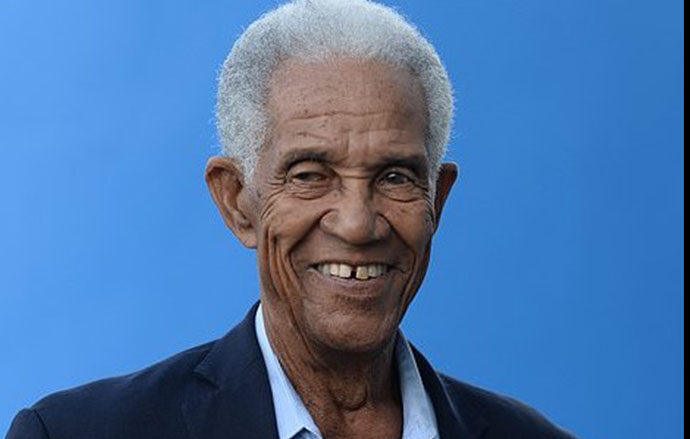
    The global cricket community is mourning the loss of one of its most iconic figures, as news confirms that Sir Garfield Sobers, the National Hero of Barbados widely celebrated as the greatest cricketer in history, has passed away at his residence at the age of 89 after a prolonged battle with illness. Reliable sources close to the matter shared with Barbados TODAY that the legendary all-rounder drew his final breath shortly after 9 a.m. local time on Friday.

    Sobers’ decorated international career spanned two decades, from 1954 to 1974, where he represented the West Indies cricket team at the highest level of the sport. One of his most enduring records came in 1958, when he scored an unbeaten 365 runs against Pakistan in a Test match – a mark that stood as the highest individual score in Test cricket for more than 36 years. Across his 93 Test matches, Sobers delivered extraordinary all-round performance, amassing a total of 8,032 runs at an impressive average of 57.78, while also claiming 235 wickets with an average of 34.03, cementing his status as one of the sport’s most complete players.

    Beyond his Test achievements, Sobers made cricket history in 1968, during his tenure as captain of English county side Nottinghamshire. Facing Glamorgan in a first-class fixture, he became the first batsman ever to hit six consecutive sixes from a single over, a feat that remains one of the most celebrated moments in cricket folklore. After retiring from international cricket in 1974, Sobers received one of the highest honors in the British honors system when he was knighted by Queen Elizabeth II in 1975 in recognition of his transformative contributions to global cricket.

    Tributes are expected to pour in from across the world in the coming days, as cricket fans, current players, and sporting institutions honor the legacy of a man who redefined what was possible on the cricket field and inspired generations of athletes.

  • De Surinaamse Effectenbeurs: ontwikkelingen in het eerste halfjaar van 2026

    De Surinaamse Effectenbeurs: ontwikkelingen in het eerste halfjaar van 2026

    After two years of rapid expansion across 2024 and 2025, the Suriname Stock Exchange (SSX) has extended its upward trajectory into the first six months of 2026, though growth has slowed from the breakneck pace of prior periods, new market data shows. In a mid-year review of the country’s leading equities and bonds platform, analyst Stephen Smit breaks down key performance indicators to map the exchange’s evolving landscape. By the end of June 2026, the SSX benchmark index had climbed 7% year-over-year from its 2025 close of 137,645, reaching 147,526. For stock-only trading, total turnover hit 2.038 million Surinamese dollars (SRD) in the first half of 2026, compared to 7.456 million SRD for the full 2025 calendar year, confirming that the explosive expansion of the prior two years has softened to a more moderate rhythm. A notable development that has reshaped the exchange’s activity came in May 2025, when SSX added trading for Staatsolie N.V. corporate bonds denominated in both U.S. dollars and euros, expanding beyond its traditional core of equity trading. The new bond segment has quickly gained traction among investors: in 2025, total USD-denominated bond trading hit 132,500 USD, while just the first half of 2026 already saw 217,600 USD in bond turnover plus an additional 47,000 EUR in trades. When including these bond volumes, SSX’s total combined turnover for the first half of 2026 jumps by more than 10 million SRD, reaching approximately 12 million SRD overall. The performance of the new bond segment confirms that SSX has built a robust, functional platform for fixed-income trading, according to the analysis. SSX operates trading sessions twice per month, resulting in 12 total trading days in the first half of 2026, with recorded trading activity on every single session. Breaking down equity trading volumes, the most heavily traded share by unit count was DSB, with 3,232 units changing hands, followed by CIC with 1,523 units. By frequency of trading, Assuria shares recorded activity on all 12 trading sessions, leading all listed equities, while CIC shares traded on 8 sessions. Five listed funds saw no trading activity at all in the first half of 2026: Elgawa, Torarica, Varossieau, VSH Foods and VSH United. Across all listed equities, a total of 5,461 units were traded in the opening six months of the year. When looking at share price performance, Torarica once again claimed the top spot for annual growth, posting a 68% price increase year-over-year since the end of 2025, following an even more dramatic 280% gain in 2025. Notably, despite this steep price appreciation, no Torarica shares changed hands in the first half of 2026. Full, updated price data for all listed shares as of the end of June 2026 is published via the exchange’s official website. SSX follows a transparent publishing routine, posting a full market bulletin with updated trading activity and price data immediately after every trading session on its official website at www.surinamestockexchange.com.

  • Cricket legend Sir Garfield Sobers dies at 89

    Cricket legend Sir Garfield Sobers dies at 89

    The global cricket community is mourning the loss of one of its most iconic and trailblazing figures, National Hero of Barbados the Right Excellent Sir Garfield Sobers, who passed away at his residence at the age of 89 following a prolonged illness. Reliable sources close to the matter confirmed to Barbados TODAY that the universally acclaimed greatest cricketer in history drew his last breath shortly after 9 a.m. local time on Friday.

    Sobers’ legendary international career spanned 20 years, from 1954 to 1974, during which he represented the West Indies cricket team at the highest level of the sport, leaving an indelible mark on Test cricket that still influences the game decades after his retirement. In 1958, Sobers etched his name into the record books by posting an unbeaten individual score of 365 runs against Pakistan, a landmark achievement that stood as the highest Test score in men’s international cricket for more than 36 years.

    Across his 93 Test matches, Sobers delivered extraordinary all-round performance: he accumulated a total of 8,032 runs at an impressive batting average of 57.78, and claimed 235 wickets with a bowling average of 34.03, cementing his reputation as one of the most versatile talents the sport has ever seen. His list of groundbreaking achievements also includes a historic first in 1968, when he became the first batsman in the history of first-class cricket to hit six sixes from six consecutive deliveries in a single over, during a match where he captained Nottinghamshire against Glamorgan.

    Shortly after bringing his decorated international career to a close, Sobers received one of the highest honors in British honors systems when he was knighted by Queen Elizabeth II in 1975 in recognition of his transformative contributions to cricket. Beyond his statistical achievements, Sobers redefined what it meant to be an all-round cricketer, inspiring generations of players across the Caribbean and around the globe, and his legacy will continue to shape the sport for decades to come.

  • JetBlue to End Antigua Service in October as Airline Reshapes Network

    JetBlue to End Antigua Service in October as Airline Reshapes Network

    U.S.-based low-cost carrier JetBlue Airways is set to cease all operations to Antigua and Barbuda by the end of 2026, marking a complete exit from the Caribbean destination as part of a strategic network reallocation to grow its Fort Lauderdale, Florida hub, multiple aviation industry publications have reported.

    Per internal company correspondence first obtained by aviation outlet The Points Guy, the airline’s final scheduled flights connecting the U.S. to V.C. Bird International Airport will depart and arrive on October 31, 2026. After that date, JetBlue will permanently stop serving the destination. This move is not an isolated cut, but a core component of the carrier’s broader JetForward business strategy, which centers on boosting long-term profitability and cementing JetBlue’s market position in its highest-priority geographic hubs.

    Industry outlet Aviation Week independently confirmed that the Antigua route is among several underperforming or low-priority destinations being cut to free up aircraft and crew resources. While JetBlue has not released a formal public statement specifically addressing its withdrawal from Antigua and Barbuda, the airline has verified its broader network restructuring plans to U.S. aviation media. A check of the carrier’s online booking system also shows no available reservations for Antigua flights after October 31, 2026, aligning with the details of the leaked internal memo.

    Per reporting from The Points Guy, customers who have already booked tickets for travel beyond the exit date will be contacted directly by JetBlue. The airline will offer either rebooking on alternative carriers or full refunds for the canceled reservations.

    JetBlue first entered the Antigua market in 2015, as part of a wider push to expand its Caribbean route network. For nearly a decade, it operated primarily nonstop service between New York’s John F. Kennedy International Airport and V.C. Bird International Airport, bringing additional competition to the U.S.-Antigua travel market. JetBlue’s exit will reduce choice for consumers and tighten competition on routes connecting the Caribbean nation to the United States. At this stage, it remains unclear whether other airlines operating in the region will step in to add extra capacity to fill the gap left by JetBlue’s departure.

  • BCEN backs moves on pricing, questions consumer protection effort

    BCEN backs moves on pricing, questions consumer protection effort

    A leading consumer advocacy organization in Barbados has thrown its weight behind the government’s planned review of corporate transfer pricing practices, a key policy move targeting the island nation’s persistent high cost of living, while pushing back against the government’s characterization of consumer protection as centered largely on conservation-focused public outreach.

    On Wednesday, Minister of Commerce and Consumer Affairs Kerrie Symmonds outlined the government’s dual-pronged strategy to rein in soaring living costs: cracking down on potentially abusive internal pricing among supermarket chains, paired with a national campaign to encourage household resource conservation. Transfer pricing, the practice by which connected divisions of a single corporate entity set prices for internal exchanges of goods and services, has been flagged as a hidden driver of inflated retail grocery prices in Barbados. When a single corporate group controls every step of the supply chain – from importation to distribution to retail sales – it can layer additional markups at each internal transaction, pushing final shelf prices far higher than actual market conditions would warrant.

    Symmonds, who also holds senior portfolios for energy, business development and commerce, revealed that policymakers are drafting regulatory reforms that would mandate more transparent, arm’s-length pricing between related corporate entities. The goal of the reforms is to eliminate hidden “padding” in supply chain costs that is ultimately passed through to consumers.

    Maureen Holder, executive chair of the Barbados Consumer Empowerment Network (BCEN), says her group recognizes the transfer pricing review as a critical step toward unpacking the structural forces driving Barbados’ high cost of living. But the organization has raised sharp concerns over how Symmonds framed the government’s overall consumer protection approach.

    Holder explained that BCEN took issue with Symmonds’ announcement that the government would prioritize consumer protection through a conservation-focused public education campaign, which he asked local media to help promote. “While BCEN welcomes initiatives that encourage responsible consumption and nationwide environmental stewardship, we are concerned that this approach mischaracterises what constitutes consumer protection and risks creating confusion about the role of government in protecting consumers,” she said.

    Long before the minister’s public announcement, Holder noted, BCEN has consistently argued that consumer protection is far broader than consumer education or resource conservation. She acknowledged that the government’s package includes positive measures, including the transfer pricing review and temporary relief for household electricity and fuel costs. But she emphasized the need to draw a clear line between policies that help households cope with high prices and policies that actively protect consumers from unfair market practices.

    “BCEN also maintains that the cost of living cannot be addressed solely by encouraging consumers to shop differently or conserve more resources,” Holder said. “Therefore, it is prudent that the pricing environment itself also be examined.”

    Holder argued that when connected companies involved in importing, wholesaling, distribution and retail exchange goods at prices that do not align with open market conditions, there is a clear public interest in mandating transparency and requiring arm’s-length transactions. Greater transparency, she said, would boost public confidence that consumers are paying prices rooted in genuine production and distribution costs, rather than unnecessary cumulative markups within integrated corporate groups.

    BCEN has welcomed the government’s decision to open a national conversation on transfer pricing reform, and is calling for broad, inclusive consultation with key stakeholders – including the Fair Trading Commission, the Barbados Revenue Authority, independent consumer organizations, economists, private sector representatives and competition policy experts – before any legislative changes are enacted.

    Holder reiterated that BCEN supports conservation and consumer education as valuable policy goals in their own right. Encouraging efficient use of electricity, water and fuel is unquestionably good public policy, she noted: efficient resource use cuts household expenses, reduces national import bills, and advances environmental sustainability. Similarly, long-term priorities such as promoting energy-efficient building codes and supporting a gradual transition to electric vehicles are entirely worthwhile. But, she stressed, these initiatives should not be labeled as consumer protection.

    By definition, Holder explained, consumer protection exists to shield the public from unfair, deceptive, or anti-competitive business practices. This core mandate includes ensuring fair pricing, transparent commercial contracts, enforceable product safety standards, accessible dispute resolution, fair financial services, truthful advertising, and strong regulatory oversight of key markets. “Consumer education empowers consumers to make better choices. Conservation encourages behavioural change. Consumer protection, however, places legal and regulatory obligations on businesses and governments to ensure markets operate fairly,” she said. “While education is an important component of consumer protection, it cannot substitute for robust enforcement of consumer rights.”

    BCEN also acknowledged the government’s recent temporary interventions to ease household financial strain, including continuing to absorb a portion of global fuel price increases through the Fuel Clause Adjustment mechanism and cutting the value-added tax rate on the first 250 kilowatt-hours of monthly residential electricity use. These measures have undoubtedly provided critical short-term relief for many households amid ongoing global energy price volatility, the group said. But it warned that temporary subsidies should not replace action to address the root structural causes of high living costs.

    Long-term price affordability, Holder argued, requires competitive markets, greater end-to-end pricing transparency, effective industry regulation, and updated, comprehensive consumer protection laws. BCEN has long pushed for a modern consumer protection framework that goes beyond stopgap fiscal measures, she added.

    Barbados still needs comprehensive standalone consumer protection legislation, stronger enforcement of competition policy, more robust market surveillance, and enhanced pricing transparency across all sectors that make up a large share of household spending, Holder said. As such, the proposed transfer pricing review should be folded into a much broader policy agenda focused on improving market competition, cracking down on excessive market concentration that harms consumers, increasing price transparency, and equipping regulators with the full authority they need to investigate unfair market practices.

    BCEN also sees the ongoing policy process as an opportunity to improve coordination between key regulatory bodies, including the Fair Trading Commission, Barbados Revenue Authority, and Central Bank of Barbados, to strengthen market oversight and rebuild public confidence. Holder said BCEN is ready to participate constructively in all upcoming consultation processes, and remains committed to working alongside the government, regulators and the private sector to develop policies that promote competitive markets, defend consumer rights, and improve living cost affordability for all Barbadians.

  • OP-ED:The colour of our believing

    OP-ED:The colour of our believing

    The 2026 FIFA World Cup has reignited urgent, long-overdue global conversations about how anti-Black racism remains deeply embedded in the world’s most popular sport — and society at large. Consider Vinícius Júnior: a Champions League winner, a global cultural icon, a generational talent whose skill draws the gaze of millions of fans across the planet. Yet match after match, across one European stadium after another, the same dehumanizing abuse follows him: monkey chants from the stands, thrown bananas, crowds mimicking apelike movements to mock his dark skin. His enormous wealth offers no protection. His global fame provides no shelter. In Spain, France, at the very core of elite European football, a dark-skinned Black man at the pinnacle of his profession is still reduced to a racist caricature by thousands acting on a reflex passed down through centuries of systemic oppression.

    If a man with the world’s full attention cannot escape this degradation, what fate awaits the millions of Black people who lack his platform? The dark-skinned child growing up in a Brazilian favela, the African migrant risking their life to cross European borders, the Black man stopped by police simply for existing while Black. Millions have no access to Vinícius’s resources, legal team, or fortune. Their suffering rarely makes front-page headlines. They are the unacknowledged collateral damage of a system whose foundational rules were written long before any of them were born.

    This author first recognized this deeply ingrained systemic programming as a child growing up in St Vincent and the Grenadines. While watching football, athletics, and cricket from beyond the Caribbean, he felt a quiet, unshakable pull to support the teams with more Black players. No one taught him this feeling; it emerged as naturally as thirst. It was not a belief that race is biological destiny — it was solidarity forged by centuries of shared oppression. The fact that even a child inherits this reflex makes clear that skin color has long been assigned intentional political work in modern society.

    Why does the melanin in a striker’s skin, thousands of miles away from where we grew up, spark that sense of kinship? Why has color become the most defining fact about so many of us, when biology tells a far different story?

    From a biological perspective, skin color is one of the most superficial human differences. The genomes of all people are nearly identical, and pigmentation is simply an evolutionary adaptation to levels of ultraviolet radiation. More melanin offers protection in regions with intense sunlight, while less melanin helps the body produce vitamin D in areas with weaker sun. In short, skin color is little more than a biological sunscreen adaptation — it tells us nothing reliable about a person’s intelligence, character, or inherent worth.

    So how did this minor biological difference become a lifelong social destiny for billions?

    Europe did not invent slavery, conquest, or prejudice against dark skin, but European imperial powers built something historically unique: they fused African ancestry, dark skin, hereditary chattel slavery, formal law, Christian theology, global commerce, and later pseudoscience into a transatlantic system of racial hierarchy that operated on an unprecedented scale. Modern, global anti-Black racism is one of the most consequential and shameful legacies the Atlantic West has given the modern world.

    This is not to romanticize ancient societies. Greeks and Romans enslaved outsiders and held contempt for those outside their cultural groups, but their divides were based on legal status, citizenship, and culture — not a universal caste system ranked by skin color. A free dark-skinned citizen could hold higher status than a pale enslaved captive. Ancient societies were brutal, but they never constructed the modern color line. The medieval world was similarly focused on faith and lineage, not race. The so-called “Curse of Ham”, later used to justify African slavery, is a perfect example: the Book of Genesis curses Canaan, not Ham, and says nothing about Black skin. That association was added centuries later, then weaponized to entrench exploitation.

    A critical hardening of racial hierarchies came in 15th-century Iberia, where “purity of blood” laws framed Jewish or Muslim ancestry as an inherited stain that conversion could never erase. At the same time, Portuguese imperial expansion turned the capture and trade of African people into a massive Atlantic commercial enterprise. Religious difference began to be tied permanently to ancestry, physical appearance, and skin color.

    But the decisive legal foundation for modern racial slavery was built in the Caribbean. In 1661, the Barbados Assembly passed the first comprehensive English slave code, a coercive regime governing enslaved Africans that became the template for Jamaica, South Carolina, and dozens of other slaveholding colonies across the Americas. It was crafted in the Caribbean by English colonial planters, designed explicitly to protect plantation profit, not to serve the people it enslaved.

    Virginia later added two refinements that cemented hereditary racial bondage. In 1662, the colony ruled that a child’s enslaved status followed that of their mother, guaranteeing that children born to enslaved women were born into lifelong bondage. In 1667, legislators declared that baptism could not grant an enslaved person freedom. With these rules, the bodies of enslaved Black women became plantation profit machinery, Christianity offered no escape from bondage, and enslavement became a visible, permanent, heritable condition tied explicitly to race.

    Historian Eric Williams laid out the core causal sequence that still holds true today: “Slavery was not born of racism, rather, racism was the consequence of slavery.” Plantation economies needed a workforce that could be identified at a glance, whose children could be legally claimed as property, and whose status could not be changed by conversion or personal achievement. Skin color was the perfect tool: it is visible, heritable, and impossible to escape. Racism became the moral technology that justified mass extraction of profit from human bodies.

    The Enlightenment later gave this system a veneer of scientific respectability. Carl Linnaeus assigned inherent personality traits to different human “races”, and fields like craniometry, ethnology, and eugenics rebranded prejudice as objective scientific measurement. Exploitation was rebranded as scholarly discovery. The United States later became the most powerful enforcer of this racial order: its 1790 naturalization law restricted citizenship to “free white persons”, and Jim Crow laws, one-drop rules, and racial integrity acts turned racial ancestry into an inescapable legal destiny. Europe built the foundational architecture of Atlantic racial slavery, while the United States reinforced it in law and spread its ideology globally through mass culture.

    None of this assigns collective inherited guilt to every individual European or American. European societies produced abolitionist movements, the United States gave rise to generations of Black resistance from W.E.B. Du Bois to the civil rights movement, and African rulers and merchants also participated in the slave trade. But moral responsibility lies with institutions, interests, and historical choices, not individual blood. Acknowledging the role of other participants must not obscure the fact that colonial states and planter elites built the system and extracted the vast majority of its profit.

    Which brings us to the question no honest reckoning with the past can avoid: What is the responsibility of modern nations that inherited the wealth and power generated by this system?

    We must draw a clear line between individual guilt and collective obligation. A modern Briton, French person, Spaniard, Portuguese person, or American is not morally guilty of drafting the 1661 Barbados Slave Code. But they are inheritors of the compounded wealth generated by that system. They walk on public infrastructure, attend universities, and earn salaries in economies whose foundational capital was extracted from Black bodies legally classified as property, within legal and fiscal systems deliberately designed to privilege white ancestors and dispossess Black communities. Only the inheritors of that imperial wealth can repay what colonial and slaveholding laws stole, and take concrete action to address the harms that millions of Black people still experience solely because of their skin color.

    Yet the Caribbean did not only inherit the wound of racial oppression — it also inherited the intellectual and political tools to heal it. The Haitian Revolution destroyed the slave regime of Saint-Domingue, and Haiti’s 1805 constitution declared that all Haitians would be known by the “generic appellation of Blacks” — turning a category of oppression into a badge of collective dignity. Caribbean thinkers including Eric Williams, C.L.R. James, Elsa Goveia, Frantz Fanon, and Sylvia Wynter were the first to explain the machinery of racial hierarchy to the world. The Caribbean was the original laboratory of racial domination, but it has also been the global cradle of emancipation and anti-racist thought.

    This legacy gives Caribbean communities their own internal work to do. We must teach the history of the Barbados Slave Code as core Caribbean and world history. We must teach the Haitian Revolution as a defining turning point in the global struggle for human freedom. We must confront the harmful effects of colorism in our schools, hiring practices, advertising, cultural norms around romance, and beauty standards. We must replace the planters commemorated in our public spaces with the names of maroons, anti-slavery insurgents, teachers, and Black thinkers. We can use racial categories to expose inequality where necessary, but we must never mistake these social categories for natural facts. And we cannot stop at cultural reckoning — we must demand material reparations, the only step that can truly signal that the colonial ledger is finally closed.

    Skin color is a natural biological adaptation, but racial hierarchy is a human-made artifact. It was constructed by specific institutions, in specific places, for specific exploitative purposes. That fact is not cause for fatalism — it is proof that racial hierarchy can be unmade. The child who instinctively rooted for Black athletes inherited the wound of anti-Black racism, but also a long tradition of recognizing and resisting oppression. The Vinícius Júniors of the world, for all their wealth and fame, inherit that same wound: a reminder that no individual success can outrun systemic failure.

    Our collective task is not to pretend we do not see color. It is to see color without mistaking it for destiny, to remember who taught the modern world this dangerous mistake, to do our own work of dismantling racist cultural and institutional structures, and to insist that the nations that built the racial cage help pay for its dismantling. The monkey chants targeting Vinícius will not end with individual therapy or public statements alone. They will end only when the global community decides that the cost of maintaining racism is higher than the cost of finally settling the historical account.

  • EU launches regional climate resilience plan

    EU launches regional climate resilience plan

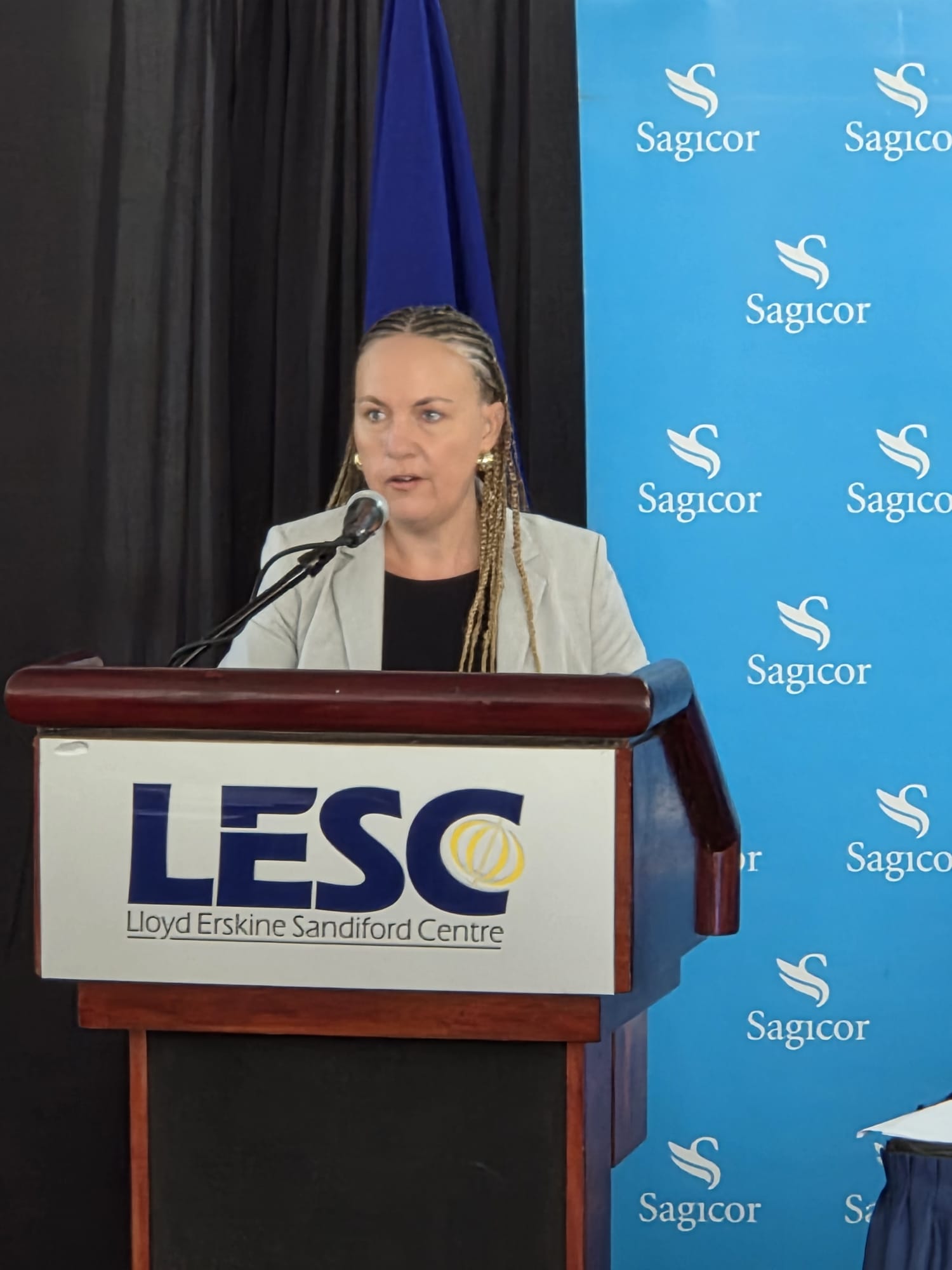
    Against a backdrop of intensifying climate-driven extreme weather events battering small island nations, the European Union has unveiled a landmark new partnership program tailored to transform disaster risk management across the Caribbean. The initiative, announced at the opening of a three-day regional conference hosted at Barbados’ Lloyd Erskine Sandiford Centre, prioritizes stronger early warning infrastructure, faster cross-border disaster response, and community-led preparedness – with targeted support for recovery efforts in the wake of Hurricane Beryl.

    Virginie Andre, the EU’s lead program manager for disaster risk management, delivered the announcement on behalf of Fiona Ramsey, the European Union Ambassador to Barbados. The new cooperation framework centers on upgrading four critical pillars of regional disaster management: enhanced meteorological forecasting, expanded climate adaptation services, streamlined cross-regional logistics networks, and deeper public-private collaboration to accelerate post-disaster recovery. Two key regional bodies will receive direct structural investment to boost their operational capacity: the Caribbean Disaster Emergency Management Agency and the Caribbean Institute for Meteorology and Hydrology, which underpin the region’s entire disaster risk architecture.

    Andre emphasized that the strategy is anchored in high-level diplomatic cooperation between Caribbean leaders and EU institutions. “Through ongoing dialogue between Prime Minister Mottley of Barbados and the President of the European Commission, we are collaborating not just to rebuild after disasters strike, but to anticipate threats, strengthen readiness, and build long-term, lasting resilience,” Andre explained. “That high-level engagement is already delivering tangible, on-the-ground results.”

    The conference’s core theme, *Advancing Sustainable Community Resilience through Shared Responsibility*, signals a deliberate shift away from top-down disaster management toward a citizen-centered approach. Andre stressed that effective climate adaptation cannot be designed solely in government offices; it must be rooted in the lived experience of local communities. “When we talk about resilience, we know that it starts first and foremost at home, with people,” she said. “It starts with the neighbor checking on an elderly resident living nearby, the fishing community that notices subtle shifts in ocean conditions, the teacher that prepares children for emergencies, and the kids who go on to share that knowledge with their parents. Communities are always the first responders – they face the disaster first, and they launch recovery efforts before any outside support arrives.”

    To illustrate why centering local voices is non-negotiable, Andre shared a decades-old personal story that shaped her approach to disaster policy. Twenty-eight years ago, she met a young girl whose entire village had been destroyed by a mudslide. The girl lost all her family and sustained permanent life-altering injuries, but the two stayed in touch over the following 28 years. “What has stuck with me more than anything is not just her incredible story of survival, but a simple thing she told me: ‘No one ever really asked us what we needed,’” Andre recalled. “That one sentence reminds us exactly why community leadership matters so much. Communities know their own vulnerabilities better than anyone, and they know their own strengths. Our job is to listen, and to turn their lived experience into better policies and stronger preparedness.”

    In the immediate aftermath of Hurricane Beryl, the EU already moved to provide targeted support to the region, including funding to rebuild and strengthen the Caribbean’s hard-hit fisheries sector. In a demonstration of the cross-border mutual learning at the heart of the partnership, senior emergency management officials from Barbados recently completed a study visit to European institutions to exchange best practices in disaster response. Andre added that the partnership between the EU and Caribbean is reinforced by shared geographic reality: multiple European territories sit within the Caribbean basin and face the same climate-driven disaster risks as their regional neighbors, creating a natural foundation for collaboration.

    As conference delegates began their three days of deliberations, Andre urged them to center all discussions on one central question: “How can we ensure that our communities are better prepared tomorrow than they are today?” Acknowledging that the scale of the climate crisis far outstrips the capacity of any single actor, Andre reaffirmed the EU’s long-term commitment to the region. “The answer will not come from one government, one organization, and certainly not from one international partner,” she said. “It will come from true partnership, from shared responsibility, and from listening to the people whose lives we are trying to protect. The European Union remains a trusted, long-term partner to Barbados and the entire Caribbean region.”