作者: admin

  • The UWI, PAHO collaborate on infectious disease diagnostics and genomic surveillance

    The UWI, PAHO collaborate on infectious disease diagnostics and genomic surveillance

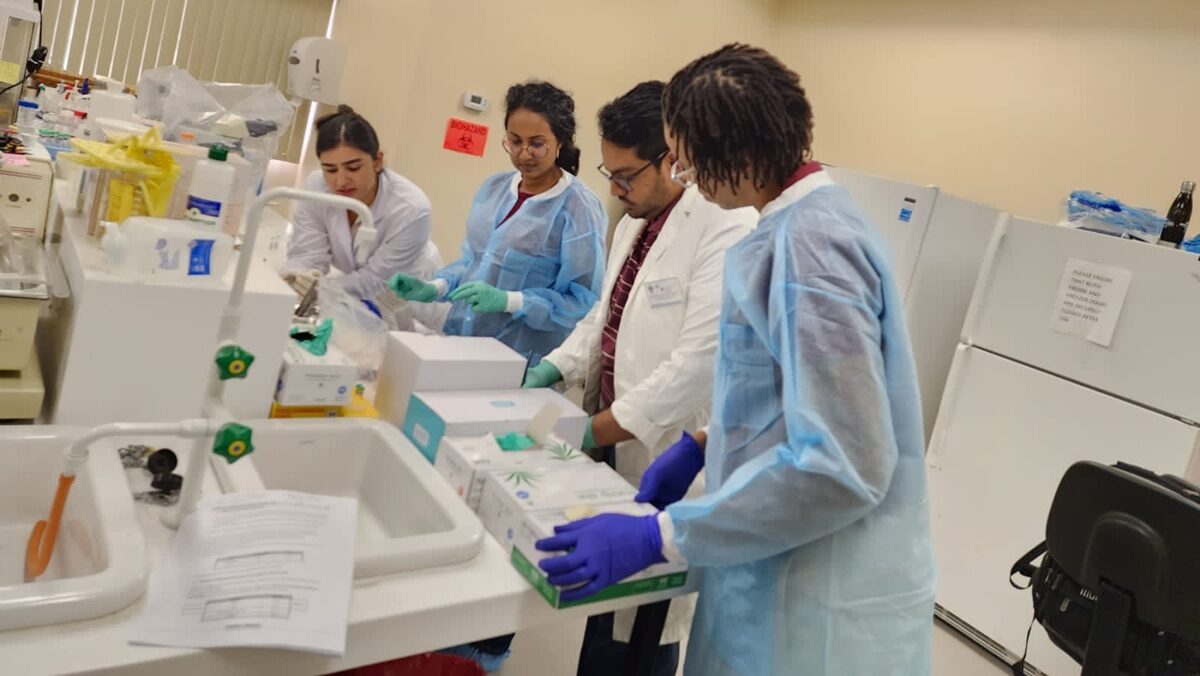
    In a significant move to bolster regional health security, the University of the West Indies (UWI) recently convened a virtual assembly of over 40 veterinary and public health specialists, laboratory experts, and academic researchers from approximately ten Caribbean nations and territories. The strategic session, organized in partnership with the Pan American Health Organization (PAHO), focused on enhancing collaborative efforts in infectious disease diagnostics, genomic surveillance, and scientific research.

    Co-ordinated by Professor Christine Carrington, Professor of Molecular Genetics and Virology, and Dr. Arianne Brown-Jordan, Laboratory Coordinator and Research Scientist at The UWI/PAHO/WHO Reference Sequencing Laboratory, the gathering marked a pivotal step toward regional health cooperation. The primary outcome was a consolidated commitment to improve coordination and eliminate redundant efforts as genomic surveillance capabilities expand throughout the Caribbean.

    Key priorities identified include specialized training in genomics and bioinformatics, the development of national genomic surveillance strategies, and stronger advocacy for incorporating genomics into public health policy and preparedness structures. Professor Carrington emphasized the value of shared insights, stating, “We all gained valuable insights into the needs and concerns of other stakeholders… and most importantly how we can support each other.”

    The meeting underscored the essential role of partnerships among academic institutions, regional health agencies, and international organizations in constructing resilient, data-driven health systems. Professor Carrington also unveiled plans for a UWI Centre of Excellence for One Health molecular epidemiology and genomics, intended to serve as a central hub for research, training, and collaboration.

    Discussions addressed practical implementation challenges, such as workforce development, sustainable financing, policy integration, and equitable access to resources. Presentations from Dr. Jairo Méndez-Rico of PAHO and Dr. Sue Min Nathaniel of the Caribbean Public Health Agency (CARPHA) highlighted ongoing initiatives and regional vulnerabilities, stressing the need for timely data and coordinated response mechanisms.

    Feature presenter Professor Nuno Faria of Imperial College London illustrated how genomic epidemiology can generate actionable public health intelligence, using case studies from arbovirus outbreaks. The session concluded with a focus on integrating genomic data into national surveillance frameworks and the importance of developing clear strategies for genomic adoption in public health infrastructure.

  • CXC moving to address high rates of absenteeism

    CXC moving to address high rates of absenteeism

    The Caribbean Examinations Council (CXC) is grappling with a persistent and troubling trend of absenteeism among students registered for its Caribbean Secondary Education Certificate (CSEC) examinations. This phenomenon represents both a significant financial concern and an educational challenge across the region.

    Dr. Nicole Manning, CXC’s Director of Operations, confirmed the organization is actively investigating the root causes through comprehensive surveys. The financial implications are substantial, with examination fees—often covered by governments or parents—being effectively wasted when students fail to appear for their tests.

    According to CXC’s research, the primary reason students skip examinations is a perceived lack of preparation. Many candidates reportedly feel insufficiently ready to demonstrate their competencies, leading them to avoid sitting the exams entirely. Dr. Manning emphasized the council’s position that students should attempt examinations regardless of their preparedness level, noting that many underestimate their actual knowledge and recall abilities during assessment situations.

    Beyond preparation anxiety, illness and other personal factors contribute to absentee rates. Particularly concerning is the pattern emerging in newer, vocationally-oriented subjects critical to regional development. Fields such as green engineering along with logistics and supply chain management are experiencing disproportionately high absence rates, despite strong performance metrics among examinees who do participate.

    Dr. Manning acknowledged evolving attitudes toward education among younger generations, prompting CXC to pursue innovative solutions through digital transformation. The council has developed the Caribbean Targeted Education Certificate (CTEC), a modularized alternative to traditional CSEC and Caribbean Advanced Proficiency Examination (CAPE) certifications.

    This new micro-credential system, scheduled for pilot implementation in May/June 2025 with over 6,000 participants—more than double initial projections—offers students unprecedented flexibility. The CTEC framework allows candidates to build qualifications incrementally through stackable modules, enabling them to customize their educational profiles according to individual interests and career aspirations.

    CXC has already released marginalized syllabuses for Mathematics, English A, English B, and Integrated Science, with examinations set to commence in 2027. This approach ensures that even students unsuccessful in comprehensive CSEC examinations can still attain certification through CTEC module completion.

    Dr. Manning emphasized that addressing absenteeism, supporting student development, and adapting to contemporary educational needs remain central priorities for CXC as it transforms its operational models to better serve Caribbean youth.

  • PM Drew announces major training and capacity-building push for SKNDF in 2026

    PM Drew announces major training and capacity-building push for SKNDF in 2026

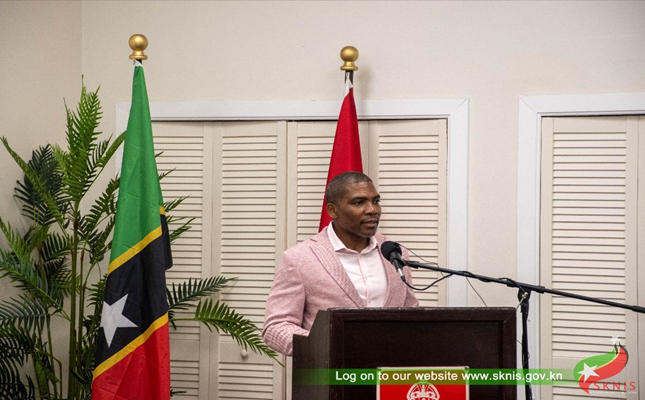
    The St. Kitts-Nevis Defence Force (SKNDF) is poised for a comprehensive transformation in 2026 following Prime Minister Dr. Terrance Drew’s announcement of an ambitious training and capacity-building initiative. Speaking at the Annual SKNDF Christmas Luncheon on December 23, 2025, the Prime Minister and Minister of National Security revealed strategic plans to enhance the military organization’s capabilities through both regional cooperation and infrastructure investment.

    The modernization effort follows a thorough assessment conducted by the Regional Security System (RSS), which identified significant potential within the SKNDF while noting specific gaps in specialized operational areas. “Modern security challenges demand professionalism, technical competence, and strong leadership at every level,” Dr. Drew emphasized. “A well-disciplined Force must also be a well-trained Force.”

    A cornerstone of this initiative involves strengthened military diplomacy with Guyana. Prime Minister Drew has engaged directly with both Guyanese leadership and the Guyana Defence Force (GDF) to deepen longstanding ties through a forthcoming Memorandum of Understanding. This agreement will facilitate advanced training programs, leadership development, and operational cooperation aligned with regional and international best practices.

    Concurrent with training enhancements, the government is investing substantially in defense infrastructure, including building renovations, vehicle fleet upgrades, and expanded medical capabilities. The Prime Minister personally recognized exceptional personnel during the event, commissioning Second Lieutenant Lakeem Crosse and honoring Private Dion Burke as Soldier of the Year and Shaquille Fredericks as Sailor of the Year.

    Dr. Drew concluded with a powerful affirmation to defense personnel: “Your service matters. Discipline matters, your readiness matters. The nation sees your value and values you, and is committed to supporting you, as you carry out your solemn duty as soldiers and defenders of your homeland.”

  • Businesses in main shopping district say tourists not spending

    Businesses in main shopping district say tourists not spending

    Barbados is experiencing an unprecedented surge in cruise tourism with projections pointing toward a record-breaking winter season, yet Bridgetown’s main retail district reports disappointing foot traffic and limited economic benefits from the influx of visitors.

    The Barbados Hotel and Tourism Association (BHTA) announced in June that nearly 500 cruise ships are scheduled to dock at the Port of Bridgetown between late 2025 and early 2026. Chairman Javon Griffith revealed during the association’s annual meeting that cruise arrivals are expected to increase by 22%, reaching approximately 850,000 passengers compared to 695,000 the previous season.

    Despite these impressive numbers, Broad Street retailers report a stark disconnect between national tourism statistics and their daily reality. Hiranand Thani, owner of The Royal Shop, expressed frustration that the increased cruise activity hasn’t translated into meaningful business for downtown merchants.

    “We’re glad to have the tourists, but we’re not seeing traffic on Broad Street,” Thani lamented. He noted that visitors are increasingly bypassing the shopping district in favor of beach activities along the boardwalk, which generates significantly less foreign exchange revenue than retail shopping.

    Thani emphasized that while beach spending on items like beverages contributes minimally to the economy, retail shopping represents a substantial source of foreign exchange earnings. He called for more decisive action to attract tourists to the commercial district, stating that current efforts need to be intensified “two extra miles” to make a meaningful difference.

    The challenge extends beyond tourist behavior to structural issues within Bridgetown itself. Eddy Abed, Managing Director of Abed’s and chairman of the Bridgetown Revitalisation Committee, explained that the departure of approximately 3,000 government jobs from the city two decades ago created a persistent foot traffic problem that remains unresolved.

    “There’s a reason why Broad Street is half empty,” Abed noted. “The branded stores just don’t see enough tourists there that it would warrant them to open a store.” He revealed that many Bridgetown businesses actually benefit indirectly by supplying hotels and restaurants rather than selling directly to visitors.

    Martin Bryan, Managing Director of F W Woolworth, reported similar experiences, noting that while cruise passengers do visit his store, their spending remains minimal. “A key ring, maybe buy a T-shirt, but we don’t see a lot of spend from any cruise ship passengers,” Bryan observed. He attributed this pattern to onboard shopping facilities and cruise lines directing passengers to shop in other islands with cheaper prices.

    Industry experts suggest that planned developments including new hotels and mixed-use projects may eventually change Bridgetown’s dynamics, but significant improvements are still four to five years away. In the interim, stakeholders emphasize the need for enhanced entertainment, cultural attractions, and dining options to make the capital city a more compelling destination for visitors throughout the year.

  • Barbados Police Service: Do not drink and drive

    Barbados Police Service: Do not drink and drive

    The Barbados Police Service has intensified its seasonal safety campaign with Crime Prevention Officer Inspector Roger Babb reiterating critical warnings about holiday celebrations. Law enforcement officials emphasize that while seasonal festivities often involve alcohol consumption, individuals must maintain responsible behavior to ensure community safety.

    Inspector Babb specifically addressed the dangers of impaired driving, noting that alcohol-related decisions during celebrations could lead to catastrophic consequences. “The combination of alcohol and driving creates potentially fatal circumstances that endanger both the driver and innocent bystanders,” Babb stated in his official advisory.

    The comprehensive safety guidelines issued by TBPS include multiple protective measures: Designating sober drivers before celebrations begin, resisting social pressure to consume alcohol, maintaining constant surveillance of personal beverages, and avoiding substance combinations. The advisory particularly highlights drink-spiking risks, recommending that celebrants personally observe bartenders preparing beverages and immediately seek medical assistance if tampering is suspected.

    Authorities also cautioned against accepting drinks from strangers and emphasized alcohol’s detrimental effect on decision-making capabilities. The police service’s intervention comes during peak celebratory periods when historical data shows increased alcohol-related incidents across the island nation.

  • Finding Christmas cheer amid challenges, wins

    Finding Christmas cheer amid challenges, wins

    As Barbados approaches Christmas celebrations, the nation engages in sober reflection on a year marked by significant challenges and notable triumphs. While festive traditions bring joy, many households confront persistent economic pressures that cast shadows over the season’s merriment.

    Economic realities continue to weigh heavily on citizens, with rising living costs forcing families to carefully stretch limited budgets. Despite macroeconomic indicators showing recovery, the benefits remain unevenly distributed across society. Parents particularly feel this strain as they navigate children’s expectations against financial constraints.

    Environmental challenges have compounded economic difficulties, with climate change manifesting through extreme weather patterns and ecological disruptions. Sargassum seaweed invasions threaten marine ecosystems and tourism assets, while farmers struggle with unpredictable growing conditions. As a small island nation, Barbados faces disproportionate impacts from global climate issues it contributed little to create.

    Social concerns have also intensified, with growing anxiety about community safety and declining interpersonal trust. Many citizens yearn for a society where youth can embrace hopeful futures and conflicts resolve peacefully. Healthcare and social services operate under sustained pressure, with professionals delivering care despite resource limitations.

    Yet Barbados has achieved significant victories worthy of recognition. The tourism sector has staged a robust recovery, generating employment, foreign exchange, and renewed economic confidence. Hospitality businesses from hotels to artisans have benefited from visitors who choose Barbados for its welcoming familiarity. This resurgence has stabilized public finances and created space for developmental planning.

    Internationally, Barbados maintains influence beyond its size through climate justice advocacy and sustainable development leadership. Prime Minister Mia Mottley has elevated the nation’s voice in global forums, ensuring small island states’ concerns receive attention in financial and environmental discussions.

    Domestically, renewable energy transitions progress steadily through solar installations and policy reforms. Though incremental, these steps demonstrate commitment to sustainable futures despite limited resources.

    Most profoundly, community solidarity has flourished through grassroots initiatives. Churches, charities, and neighborhood groups have mobilized support systems ranging from food assistance to educational resources. This collective care, though economically unquantifiable, represents the nation’s resilient spirit.

    This Christmas, Barbados acknowledges that celebration coexists with struggle, embracing gratitude amid hardship. The season represents more than material exchange—it embodies family, forgiveness, and renewal as the new year approaches. Through shared meals, traditional hymns, and natural beauty, Barbadians remember their identity transcends temporary difficulties.

    The coming year will demand continued effort and difficult decisions, but for now, the nation pauses to honor hope’s enduring presence. Christmas brings well-deserved rest to the weary, comfort to the hurting, and renewed determination to all Barbadians who have persevered through adversity.

  • ABEC’s Christmas Message 2025

    ABEC’s Christmas Message 2025

    In a special Christmas address to the nation, the Antigua and Barbuda Electoral Commission has issued a compelling call for democratic participation while extending seasonal greetings to all citizens. The message, delivered by Commission Chairman H.E. Arthur G. B. Thomas on behalf of the electoral body, emphasized the fundamental importance of collective responsibility in preserving democratic institutions.

    The communication expressed profound appreciation for the cooperation demonstrated by citizens, political party members, and independent candidates throughout 2025. The Commission highlighted that public confidence in electoral mechanisms serves as the essential foundation for the nation’s democratic framework, with national strength deriving from informed civic engagement and respect for electoral integrity.

    Looking toward the upcoming year, the Commission outlined specific initiatives crucial for maintaining electoral efficiency. Officials urged eligible voters to participate proactively in the Voter Identification Card Renewal Programme and the Continuing Registration Programme, rather than waiting until election announcements create last-minute rushes. This forward-looking approach, the Commission noted, ensures streamlined processes and preserves the sanctity of the electoral system.

    Reaffirming its institutional commitment, the Electoral Commission pledged ongoing dedication to transparency, service excellence, and operational integrity. The message concluded with an expression of anticipation for continued collaborative efforts to strengthen the nation’s democratic heritage in the coming year.

  • Su Aid haalt recordbedrag van SRD 6 miljoen op voor Hematologie SVZ

    Su Aid haalt recordbedrag van SRD 6 miljoen op voor Hematologie SVZ

    In an extraordinary display of community support, Stichting Su Aid has successfully raised SRD 6 million (approximately $180,000 USD) for the Hematology Department at Sint Vincentiusziekenhuis (SVZ) hospital. The preliminary fundraising total was formally presented to hospital officials on Wednesday, marking the highest amount ever collected by the foundation in its history.

    Hospital Director Jason van Genderen described the achievement as “a special day and the most beautiful Christmas gift the hospital could have wished for.” The visibly emotional director expressed profound gratitude for the unprecedented community effort behind the record-breaking donation.

    The Hematology Department, which treats patients suffering from anemia, blood cancer, sickle cell disease, and other blood-related disorders, urgently requires comprehensive renovation, expansion, and modernization. While the campaign fell short of its original SRD 10 million target, the amount raised will enable the immediate procurement of essential medical equipment to enhance patient care.

    Van Genderen praised the dedication and commitment of all involved, stating: “This proves it can be done. A record amount has been raised through tireless efforts—people were out early every day fundraising. I thank all donors who dug deep into their pockets. Six million SRD! I want to walk through the entire hospital with this and show it off,” he added, referencing the symbolic check presentation.

    Su Aid emphasized that this represents an interim result, with additional commitments from both individual and corporate donors still pending. The foundation anticipates concluding its fundraising campaign in January and delivering a final report by February. The organization has committed to ensuring all funds will be allocated with complete transparency and accountability throughout the modernization project.

  • Eerste openbare kerstvieringen in Bethlehem sinds 2022 ondanks aanhoudend geweld

    Eerste openbare kerstvieringen in Bethlehem sinds 2022 ondanks aanhoudend geweld

    For the first time since 2022, Bethlehem witnessed public Christmas Eve celebrations as thousands gathered in Manger Square, marking a tentative return to tradition in the occupied city. The festivities, previously canceled or scaled back in respect for Gaza’s thousands of war dead, featured a restored Christmas tree replacing last year’s symbolic nativity scene that depicted baby Jesus amidst rubble and barbed wire.

    Cardinal Pierbattista Pizzaballa, the highest Catholic authority in the Holy Land, led the ceremonies after arriving from Jerusalem in the traditional Christmas procession. He called for “a Christmas full of light” as scouting groups from across the West Bank marched through Bethlehem’s streets, their bagpipes adorned with tartan patterns and Palestinian flags.

    The celebrations occurred against a backdrop of severe economic hardship and ongoing military operations. Bethlehem’s unemployment rate has skyrocketed from 14% to 65% since the conflict began, prompting approximately 4,000 residents to leave in search of employment elsewhere. Tourism, the city’s economic cornerstone, remains paralyzed by military checkpoints, road closures, and movement restrictions that deter visitors.

    Despite a fragile ceasefire in October that has been repeatedly violated, Israeli forces continue near-daily raids across the West Bank involving mass arrests, home searches, demolitions, and occasional lethal violence. This year has seen settler attacks against Palestinians reach their highest level since UN record-keeping began in 2006, with incidents including killings, assaults, and property destruction often occurring under military protection.

    In a controversial move, Israel’s security cabinet approved plans to formalize 19 illegal settlements in the West Bank, drawing sharp condemnation from the UK, Canada, Germany, and other nations. These governments issued a joint statement warning that such unilateral actions violate international law and heighten instability risks. Meanwhile, over 570 Israeli settlers under police escort entered Jerusalem’s Al-Aqsa mosque complex, an act Palestinians view as violating the historic status quo of Islam’s third holiest site.

  • Column: AFCON 2025

    Column: AFCON 2025

    The African Cup of Nations (AFCON), Africa’s premier football tournament held biennially during this period, continues to face significant visibility challenges compared to its European counterpart, the UEFA European Championship. Despite featuring numerous star players from Europe’s top leagues, AFCON struggles to capture equivalent media attention and global interest.

    The tournament’s scheduling conflict with ongoing European competitions, particularly the demanding English Premier League season, creates substantial friction. While clubs are theoretically obligated to release players for international duty, practical realities often dictate otherwise. Premier League clubs frequently implement policies that indirectly pressure African players to prioritize club commitments over national team participation, primarily due to concerns about playing time and career implications.

    This structural imbalance highlights deeper issues within African football’s ecosystem. The Confederation of African Football (CAF) must address fundamental questions: Does the problem stem from scheduling misalignment with other confederations, or does it relate to the perceived quality of football presented? A significant step forward comes with the planned 2028 transition to a four-year cycle, synchronizing AFCON with the European Championship schedule, thereby eliminating one major scheduling obstacle.

    Beyond scheduling reforms, CAF could empower member associations to develop stronger domestic leagues. Enhancing local competitions would reduce the continent’s talent drain to Europe while potentially attracting international players. Strengthened league systems would enable national team players to develop cohesion through extended collaboration, potentially improving African nations’ performance in global tournaments and increasing AFCON’s appeal to worldwide audiences.

    This comprehensive approach addressing both scheduling conflicts and foundational league development could ultimately transform AFCON into a truly global sporting spectacle worthy of its exceptional talent pool.