作者: admin

  • UWI Games 2026 opens with live regional broadcast

    UWI Games 2026 opens with live regional broadcast

    After a multi-year break, one of the Caribbean’s most storied inter-university sporting competitions is making its much-anticipated return. The University of the West Indies (UWI) is preparing to officially launch the 2026 UWI Games with a 90-minute live opening ceremony that will be accessible to sports fans across the Caribbean and around the globe via UWItv’s digital platforms.

    Per official statements from the university, this year’s iteration of the games will welcome more than 575 student athletes and support staff, hailing from 17 Caribbean nations and representing all five of UWI’s physical campuses. Rooted in a legacy that stretches back to the 1960s, the UWI Games has long served as both a breeding ground for emerging athletic talent and a unifying force for regional communities. Over its decades-long history, the competition has counted future Olympic athletes and world champions among its past participants.

    The opening ceremony will take place at the UWI Sport and Physical Education Centre, located on the university’s St. Augustine Campus. Scheduled to kick off at 5:30 PM Jamaica/ Eastern Standard Time (6:30 PM Eastern Caribbean/Antigua Standard Time) on Friday, May 22, the live broadcast will feature traditional fan-favorite elements including the iconic Parade of Athletes, vibrant local cultural performances, formal remarks from university leadership, and the time-honored ceremonial lighting of the UWI Games flame to mark the official start of competition.

    Following the opening ceremony, nine consecutive days of athletic contests will run from May 21 to 29 across 10 different sporting disciplines. Aligned with this year’s official theme, “Reunited. Reignited. Ready.”, the 2026 games center on three core values: outstanding sportsmanship, deepened Caribbean regional unity, and widespread student engagement. Beyond competition, the event reinforces UWI’s long-standing commitment to nurturing homegrown regional athletic talent and strengthening cross-community connections through the shared love of sport.

    UWI Vice-Chancellor Sir Hilary Beckles emphasized the unique importance of the 2026 games, noting that the return of the competition coincides with a major institutional milestone: the 10th anniversary of UWI’s Faculty of Sport. The faculty acts as the central coordinating body for all of the university’s athletic programs, while also advancing cutting-edge academic teaching and research across the UWI system. “The UWI Games are the heartbeat of the UWI student experience,” Beckles explained.

    Viewers can tune into the live opening ceremony broadcast for free across multiple digital platforms, including UWItv’s official website, Facebook page, and YouTube channel. Full schedules, real-time competition updates, streaming links, and additional event details are available to the public on the official 2026 UWI Games website.

  • Free Eyeglasses Shipment Arriving Under Prime Minister’s Vision Initiative

    Free Eyeglasses Shipment Arriving Under Prime Minister’s Vision Initiative

    In a major push to eliminate preventable and correctable vision impairment across the twin-island nation, a delivery of donated free eyeglasses is on track to reach Antigua and Barbuda in the coming days. This shipment forms a core component of the Prime Minister’s Vision Initiative, an ongoing public health program rolled out by the national government to expand accessible eye care for all residents.

    Maurice Merchant, the country’s Director General of Communications, shared the latest update during a post-Cabinet media briefing held Thursday. He confirmed that the national initiative is implemented in close collaboration with two global non-profits focused on vision health: Restoring Vision and Vision Spring. This cross-sector partnership is part of a broader expansion of eye care services led by Antigua and Barbuda’s Ministry of Health, which has brought on board both regional and international stakeholders to scale impact.

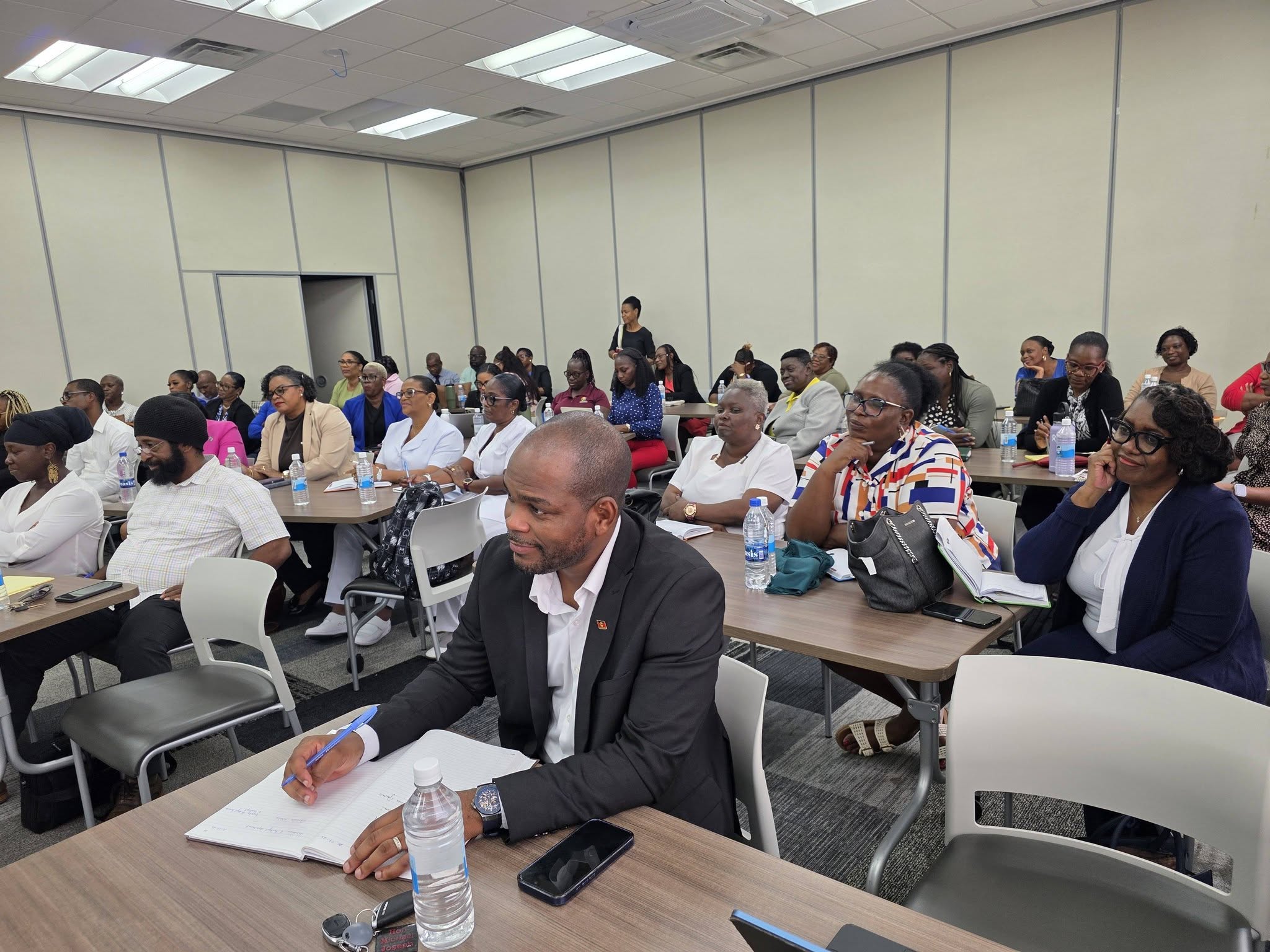
    The announcement of the incoming shipment followed a formal progress presentation to Cabinet by Health Minister Michael Joseph. During the presentation, Joseph also highlighted parallel work underway by a visiting specialist team from the Trinidad Eye Hospital, which is currently providing advanced ophthalmological services across Antigua and Barbuda. According to Merchant, this visiting surgical mission is projected to complete more than 400 life-changing eye procedures this year for local patients living with a range of vision-impairing conditions.

    A key long-term goal of the Prime Minister’s Vision Initiative is to build a network of community-focused “blind-free zone” centers across Antigua and Barbuda. These local hubs will bring vision screening and corrective care directly to community members, eliminating barriers to access for rural and underserved populations. Beyond community-based care, the program has also extended its reach into the national education system, with plans to conduct comprehensive vision screenings for 10,000 students total: 6,000 primary school pupils and 4,000 secondary school students.

    Merchant emphasized that the government prioritizes early vision screening and intervention as a critical public health and education investment. Timely diagnosis and corrective care do not only improve long-term vision outcomes for young people – they also directly support stronger educational performance, ensuring that students with treatable vision issues can fully participate in learning and reach their academic potential.

  • Tourism fund initiative aims to raise $50K for schools futsal tournament

    Tourism fund initiative aims to raise $50K for schools futsal tournament

    Barbados’ tourism sector is ramping up its investment in community development, education, and cross-sector economic integration, with a popular annual futsal fundraising tournament targeting a $50,000 donation goal for local schools this year. The details of the Adopt-A-School Futsal Tournament and other key tourism-linked initiatives were outlined by Ryan Forde, Chief Executive Officer of the Barbados Hotel and Tourism Association (BHTA), during the organization’s quarterly press briefing held Wednesday.

    The futsal tournament and the Barbados National Culinary Programme both operate under the umbrella of the BHTA-managed Tourism Fund, a dedicated mechanism designed to leverage tourism revenue for social investment and youth engagement. For its 2025 second iteration, running from August 8 to 30, organizers have set an ambitious fundraising target of more than $50,000, a significant jump from the just over $30,000 raised during the tournament’s debut year. In its first run, the initiative delivered tangible improvements to educational institutions across the country: it supplied football nets for more than 30 primary schools, installed water tanks at two campus locations, distributed 45 cooling fans for both primary and secondary schools, and provided multiple projectors to academic institutions. Forde extended an open invitation to domestic and international businesses, noting that companies can join as competing teams, official sponsors, or both.

    Beyond youth sports and education, Forde emphasized that the national culinary programme remains a core priority for cementing Barbados’ reputation as a global food tourism leader. Widely recognized as the culinary capital of the Caribbean, the island boasts a diverse range of dining experiences and a world-class cohort of chefs and bartenders that have positioned it as a regional standout in the culinary tourism segment. To nurture emerging local talent, BHTA recently launched a combined on-the-ground and social media outreach campaign to drive participation in the BHTA Local Culinary Competition, scheduled to take place on June 16 and 17.

    A key cross-sector initiative housed under the Tourism Fund is the Bajan Harvest Hub, a digitally powered platform designed to close the supply chain gap between local small-scale farmers and the island’s tourism sector. Forde described the centralized platform as a transformative development for Barbados’ economy, solving longstanding information gaps around supply, demand and sectoral interconnectivity. The hub creates inclusive economic opportunities for smallholder farmers and local agribusinesses, while also supporting the Tourism Fund’s broader goal of increasing the volume of local produce used by hotels, restaurants and other tourism operators, and strengthening critical economic linkages between agriculture and tourism.

    In addition to updating stakeholders on ongoing community projects, Forde shared a series of major international wins for Barbados’ tourism sector during the briefing. First, the BHTA confirmed that the 2026 Gallagher BTMI BHTA Tourism Awards will be hosted on June 13 at the Wyndham Grand Barbados Sam Lord’s Castle. Second, Team Barbados took home the 2026 Best in Show – International award following its participation in the Travel & Adventure Show held in Florida, an event that drew more than 125,000 travel industry professionals from across the globe. The award recognizes the destination’s compelling brand presentation and strong market appeal, and Forde extended congratulations to the BTMI USA team led by Seymour Bailey, along with local lead Kemuel Burke and all participating BHTA members for the achievement.

    Most notably, Barbados has secured the hosting rights for the 45th Caribbean Hotel and Tourism Association (CHTA) Marketplace, scheduled to take place in May 2027. The deal was finalized during recent regional discussions held in Antigua. The high-profile industry event is projected to bring hundreds of global travel professionals to the island, boost local economic activity, and deepen collaborative regional tourism partnerships.

  • ‘Mad Rapper’ wanted for questioning

    ‘Mad Rapper’ wanted for questioning

    Law enforcement authorities in Oistins are appealing for help from the general public to track down a wanted man who is currently a person of interest in multiple serious criminal investigations. The suspect, Terry Corie Alexandra Waldron, who is also widely known by his alias ‘Mad Rapper’, is being sought for official questioning related to ongoing serious criminal matters.

    Unlike most residents, Waldron does not maintain a fixed permanent address, meaning he moves regularly between temporary locations, making it harder for investigators to pin down his current location. Police have released a detailed physical description to help members of the public identify him correctly: he stands approximately 5 feet 9 inches tall, has a slim build, and a dark complexion. His most notable features include his signature dreadlocks hairstyle and a series of one-of-a-kind tattoos that mark his body. These distinctive markings include a puzzle-piece tattoo inked directly above his left eye, the name ‘ERICA’ tattooed on his left wrist, and the word ‘OUTLAW’ etched onto his right forearm.

    Official police guidance says that Waldron should voluntarily surrender himself to the Criminal Investigations Department (South), which is based at the Oistins Police Station. Authorities have also stated that he is permitted to bring a legal representative of his own choosing when he turns himself in, in line with standard legal procedure.

    Investigators are urging anyone who has spotted Waldron recently, or has any information that could lead to his arrest, to come forward immediately with details. There are multiple contact channels available for tip-offs: members of the public can reach the CID South team directly on two dedicated phone lines, 418-2608 and 418-2612, call the 24/7 police emergency line at 211 for urgent matters, contact the anonymous Crime Stoppers hotline at 1-800-8477, or visit any local police station in person to share information.

  • IOM NEWS: Saint Lucia launches draft National Migration Policy grounded in data and diaspora engagement

    IOM NEWS: Saint Lucia launches draft National Migration Policy grounded in data and diaspora engagement

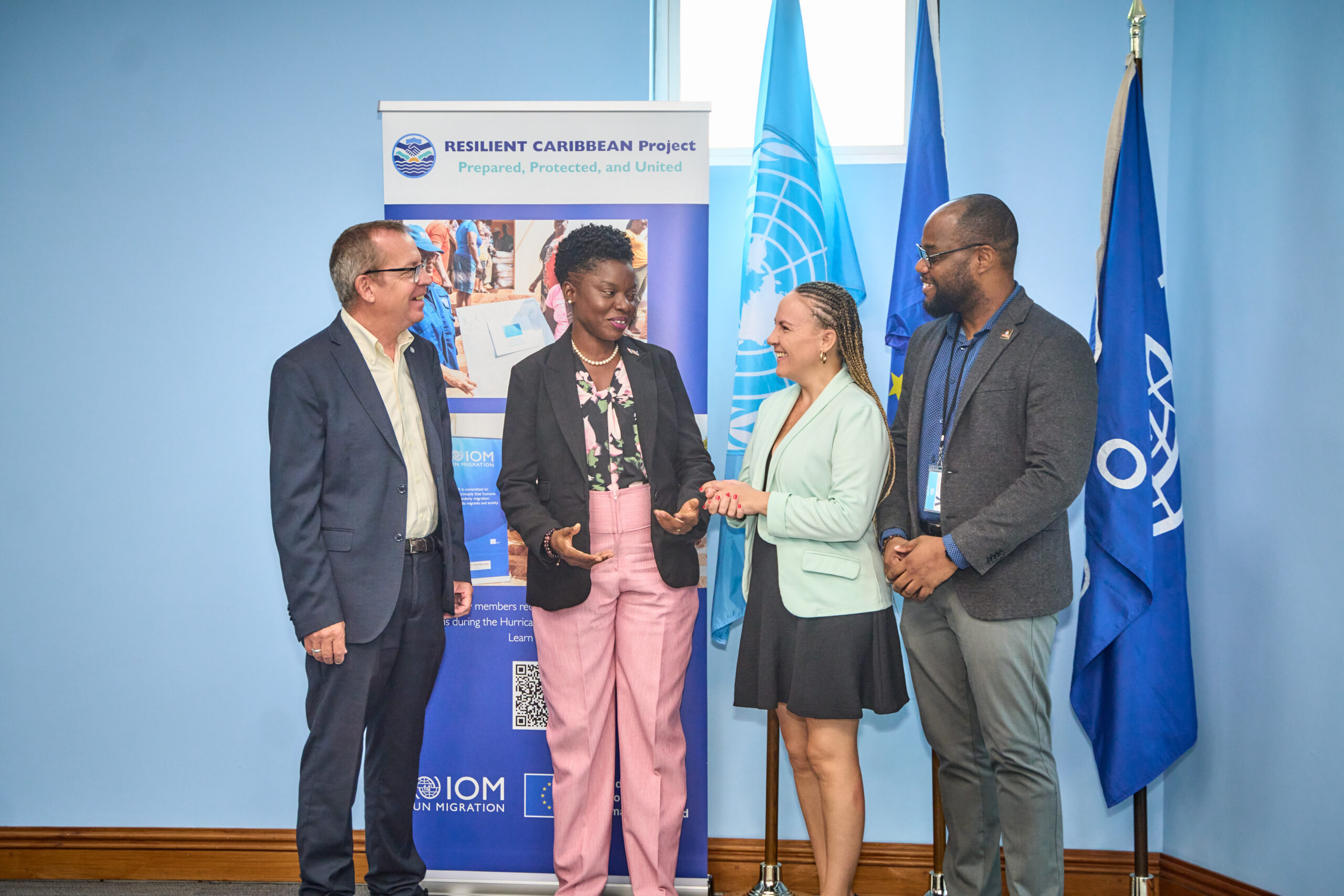
    Against a backdrop of shifting demographic pressures and widespread labor gaps across the Caribbean, the eastern Caribbean island nation of Saint Lucia has taken a landmark step toward proactive, inclusive migration governance. On Monday, May 18, the government officially launched its long-awaited draft National Migration Policy during a formal media briefing and multi-stakeholder panel discussion, with direct technical and strategic support from the International Organization for Migration (IOM).

    The policy framework represents a holistic, whole-of-society approach to migration management, developed through years of rigorous data collection, cross-sector stakeholder consultations, and forward-thinking strategic planning. Unlike reactive migration policies that treat population movement as a challenge to be contained, Saint Lucia’s new draft positions migration as a core driver of long-term sustainable development and national resilience.

    At the heart of the draft policy is a rights-centered, gender-responsive, development-focused governance structure designed to standardize the measurement, monitoring, and management of all migration flows in the country. It identifies five priority action areas: streamlined and equitable labor migration, deeper engagement with the Saint Lucian diaspora worldwide, strengthened national migration data systems, enhanced protection for vulnerable migrant populations, and robust crisis-era migration governance protocols. All priorities are aligned with broader national goals of boosting inclusive economic growth and strengthening national resilience to external shocks.

    Addressing attendees at the launch, IOM Caribbean Coordinator Patrice Quesada underscored the cross-cutting nature of migration policy, noting that population movement impacts every corner of national life and cannot be confined to a single government sector. “Migration does not belong to one sector, it cuts across different aspects of society,” Quesada explained, emphasizing that meaningful progress requires coordinated collaboration between national government agencies, civil society organizations, and private sector stakeholders.

    Quesada confirmed that the policy was built on extensive empirical data and months of targeted consultations with groups across Saint Lucia, ensuring that the framework reflects the unique realities of the country’s current migration landscape, rather than adopting a one-size-fits-all model designed for other regions. Looking across the broader Caribbean region, Quesada highlighted that nearly all countries in the area face growing demographic decline and acute labor shortages that threaten long-term economic stability. Saint Lucia’s proactive policy, he argued, offers a replicable model for turning migration into a solution to these shared challenges. By leveraging migration strategically, countries can close critical workforce gaps, strengthen national resilience, and lay the groundwork for sustained development. “Saint Lucia is showing what developing a migration policy that is fit for purpose and forward-looking can achieve for the entire region,” Quesada added.

    Julian Dubois, Saint Lucia’s Ambassador for Diaspora Affairs, used the launch to center the conversation on the untapped potential of the country’s global diaspora population. Dubois called for a fundamental paradigm shift in how nations view emigration, moving beyond the outdated framing of “brain drain” to a new model of “brain gain” and global “brain circulation.”

    Rather than viewing migration of skilled workers as a net loss for the country, Dubois argued that cross-border movement of Saint Lucians is a strategic national asset. “Migration is not just a statistic, it is a living, breathing bridge” connecting Saint Lucia to global expertise, cutting-edge innovation, and new streams of international investment, he explained. “The island of Saint Lucia may be bounded by 238 square miles of beautiful Caribbean land, but the nation of Saint Lucia is global. Effective migration management is the key that unlocks this global potential.”

    Dubois urged all public and private stakeholders to strengthen diaspora engagement through modern, structured mechanisms, including expanded cross-border knowledge exchange programs and targeted investment incentives, to unlock the full development potential of Saint Lucians living and working abroad. He noted that while remittances already play a critical role in supporting household economic stability across the island, policy frameworks must go further to encourage long-term productive investment and broad-based economic transformation that benefits all Saint Lucians.

    The launch of the draft policy opens a period of public consultation, during which stakeholders and members of the public will have the opportunity to provide feedback before the final policy is formally adopted. Regional development observers have already highlighted Saint Lucia’s initiative as a potential blueprint for other small island developing states across the Caribbean grappling with similar demographic and economic challenges.

  • UWI Games 2026 Kick Off with Parade, Performances, and Flame Lighting

    UWI Games 2026 Kick Off with Parade, Performances, and Flame Lighting

    One of the Caribbean’s most anticipated inter-campus sporting traditions is making a triumphant return this month, as The University of the West Indies (UWI) prepares to kick off the 2026 UWI Games with a live-streamed opening ceremony this Friday, May 22.

    After a years-long break from the iconic event, organizers have revived the competition with renewed momentum, drawing over 575 student athletes and official delegates from 17 countries across UWI’s five regional campuses. Rooted in a university tradition that dates back to the 1960s, the 2026 iteration runs from May 21 to 29, bringing nine days of competitive action across 10 different sporting disciplines centered on the core values of athleticism, cross-campus friendship, and collective Caribbean regional pride.

    The 90-minute opening ceremony will be broadcast live from the UWI Sport and Physical Education Centre located on the university’s St. Augustine Campus, and will be accessible to viewers across the Caribbean and around the globe via UWItv, multiple streaming platforms, and the official UWI Games YouTube channel. Scheduled to start at 5:30 PM Jamaica/EST (6:30 PM Eastern Caribbean/AST), the ceremony will feature a full lineup of celebratory events including the traditional Parade of Athletes, vibrant local cultural performances, formal addresses from university leadership, and the ceremonial lighting of the UWI Games Flame, which marks the official start of all competition.

    Held under the unifying theme “Reunited. Reignited. Ready.”, the 2026 Games emphasize UWI’s long-standing commitment to nurturing regional athletic talent and strengthening Caribbean solidarity through sport. The event’s legacy has already produced a host of elite athletes, including multiple Olympians and world champions who are UWI alumni.

    Vice-Chancellor Professor Sir Hilary Beckles highlighted the unique significance of this year’s return, noting that the revival of the UWI Games coincides with the 10th anniversary of UWI’s Faculty of Sport. “The UWI Games are the heartbeat of the UWI student experience,” Beckles stated. He added that the Faculty of Sport has served as the central organizing body for all university athletic programs, while also advancing academic instruction and sports research across the institution’s campuses.

    Audiences can access the live broadcast and find full event updates through the official UWI Games website at www.sta.uwi.edu/uwigames.

  • Pilot integrates honeybee pollination into farming

    Pilot integrates honeybee pollination into farming

    Against a backdrop of mounting challenges to global food systems and local apiculture, two Barbadian agricultural organizations have launched an ambitious six-month pilot initiative aimed at integrating professional managed honeybee pollination services into the island nation’s mainstream farming practices. Unveiled to coincide with World Bee Day, the collaborative project between the Caribbean Agricultural Research and Development Institute (CARDI) and the Barbados Apiculture Association (BAA) will conduct rigorous, data-focused scientific trials across a one-acre dedicated agricultural site. Over the duration of the program, researchers will quantify the exact impact of managed pollination on crop yield, produce quality, and overall crop performance, with initial research focused on high-value cucurbit crops including cucumbers, squash, and pumpkins. The launch of this initiative comes at a make-or-break moment for Barbados’s apiculture sector, which is currently battling multiple interconnected threats: soaring import costs for essential beekeeping equipment, widespread praedial larceny of hives, and the growing disruptions of a changing climate. The crisis deepened recently when extensive wildfires swept across the island, destroying dozens of managed hives and eliminating large swathes of the natural foraging habitat that wild and managed bees depend on for survival. At the official launch ceremony, BAA president Graham Belle framed the project as a strategic turning point for Barbadian agriculture, positioning it as a shift toward data-informed, sustainable farming that directly protects the livelihoods of the island’s smallholder and commercial farmers. “Gathering here on World Bee Day, we are reminded that pollinators are far more than just wild insects moving through our landscape,” Belle noted in his address. “They are foundational to Barbados’s economic, nutritional, and environmental infrastructure. This research is not centered solely on increasing honey output. Instead, it aims to quantify the economic and ecological value that apiculture delivers as a critical support service for mainstream agriculture. By investing in our local beekeeping sector today, we are paving the way for smarter, more sustainable farming, reducing our reliance on imported food and agricultural inputs, and building the foundation for Barbados’s native honey to establish itself as a premium global brand.” Under the partnership structure, CARDI is providing full financial and administrative backing for the pilot, while BAA contributes on-the-ground technical expertise and hands-on management of the trial site. CARDI’s country representative for Barbados, Christina Pooler, emphasized that the trial will act as a critical proof of concept to demonstrate the concrete, measurable benefits that pollinator integration brings to the island’s entire food system. Beyond just tracking crop yields, the project will also monitor long-term hive health and track key environmental stressors impacting bees, including local wind patterns and pesticide drift from adjacent farmland and residential areas. “Around the world, there is an urgent growing need to expand both the population and diversity of pollinator species to make our global food systems more resilient, productive, and adaptable to climate change,” Pooler explained. “This project will act as a catalyst to document the economic and ecological value of apiculture here in Barbados, with the empirical data we collect set to guide future research and shape evidence-based policy recommendations for the island’s beekeeping sector. By pairing rigorous scientific research with public outreach and training, we aim to strengthen the critical connection between academic science and on-the-ground agricultural practice, empowering both farmers and beekeepers to take action to protect our shared food security.” A core, often overlooked component of the six-month initiative is hands-on public outreach and practical logistical training for both crop producers and new beekeepers. This training program is designed to bridge the long-standing communication and collaboration gap between Barbados’s crop farming community and its beekeeping sector, while also working to reduce widespread public fear and misinformation about bees. The collaborative, community-centered approach of the project has earned widespread acclaim from local agricultural leaders. James Paul, chief executive officer of the Barbados Agricultural Society (BAS), noted that the island’s farming community has been calling for exactly this type of targeted, applied research to address pressing on-the-ground production challenges for years. “One of the top requests our sector has made consistently in recent years is for more applied research, where research institutions work directly alongside our farming community to solve the problems we actually face,” Paul explained. “It’s incredibly encouraging to see researchers stepping up to partner with farmers, learn firsthand about the challenges we navigate, and work collaboratively to improve outcomes. When this trial concludes, hundreds of local beekeepers across the country will be able to draw on its findings to grow and strengthen their own operations.” As the trial enters its initial implementation phase, both CARDI and BAA have shared long-term ambitions: they hope the empirical data collected through the pilot will lay the groundwork for a permanent, national framework to embed managed pollination services into Barbados’s official national agricultural strategy, creating a more resilient and food-secure future for the entire island.

  • What Saint Lucia’s new youth policy promises young people

    What Saint Lucia’s new youth policy promises young people

    After nearly four decades of incremental development, Saint Lucia’s long-awaited 2025–2030 National Youth Policy has officially come into effect, with government officials and cross-sector partners now moving forward to turn the framework’s goals into tangible improvements for young people across the island. This new policy marks the culmination of efforts that first began in 1987, when the government first explored a dedicated national strategy for youth development, and advanced with an initial draft completed in 2000. The current administration has made youth empowerment a core policy priority, formally approving and launching the full policy framework in 2025.

    Speaking to local outlet St Lucia Times at the official launch held at Derek Walcott Square, Youth Development Officer Jonathan Chalon emphasized that the policy is far more than a static policy document—it is a call for collective, cross-agency action to transform young lives for the better. “We’re meeting with all the agencies, both government bodies and non-governmental organizations, so we can map out clear roles to ensure this policy is brought to action,” Chalon explained. “It’s not just a document, but collective action to really change the lives of young people for the better.”

    The National Youth Policy is structured around eight core pillars that address the full scope of young people’s lives in Saint Lucia: education and lifelong learning, economic participation, health and well-being, peace and security, democracy and citizenship, information and communication technologies (ICT) and mass media, climate change and disaster risk reduction, and the cross-sector mainstreaming of youth priorities across all levels of government.

    Each pillar includes concrete strategies to meet its goals: for education, the policy expands access to both formal schooling and non-formal learning opportunities like mentorship and workshops, with a specific focus on growing technical and vocational education and training (TVET) programs, increasing scholarship access, and strengthening digital literacy. For economic participation, the framework prioritizes youth employment and entrepreneurship through startup grants, job placement support, and targeted entrepreneurial training. It also expands access to mental health and reproductive health services, promotes safe, inclusive communities through violence prevention programming, creates formal pathways for youth participation in governance, builds digital skills for the modern economy, supports youth-led climate action, and ensures marginalized youth groups are centered in all development planning.

    TVET has emerged as a key pillar for delivering on the policy’s promises, addressing a longstanding gap in the island’s education system that left many school leavers unprepared for the workforce. Shanez Narcisse-Clipa, TVET Officer within the Ministry of Education, explained that for years, students completing secondary education with Caribbean Examinations Council (CXC) qualifications often lacked the hands-on skills needed to enter the workforce immediately. TVET programs solve this gap by offering industry-recognized Caribbean Vocational Qualifications (CVQs) alongside real-world work experience in high-demand fields ranging from graphic design and traditional folk dance to carpentry, construction, crop production, and furniture manufacturing.

    While some critics have questioned whether introducing vocational training at the secondary level is too early, Narcisse-Clipa noted that the new policy will expand TVET options dramatically, building on the foundation of new TVET institutions launched across the island in 2023. These programs are designed to equip young people with skills that address critical labor gaps both across the Caribbean region and in international markets, creating meaningful economic opportunities for youth who may not pursue traditional university pathways.

    At the launch, young educator Kimdell Eugene highlighted one emerging priority that he hopes the policy will address more explicitly in the implementation phase: public awareness of the opportunities and risks posed by artificial intelligence for young Saint Lucians. Eugene noted that while he had not yet fully reviewed the full policy text, he sees widespread AI literacy as an urgent unmet need. “I think it’s important that more people are sensitised on the challenges that artificial intelligence might pose for students and for young people in general,” he said. “What are the disadvantages, the advantages, the bigger picture, because I can see how it could lead young people down a rabbit hole.”

    To ensure the policy stays aligned with its core goals and adapts to evolving youth needs, Chalon confirmed that a formal monitoring and evaluation framework is already in place, with regional support from the Caribbean Community (CARICOM), which has deployed a technical team to assist with implementation tracking. Cross-sector collaboration is central to this monitoring strategy, with officials working to coordinate youth services across every government department to avoid duplication and ensure all youth can access the support they need. The ultimate goal, Chalon said, is simple: to guarantee every young person in Saint Lucia has equal access to the opportunities and resources they need to grow, learn, achieve their goals, and transition into healthy, fulfilled adulthood.

    The official launch event drew participation from government officials, students from local institutions including St. Mary’s College, and civil society stakeholders, with Ministry of Education Minister Danny Butcher joining students for the official kickoff. Department of Sustainable Development staff also briefed attending students on the policy’s climate and environmental components during the event.

  • PM secures critical energy, trade, and security alliances

    PM secures critical energy, trade, and security alliances

    From May 18 to 19, 2026, Grenada Prime Minister the Honourable Dickon Mitchell completed a high-stakes, two-day official working visit to Washington, D.C., marking a landmark step in deepening diplomatic and economic collaboration between the Caribbean island nation and the United States. The packed itinerary centered on five core priority areas: cross-border investment, energy development, trade expansion, critical infrastructure upgrades, and regional security cooperation, with Mitchell holding direct, substantive talks with senior officials from the U.S. Cabinet, congressional leaders, and major U.S. private sector stakeholders.

    ### Strengthening Bilateral and Economic Partnerships
    The entire diplomatic mission was framed around boosting Grenada’s global visibility as an attractive destination for sustainable trade and international investment, starting with high-level dialogue across key U.S. government branches. At the U.S. Department of State, Mitchell sat down with Deputy Secretary of State Christopher Landau to reaffirm shared commitments to regional collaboration and expand mutually beneficial bilateral economic ties.

    Moving to the Department of Commerce, the prime minister held targeted discussions with Commerce Secretary Howard Lutnick and William Kimmett, Under Secretary for the International Trade Administration. The talks centered on unlocking Grenada’s emerging oil and gas potential while streamlining and optimizing existing trade routes between the two nations to reduce barriers for Grenadian exporters. Mitchell also made direct outreach to key congressional leaders, including Representative Joe Wilson of the House Foreign Affairs Committee and Senator Bill Hagerty, ranking member of the Senate Foreign Relations Subcommittee on the Western Hemisphere, to secure ongoing legislative support for the deepening of U.S.-Grenada bilateral relations.

    ### Advancing Energy Security and Maritime Logistics
    A central pillar of Mitchell’s visit was advancing Grenada’s goals of energy sovereignty, climate resilience, and long-term economic sustainability, with technical and private sector discussions focused on renewable energy development and supply chain improvements. At the U.S. Department of Energy, the Grenadian delegation met with a senior leadership team including Juan Pablo Varela, Special Advisor for International Affairs, and John Lassek, Deputy Assistant Secretary for the Office of Subsurface Energy, Hydrocarbons and Geothermal Energy. The two sides explored opportunities for U.S. technical assistance and international private investment in Grenada’s geothermal and utility-scale solar energy sectors.

    Separately, Mitchell held talks with Adam Cortese, CEO of UGT Renewables, focused on mobilizing global private capital to deliver large-scale solar energy projects and related infrastructure to unlock Grenada’s abundant renewable energy potential. For maritime logistics, a meeting with Tropical Shipping CEO Tim Martin centered on practical improvements: streamlining cross-border supply chains, cutting freight costs for Grenadian businesses, and building more efficient maritime logistics networks that support the island nation’s trading community.

    ### Aligning on National and Regional Security Priorities
    Addressing shared border management challenges and aligned geopolitical interests across the Western Hemisphere, Mitchell held strategic strategy sessions at the White House National Security Council with Michael Jensen, Senior Director of the NSC, and Will Turner, Special Advisor to the Vice President for the Western Hemisphere. Discussions focused on advancing regional stability in the Eastern Caribbean, advancing the U.S. ‘Americas First’ policy framework, expanding U.S. support for Grenada’s disaster response and risk management systems, and strengthening joint air and maritime border security enforcement in the subregion.

    In his post-visit commentary, Mitchell emphasized that the two days of intensive engagement marked the starting point of a deeper, long-term partnership with the United States, one centered on driving Grenada’s national development goals through expanded bilateral cooperation. “By solidifying direct alliances with U.S. federal agencies, key congressional committees, and major industrial leaders, we are positioning Grenada to attract premium, sustainable investments that deliver long-term benefits to our people,” Mitchell noted.

    Before arriving in Washington for official diplomatic talks, Mitchell undertook a two-day engagement with the Grenadian diaspora in New York City from May 16 to 17. During that trip, he attended the graduation ceremony of St George’s University at Madison Square Garden, where renowned Grenadian physician Dr. Dolland Noel was honored with the institution’s Distinguished Service Award. Alongside the Project Polaris Team and Grenada’s Ambassador for Diaspora Affairs Terry Forrester, Mitchell also led a well-attended town hall meeting at Medgar Evers College, where he addressed questions and priorities from the local Grenadian community. He also took part in the Spice Excellence Awards, where 12 accomplished Grenadians from diverse professional fields were recognized for their outstanding career achievements.

    Following the conclusion of his official travel, Mitchell and his delegation completed their itinerary and returned to Grenada on Wednesday, May 20, 2026. This report was issued by the Office of the Prime Minister of Grenada.

  • Police obtain video of suspect vehicle in Angelo probe

    Police obtain video of suspect vehicle in Angelo probe

    The 11-day search for a missing two-year-old boy from Tobago has entered a critical phase, with investigators securing new video evidence and a shocking confession that has left a small coastal community reeling in grief.

    Angelo Tobias-Plaza, who was last seen from his home in the village of Goodwood on the night of May 11, remains unfound as law enforcement and volunteer search teams comb the island’s coastline and surrounding areas for answers. In the latest development in the high-profile case, investigators have obtained closed-circuit television footage collected from a private Goodwood residence, which they believe could shed new light on the movements of a suspect tied to the toddler’s disappearance. The footage captures a vehicle that authorities suspect was used by the person of interest in the hours immediately surrounding Angelo’s vanishing, and forensic teams are now meticulously reviewing the recording to map out movement patterns in and around the village on that fateful night.

    As the investigation advances, a key person connected to the case has returned to the island to cooperate with authorities. Angelo’s landlady, who was traveling abroad in Canada when the child went missing, flew back to Tobago overnight following updates on the probe. She is scheduled to sit down with investigators this week to share details about the property and any connections to persons of interest that may assist the inquiry.

    The case took a dramatic, chilling turn over the weekend, when one of seven detainees held in connection with the disappearance allegedly confessed to killing the toddler and disposing of his body in the Caribbean Sea off Goodwood Bay. According to official police sources, the suspect told interrogators that he strangled Angelo before dumping the small child’s remains in the nearby coastal waters.

    Following the alleged confession, search teams immediately redeployed to Goodwood Bay, and investigators returned to the rented Goodwood home shared by Angelo’s mother Kalifa Tobias and stepfather at Cambridge Trace. Authorities had planned to bring the self-confessed suspect out to map out key locations tied to the crime, but the plan was derailed after the suspect reported feeling unwell. He was quickly transported to the Accident and Emergency Department of Scarborough General Hospital for medical evaluation and treatment, halting the on-site location identification process.

    To date, seven people—three women and four men—remain in police custody as investigators piece together what happened to the toddler. Over the weekend, Tobias was also brought back to the family’s rented property by investigators; dressed in a standard crime scene protective suit, she walked officers through key areas of the home and surrounding land before being escorted from the premises.

    Since Angelo was reported missing 11 days ago, large-scale search operations have been carried out across multiple sites in Tobago, including Goodwood Bay, the Studley Park Landfill, and Pig Farm Road in nearby Goldsborough. Teams have also followed up on every tip from the public: just days ago, a local resident reported spotting a suspicious black bag wedged in a cliff face off Pig Farm Road. Members of the Hunters Search and Rescue Team, a volunteer group that has supported the probe from the start, abseiled down the precipice to retrieve the bag, only to find its contents had no connection to the missing toddler case.

    The Trinidad and Tobago Police Service (TTPS) has confirmed that the investigation has reached a “critical turn”, with multiple specialized units working around the clock to secure a conclusive outcome. Assistant Commissioner of Police Rishi Singh said in a recent statement that the entire investigative team remains committed to reaching “a clear and definitive outcome” for the family and the community. The sprawling probe draws resources from across the TTPS, including the Special Victims Department, Tobago Division Gang Unit, Homicide Bureau of Investigations, Tobago Divisional Task Force, Canine Unit, and Criminal Records Office, with additional logistical and operational support from the Tobago Emergency Management Agency and the Hunters Search and Rescue Team. Officials have noted that the investigation remains sensitive and ongoing, declining to share further details that could compromise the process.

    As the search drags on without finding the toddler, the tight-knit community of Goodwood and surrounding areas is being consumed by anxiety and collective grief. Local residents have continued to hold public prayer vigils this week, coming together to pray for answers and comfort for Angelo’s family.

    Chandra Jerry, a resident of nearby Pembroke, broke down in tears while speaking to reporters at Goodwood Bay this week. “I want to see the baby come out so that I could feel good in my spirit,” she said. “We really want answers to this, and the only answer is to see the baby alive or dead to give us comfort.”

    Eighty-seven-year-old Agnes Alleyne, a lifelong Goodwood resident, said the community would take years to recover from the shocking tragedy. “It’s a very sad situation right now because I have never seen such a thing in my life,” Alleyne said. “When I heard that this boy confess, it hurt me very much.” As of last night, Angelo Tobias-Plaza has still not been located, and search operations are set to resume at first light this week.