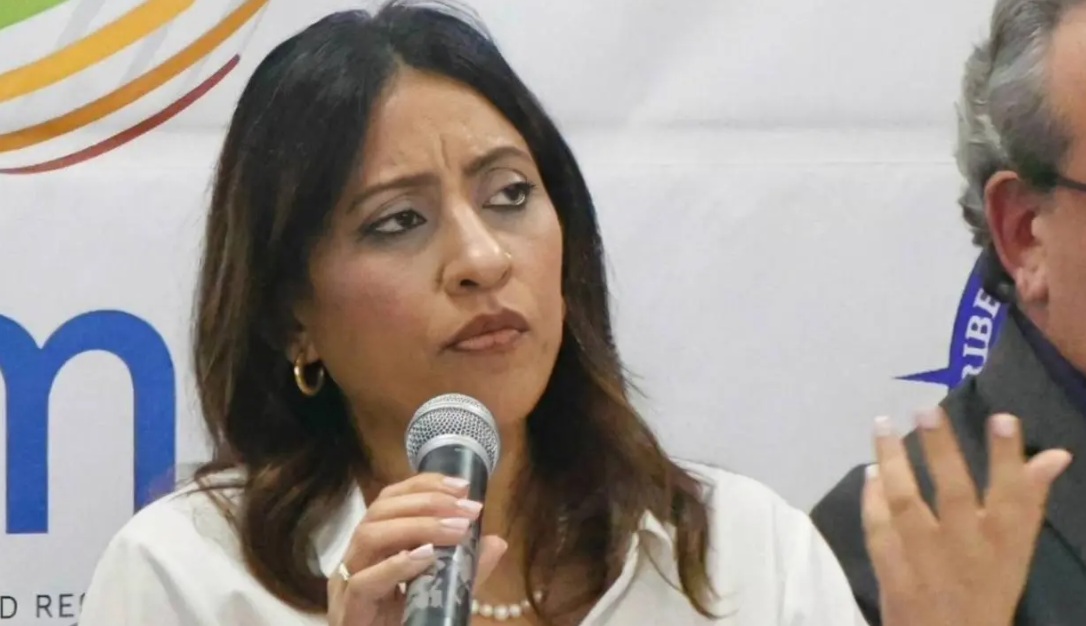
Against the backdrop of looming severe drought conditions projected for the 2026–2027 Caribbean dry season, a leading regional water sector administrator has put forward an innovative cross-border water sharing framework to mitigate widespread supply shortfalls. Speaking exclusively to the Caribbean Media Corporation on the margins of the Caribbean Climate Outlook Forum Stakeholder gathering held in St. Vincent, Laurayne Lucky, Executive Director of the Caribbean Water and Wastewater Association (CWWA), outlined a targeted strategy leveraging Dominica’s underutilized, extensive natural freshwater reserves to support neighbouring water-stressed territories.
Renowned across the region for its dense network of free-flowing rivers and largely untapped groundwater reserves, Dominica holds sufficient excess freshwater capacity to meet both its own domestic demand and export volumes, according to the proposal, which identifies marine barge transport as a cost-effective, low-barrier mechanism to move bulk freshwater between island nations. Lucky emphasized that the unconventional supply model would fill critical gaps for regional water utilities that currently face overlapping operational crises, including tight fiscal budgets, unacceptably high non-revenue water loss rates from aging infrastructure, and growing struggles to secure enough raw water to serve residential and commercial populations during extended dry spells.
Crucially, the CWWA leader stressed that no cross-border water transfer arrangement could move forward without robust, transparent governance guardrails, noting that all participating nations would need to formalize terms through binding policy frameworks, formal memoranda of understanding, or bilateral intergovernmental agreements to avoid misalignment of priorities and ensure Dominica’s domestic water access is never compromised. The proposed collaborative model would deliver dual benefits: it would unlock new, sustainable economic revenue streams for Dominica, while drastically reducing climate-driven drought vulnerability for smaller Caribbean island states that have historically struggled to diversify their water supply sources. Lucky’s comments did not include any announcement of finalized, signed water export agreements between Dominica and other regional partners, marking the proposal as an initial call to action for regional policymakers to prioritize cross-sector climate adaptation cooperation.
Dominica eyed as potential water supplier for drought-threatened Caribbean