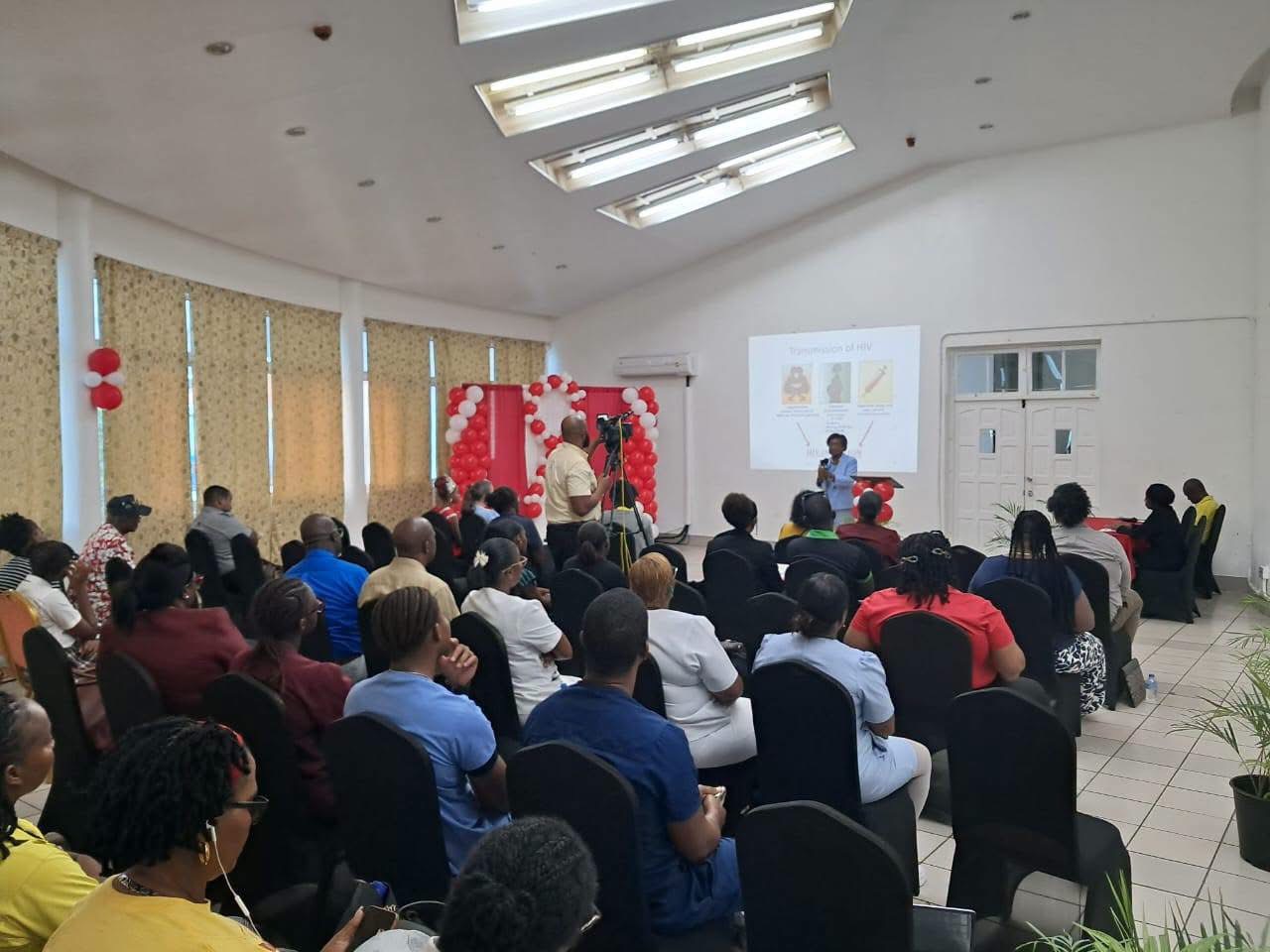
On Thursday, November 26, 2026, the national AIDS Secretariat wrapped up a highly anticipated full-afternoon symposium focused on HIV, AIDS, and sexually transmitted infections (STIs) at the Multipurpose Cultural Centre, timed to align with global World AIDS Day observance efforts. Centered on the targeted theme “Ending AIDS Starts With Access: Healthy Choices in Every Space: Home, School and Work,” the convening assembled a cross-section of stakeholders including everyday community members, frontline clinical health workers, civil society representatives, and public sector partners to drive collective education, open dialogue, and widespread public awareness around sexual health and HIV response priorities. The official opening of the event was delivered by Hildred Simpson, Permanent Secretary of the Ministry of Health, who kicked off a curated lineup of expert-led presentations designed to demystify common misconceptions and address longstanding gaps in local HIV support systems. Clinical Care Coordinator Dr. Maria Pereira led the first core session, breaking down evidence-based facts about HIV and STI transmission, outlining accessible prevention tools, demystifying modern testing protocols, and walking attendees through the latest advances in life-saving treatment regimens for people living with HIV. Following her presentation, Dr. Jonathan McComie delivered a hard-hitting address on the pervasive, often unspoken barriers of HIV-related stigma and discrimination, highlighting how harmful social attitudes continue to deter community members from seeking testing and care even when services are geographically available. Subsequent sessions covered a diverse range of interconnected critical topics: Sister Ann-Marie Browne-Isaac explained the life-saving impact of Elimination of Mother-to-Child Transmission (EMTCT) programs, a public health intervention that has drastically reduced new pediatric HIV cases across the region in recent years. Siobhan Leandro from the national Legal Aid office led an interactive discussion on the legal and ethical foundations of sexual consent, linking clear, consensual relationship norms to reduced risk of STI and HIV transmission. Ayanna Shadrach presented actionable guidance on building healthy, respectful interpersonal relationships across home, school, and workplace settings, while Joy-Ann Harrigan explored the often-overlooked intersection of mental health and sexual health outcomes for people at risk of or living with HIV. Throughout the day, organizers repeatedly emphasized that universal, unobstructed access to prevention resources, confidential testing, continuous treatment, and wraparound social support is the non-negotiable foundation for meeting global targets to end AIDS as a public health threat by 2030. Following the successful close of the event, the Ministry of Health issued a public call to all local residents to prioritize getting tested regularly to know their HIV status, seek immediate clinical support if they receive a positive diagnosis, and intentionally adopt informed, healthy choices across all areas of their daily lives. The Ministry also extended formal gratitude to all volunteer presenters, institutional partners, and attending community members, noting that their active participation was the driving force behind the symposium’s ability to generate tangible, community-led momentum for local HIV response efforts.