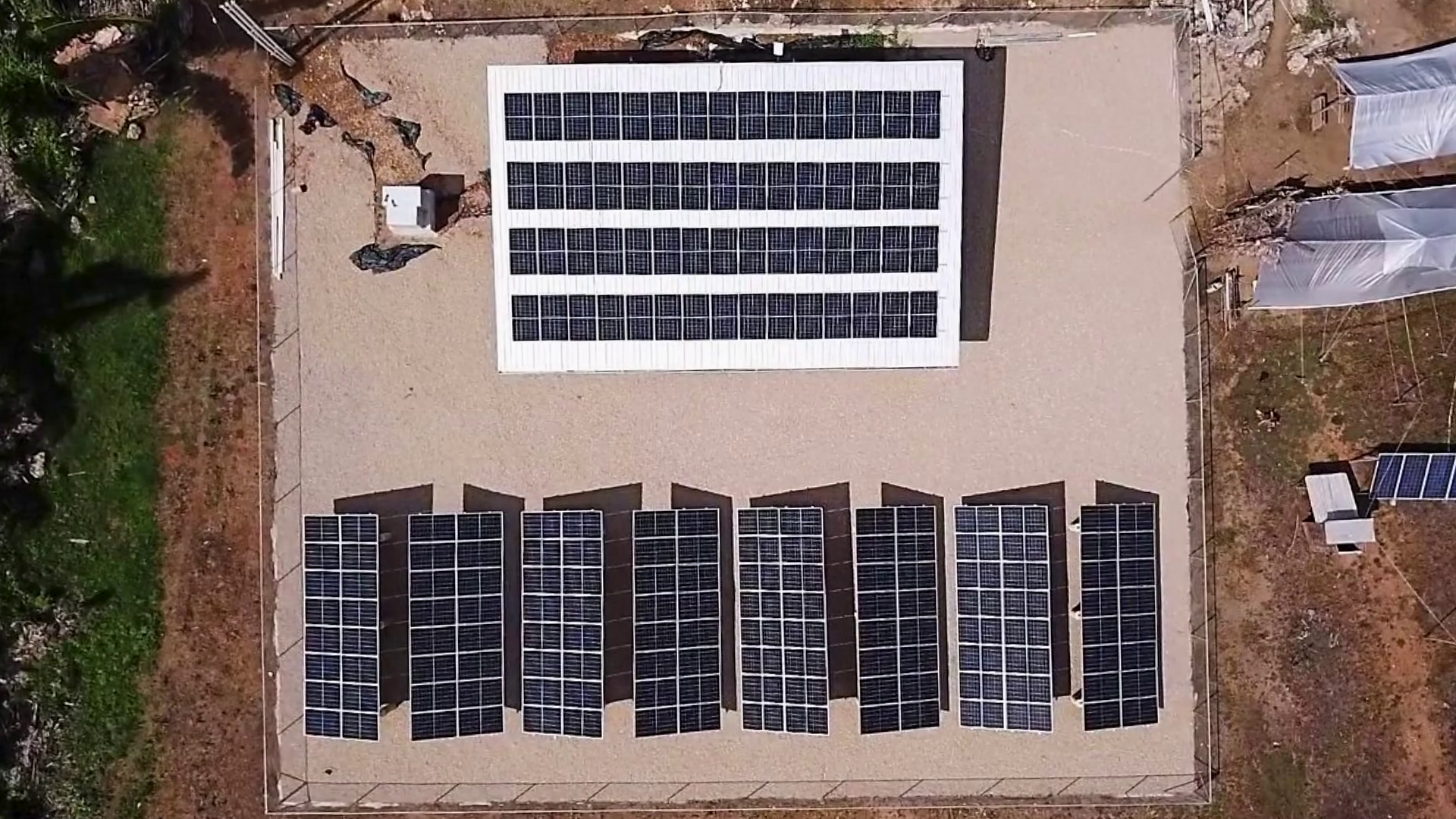
During a recent official press conference hosted by Belize Electricity Limited (BEL) on November 26, 2026, Executive Chairman Lynn Young outlined a clear, multi-pronged framework to scale community-led solar energy adoption across the nation, as Belize accelerates its transition away from fossil fuel-reliant power systems toward a distributed, renewable energy future. Small coastal communities such as Caye Caulker have emerged as early test cases for localized power generation models, where residents and small business owners can generate, store, and even feed excess solar power back to the national grid, but Young emphasized that widespread rollout of these programs cannot move forward without two foundational pillars: targeted private capital investment in residential and commercial solar panel arrays and battery storage infrastructure, and sweeping, coordinated upgrades to the country’s aging electricity distribution network to create a fully integrated smart grid. Young clarified that BEL does not have regulatory or pricing control over the upfront cost of consumer solar hardware, noting that uptake of residential and small business solar systems will be largely shaped by individual household and enterprise investment capacity and market fluctuations in solar equipment pricing. To lay the initial groundwork for two-way power flow, BEL is already rolling out a nationwide full replacement of legacy electricity meters with bidirectional smart meters that can accurately track both power consumed from the grid and excess solar power fed back into the system by distributed generators, a core requirement for fair net-metering compensation for community solar participants. The utility is also in active regulatory negotiations with the Public Utilities Commission (PUC) to formalize investment plans for distribution network upgrades, addressing longstanding technical limitations of legacy grids that are not designed to manage the inherent variability of solar power output. Even with residential and community battery storage systems, Young explained, lithium-ion batteries have operational constraints that cannot match the rapid, load-following response capacity of traditional rotating generation assets such as hydroelectric and diesel power plants. To mitigate disruptions from sudden solar output dips — such as those caused by passing cloud cover, unexpected battery performance issues, or spikes in local power demand — BEL is rolling out layered smart grid upgrades beyond just residential meters: these include intelligent monitoring and control systems for distribution reclosers and local substations, plus new centralized dispatch center software that can automatically adjust output from hydro and diesel generation assets in real time to balance grid load and maintain stable power quality. The full remarks were delivered as part of the network’s evening television newscast, with Kriol-language segments transcribed using a standardized, community-approved spelling system for accessibility.