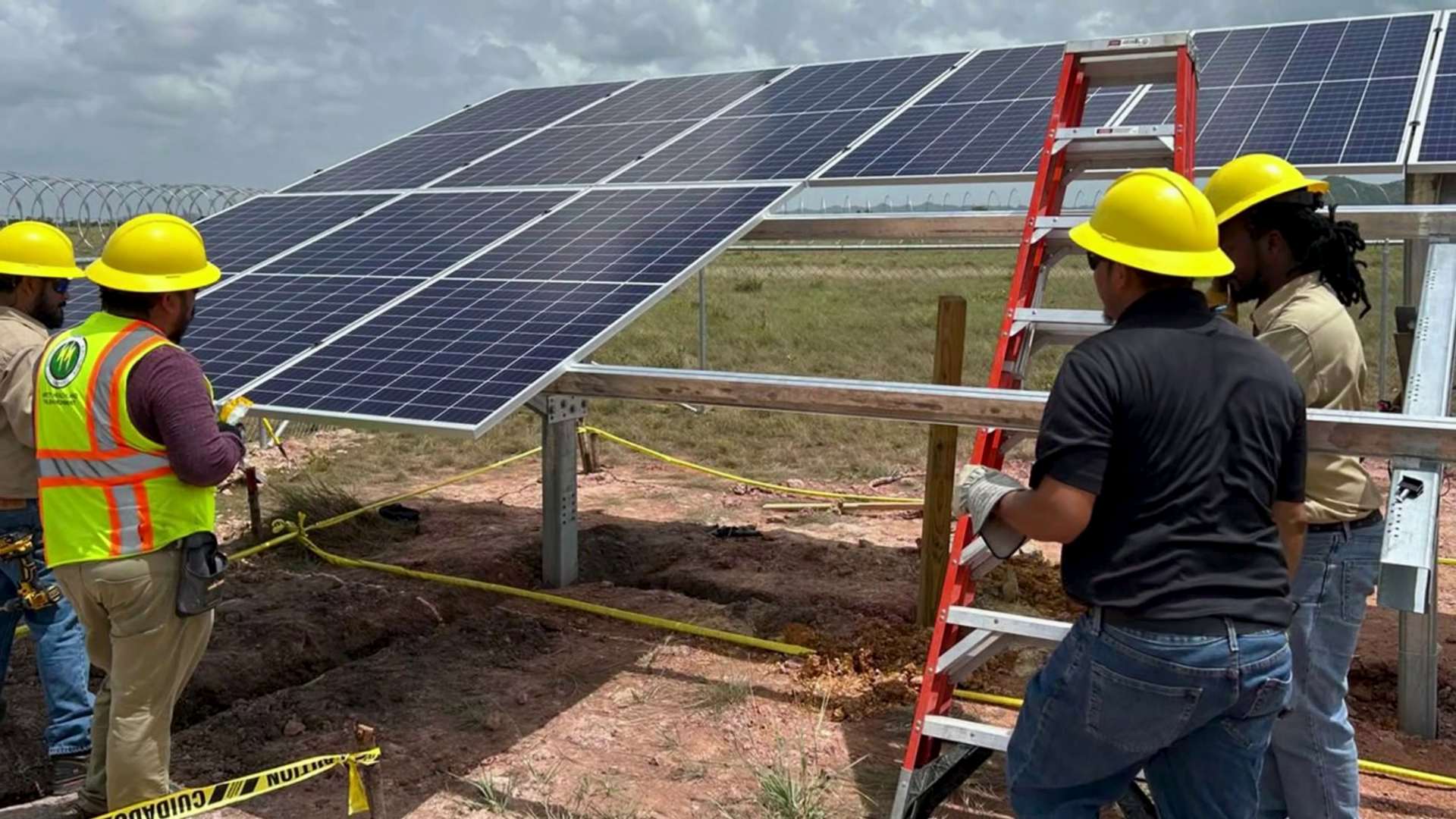
Released on November 26, 2026, this investigative news piece delves into a critical bottleneck threatening Belize’s ambitious shift away from fossil fuel dependence toward a renewable energy ecosystem anchored in expanded solar generation, advanced smart grid infrastructure, and large-scale battery energy storage systems. As the Caribbean nation races to cut electricity costs and align its operations with global climate action targets, industry leaders are raising pointed questions about whether the local labor pool has the specialized technical expertise required to deploy, maintain, and operate these next-generation energy assets. In an exclusive interview, Lynn Young, Executive Chairman of Belize Electricity Limited (BEL), outlined the complex, chicken-and-egg dynamic that small island and developing nations like Belize uniquely navigate during energy transitions. Young confirmed that all major local energy operators, including Hydro Belize Limited, Lamanai Solar, and the Belize Electricity Authority’s associated utility arm BAPCol, have already launched targeted upskilling programs for their in-house engineering teams, sending staff to international specialized training sessions and industry conferences focused on cutting-edge battery storage and solar technology. Despite these proactive internal efforts, Young acknowledged that the country’s formal technical vocational institutions and national university have not yet rolled out standardized, large-scale training pipelines tailored to the exact skill sets the emerging renewable sector demands. He cited the landmark Chalillo hydropower project as a clear precedent of this structural gap: during construction, the project was unable to source enough locally certified welders to complete core specialized work, even though no sustained demand for that level of certified welding expertise existed in the local market prior to the project breaking ground. Young emphasized that for small nations, it is economically unfeasible to train a full cohort of specialized technicians before concrete, long-term job opportunities for those roles are established, just as it is impossible for large-scale renewable projects to move forward at full speed without access to that pre-existing skilled workforce. This paradox, he noted, is a shared challenge across small national markets worldwide as they pursue decarbonization, even as the new renewable technologies promise dramatic long-term reductions in consumer electricity rates and sharp cuts to national greenhouse gas emissions.