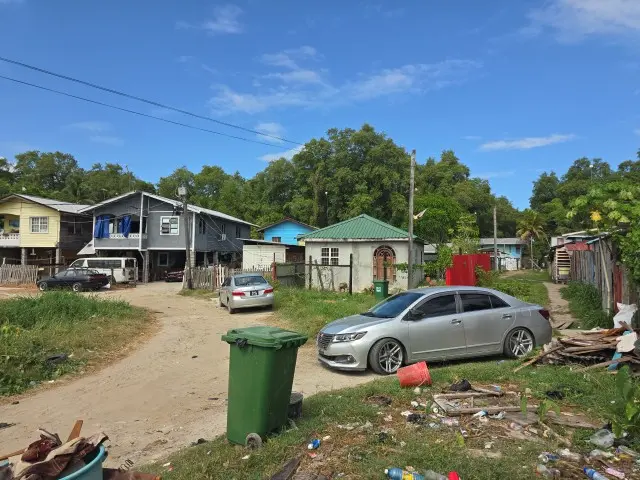
Nestled along the Atlantic shoreline of Vreed-en-Hoop on Guyana’s West Bank Demerara, the decades-old informal settlement nicknamed Plastic City is home to just over 1,000 residents, many of whom have lived, worked, and raised families on the plot for more than 30 years. Now, the entire community stares down the threat of mass eviction and full-scale demolition of their makeshift shacks and even permanent concrete homes, as the Central Housing and Planning Authority (CH&PA) signals it may move forward with long-teardown plans after a 10-day formal ultimatum for residents to vacate expired last week. As of Thursday, November 26, 2026, local outlet Demerara Waves Online News confirmed that while many residents hold out a faint hope the government will pause enforcement through the upcoming Christmas holiday to avoid unnecessary disruption, widespread anxiety and uncertainty have gripped the tight-knit community, with most residents deeply wary of being displaced abruptly with no clear alternative housing arrangements in place. Housing Minister Collin Croal previously told Demerara Waves that a subset of the settlement’s squatters have already been assigned formal house lots, while others have not yet submitted applications for the program. However, the minister has repeatedly failed to respond to follow-up inquiries regarding residents’ formal demands: dedicated land allocations for all displaced families, direct financial aid to cover relocation costs, and an extended grace period to build permanent dwellings on the plots already granted to them. Multiple attempts by reporters to secure additional comment from Croal have yielded no results. The first signs of enforcement arrived as early as mid-November 2026, when CH&PA crews demolished a small number of homes and issued two-week vacation notices to dozens of other households, sparking widespread panic among residents. Sandra Edwards, a long-time Plastic City resident, told reporters on November 14 that the community is paralyzed with frustration, as no official has communicated a clear next step for their relocation. She explicitly referenced the 2023 eviction of squatters from a government reserve in Mocha, East Bank Demerara, where excavators razed homes after residents ignored repeated vacation orders, saying the community is terrified of facing the same sudden, unannounced destruction. Edwards added that CH&PA first sent representatives to tour the settlement in March 2026, with follow-up visits later in the year, and that groups of residents who traveled to the Housing Ministry to negotiate were told they would receive a follow-up call that never arrived. She has urged the government to not only assign land to all displaced families, but to pre-install core basic utilities including water, electricity, and road access on those new plots before eviction is enforced. The crisis hits particularly hard for vulnerable members of the community. Justin Mc Lean, a seriously ill 28-year resident of Plastic City, says he has been waiting for years to move into a permanent home on his allocated government plot, but cannot complete construction without direct state support. Priscilla Samuels, a mother of multiple young children who rents a home in the settlement, remains on the housing lot waiting list with no confirmed placement. “Where am I going to go with my kids? I can fend for myself, but I have nowhere to shelter my children,” she pleaded, adding that she is willing to pay for a turnkey government housing unit if authorities can provide one. 62-year-old Rohini Damodar, who first moved to the then-jungle-covered plot in 1986 and built a sturdy concrete home after decades of saving her earnings from low-wage work, says she will refuse to leave the land she helped develop until she dies, even after recently losing her source of employment. Livestock farmer Wayne “Ninja” Watson, who relies on his herd of sheep, pigs, and white fowl chickens to feed his entire family, says he has no idea where he can relocate his livestock if eviction proceeds, and has called on Attorney General and Legal Affairs Minister Anil Nandlall to grant him a dedicated agricultural plot that he can pay for in small, incremental installments, while also reaching out to opposition parliamentarians for advocacy support. Even voters who previously supported the ruling People’s Progressive Party Civic (PPPC) have expressed deep disillusionment over the government’s handling of the situation. Yanida Carvahal, a 34-year-old woman of mixed Venezuelan and Guyanese heritage who cast her ballot for the party in the last general election, says she has no viable alternative housing and will never vote for the PPPC again, accusing the administration of abandoning the campaign promises it made to provide accessible housing for working-class families.
Plastic City residents worried about planned demolition of houses, appeal for urgent govt help