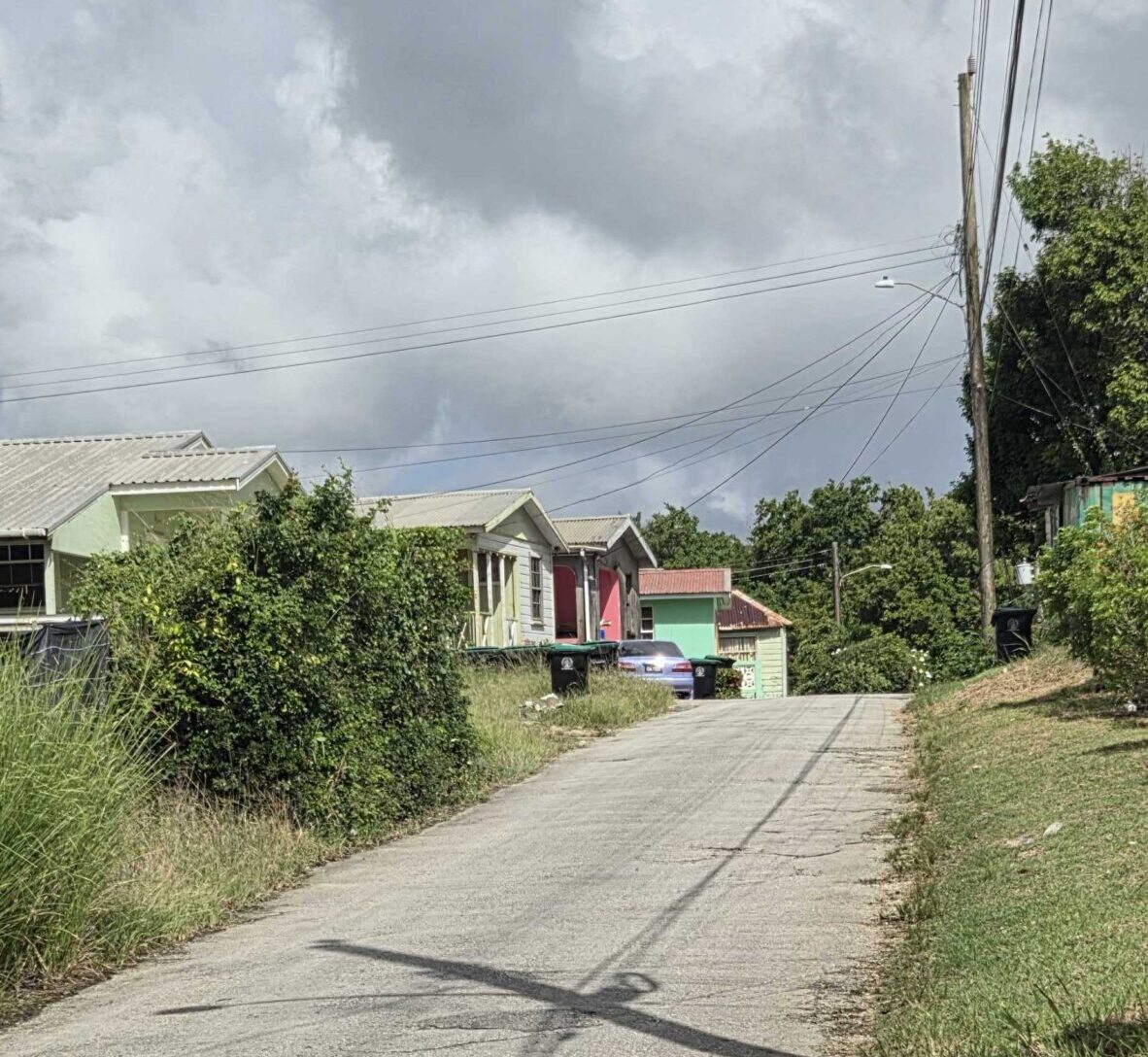
Thousands of residents and local business operators across swathes of St George and St Thomas, Barbados, have spent weeks navigating crippling water outages and chronically low pipeline pressure that has upended daily routines, strained household budgets, and left many scrambling for access to safe running water for basic needs. On Thursday, the Barbados Water Authority (BWA) confirmed that field maintenance crews had identified a ruptured large-diameter water main in Proute Gully, St Thomas, and had deployed full teams to carry out urgent repair works to address the fault. While the public utility stopped short of formally confirming that the damaged pipe is the root cause of the widespread service disruptions, it announced that technicians would conduct ongoing, round-the-clock monitoring of the affected water network segment, and cautioned that full restoration of normal water pressure across the impacted zones would not happen immediately after repairs are finalized, as the system requires time to refill and stabilize. To ease pressure on affected communities during the recovery window, the BWA stated that its fleet of mobile water tankers would continue to make scheduled stops to deliver potable water to residential zones that remain cut off from consistent supply. The BWA’s latest update brought a glimmer of cautious optimism to households in the Free Hill neighborhood of St George, where residents told local outlet Barbados TODAY that unreliable water service has evolved into a grueling daily hardship that shows no sign of abating. Many households have been forced to dip into limited savings to purchase costly water storage tanks, and rely on bottled water for drinking, cooking, and hygiene when pipeline supply cuts out unexpectedly. One family of four that moved into a newly built housing development in the area just four weeks ago shared that their water supply vanishes almost every weekday at 6 a.m. — exactly the window when family members are preparing for work, school, and infant care. Weekend outages are far more severe, often stretching for 12 hours or longer. The household, which includes a newborn baby and a teenage daughter, noted that real estate agents had assured them prior to purchasing the property that water pressure would only dip occasionally, with no extended interruptions. Instead, they have been left relying on handouts of bottled water from relatives and friends to cover basic needs including handwashing and toilet flushing. “We went through one entire Sunday where the water didn’t come back on until after 9 p.m., and that level of service is completely unacceptable,” the resident explained. “As a woman with a small baby at home, having no running water for that long is deeply uncomfortable and disruptive. Getting a storage tank installed is both time-consuming and extremely expensive; we are in the process of getting one, but we still need reliable temporary water support to get by right now.” A second resident, who relocated to the Free Hill district a year ago, shared that their supply only runs reliably before 5 a.m. most days, with pressure starting to plummet sharply at 6 a.m. or 6:30 a.m. and not returning to normal levels until around 9 a.m. on weekdays, with far longer, unplanned cuts on Saturdays and Sundays. To adapt, the household stores as much water as possible in large buckets overnight, and noted that they have never seen a BWA water tanker service their immediate neighborhood in the full year they have lived there, with local neighbors repeatedly advising new arrivals to invest thousands of dollars in a private storage tank as a mandatory coping measure. A long-term Free Hill resident who has called the community home for 11 years confirmed that the water crisis has deteriorated dramatically over the past five years, with pressure now routinely dropping to unusable levels between 6 a.m. and 10 a.m., and again from 5 p.m. until 7 p.m. or even 8 p.m. every evening. The irregular schedule has forced most local households to shift chores like laundry to the dead of night or the pre-dawn hours when water pressure temporarily rises. “When we get heavy rainfall, not only does the water pressure drop even further, but the water that does come out of the taps turns murky brown and is unsafe to use without extensive filtering,” the 11-year resident added. They noted that while a BWA water tanker will occasionally make a rare appearance in the area, water pressure usually starts to return to normal before the vehicle arrives, making it a wasted effort to haul heavy buckets long distances to collect tanker water. Across all affected households, residents have emphasized that the upfront cost of purchasing and professionally installing a large water storage tank is prohibitively high for many low and middle-income families in the community, leaving them with no viable long-term solution to the ongoing supply disruptions.