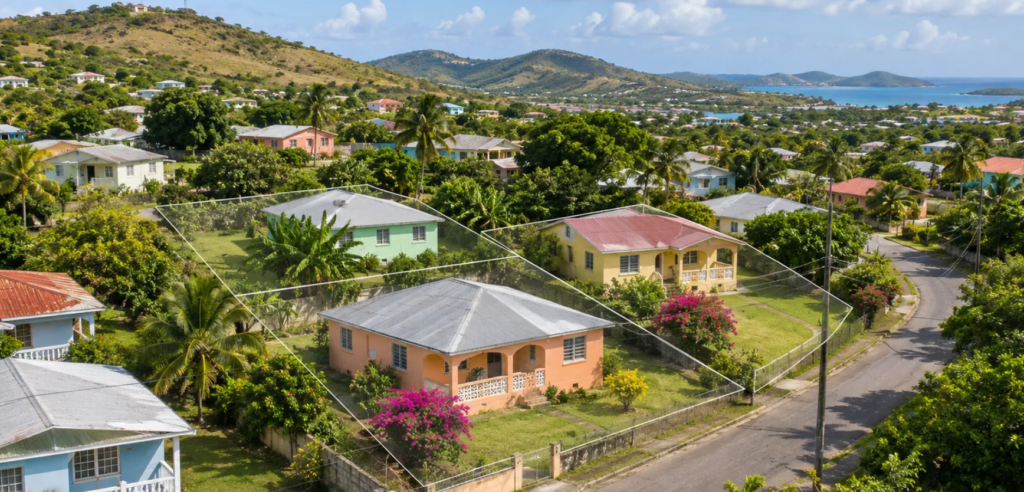
Antigua and Barbuda’s Inland Revenue Department (IRD) has reported a landmark uptick in annual property tax revenues, climbing to roughly $30 million from a prior baseline of $17 million to $19 million, as the twin-island nation ramps up targeted efforts to close longstanding collection gaps and raise taxpayer adherence. The agency presented its latest performance metrics and updated enforcement roadmap during a formal Wednesday Cabinet session, confirming that delinquent property tax accounts are now being pursued via formal legal channels to recover millions in outstanding unpaid sums. In a critical advisory issued during the meeting, tax authorities clarified that property owners bear full legal responsibility for settling their required tax obligations regardless of whether they have received an official assessment notice in the mail, eliminating a common loophole many non-compliant residents have cited to defer payments for years. To further modernize its tax administration infrastructure, the government is actively evaluating the deployment of high-resolution satellite imagery to map every parcel of land across the archipelago, a measure designed to eliminate unregistered properties and drastically improve the precision of the national property tax register that has long contained outdated or incomplete entries. Cabinet also formalized a new binding policy directive that mandates all holders of long-term leases on state-owned Crown land to remit all applicable property taxes, except in cases where a formal exemption or waiver has been granted by relevant revenue authorities. The only explicit carveout to this new rule applies exclusively to lessees using Crown land for licensed agricultural operations, who will remain exempt from these payment requirements. To codify these sweeping policy changes into enforceable law, the government has launched the drafting process for targeted amendments to the existing Property Tax Act, which is expected to close lingering regulatory ambiguities, streamline enforcement protocols, and create a more equitable, transparent property tax system that ensures all eligible property holders contribute their fair share to public revenue streams.
Property Tax Collections Reach About $30 Million as Government Targets Outstanding Payments