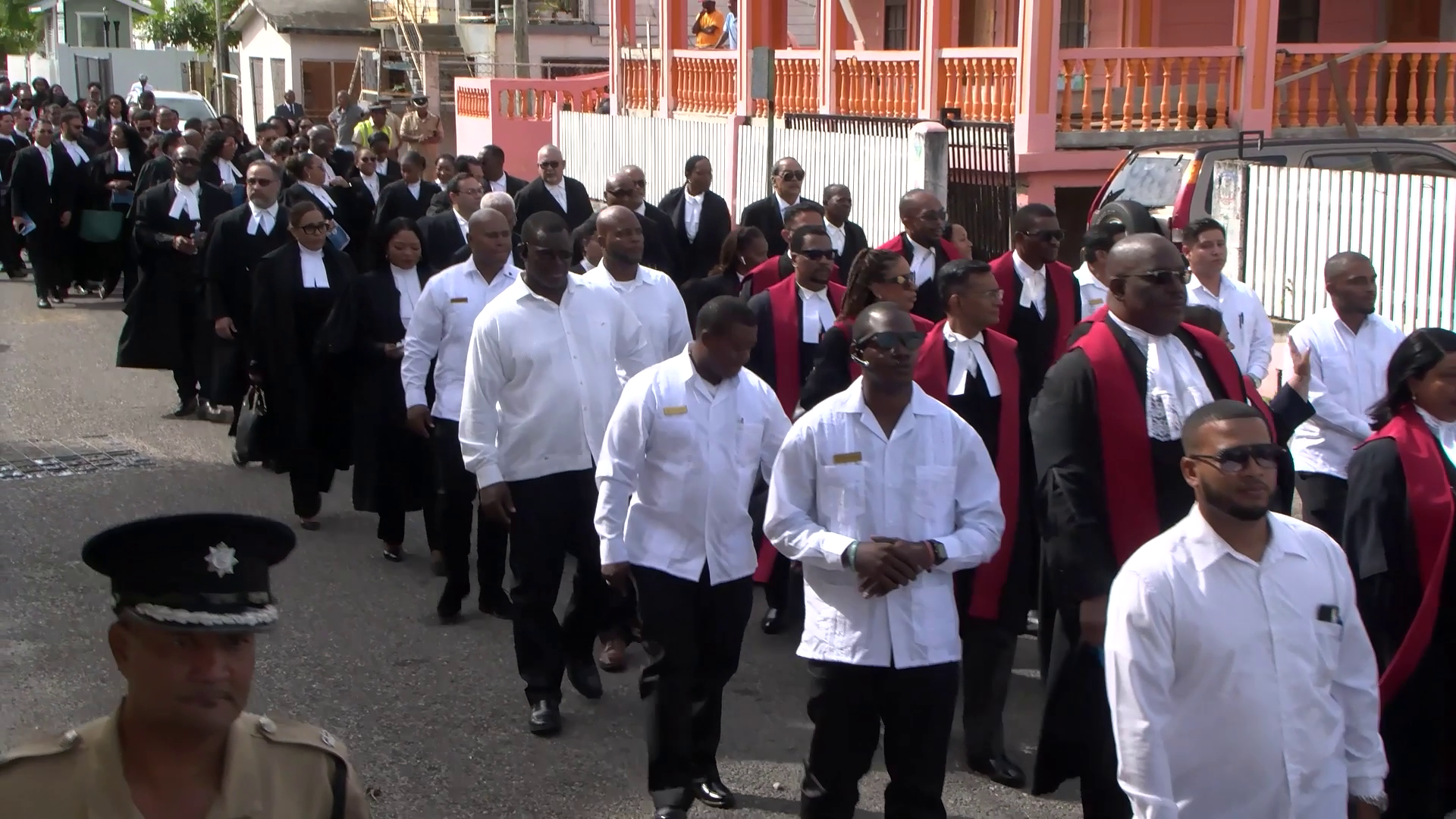
On November 26, 2026, a long-simmering dispute over representation in Belize’s judicial governance framework escalated sharply, as the national Association of Defence Attorneys (ADA) formally rejected proposed constitutional reforms for the Judicial and Legal Services Commission and issued a firm, non-negotiable demand for a permanent, equal voting seat on the oversight body. The advocacy push aligns with longstanding calls from retired Justice Antoinette Moore to expand professional opportunities for local Belizean legal practitioners and strengthen the independence and local representation of the national judiciary.
In an exclusive evening broadcast interview, ADA Secretary Orson “OJ” Elrington outlined the group’s deep frustration with recent proposals put forward by the Office of the Attorney General, which would relegate the ADA to a rotating, temporary seat shared with unspecified, as-yet unestablished legal associations. Elrington emphasized that the group’s position is the product of years of formal advocacy on the issue, rooted in the ADA’s unique representative mandate: its membership accounts for 99% of all active attorneys practicing in Belize’s criminal bar, a division that makes up fully half of the country’s judicial operations alongside the civil court system.
Elrington characterized the proposed rotational structure as unacceptable, discriminatory, and potentially in violation of Belize’s constitutional guarantees of freedom of association. “This is not a request,” he stressed, noting that the Attorney General has already publicly acknowledged that the ADA is entitled to formal representation on the commission. The association is prepared to take unspecified targeted action if its demand for a permanent, equal seat matching that held by the general national Bar Association is not accommodated, to ensure the perspectives of criminal legal practitioners are centered in decisions shaping judicial appointments, operations, and regulatory standards for the local legal profession.