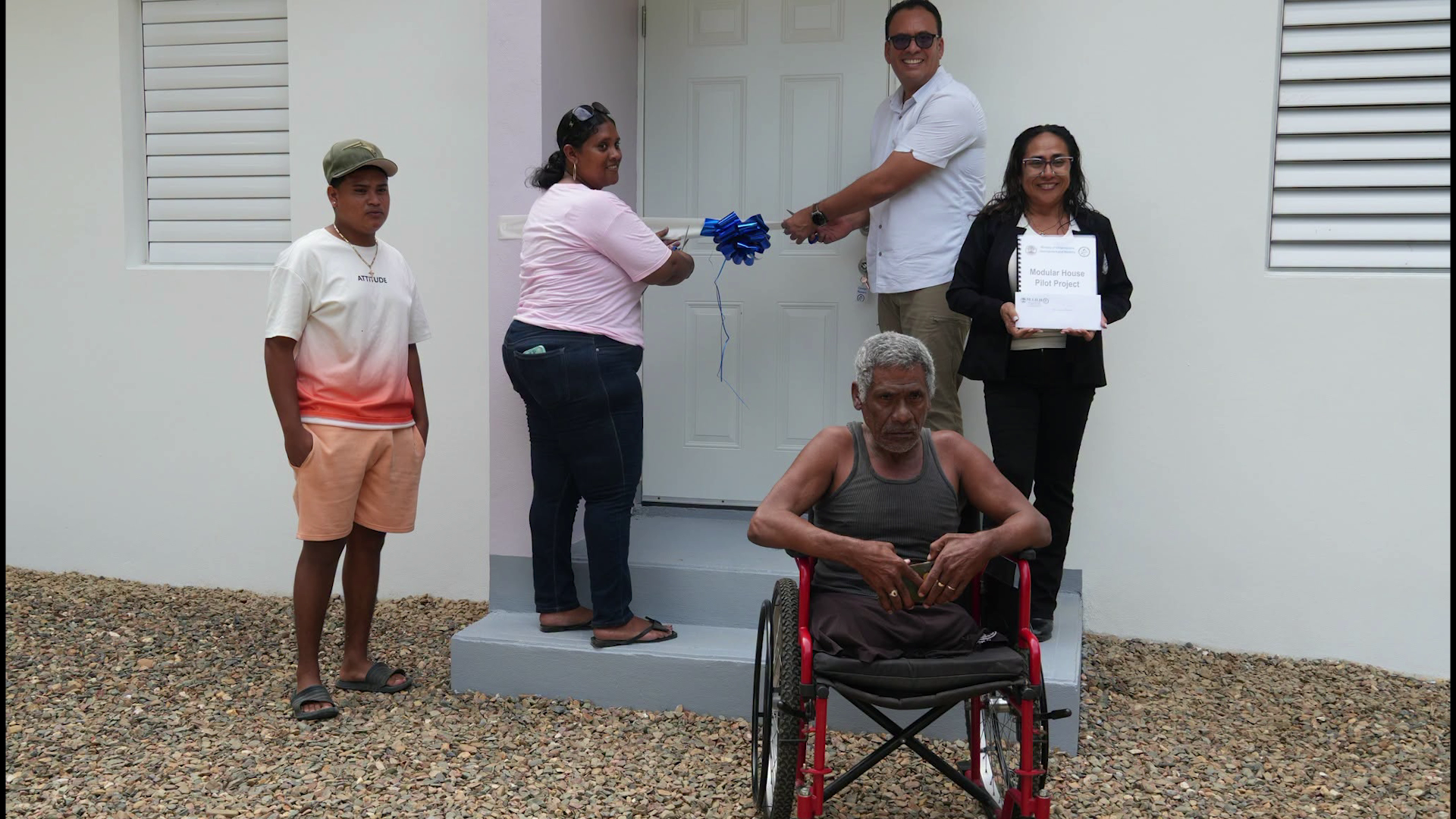
On November 25, 2026, Belize’s Minister of Infrastructure Development and Housing Julius Espat, who also serves as the Area Representative for the Cayo South constituency, unveiled a detailed, community-centered framework to disburse a portion of the national temporary housing allowance, emphasizing that every allocated dollar will be directed to the most vulnerable residents across his 13 local villages.
Espat confirmed that his constituency will receive BZ$19,350 in monthly funding over a four-month window, a modest national housing support pool that he stressed will deliver tangible, life-improving aid to families who have long been overlooked in previous housing support schemes. Working in close collaboration with local village leaders, the constituency’s outreach teams completed preliminary needs assessments across three pilot villages earlier that week to refine the distribution criteria, which diverges from prior programs that prioritized young people and single mothers: this round of support is explicitly targeted at elderly residents facing unmet housing repair and upgrade needs.
Under the finalized plan, two eligible recipients will be selected per village each month, totaling 26 beneficiaries monthly across the constituency. To cut down on redundant administrative work, the program is leveraging the existing, well-vetted procedural framework already established by the Ministry of Infrastructure Development and Housing’s long-running national housing initiative. Eligible applicants will still be required to submit proof of residency, documentation verifying their housing need (including photographic evidence of dilapidated infrastructure), and formal quotations for required construction materials or repairs, but funds will never be disbursed directly to beneficiaries. Instead, payments will be sent directly to the local hardware or construction service provider named in the approved quotation, eliminating risks of fund misuse and streamlining the full approval workflow. Espat noted that this adapted, pre-vetted process will move far faster than standard ministry protocols, and he has urged all 30 of the country’s area representatives to adopt the same standardized model to ensure consistency and accountability nationwide.
When pressed on why the full BZ$3 million national housing allowance is not being administered entirely through the Ministry of Infrastructure Development and Housing’s established national system rather than distributed through individual area representatives, Espat acknowledged that both delivery models carry distinct tradeoffs. While running the full program through the ministry’s formal channels would leverage existing institutional experience and established governance structures, the standard bureaucratic workflow — which requires sequential sign-offs from the Chief Executive Officer, ministry finance officers, and national treasury teams — takes an average of 30 days to process a single application and deliver support to a beneficiary. The new area representative-led model was designed to cut that timeline significantly, as the national government aimed to deliver fast, tangible relief to vulnerable households within a tight four to five month implementation window. Espat also pushed back on public suggestions to split the funds into smaller, BZ$200 or BZ$500 grants for more households, noting that as a veteran leader in the construction sector, he knows small sums of that scale are insufficient to purchase meaningful building materials or address even basic critical housing repairs. He emphasized that while the total number of beneficiaries is modest, “two more than zero” is a meaningful starting point to deliver real, usable support to communities, and every area representative bears a direct personal responsibility to ensure funds reach the neediest residents in their constituencies.
Julius Espat Breaks Down Housing Assistance System