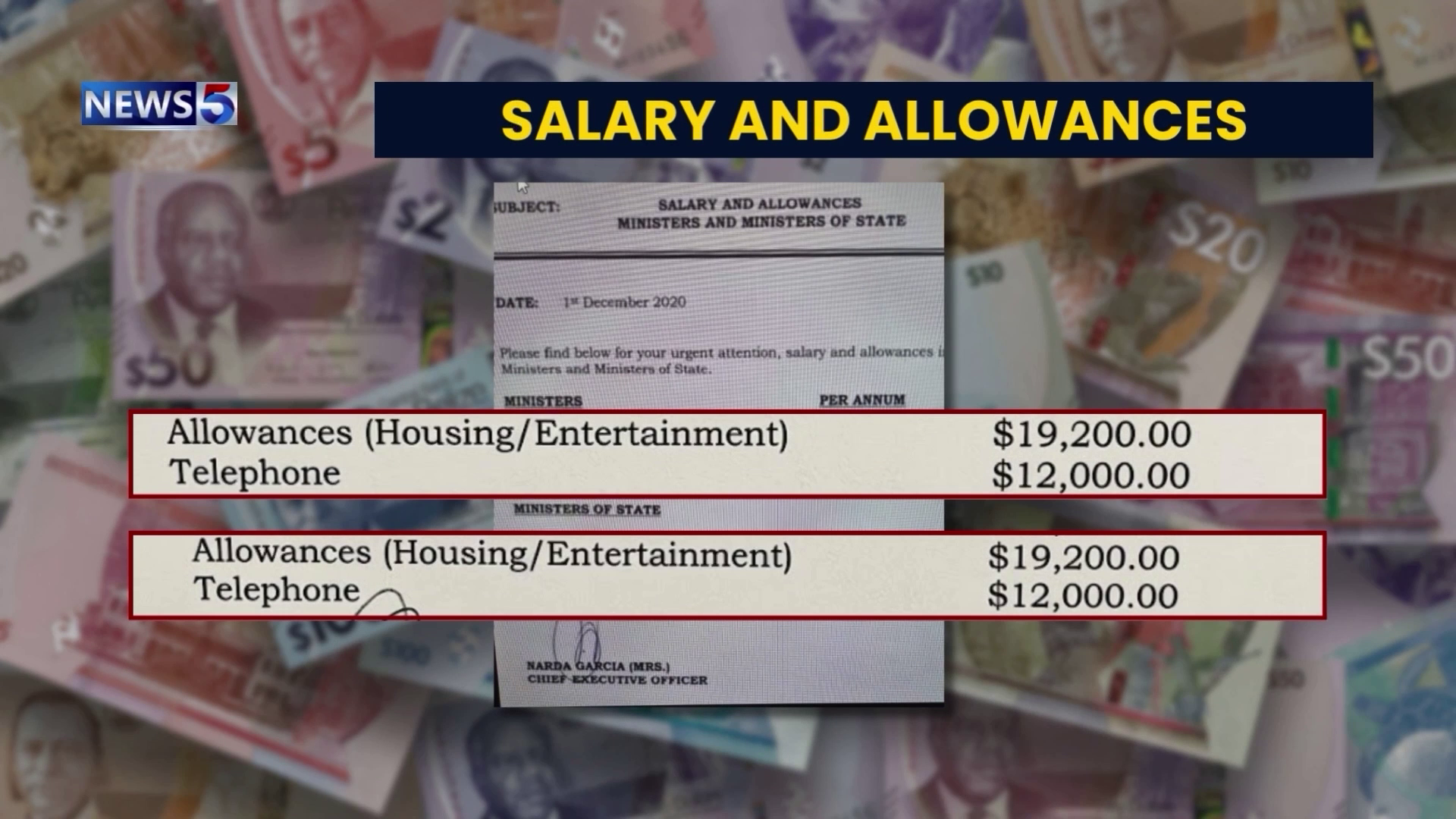
On November 25, 2026, Belize’s Ministry of Infrastructure Development and Housing confirmed a landmark fiscal adjustment measure that cuts all Cabinet members’ official allowances by 50%, a policy designed to align government leadership’s financial sacrifices with the broader economic pressures facing ordinary citizens across the country. Minister Julius Espat, the public official leading the infrastructure and housing portfolio, spoke openly with local news crews about the new policy, noting that the reduction would impose minimal personal burden on elected leaders. “The original allowance for Cabinet roles was never a substantial sum to begin with, so halving it will not create meaningful financial strain for me,” Espat explained. “Of course, no one welcomes a cut to their income, but as Belizean public servants, we have a fundamental responsibility to stand in solidarity with the communities that elected us. When we are asking everyday households to navigate cost pressures and exercise patience as the government rolls out targeted relief, it is only fair that we demonstrate we are willing to share that burden ourselves.” Espat went on to emphasize that elected area representatives and Cabinet ministers are privileged to hold their positions, and that the allowance cut sends a clear, reassuring signal to the public that leadership is committed to collective well-being rather than personal gain. When asked by reporter Shane Williams whether he was fully satisfied with the full suite of government relief measures currently being rolled out, Espat acknowledged that no policy framework could ever meet 100% of public needs amid such challenging circumstances. “None of us will ever be completely satisfied with every part of these relief packages, because we are navigating an exceptionally difficult economic moment,” he noted. “The Prime Minister is putting forward every possible effort to identify support mechanisms that reach the people who need it most. Some measures will deliver strong results, while others may require adjustments over time.” Espat also outlined that the Cabinet has scheduled a five-month ongoing review period, running from November 2026 through to the end of the current fiscal cycle, during which leaders will hold weekly meetings to assess the performance of all relief policies, track shifts in both local and global economic conditions, and revise programs as needed to ensure support reaches vulnerable populations as intended. The news segment is a direct, unedited transcript of the local evening television newscast, with spoken Kriol dialogue rendered using a standardized spelling system for full public accessibility.