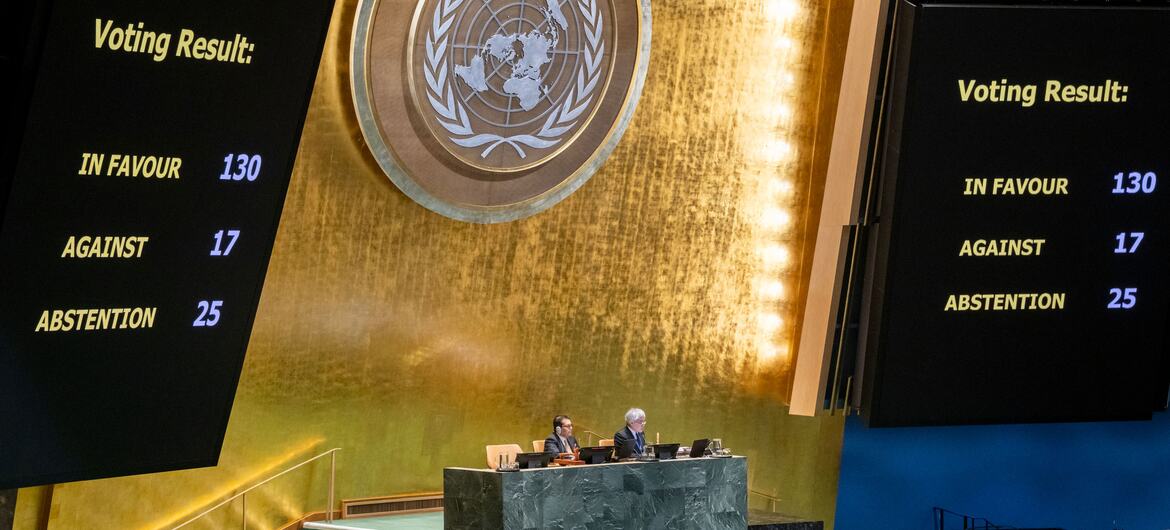
Jamaican Prime Minister Andrew Holness formally clarified to national lawmakers on Tuesday that his administration faced zero external coercion from the United States to alter its longstanding voting stance on the decades-old U.S.-led trade and economic embargo against Cuba during the latest United Nations resolution last month. The public address came in direct response to a formal query from Opposition Leader Mark Golding, who had pressed Holness to disclose any alleged pressure exerted on Jamaican officials to abandon the country’s historic support for UN motions calling for an end to the Cuba embargo, in favor of an abstention during the 28 October vote. Holness explicitly drew a clear line between Jamaica’s diplomatic circumstances and those of Antigua and Barbuda, whose Prime Minister Gaston Browne had openly acknowledged earlier this month that his government reversed a planned vote in favor of the Cuba-backed resolution after receiving a formal warning from the U.S. State Department. Browne shared details on his weekly national radio program that U.S. officials cautioned a pro-Cuba vote would derail ongoing high-stakes negotiations to expand U.S. visa access for Antiguan and Barbudan nationals. Browne noted the administration instructed its UN representative in New York to abstain, but the diplomat did not appear for the vote, resulting in Antigua and Barbuda being marked absent alongside Dominica and St. Lucia. Holness emphasized that Jamaica’s foreign policy framework is intentionally structured to avoid unnecessary geopolitical friction, with core priorities centered on advancing national economic independence, building mutually beneficial international partnerships that serve Jamaican public interests, and upholding the nation’s sovereign principles and dignity without compromise. “No pressure was brought on me. No one threatened me or anything like that. And I just want to be very clear that Jamaica is not the country that you would threaten. That’s not our history, that’s not who we are,” Holness told Parliament. Following Jamaica’s abstention on the resolution, U.S. State Department Deputy Spokesman Luke Ortega publicly praised Kingston’s position in comments to the Jamaica Gleaner, framing Jamaica as a valued bilateral partner whose diplomatic stance the U.S. recognizes as constructive. The 28 October UN vote revealed a fragmented set of positions across the Caribbean Community (Caricom) bloc: alongside Jamaica, Haiti and Guyana also abstained, while Trinidad and Tobago voted against the resolution. Trinidad’s Prime Minister Kamla Persad-Bissessar later defended her government’s pro-embargo vote, stating “we cannot want to live in light at home and remain silent when others live in the shadows of oppression and exploitation.” Seven Caricom nations including The Bahamas, Belize, Barbados, Grenada, St Vincent and the Grenadines, St Kitts and Nevis, and Suriname voted in full support of the resolution demanding an end to the U.S. Cuba embargo.