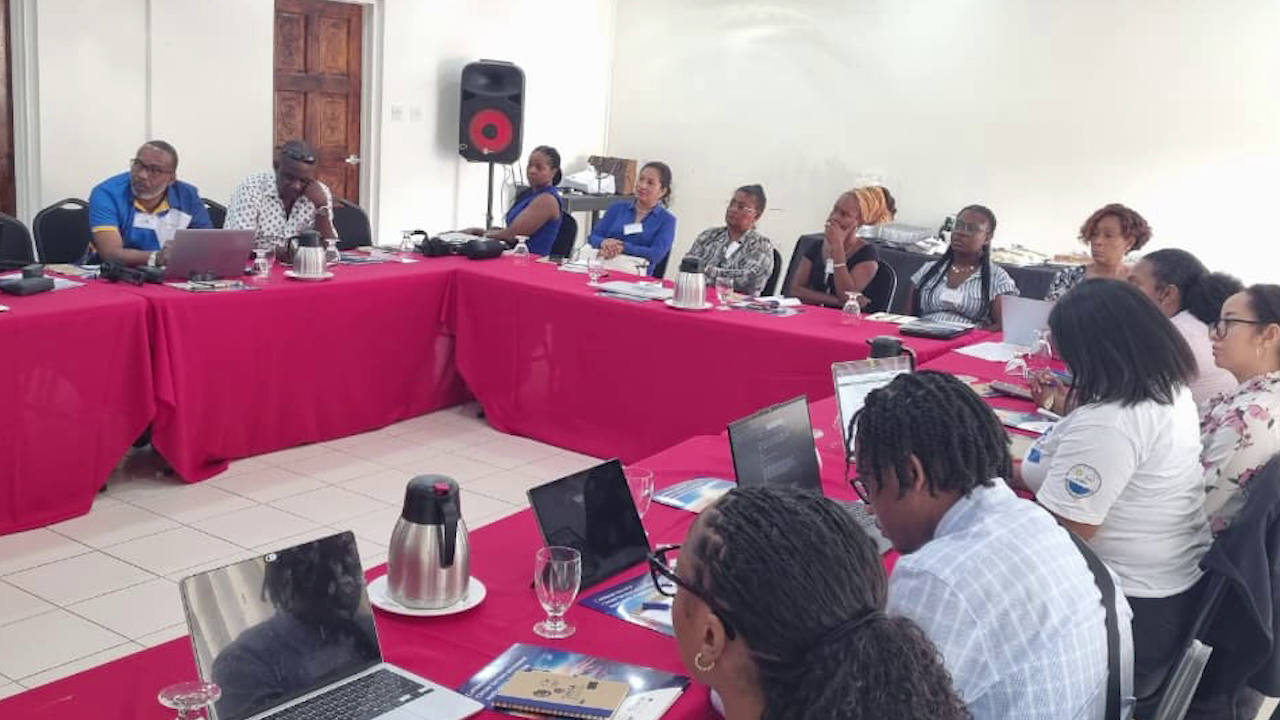
As the Caribbean braces for a potentially unprecedented strong El Niño event projected to bring an unusually harsh, water-scarce dry season stretching from late 2026 into 2027, regional meteorological and hydrology specialists are rolling out targeted training programs for local journalists to bridge the longstanding gap between dense climate science and community survival. For Caribbean households, climate volatility is no longer a distant hypothetical: it manifests in record-breaking daytime temperatures, extended rainless stretches, sudden destructive flash floods, and steadily mounting strain on already fragile potable water supplies. But even the most rigorously accurate seasonal climate forecast fails as a public safety tool if ordinary people, smallholder farmers, local business owners, and government administrators cannot parse what the technical data means for their daily lives, livelihoods, and emergency planning.
This cross-sector collaboration traces its roots back nearly 30 years, when a global response to a historic El Niño event laid bare the catastrophic vulnerability of small island developing states that lacked both reliable seasonal forecasting infrastructure and functional, accessible early warning dissemination systems. Today, structured Regional Climate Outlook Forums regularly convene climate scientists, government policymakers, and representatives from climate-exposed sectors including agriculture, public health, and water management to analyze multi-month weather projections and flag looming hazards ranging from extreme heat to crop-failing drought and flash flooding. That collaborative framework has grown exponentially more critical as 2026’s high-magnitude El Niño looms over the Caribbean.
Adrian Trotman, a senior specialist at the Caribbean Institute of Meteorology & Hydrology, explained the core purpose of the journalist training initiative: “These sessions are designed to actively engage media practitioners across the region to deepen their fluency in climate-related issues, demystify the day-to-day work of meteorologists and climatologists, and equip them to distill our most critical, life-saving key messages for the general public and every climate-sensitive sector across our islands.” He emphasized that the 2026 El Niño is shaping up to be a potentially unprecedented strong event, with well-documented historical patterns that point to severe, cascading negative impacts on the upcoming dry season for every territory in the region.
The core challenge the training addresses is that technical climate forecasts full of jargon such as rainfall anomalies, probability ranges, and seasonal outlook benchmarks often leave the public confused rather than prepared. Translating this content effectively requires far more than stripping out technical terms: it demands that journalists account for the Caribbean’s diverse linguistic landscapes, distinct cultural contexts, and hyper-local community needs to frame warnings that feel relevant, relatable, and actionable for every audience group. Patrick Prendergast of the Caribbean Institute of Media and Communication (CARIMAC) noted, “This work goes far beyond simply translating scientific jargon into plain English. We have to honor the full range of language dynamics across our region, including local Kriol dialects and community-specific communication norms, to make sure no one is left out of critical preparedness information.”
Rather than just teaching reporters to note that conditions will be hotter or drier than average, the training curriculum focuses on impact-focused reporting: guiding journalists to clearly outline specific, practical steps different groups can take in advance. That means helping smallholder farmers adjust planting schedules for reduced rainfall, advising households to implement consistent water conservation practices, and pushing public utility agencies to ramp up supply management plans long before reservoir levels drop to crisis levels. As the region cannot afford to wait until water taps run dry or drought conditions become irreversible to act, this targeted, community-centered climate reporting will not eliminate the extreme heat or generate unseasonable rainfall, but it will give every Caribbean community the critical lead time they need to avoid preventable hardship before a looming climate threat spirals into a full-blown humanitarian crisis. This report was filed from St. Vincent and the Grenadines by News Director Isani Cayetano.