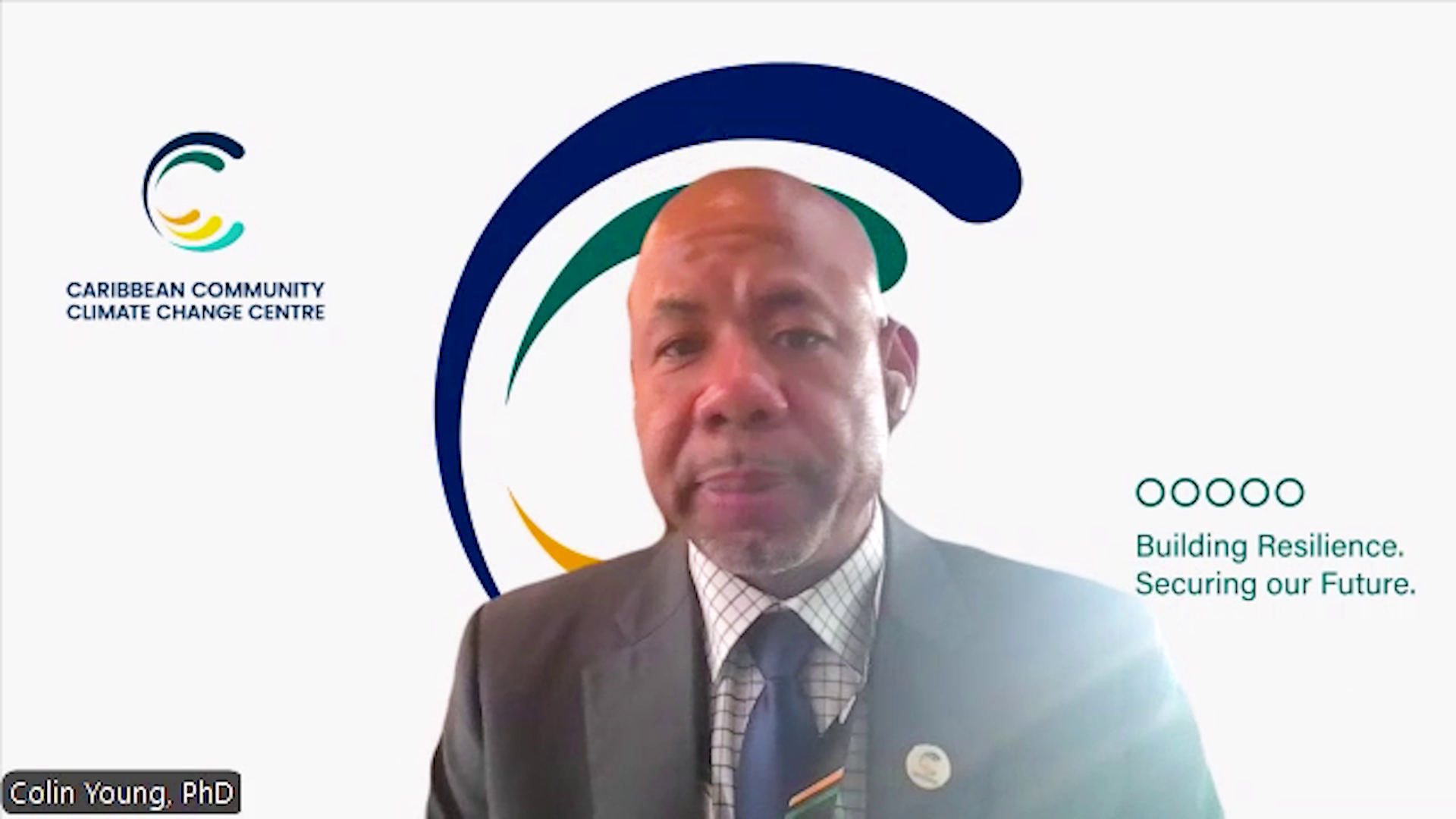
After two weeks of grueling, round-the-clock negotiations at the 2026 UN Climate Change Conference (COP31) hosted in Türkiye, the high-stakes summit spilled over into unprecedented last-minute overtime, as major fossil fuel-producing nations succeeded in erasing every explicit reference to a gradual transition away from oil, gas and coal from the draft final consensus agreement. The last-minute text stripped out all binding provisions for concrete, sustained adaptation funding for the world’s most climate-vulnerable low-lying and small island nations, prompting a coordinated pushback led by Belize, which aligned with a coalition of small island developing states and the European Union to veto the non-consensus deal. Fresh off his return from the chaotic summit, Dr. Colin Young, Executive Director of the Caribbean Community Climate Change Centre, sat down for an exclusive interview to break down Belize’s unprecedented move and its implications for the entire Caribbean region. “Every sovereign nation holds the full right to set its own negotiating positions at these global talks,” Dr. Young noted. “When I heard Belize’s official statement on the floor, their core position was clear: as a signatory to the Paris Agreement, they could not in good conscience endorse a final text that failed to advance global climate action, and in fact would actively harm vulnerable nations for decades to come.” Dr. Young emphasized that while the official CARICOM communiqué released after the summit expressed widespread collective disappointment with the final outcomes, the regional bloc’s stance was fully aligned with Belize’s objection. “None of the CARICOM member states saw the final last-minute draft as a document that met the ambition we traveled to Türkiye to secure. Many of our nations concluded that signing off on that text would not just fail to move the needle on climate action – it would actively set back decades of hard-won progress on global climate commitments.” As of Dr. Young’s briefing, more than 90 countries across multiple regional blocs have formally rejected the proposed COP31 consensus text, criticizing it for lacking any meaningful, long-term actionable solutions at a historical moment when the global community is on the cusp of breaching the 1.5-degree Celsius warming threshold outlined in the Paris Agreement. This report is adapted from a transcript of the station’s evening television newscast, with any Kriol-language remarks rendered using a standardized official spelling system for accessibility.