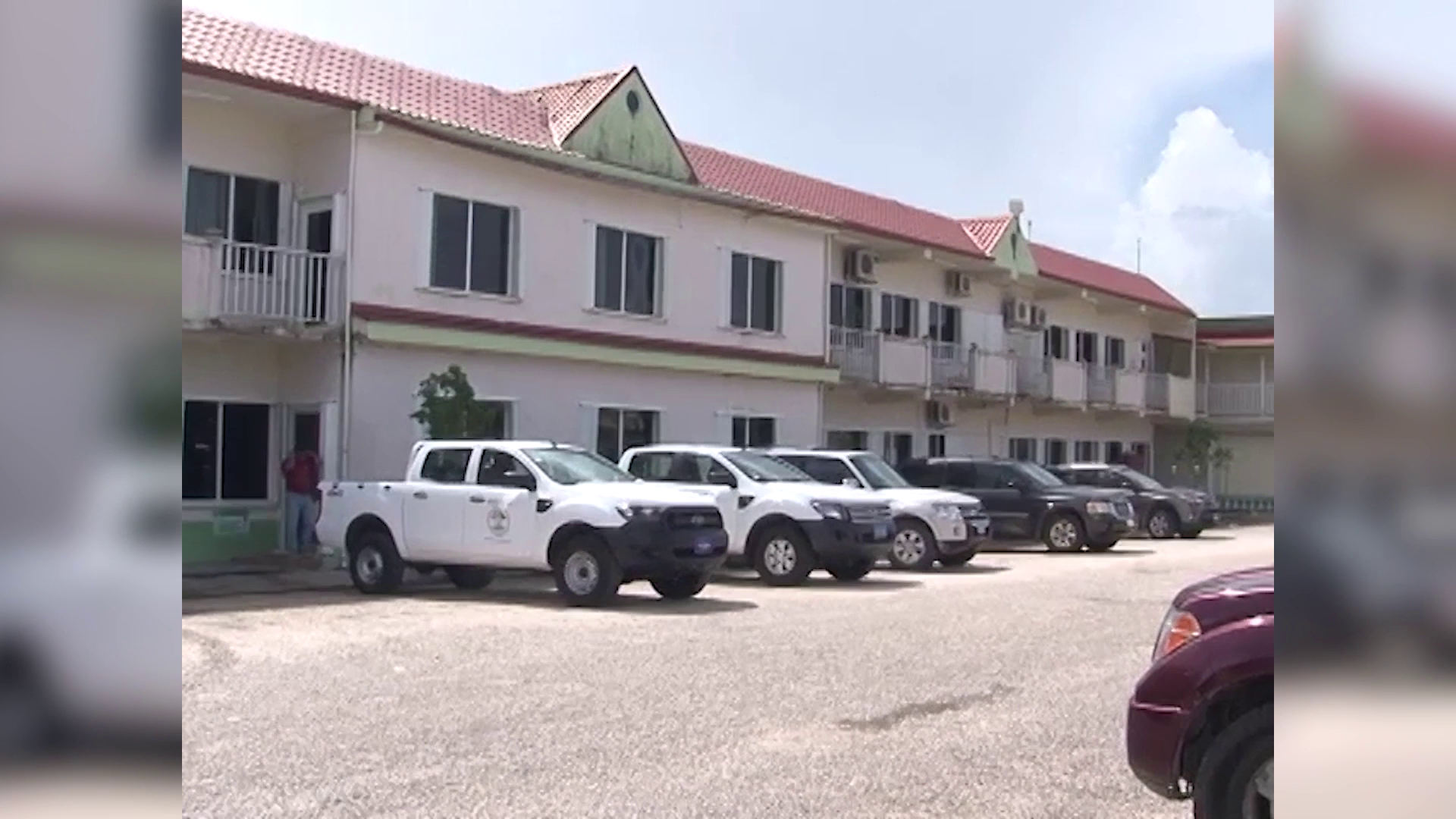
On November 24, 2026, the Chief Executive Officer of the Ministry of Natural Resources, Paul Thompson, testified at a public sitting of the Joint Public Accounts Committee (JPAC) to address outstanding queries tied to the 2016/2017 Auditor General’s Report. During the session, Business Senator Kevin Herrera pressed Thompson on a long-documented revenue shortfall: the ministry currently captures a mere 20% of the total potential revenue from land tax and associated related streams.
Herrera contextualized the committee’s line of inquiry, noting that follow-up questions to the Financial Secretary during a 2025 JPAC hearing had uncovered a massive discrepancy between actual and projected collections. While annual land tax receipts hover between $6 million and $8 million, the untapped potential sits at $60 million to $80 million annually. The senator framed this uncollected sum as low-hanging fiscal fruit, emphasizing that capturing the missing tens of millions of dollars would drastically ease persistent pressures to balance the national budget and fund critical public services.
In his candid response, Thompson confirmed that no structured, proactive land tax collection framework has ever been implemented at the ministry in the decades following national independence. He explained that all land tax payments operate on a fully voluntary basis, with the only enforced check occurring when landowners seek to process a transaction for their parcel: no transfer, development, or formal land registration action can be approved until all outstanding tax balances are fully cleared. Outside of that transaction-triggered check, the ministry has no established process to send payment reminders, issue official tax statements, or deploy staff to pursue non-compliant landholders, a gap that has remained unaddressed for generations of ministry operations.
This report is adapted from a transcript of a local evening television newscast, with all Kriol language segments rendered using a standardized official spelling system for public accessibility.
Land Tax Collection at Natural Resources Is Voluntary, CEO Tells JPAC