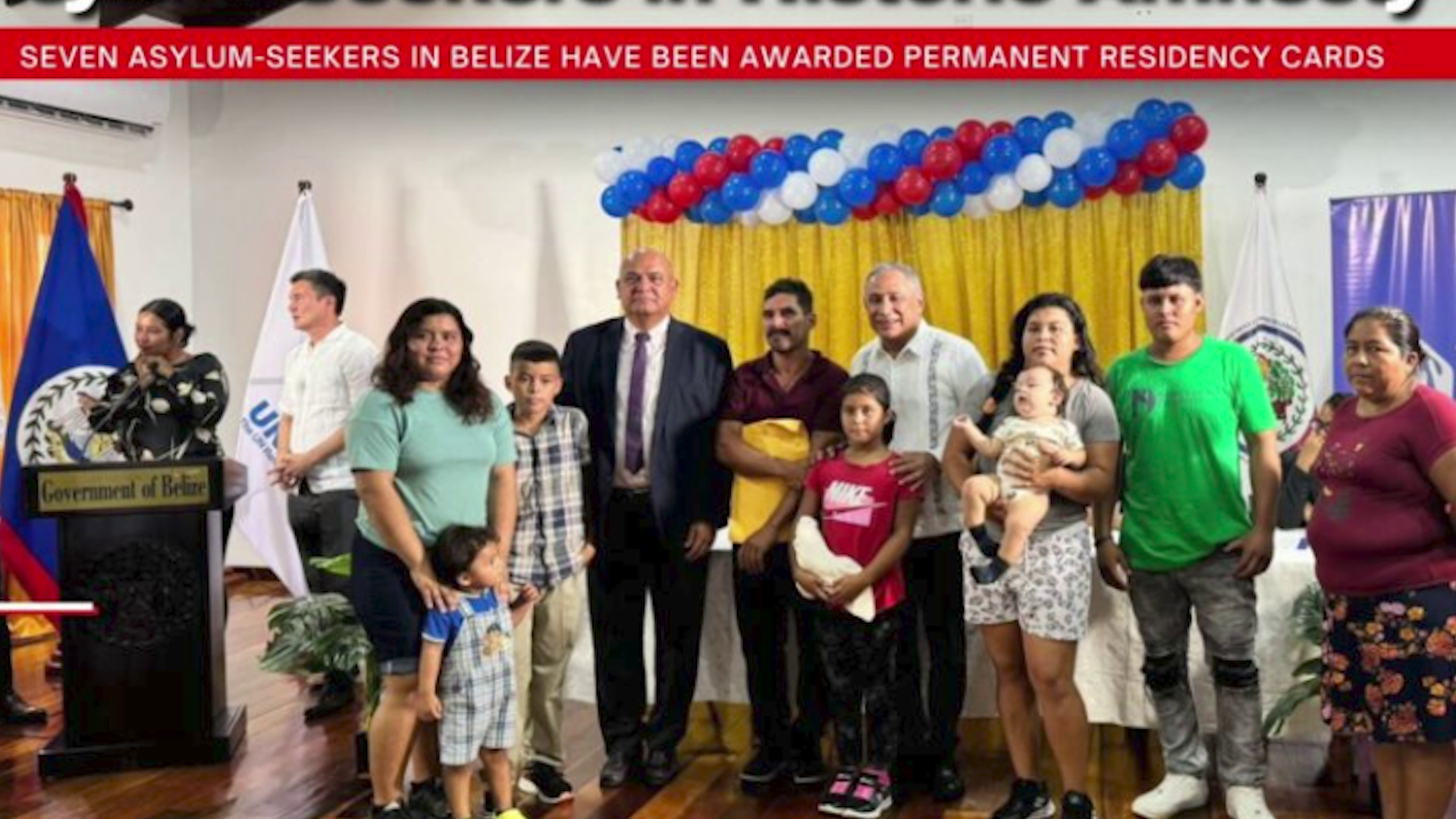
Released on November 24, 2026, official updates from Belize’s Ministry of Immigration confirm that a landmark government amnesty initiative has formally granted legal resident status to more than 11,000 long-term undocumented migrants who had lived and worked in the country for years without formal legal recognition. For decades, this large cohort of de facto local residents operated outside official regulatory frameworks, barred from accessing core public services, formal employment protections, and full participation in national economic life. The amnesty program, which recently wrapped its inaugural implementation phase, has been hailed by administration officials as one of the most transformative policy successes in the Central American nation’s recent history. Immigration Minister Kareem Musa emphasized that the initiative has earned widespread international acclaim for its streamlined, resident-centric service delivery, noting that feedback from participants has been overwhelmingly positive. “This policy does not just transform individual lives for the better—it delivers tangible, widespread benefits for Belize’s entire national economy,” Musa explained. “These newly regularized residents are now integrated into our formal governance structure: they gain lawful access to public healthcare and accredited education for their families, while also taking on the full civic responsibility of contributing to the national tax base, strengthening public revenue streams for all citizens.” Despite the program’s documented progress, a segment of native Belizean residents retains lingering skepticism, with ongoing public debates centered on potential impacts to local labor markets, public service resource allocation, and long-term national demographic trajectories. Addressing these ongoing conversations, Musa formally confirmed that the government will launch a second official round of the immigration amnesty program in January 2026, to extend legal status pathways to remaining eligible undocumented long-term residents who did not complete the application process during the first phase. This report is adapted from a transcript of the network’s evening television newscast, with any statements originally delivered in Belizean Kriol transcribed using a standardized, widely accepted orthography for the local language.