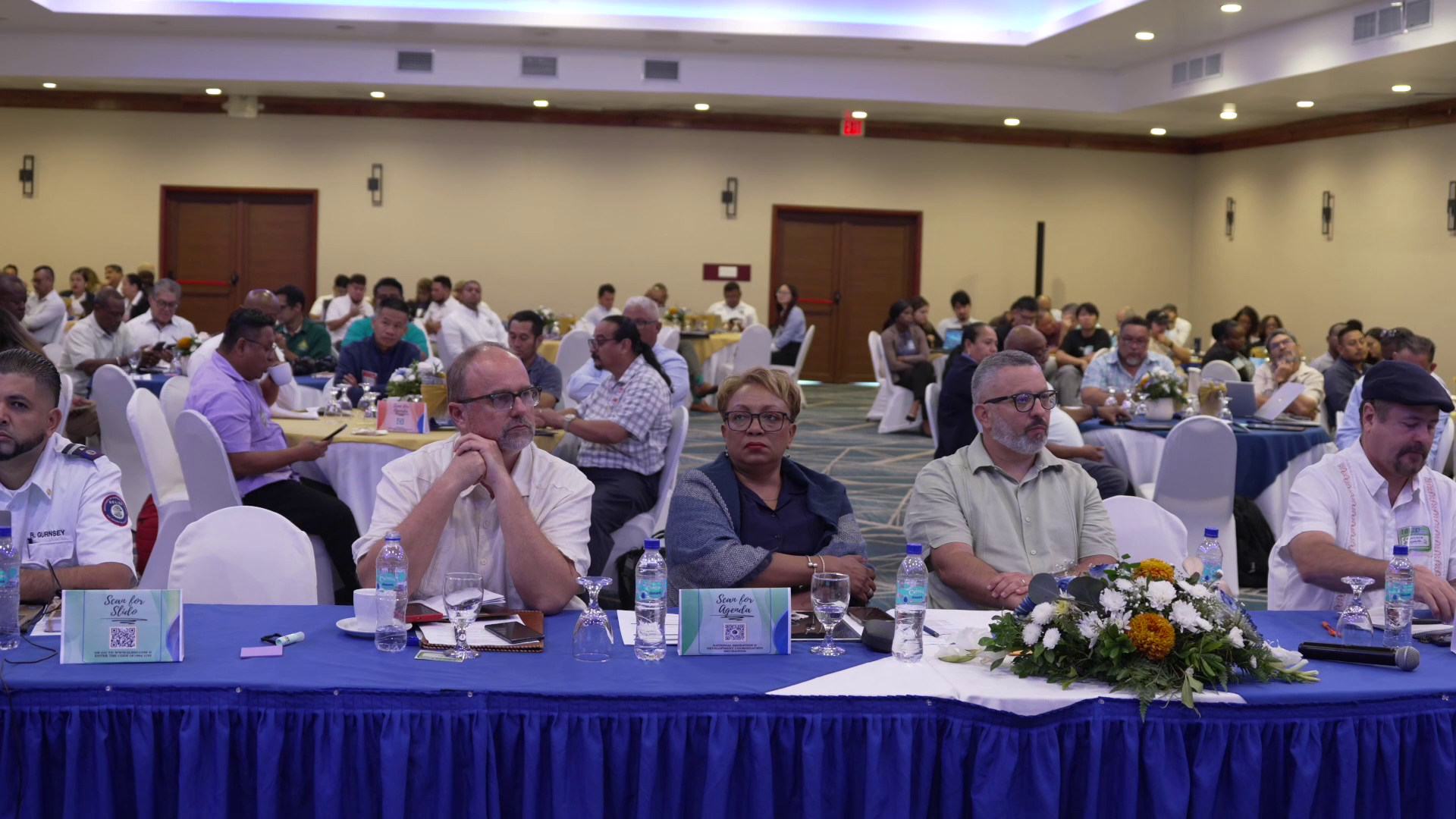
On November 24, 2026, the Belizean Ministry of Immigration, Governance and Labor announced it has completed stakeholder validation for the country’s landmark first National Policy on Migration and Development, a framework designed to overhaul long fragmented immigration management by embedding migration decision-making directly into national economic planning, workforce strategy, and cross-government coordination. Over 150 participants drawn from domestic public sector bodies, private industry groups, civil society, and Belize’s global diaspora took part in the official national validation session to review and provide feedback on the draft policy before it moves to Cabinet for final approval.
According to Immigration and Labor Minister Kareem Musa, the new framework fills a critical longstanding gap in national governance, as Belize previously operated without a unified formal migration policy aligned to broader development targets. Musa emphasized that the policy was explicitly crafted to address persistent, cross-sector labor shortages that have constrained growth in key domestic industries including construction, agribusiness, hospitality, and seasonal banana harvesting, even as roughly 50,000 Belizean citizens have emigrated to the United States and other global markets in search of higher-wage opportunities. Currently, an estimated 25% of Belize’s agricultural workforce is made up of foreign-born workers, and the fast-growing business process outsourcing (BPO) sector faces unmet talent demand that local labor pools have not been able to fully fill. The policy is structured to break down silos between disconnected government departments, unify data collection systems across agencies, and create a coordinated, transparent system for targeted, needs-aligned migrant recruitment for both permanent and seasonal roles, while implementing safeguards to prioritize employment access and fair wages for local Belizean workers first.
The policy development process received full technical support from the United Nations Development Programme (UNDP), which has framed the initiative as a model for aligning migration governance with national sustainable development priorities. Michael Lund, UNDP Deputy Resident Representative for Belize, noted that the new policy directly addresses longstanding legitimate public concerns among Belizean communities about unplanned migration’s potential impacts on local job markets, public service capacity, and community resource allocation, while also honoring Belize’s long cultural history as a nation shaped by generations of cross-border movement, settlement, and diverse cultural exchange.
Minister Musa stressed that the framework represents a fundamental shift away from framing migration policy exclusively as a border security and enforcement issue, repositioning it instead as a strategic economic investment tool that can balance the dual realities of large-scale Belizean emigration abroad and targeted, managed immigration to fill critical local labor gaps without eroding protections for domestic workers. The finalized draft is scheduled to be tabled before the Belize Cabinet for formal approval in the coming weeks.
Policy To Manage Immigration in Belize Sustainably