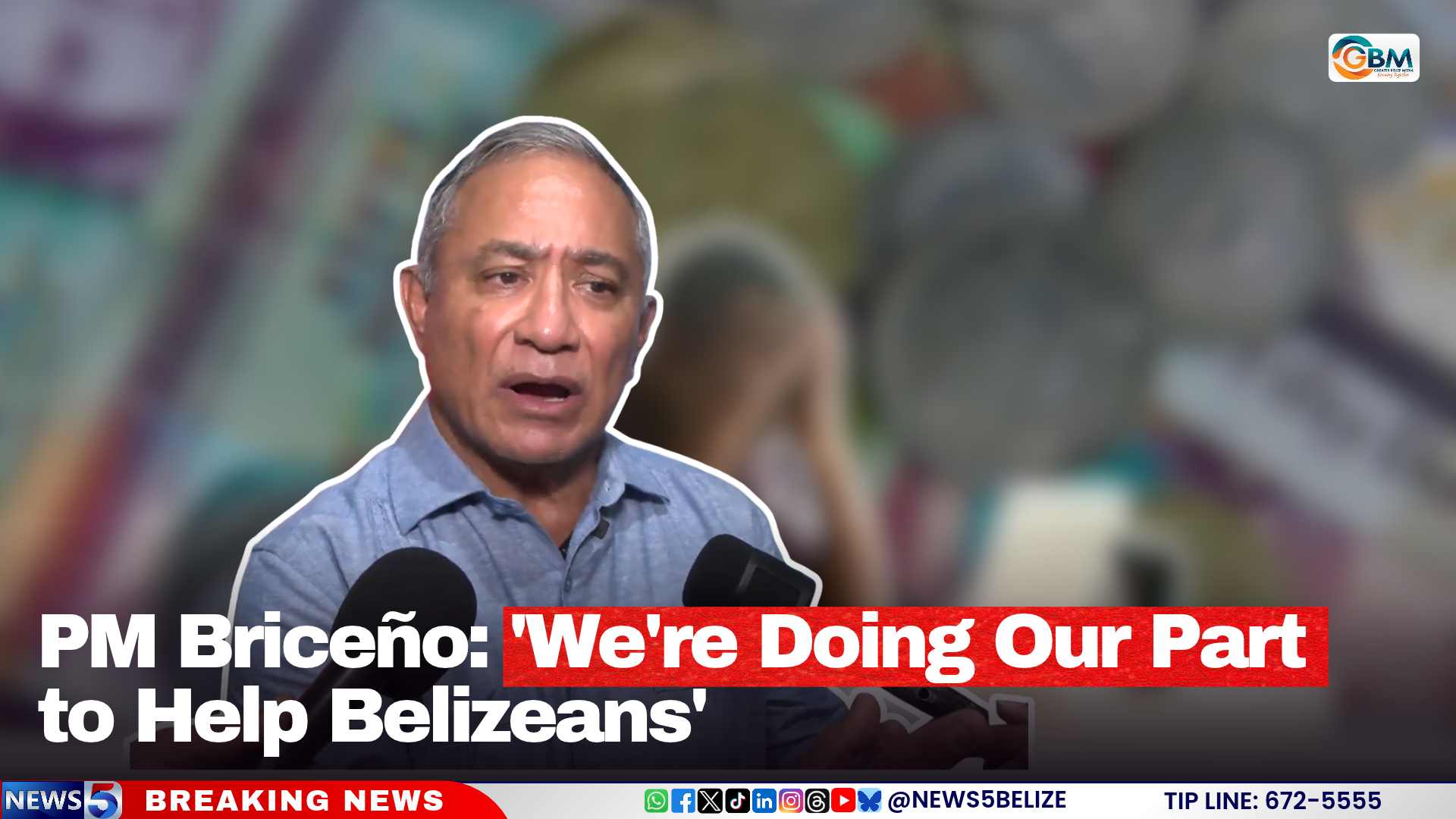
On November 22, 2026, Belizean Prime Minister John Briceño publicly addressed growing public scrutiny and widespread “Enough is Enough” demonstrations targeting the government’s public fund management, outlining a series of targeted fiscal adjustments his administration has rolled out to rein in spending while sustaining critical household support programs. Briceño laid out the full scope of the government’s cost-reduction framework, noting that recurrent operational expenditures will be trimmed by an estimated $30 million, with an additional $20 million in cuts applied to non-priority Capital Two infrastructure projects. Most notably, all cabinet members have accepted a 50% slash to their official personal allowances, a move Briceño framed as a tangible show of shared sacrifice, even as he acknowledged that elected representatives have long relied on those allowance funds to deliver ad-hoc support to constituents facing urgent hardships, from covering unexpected medical bills to resolving household utility shortfalls. The combined savings from the allowance cut alone tops $100,000, a figure Briceño described as intentionally symbolic to prove public officials are bearing the burden of fiscal consolidation alongside ordinary citizens. While affirming that Belize’s democratic framework fully protects the public’s right to peaceful assembly, the prime minister characterized the ongoing wave of protests as largely politically motivated, pushing back against critics who argue the administration has not done enough to mitigate the country’s cost-of-living crisis. Briceño emphasized that his government has limited direct control over volatile global import prices and cross-border tariff costs that have driven up household expenses, but has prioritized every policy lever within its domestic authority to ease financial pressure for Belizeans. He highlighted a suite of ongoing and expanded public support initiatives: the National Health Insurance program, nearly $16 million in annual student educational grants, a nationwide expansion of free secondary school access, a daily school meal program that feeds 20,000 students across the country, a recent raise to the income tax threshold that lifted the minimum non-taxable income to $29,000, a scheduled minimum wage hike, and a targeted subsidy for bus diesel to keep public transit fares affordable for low-income commuters. Briceño stressed that the administration’s dual track of targeted spending cuts and expanded social support is designed to stabilize the national fiscal position without leaving vulnerable Belizean households behind amid ongoing economic headwinds.