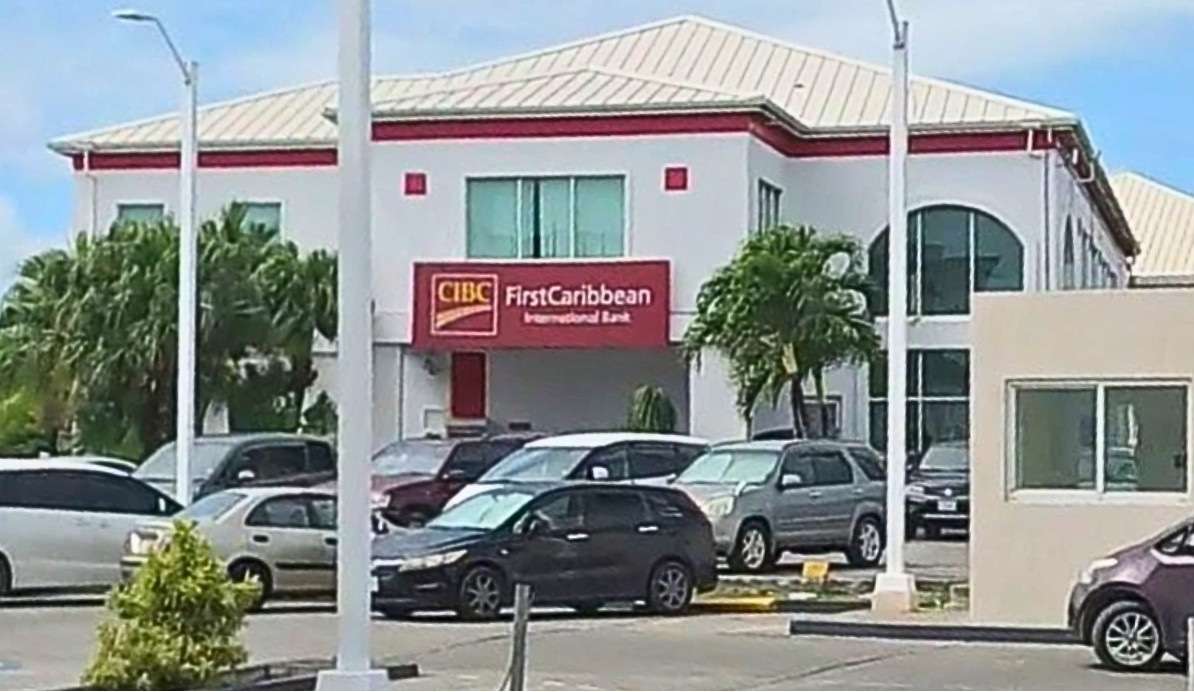
A disgruntled long-time customer of FirstCaribbean International Bank, a subsidiary of CIBC, has penned a public complaint detailing a cascade of confusing, costly and impractical hurdles he has faced while attempting to resolve a dormant account flagged by the institution. The customer, Peter Parker, says he first received a generic form letter from the bank notifying him that one of his accounts had been marked dormant, with instructions to sign, date and submit a verification form to his local branch to restore access to the funds. But from the first step of the process, Parker says he was left baffled by inconsistencies in the bank’s protocols, especially given that he maintains a separate, fully active account at the exact same branch, meaning the institution already holds up-to-date, verified customer information for him on file. His frustrations mounted immediately when he reviewed the materials included with the notification letter: no pre-paid return envelope was provided to send the required form back to the branch, and the mailing address printed on the correspondence was for a branch location at the intersection of High and Market streets that the bank shuttered roughly a decade prior, with no public notification of the closure that Parker is aware of. Adding to the list of nonsensical requirements, the bank demanded that he submit a recent utility bill as proof of his residential address – a step Parker argues is entirely redundant, as the bank successfully delivered the dormant account notification directly to his current, correct address with no delivery issues. The most egregious requirement, Parker notes, is that any utility bill submitted via mail must be notarized, a administrative fee that will cost him more than the total sum of money currently held in the dormant account itself. He further points out the glaring double standard baked into the bank’s policies: the institution unreservedly honors checks he writes and cashes using his standard verified signature, yet that exact same signature is deemed insufficient to validate his identity on the account reactivation form, forcing him to jump through extra, costly hoops. While Parker says he acknowledges that regulated financial institutions are required to follow anti-fraud and know-your-customer verification protocols, he argues these rules should be adjusted for existing customers who already hold active, fully verified accounts with the same bank to eliminate unnecessary friction. He notes that experiences like this have severely eroded his trust in FirstCaribbean International Bank’s service quality, adding that he would not be disappointed if local competitor Butterfield eventually acquires the CIBC subsidiary. Parker concludes his grievance by calling on the bank to overhaul its dormant account processes to prioritize transparent communication, practical procedures and fair treatment for its long-standing customer base.
LETTER: Why Is Doing Business With Banks in Antigua and Barbuda So Complicated?