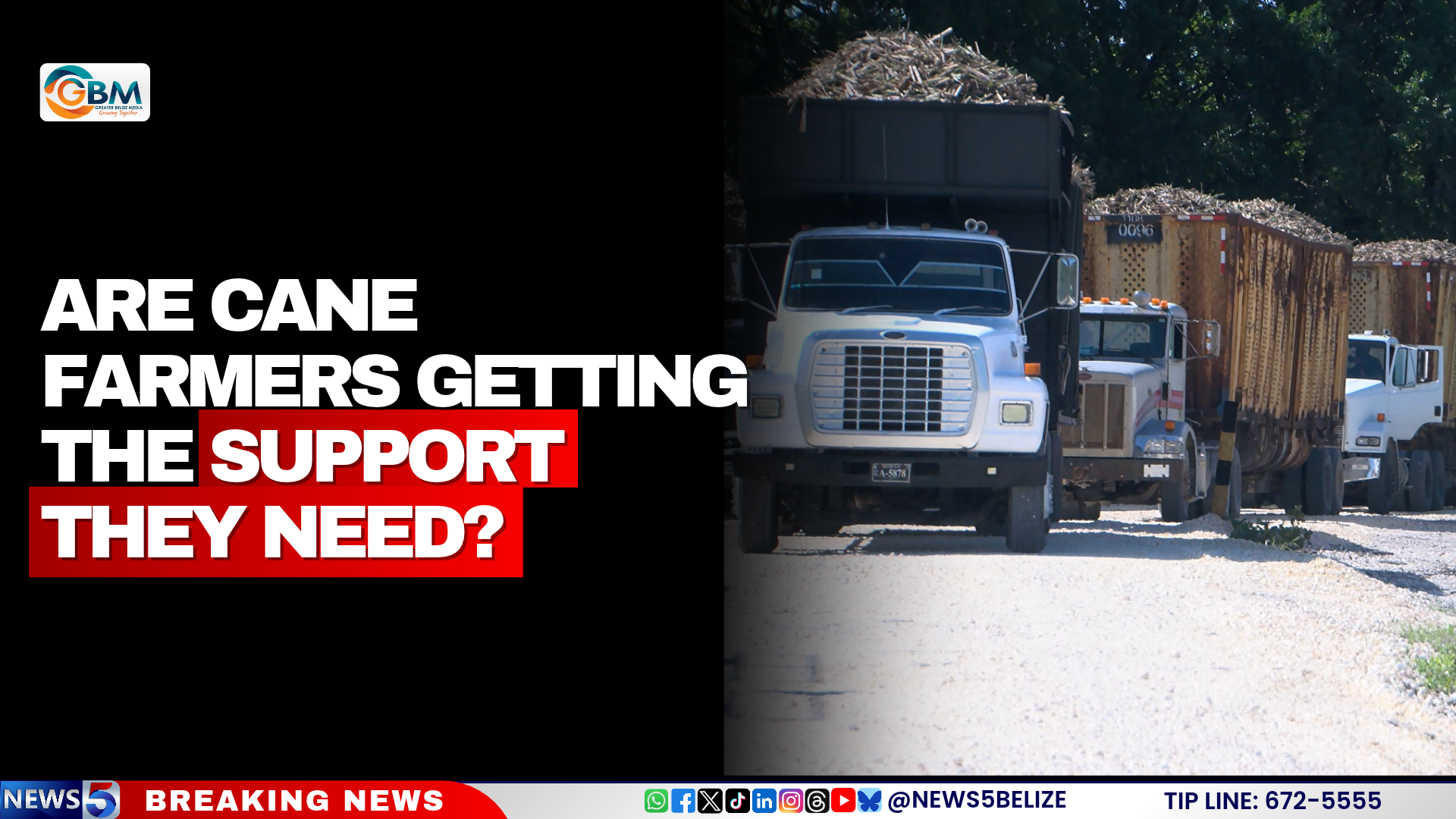
Issued on November 21, 2026, this on-the-ground report highlights a growing crisis for smallholder sugarcane producers across northern Belize, who are navigating overlapping obstacles that threaten to derail plans to scale up crop yields, even as the national sugar industry moves ahead with a major $50 million expansion initiative from Belize Sugar Industries (BSI) targeting a 25% rise in total output. Alfredo Ortega, Chairman of the Belize Sugarcane Farmers Association (BSCFA), confirmed that the vast majority of local growers are eager to expand their cultivated acreage and boost long-term production, but that goal is being undermined by systemic gaps in support delivery, soaring input costs, and cascading crop harm driven by climate shifts and pest infestations. Two formal government-backed programs were designed specifically to address these pain points: the Climate Resilient and Sustainable Agriculture Project (CRESAP), which funds upgrades to farm infrastructure to withstand extreme weather, and the Belize Agriculture and Trade Support Project (BATSaf), which offers financial and technical aid to strengthen production capacity and open up new domestic and international market pathways for local sugar. However, months of administrative bottlenecks and processing delays have left many farmers locked out of the critical resources they need to plant on schedule. Ortega explained that agricultural cycles for sugarcane are extremely time-sensitive, and lengthy wait times for application approvals and disbursements have eroded trust in the support systems, with many discouraged growers abandoning their applications entirely rather than waiting for funds that arrive too late to align with their planting windows. Compounding these administrative hurdles, prolonged recent drought conditions created the ideal breeding environment for mealybug infestations that have spread rapidly across northern cane fields, stunting crop growth even after recent seasonal rains arrived to replenish parched soils. Many affected plots are showing severely reduced vegetative development, putting 2026 yield projections at risk of a notable downturn. Local producers are calling for immediate streamlined intervention to cut down application processing timelines and deliver targeted, timely financial and technical support, so they can mitigate existing pest and drought damage, restore lost yields, and align their operations with BSI’s newly announced $50 million expansion roadmap that targets a 25% increase in national sugar output in the coming years.