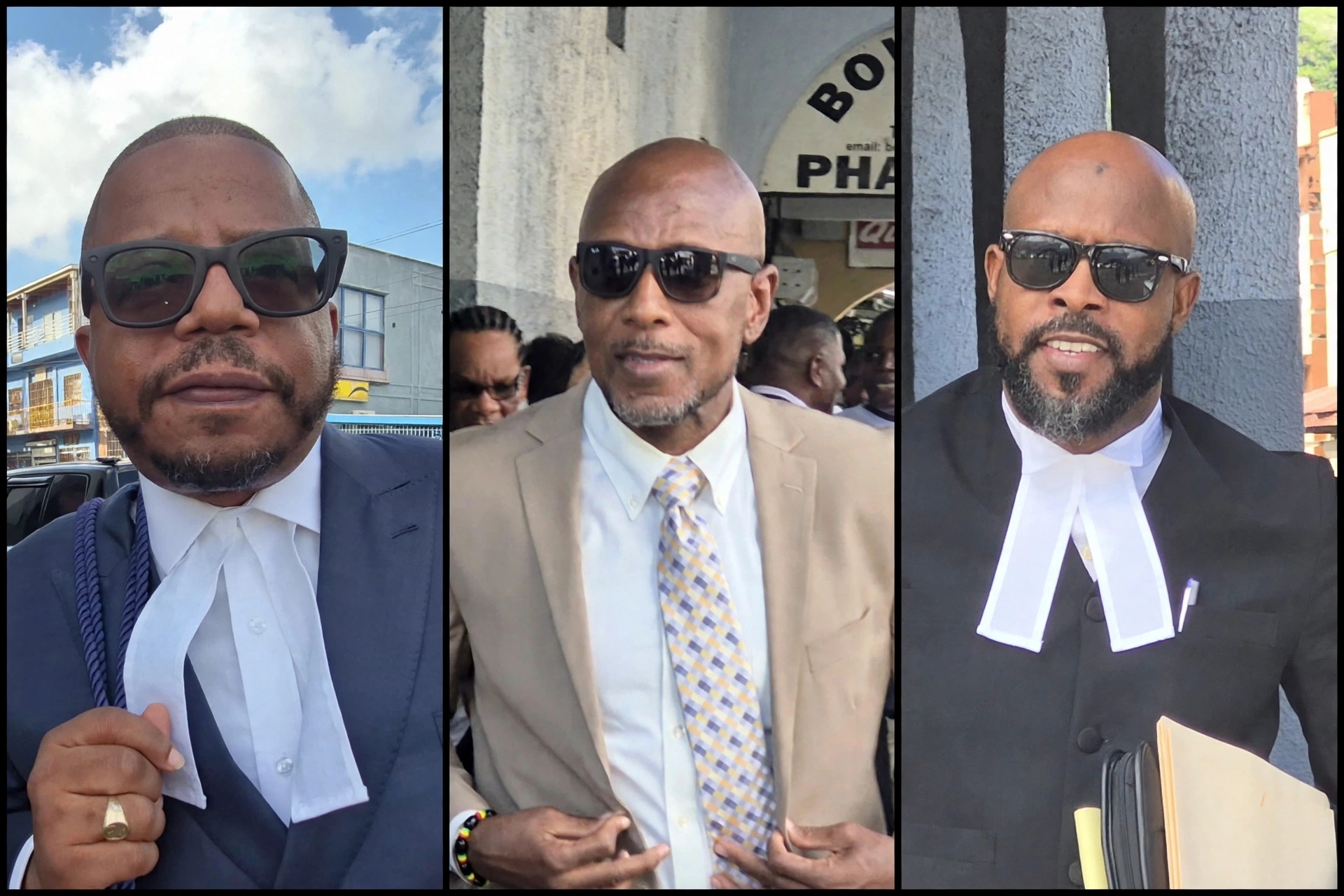
In the wake of completed closing arguments at the St. Vincent and the Grenadines High Court for two high-stakes election petitions, opposing legal representatives and implicated elected officials have laid out sharply contrasting perspectives on the ongoing legal challenge that could unseat two senior members of the ruling administration. The petitions were submitted by unsuccessful 2025 general election Unity Labour Party (ULP) candidates Augustus Carlos Williams and Luke Browne shortly after the November 2025 polls, targeting the parliamentary eligibility of Prime Minister Godwin Friday and Foreign Affairs Minister Dwight Fitzgerald Bramble, both senior figures in the governing New Democratic Party (NDP) who hold Canadian citizenship. At the core of the legal dispute is Section 26(1)(a) of the national Constitution, which bars any individual who voluntarily pledges allegiance, obedience, or adherence to a foreign power from serving as a member of Parliament. Petitioners argue that the two dual citizens fall squarely under this disqualification, while the respondents have countered that their status as Commonwealth citizens shields their eligibility under Section 25 of the same constitutional document. Speaking to assembled reporters outside the courthouse last Thursday, lead counsel for the petitioners Al Elliott forcefully pushed back against repeated claims from Prime Minister Friday that the legal challenge amounted to nothing more than “sour grapes and sore losers” lingering after electoral defeat. Elliott emphasized that Williams and Browne had already filed formal pre-nomination objections to the two NDP leaders’ candidacies long before any election results were tabulated, meaning their legal action predated any knowledge of the final poll outcome. He stressed that the constitutional question of candidate eligibility demanded a definitive judicial ruling regardless of which party won the November vote, framing the case as a non-partisan effort to uphold the rule of law rather than a petty post-election grievance. Foreign Affairs Minister Bramble, addressing the same group of reporters shortly after Elliott, characterized the entire legal process as a calculated “political sociological” strategy deployed by the opposition to undermine and suppress the expressed will of Vincentian voters. Identifying himself as a social scientist, Bramble noted that the months-long, draining legal process had not weakened his resolve, but rather left him “more fortified” to represent the constituents of East Kingstown and serve the broader population of St. Vincent and the Grenadines, no matter what final ruling the court issues. Co-counsel for the petitioners Carlos James added that the case hinges on a narrow but foundational legal question: the precise definition of what qualifies as a “foreign power or state” under the Constitution for eligibility purposes. He noted that the ruling would carry implications far beyond the four immediate parties to the dispute, establishing clear, long-lasting legal precedent for future election cycles where dual citizens may increasingly seek to run for public office, and providing a reference point for other member states of the Eastern Caribbean Supreme Court jurisdiction across the sub-region. High Court Justice Gertel Thom has confirmed she will deliver her full judgment on the petitions when the new legal term commences.
Bramble feels ‘more fortified’ to serve, petitioners reject ‘sore loser’ narrative