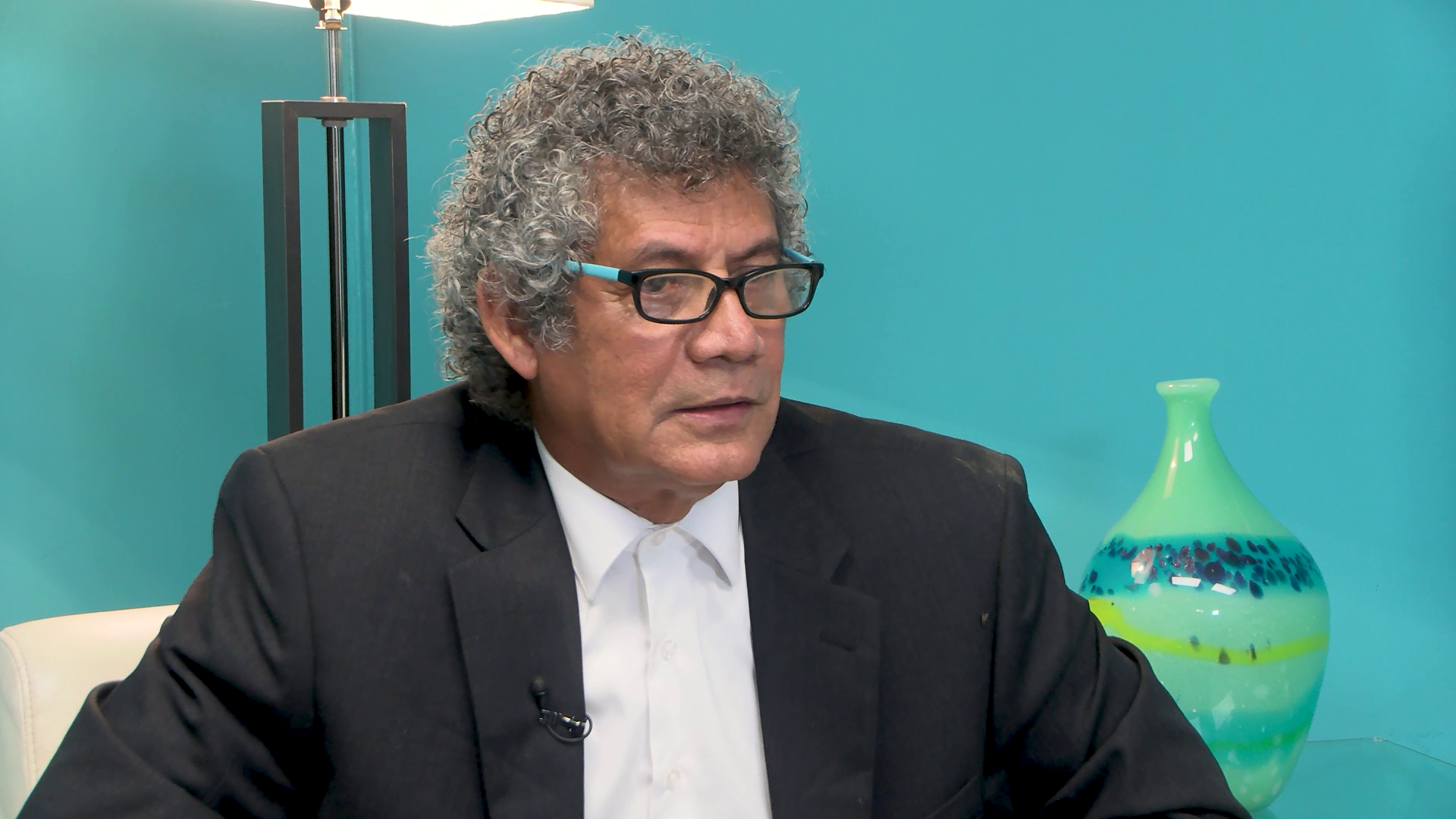
On November 17, 2026, prominent constitutional attorney Richard “Dickie” Bradley issued a landmark public statement clarifying that incarcerated individuals who have not been sentenced to prison terms exceeding 12 months retain full legal voting rights under existing national law, and are fully entitled to file formal legal action against the government for any deliberate or systemic denial of that democratic privilege. Bradley noted that widespread public and administrative misunderstanding of election rules has left thousands of eligible behind-bars voters disenfranchised for years, even as no formal class-action or individual lawsuits have yet been filed to challenge the gap in implementation. While acknowledging that organizing prison polling operations presents logistical complexities, including the fact that the country’s roughly 1,400 incarcerated population is registered to vote across 31 separate electoral constituencies spanning regions from the PG district to northern communities and the San Pedro coastal area, Bradley emphasized that administrative inconvenience can never override a constitutionally protected civil right. He pointed out that the government already has established systems to deploy dedicated ballot boxes to every electoral division during general elections, meaning extending that infrastructure to correctional facilities would require only minor, low-cost adjustments rather than a sweeping overhaul of election procedures. Bradley also noted that the current sitting Attorney General, a widely respected, studious legal intellectual, is personally supportive of ensuring all legally eligible voters, including non-disqualified prisoners, are provided full access to the ballot, and that the only remaining barrier to implementation is a lack of proactive administrative action rather than formal legal opposition. He added that the ongoing disenfranchisement of this group disproportionately impacts marginalized low-income Black communities, who are overrepresented in the incarcerated population and often lack dedicated advocates to defend their basic democratic entitlements. The statement comes amid a rapidly growing national public debate over expanding voting access for incarcerated populations, as local civil society groups begin to explore pathways to expand electoral participation ahead of the next scheduled general election.