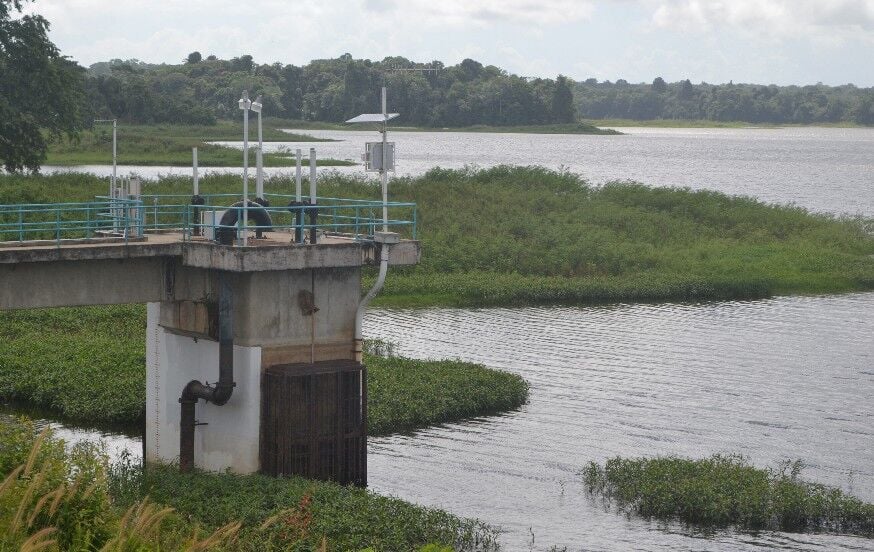
Trinidad and Tobago’s national water utility, the Water and Sewerage Authority (WASA), rolled out sweeping nationwide water usage restrictions effective 12:01 a.m. local time on the day of the announcement, in response to plummeting raw water reserves driven by a rapidly strengthening El Niño weather pattern. The regulatory measures are formally enacted under Section 49(1) of the Water and Sewerage Act, Chapter 54:40, which explicitly prohibits all residential and non-exempt commercial customers from using WASA-supplied water via hoses, sprinkler systems, or pressure washers to irrigate private gardens or wash personal motor vehicles. The policy also codifies that all property owners and occupants bear full legal responsibility for maintaining their on-site water fittings in proper working order, to prevent unnecessary waste, misuse, excessive consumption, or pre-use contamination of piped water supplies. WASA’s duly authorized personnel, upon presenting valid official identification, are granted statutory access to any water-connected premises during reasonable daytime and early evening hours to conduct compliance checks for water waste or misuse. The utility has warned that any individual found violating the temporary ban will face formal fines following summary conviction, and has committed to deploying expanded patrol teams across both islands to enforce adherence for the full duration of the restrictions. The trigger for the proactive policy comes from official advisories issued by the Trinidad and Tobago Meteorological Service (TTMS), which confirmed that El Niño conditions are fully established across the tropical Pacific. The agency’s August 2026 assessment placed an 80% probability of the weather event intensifying between August and October 2026, with a peak impact projected to land between November 2026 and February 2027; subsequent updated TTMS data raised that estimate to an 83% or higher chance of a strong to very strong El Niño persisting through the January to March 2027 window. Climatologically, El Niño suppresses rain-bearing weather systems in the southern Caribbean, leading to reduced cloud cover, below-average rainfall, and unseasonably high daytime and nighttime temperatures for Trinidad and Tobago. The pattern typically cuts into late wet-season precipitation that normally refills the country’s critical raw water reservoirs, with drier conditions forecast to extend well into the 2027 dry season. WASA framed the early implementation of restrictions as a proactive step to stretch limited stored water supplies, prioritizing access for essential needs including drinking, cooking, sanitation, hygiene, and critical services at schools, health care facilities, and public infrastructure. The measures are a core component of the national AquaForward Water Resilience Initiative, a cross-agency program launched in August 2026 in partnership with the Ministry of Public Utilities and TTMS to fortify long-term water security across the twin-island nation. As of 6 a.m. on November 15, WASA released the latest reservoir level data: Hollis Lake stood at 99.65% of total capacity, Arena Reservoir at 84.33%, Navet Reservoir at 77.90%, and Hillsborough Reservoir at just 42.4% of full storage. The utility noted the Hollis water treatment plant is temporarily offline to complete urgent emergency repairs, adding further strain to operational supply networks. WASA has issued a public call for all residents to contribute to conservation efforts by repairing household leaks immediately, using buckets instead of running hoses for any permitted cleaning tasks, installing low-flow fixtures on taps and showerheads, and reporting any visible leaks on WASA’s public pipeline network via official reporting channels. Agricultural analyst and practicing dairy farmer Dr. Donny Rogers clarified that the new hose ban does not apply to farming operations drawing water from WASA mains, noting the regulatory language explicitly targets private residential garden irrigation and personal vehicle washing rather than commercial agricultural activities. The only requirements for farm operators are to maintain all water fittings in leak-free condition to eliminate preventable waste, a standard Rogers described as reasonable even under normal non-drought conditions. He further advised local farmers to invest in long-term water resilience upgrades, including adopting precision irrigation techniques such as drip systems, and integrating organic matter into topsoil to boost natural moisture retention and reduce overall water demand. Rogers noted that the dairy farming sector is already well positioned to navigate the dry conditions, as mandatory food safety regulations require on-farm clean water storage infrastructure to support livestock drinking, equipment cleaning, and milk processing operations.