Antigua and Barbuda’s Minister of Utilities Melford Nicholas has laid out a forward-looking industrial proposal that leverages plummeting costs of renewable electricity to turn the country’s growing end-of-life vehicle waste stream into a high-value export commodity, rather than exporting low-margin crushed scrap overseas. The minister shared the framework during his November 10 appearance on Pointe FM’s popular economic affairs program Taking Stock, framing the initiative as a pragmatic solution to two longstanding domestic challenges: mounting used vehicle disposal pressures, and the need to diversify the island nation’s tourism-reliant economy.
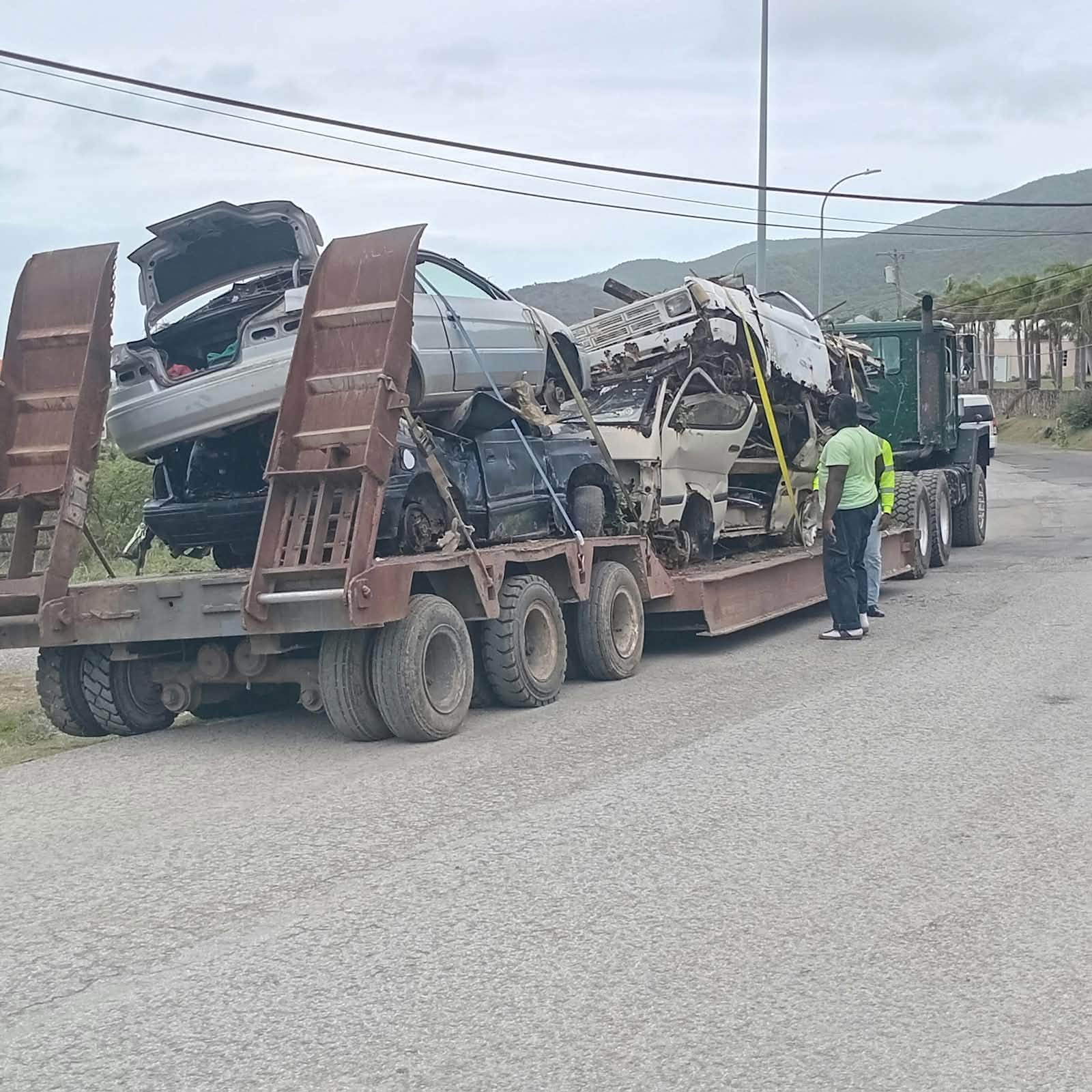
Currently, local landfill operators process discarded automobiles by crushing them into dense compact bales that are shipped overseas for metal recovery, but Nicholas noted that steep international freight and logistics expenses eat up a massive portion of potential revenue, leaving very little profit margin for local stakeholders. “Imagine the economic upside if we could smelt that scrap right here on our shores, instead of paying foreign carriers to transport our raw waste to distant processing facilities,” Nicholas told listeners, outlining a vision for a small-scale, purpose-built smelting facility powered entirely by competitively priced solar-generated electricity. The plant would refine salvaged scrap metal into standardized, high-purity ingots that command far higher market prices across Caribbean regional trading blocs and global international markets.
The minister traced the origins of the concept to his official August visit to Japan, where the United Nations Industrial Development Organization (UNIDO) coordinated a series of targeted meetings with small and medium-sized Japanese industrial operators. During those discussions, Nicholas explicitly advocated for structured joint venture partnerships between Japanese technical and investment stakeholders and registered Antiguan and Barbudan local small businesses, to co-develop the proposed smelting operation.
The policy push comes as Antigua and Barbuda faces a steadily worsening waste management crisis tied to its high volume of imported secondhand Japanese vehicles, which make up the vast majority of the country’s passenger car fleet. As these vehicles age, many reach a point where repairs are no longer economically feasible, or compatible spare parts are entirely unavailable, leading thousands of derelict units to accumulate in private impound yards, along public roadside verges, and at the nation’s main municipal landfill, creating environmental blight and public safety risks.
While Nicholas emphasized that slashing national electricity rates via expanded renewable energy deployment would unlock the viability of a wide range of new local manufacturing industries beyond scrap metal processing, he clarified that no formal investor agreements, designated construction site, allocated public budget, or actionable implementation timetable for the proposed smelting plant had been finalized to date. The remarks were framed as an open exploration of a high-potential untapped business opportunity, contingent on further progress to bring down domestic renewable energy costs and additional cross-border partnership negotiations.
Scrap vehicles could support metal-processing industry in Antigua and Barbuda, minister says