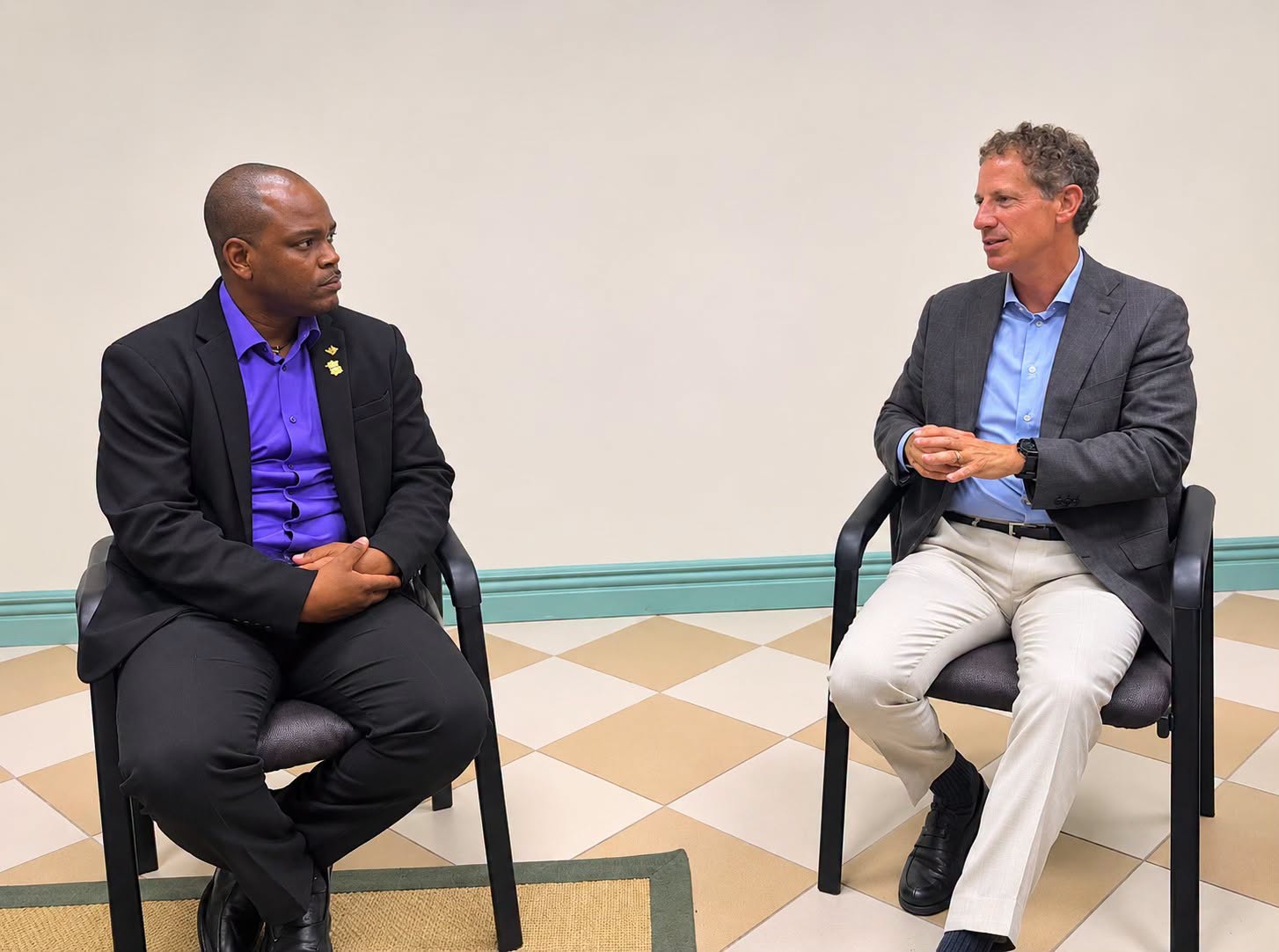
Top health officials in Antigua and Barbuda and leadership from Monroe University have held high-level consultations to design targeted, context-specific workforce development initiatives tailored to the nation’s rapidly transforming healthcare landscape, eliminating the need for local clinical professionals to spend lengthy stints abroad to earn advanced professional and academic credentials. The centerpiece of the proposed framework is an innovative hybrid training model: all foundational academic coursework and theoretical learning modules will be delivered via flexible virtual platforms, while hands-on clinical and practical skill-building requirements will be completed entirely within Antigua and Barbuda through structured, intensive in-person instruction blocks. Stakeholders have already floated a concrete coordination plan to align all practical clinical training components with existing operational activities at Mount St. John’s Medical Centre, meaning programme participants can fulfill every mandatory hands-on experience milestone without leaving the domestic national healthcare system. Health Minister Sir Molwyn Joseph emphasized that this model arrives at a critical juncture, as Antigua and Barbuda moves forward with sweeping expansions to its national healthcare service portfolio and major upgrades to national laboratory infrastructure. He pointed out that existing demand for diagnostic lab services is already substantial, and projected to surge dramatically as the government pushes forward with the full launch of a new state-run public national laboratory. The talks also prioritized targeted upskilling for public health cadres, with Minister Joseph flagging three urgent national public health priorities: rising population obesity rates, persistently elevated infant mortality figures, and gaps in equitable prenatal care access. He noted that the Ministry of Health requires a cohort of highly specialized local subject-matter experts to design, roll out, and evaluate targeted, evidence-based intervention programmes and policy frameworks to tackle these longstanding public health pain points. While a large share of nurses working in the public health system already hold bachelor’s degrees, and a small subset have completed master’s level public health training, Minister Joseph stressed that most existing overseas qualifications are not calibrated to the unique demographic, geographic and operational realities of Antigua and Barbuda, creating critical gaps in context-specific expertise. In response, the President of Monroe University confirmed the institution’s full commitment to co-develop a fully customized Master of Public Health degree programme, with embedded on-site practical training modules explicitly built to address the priority public health gaps the national health authority has mapped out. The two parties closed their consultations with a formal mutual understanding that the university’s curriculum design team will now draft a full programme architecture that integrates asynchronous virtual delivery for all theoretical courses, and establishes a dedicated local student cohort that completes all supervised clinical rotations at approved domestic health facilities. This landmark proposed partnership is poised to deliver cascading long-term benefits for Antigua and Barbuda: it will substantially boost the overall professional competency of the national healthcare workforce, remove historic financial and logistical barriers that previously locked many local clinicians out of advanced specialized qualifications, and nurture a new generation of homegrown subject matter experts to lead improvements in high-stakes public health and frontline clinical service areas.
Minister Michael Joseph and Monroe University President Discuss Specialised Training for Health Professionals