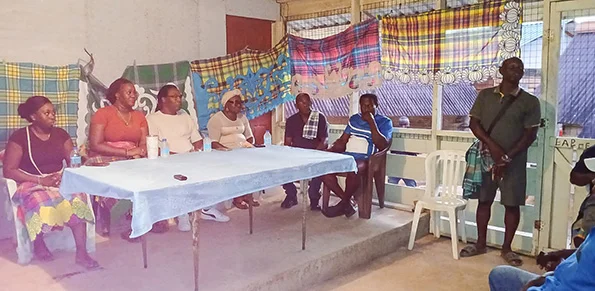
On November 12, a formal community consultative gathering locally known as a “Krutu” brought together representatives from Suriname’s Ministry of Regional Development and the traditional governing authority of the remote riverside settlement of Bakoe, creating a dedicated platform for residents to voice long-unmet local needs and urgent crises facing their community. The most pressing issue raised by Bakoe residents during the session was severe, ongoing contamination of the local river that serves as the settlement’s primary natural water source. The pollution has triggered widespread mass die-offs of fish, a core staple food and livelihood resource for the predominantly fishing-reliant community, pushing the water quality crisis to the top of the village’s priority action list. In response to residents’ accounts of the unfolding environmental and livelihood emergency, Regional Development Minister Miquella Huur outlined two targeted initial interventions: first, the ministry will formally engage the National Environment Authority to conduct full, systematic testing of the river’s water quality, to pinpoint the exact root causes of the contamination and map the full geographic scope of the pollution event. Second, the ministry is proposing the rollout of structured sustainable aquaculture programs in the village, as a viable alternative livelihood and food source to reduce the community’s immediate dependence on the contaminated wild river fishery while long-term remediation efforts are planned. Beyond the water crisis, Bakoe village representatives also flagged additional critical infrastructure gaps during the meeting: the settlement currently has no dedicated public guesthouse to host visiting officials, service providers, or community guests, and the local district supervisor’s administrative office is in a state of extreme disrepair that renders it barely functional. Ministry officials confirmed that all raised concerns have been formally documented and added to the department’s regional development priority review queue for follow-up assessment and potential allocation of resources.