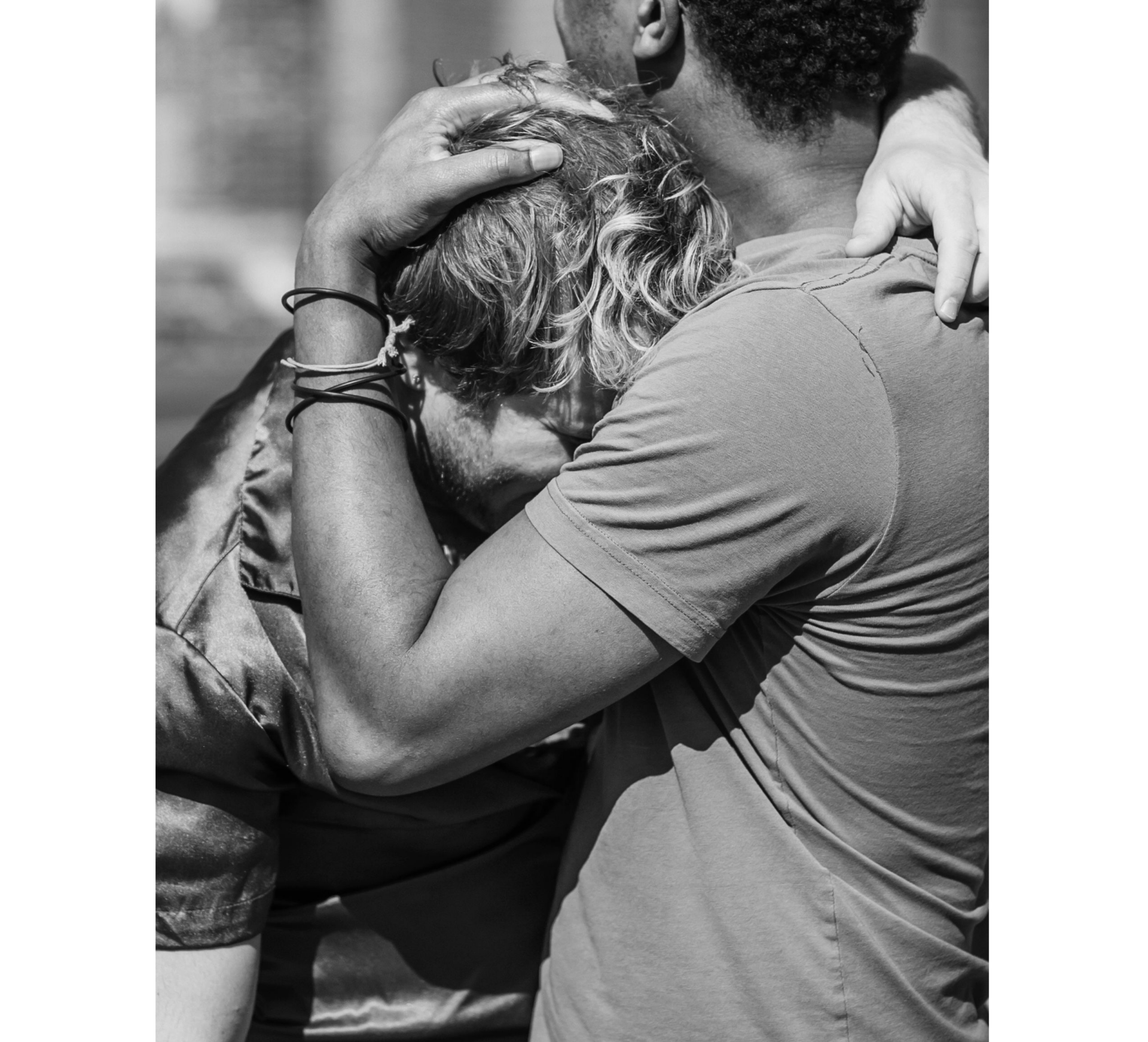
In a contemporary landscape defined by breakneck technological advancement and the nonstop, overstimulating hum of digital communications, humanity’s core struggle has shifted dramatically: no longer do we fight to establish faster, more far-reaching connections, but rather to nurture meaningful, deeply felt care for the people and world around us. As legendary poet Khalil Gibran once articulated, even the most modest tangible act of kindness carries far greater weight than the grandest, unfulfilled good intention.
The modern world often presents as a harsh, unforgiving terrain for countless people navigating hardship, with growing numbers grappling with unspoken pain and pervasive hopelessness. A troubling cultural shift has taken root in recent decades: collective consciousness has drifted away from mutual care, toward a narrow, self-absorbed focus on individual needs alone. Small, spontaneous acts of consideration have grown increasingly rare as societal norms prioritize selfish gain, and more and more people retreat into isolated, insular personal bubbles.
This erosion of empathy has only accelerated amid the widespread integration of artificial intelligence systems into daily life, pushing intentional kindness to the margins of daily priorities. While sophisticated algorithms streamline routine tasks and boost operational efficiency, and AI tools churn out near-instant answers to almost any query, an insidious risk looms large: the gradual outsourcing of genuine human connection to glowing screens. Even the most advanced generative AI can simulate conversational fluency, but it can never experience authentic empathy, hold the hand of a grieving loved one through a loss, or radiate the quiet, unscripted warmth of a caring in-person presence. Overreliance on the convenience of digital interactions blunts our innate, human instinct to notice when a neighbor is silently struggling, or a coworker is quietly overwhelmed. This reality prompts a critical collective reckoning: where has our collective compassion gone? Have we cast our capacity for empathy aside in pursuit of faster, easier digital experiences? Where has our shared, defining humanity retreated to?
This growing global gap in human connection is exactly the gap World Kindness Day was designed to address. Observed every year on November 13, this international observance offers a much-needed, intentional pause to recalibrate collective priorities around care and connection. The event was formally launched by the World Kindness Movement on November 13, 1998, to commemorate the anniversary of the organization’s founding summit, and has since grown into a global tradition marked by special events in schools, local community centers, and workplaces across dozens of countries. The day’s core mission is to foster cross-group empathy, bridge deep-seated divides that cut across national borders, cultural identities, and religious affiliations, and remind global communities that small, consistent acts of everyday compassion are the building blocks of a far more peaceful, cooperative global society. At its heart, the observance invites people to celebrate the often unrecognized, quiet acts of generosity that define strong communities, and to encourage people to practice radical perspective-taking, approaching others with respect and open-hearted compassion. It also emphasizes that kindness is a universal human value that transcends arbitrary boundaries of politics, race, gender, and faith, urging participants to extend that care beyond their immediate social circles to include vulnerable animals and the fragile natural environment.
This interconnectedness of human experience is a long-documented truth, as celebrated by anti-apartheid icon Desmond Tutu’s famous observation: “My humanity is bound up in yours, for we can only be human together.” This timeless principle, rooted in the Southern African Ubuntu philosophy of shared collective identity, echoes the core moral teaching from the Gospel of Luke 6:31: “Do to others as you would have them do to you.” Both frameworks reinforce the reality that no person exists in total isolation, and the way we choose to treat others is a direct reflection of our own core character. When we deliberately turn away from a person in need, ignore a neighbor’s quiet unspoken hardship, or allow endless digital distractions to numb our innate capacity for empathy, we do not only diminish that other person—we shrink our own humanity in the process. True, lasting personal fulfillment can never be found in a algorithm’s output or the endless scroll of a social media feed; it emerges from shared lived experiences, mutual respect, and the small, unplanned moments of grace we extend to one another. Even the simplest gestures: a warm, unrushed smile, a few minutes of undivided listening for someone who needs to talk, or a quick text to check in on someone who has seemed off lately, can cut through the overwhelming noise of a disconnected world, and remind a struggling person that they are seen, valued, and matter.
While advanced algorithms will undoubtedly play a central role in shaping the trajectory of our collective future, it is universal human kindness that will make that future one worth living for everyone. This upcoming World Kindness Day, do not let well-meaning good intentions remain nothing more than unspoken, unacted-upon thoughts. Set down the smartphone, step away from the screen, look up at the people sharing your daily spaces, and make the deliberate choice to be the reason someone regains faith in the inherent goodness of humanity.
Wayne Campbell, the author of this commentary, is an experienced educator and social commentator whose research and public work centers on development policies and their tangible impacts on cultural norms and gender equity. He can be reached via email at the listed contact address, or on X (formerly Twitter) via his handle @WayneCamo.