A leading centrist parliamentary faction in the European legislature is pushing for immediate, actionable follow-through on a set of consensus recommendations negotiated earlier this year between Caribbean and European parliamentary representatives during high-level talks hosted by Antigua and Barbuda. The Renew Europe group, in an official public statement released on November 10, laid out a detailed roadmap to turn long-stated cooperative pledges across trade, cross-border investment, climate adaptation, and transnational anti-narcotics enforcement into tangible, life-changing outcomes for communities across the two regions.
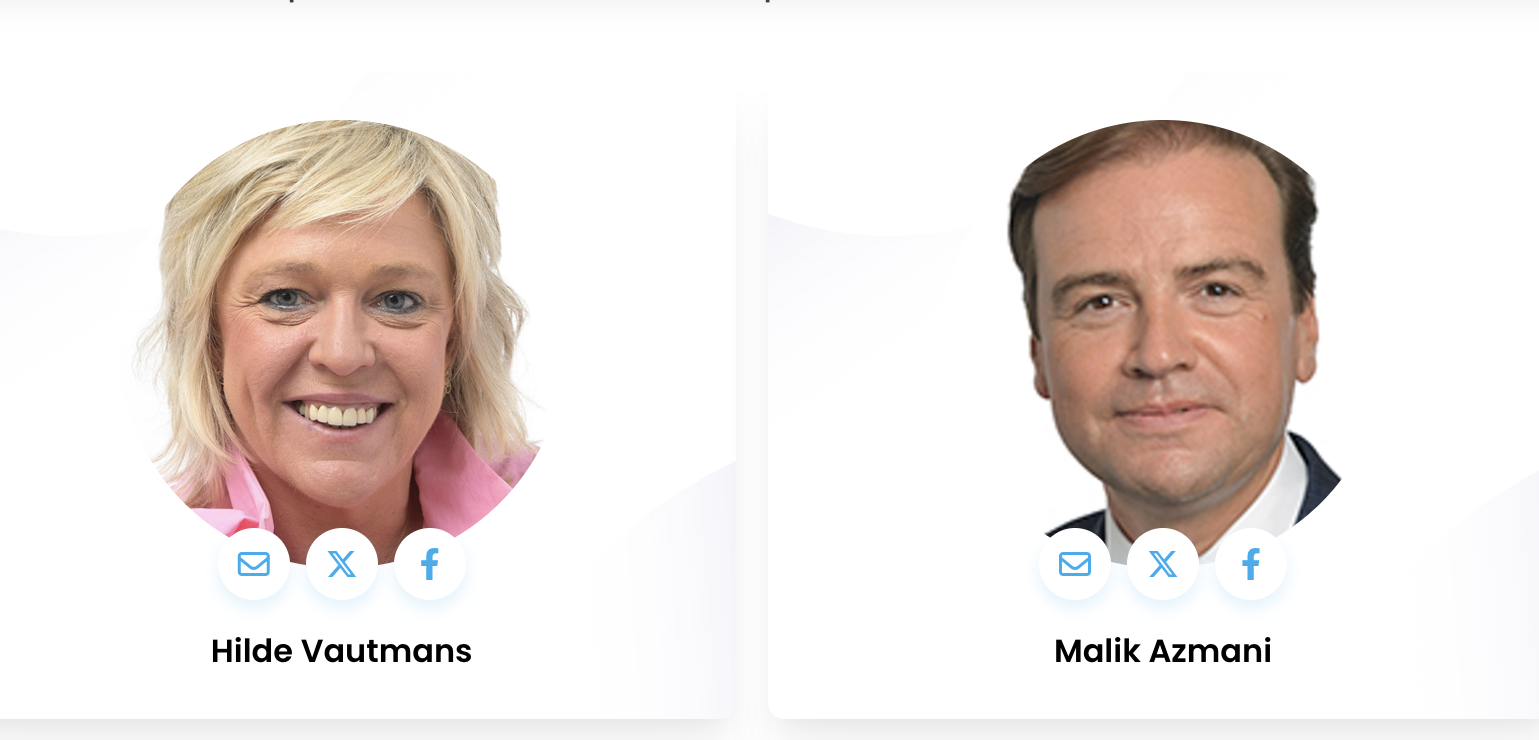
The call comes just weeks before the second plenary session of the joint Organisation of African, Caribbean and Pacific States (OACPS) – EU Parliamentary Assembly, which will convene 160 elected legislators from four continents in Brussels to align oversight mechanisms for the bloc’s renewed partnership framework. Malik Azmani, co-president of the Caribbean-EU Parliamentary Assembly and a Dutch European Parliament member, emphasized that the February 2024 Antigua and Barbuda accords marked a critical milestone for bilateral dialogue, but that unfulfilled promises would erode the credibility of a partnership that spans 100+ nations and roughly 2 billion people globally. Against a backdrop of escalating geopolitical tensions, widespread post-pandemic economic volatility, and intensifying great power competition for regional influence, Azmani stressed that collaborative, equal-footing governance is more critical than ever to safeguard shared collective interests.
Renew Europe’s formal position anchors all proposed cooperation in the Samoa Agreement, the updated governing framework for OACPS-EU relations that is structured around principles of mutual respect, aligned shared priorities, and joint accountability. Specific priority actions outlined in the statement include full ratification and implementation of the UN High Seas Treaty, equitable distribution of marine resource access rights for small island coastal communities, and a shift away from predatory lending practices to prioritize grant-based development financing for the world’s most vulnerable low-income nations, paired with robust anti-fraud safeguards to ensure public funds reach intended beneficiaries.
Hilde Vautmans, co-president of the Africa-EU Parliamentary Assembly, noted that all future economic cooperation architecture must be designed to nurture local domestic industries, generate stable, high-wage formal employment, and deliver reciprocal benefits rather than replicating exploitative historical power dynamics. “The nations of Africa, the Caribbean and the Pacific deserve a seat at the table co-designing our shared global economic future, rather than being reduced to passive consumer markets or unregulated sources of raw materials,” Vautmans stated. The group also endorsed balanced, mutually beneficial critical raw material partnerships that allow the EU to diversify its overconcentrated supply chains and reduce strategic external dependencies, without extracting resources at the expense of local community development.
For vulnerable Pacific island nations, Renew Europe outlined targeted development priorities including scaled investment in distributed renewable energy systems, upgraded climate-resilient port infrastructure, and expanded national disaster preparedness frameworks, alongside a formal commitment to uphold every sovereign nation’s right to select its own international diplomatic and economic partners free from external coercion. The faction also highlighted the EU’s €300 billion Global Gateway infrastructure investment initiative as a core delivery mechanism to support transparent, accountable cross-border investment that builds local adaptive capacity while explicitly avoiding the debt trap patterns associated with unregulated external lending. The statement concluded by noting that structured parliamentary diplomacy will serve as the primary oversight tool to build cross-regional trust and hold all governing institutions accountable for delivering on their stated commitments, ensuring cooperation delivers measurable, tangible gains for ordinary citizens rather than remaining a set of unfulfilled diplomatic communiqués.
EU parliamentary group urges action on trade, climate and crime commitments agreed in Antigua and Barbuda