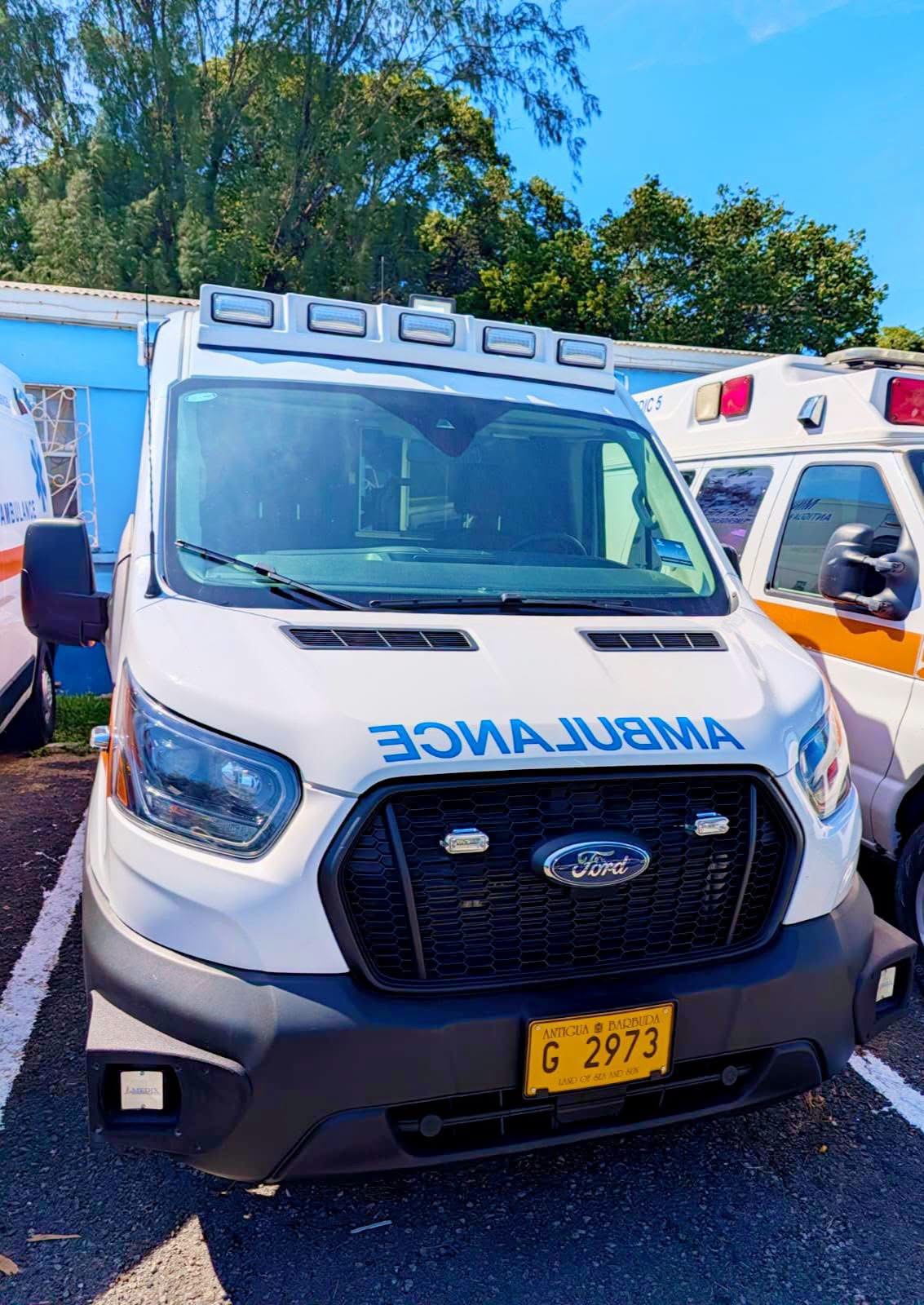
Antigua and Barbuda’s national emergency medical response network has received a significant operational boost, as the Antigua and Barbuda Emergency Medical Services (ABEMS) officially integrates two brand-new ambulances into its existing fleet. The targeted public health investment is designed to close gaps in pre-hospital care coverage across both islands for local residents and the nation’s large base of visiting tourists. The two new emergency vehicles will directly expand ABEMS’ call response bandwidth, cut down critical patient transport wait times, and ensure more consistent access to life-saving pre-hospital medical interventions for people across every community in the twin-island nation. Hon. Michael Joseph, the nation’s Minister of Health, Wellness and Environment and Civil Service Affairs, framed the fleet expansion as a landmark milestone in the government’s long-term push to upgrade national healthcare resilience. “Emergency medical services form the unshakable frontline backbone of our entire healthcare system, and equipping our ABEMS teams with the tools they need to fulfill their life-saving mandate is non-negotiable,” Minister Joseph emphasized during the fleet handover event. “These new ambulances do not just add extra vehicles to our roster: they cut response delays for urgent calls, reduce burnout for our overstretched frontline crews, and ensure every person in this country, no matter which community they live in, can access timely emergency care. Every dollar we put into strengthening our emergency response infrastructure is a direct investment in the safety, dignity, and long-term well-being of every person who calls Antigua and Barbuda home.” ABEMS Director Shawn Greenidge echoed the minister’s remarks, noting that the new additions would immediately ease operational strain on his department, which has for years operated at near-full capacity during peak emergency periods. “This fleet upgrade is an incredibly welcome development for every single member of our ABEMS team,” Greenidge shared. “These extra vehicles mean we can distribute our coverage more evenly across rural and urban zones, avoid situations where all our existing units are tied up on calls at the same time, and give our paramedics and emergency medical technicians the reliable, well-equipped platforms they need to do their jobs effectively when members of the public need us most during their most vulnerable moments.” The ambulance rollout is part of a broader, multi-year ongoing initiative by the health ministry to upgrade emergency care infrastructure, modernize medical equipment for first responders, and expand training programs for pre-hospital care staff. Government officials confirmed that the ministry will continue to prioritize targeted investments in emergency medical services over the coming years, to ensure the national healthcare system is fully prepared to meet evolving public health needs and support the country’s growing population and tourism sector.
ABEMS Strengthens Emergency Response Capacity with Addition of Two Ambulances