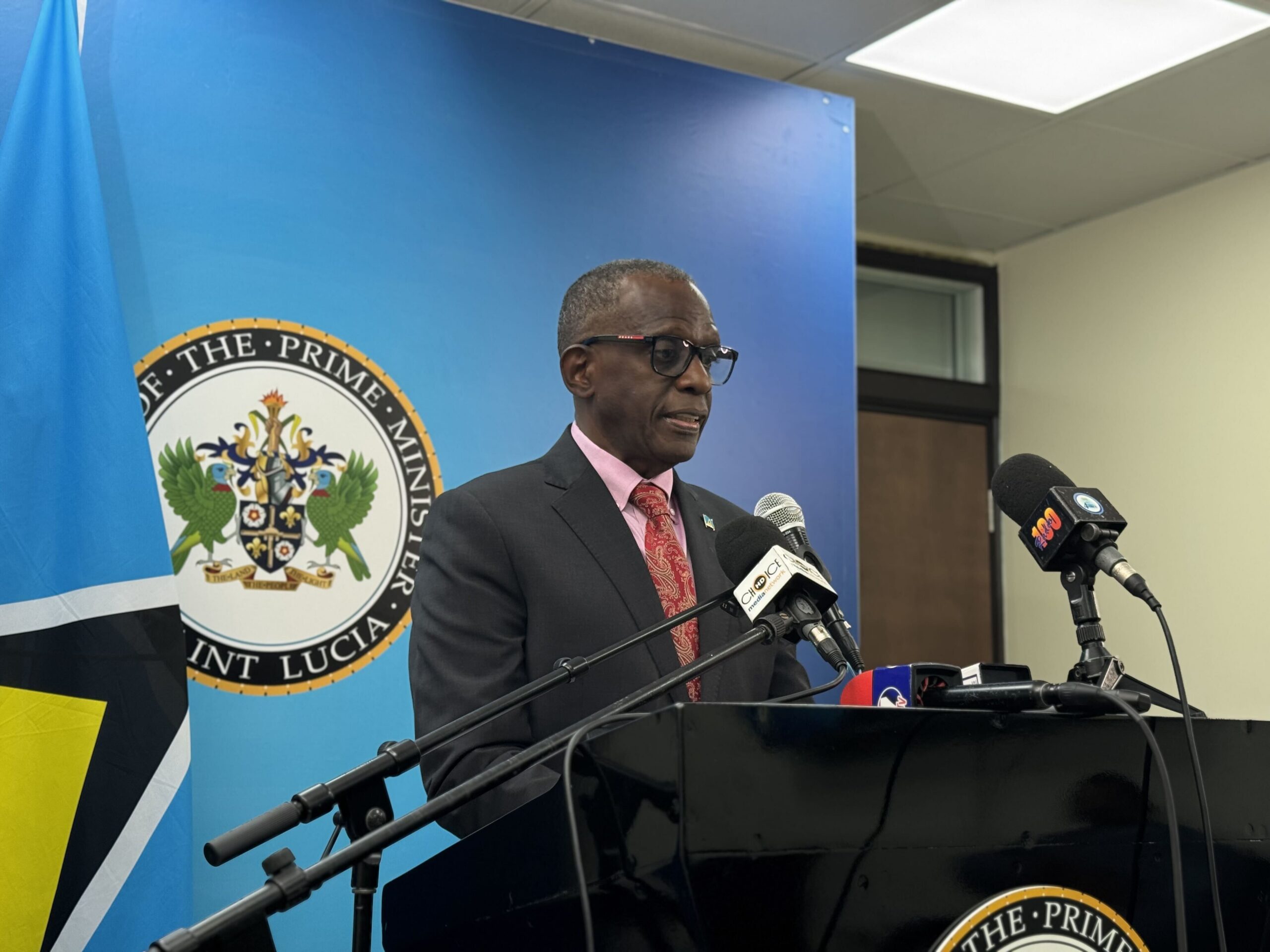
Castries, Saint Lucia – The administration led by Prime Minister Philip J. Pierre has finalized its formal official stance on the long-term trajectory of Saint Lucia’s Citizenship by Investment Programme (CIP), and has dispatched a formal correspondence to the European Union, local authorities confirmed during a pre-Cabinet press briefing this Monday. No details of the submitted communication have been released to the public as of yet, per the government’s deliberate diplomatic protocol. The move comes after the EU extended the original October 31 response deadline for Caribbean CIP-holding nations to November 12, granting the five participating Eastern Caribbean jurisdictions extra time to deliberate their positions on the EU’s demand to fully phase out investor citizenship schemes by June 2028. Prime Minister Pierre emphasized that full transparency of the letter’s contents at this stage would undermine the confidential, trust-based diplomatic framework required for constructive bilateral talks. “Diplomatic engagements of this nature cannot be conducted in the full public glare without eroding the mutual trust that underpins productive negotiation,” Pierre told assembled reporters. He added that the administration will only share the full contents of the correspondence with the Saint Lucian public once EU officials formally confirm they have received and logged the document. The European Commission has raised explicit security and irregular migration concerns regarding the region’s CIP frameworks, and has updated its regulatory rules to allow investor citizenship programmes to be cited as a valid justification for suspending visa-free Schengen Area access for participating nations. Ahead of the November 12 cutoff, a delegation led by Saint Lucia’s Deputy Prime Minister Ernest Hilaire traveled to Brussels in October as part of an Organisation of Eastern Caribbean States (OECS) working group to hold preliminary negotiations with EU policymakers. Prime Minister Pierre acknowledged that the EU has clearly articulated its preference for a full phase-out of the CIP across the Eastern Caribbean bloc, but stressed that ongoing negotiations remain focused on safeguarding Saint Lucia’s core national economic interests. He noted that while Saint Lucia is less economically dependent on CIP revenue than several of its regional peer nations, the programme still generates significant, reliable public funding that supports core government services and development priorities. In a direct address to the public, Pierre urged citizens to trust that the government’s final negotiated position will prioritize the welfare of all Saint Lucians, as officials work to balance diplomatic relations with the EU and the country’s fiscal stability.